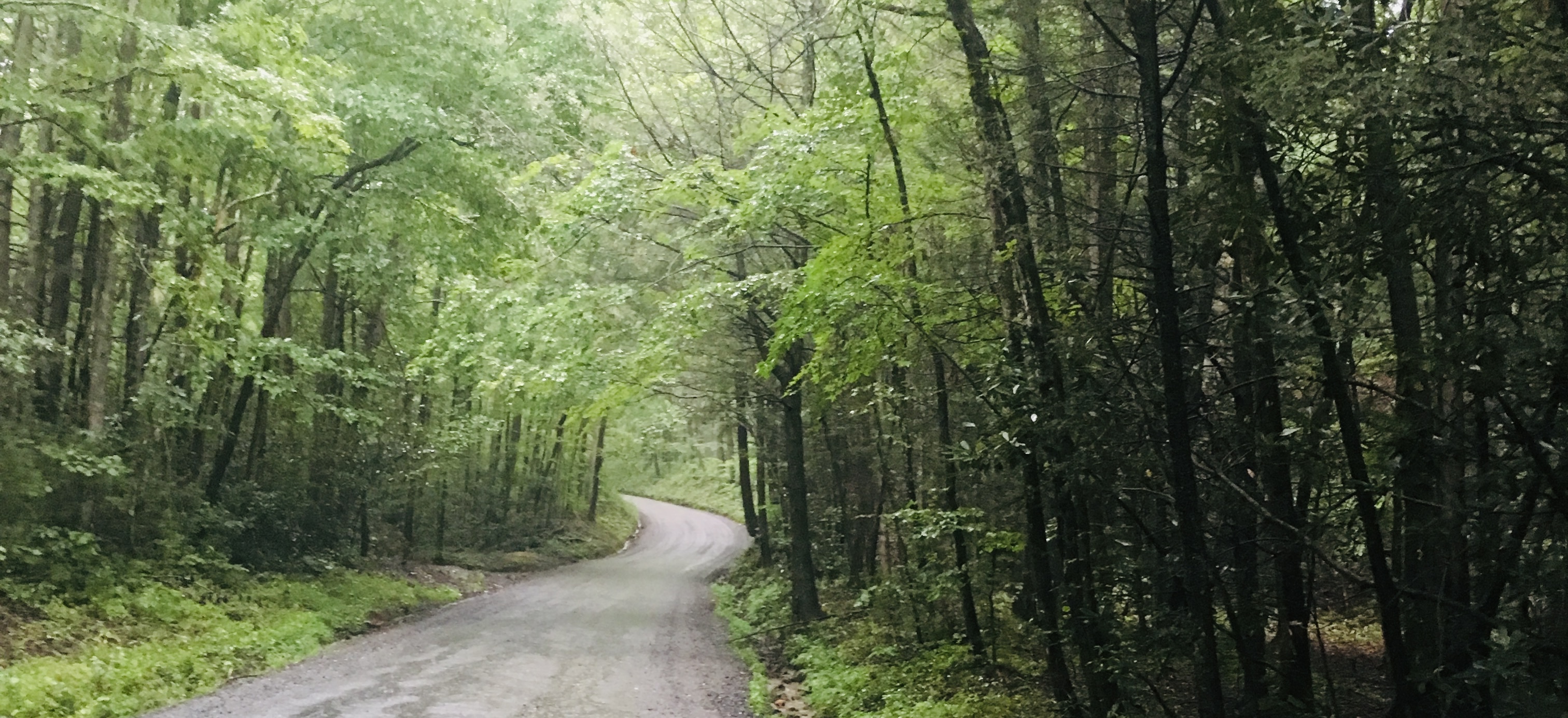
Day 3: Palas de Rei to Meride

Today was a perfect day on the Camino. The time I took for a little self care made a world of difference. The body heals, and I felt like a new person. Filled with gratitude, we started the day with a renewed spirit. The Camino would be a success today.

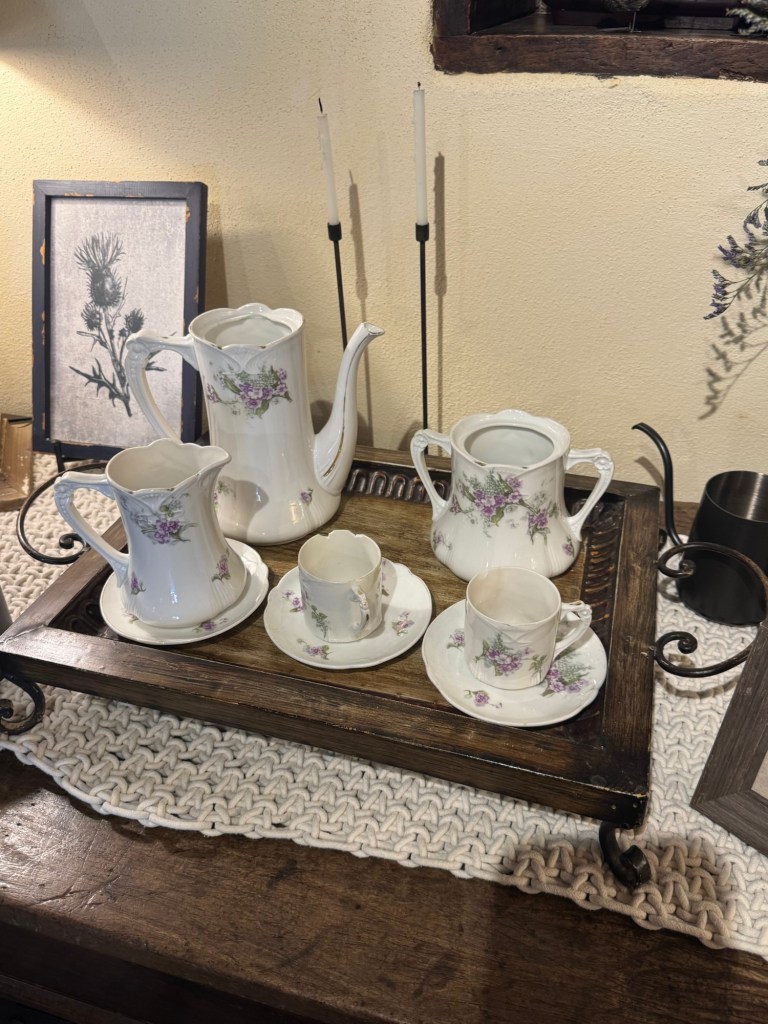
As we chatted over breakfast at The Mica, our charming hotel, we got to meet Marita, the owner. She’s a lovely, soft-spoken woman who seems to be involved in everything—from greeting guests at the reception to whipping up a delicious breakfast.

Marita opened up about the hotel’s history, which she explained is a family legacy. It all started with her husband’s parents, and you could tell how much love and care they put into it. One interesting thing she shared was that one of her parents was Cuban. As she talked about her family, we got a glimpse into her life. It felt great to connect with someone through our shared heritage. It was such a warm and inviting conversation that turned our breakfast into something special, making us feel more like friends than just guests.

We set out just before 8 am on another cool and beautiful spring morning. Right next to the hotel, we found a water fountain, common throughout the towns and countryside. We filled our water bottles and began our walk.

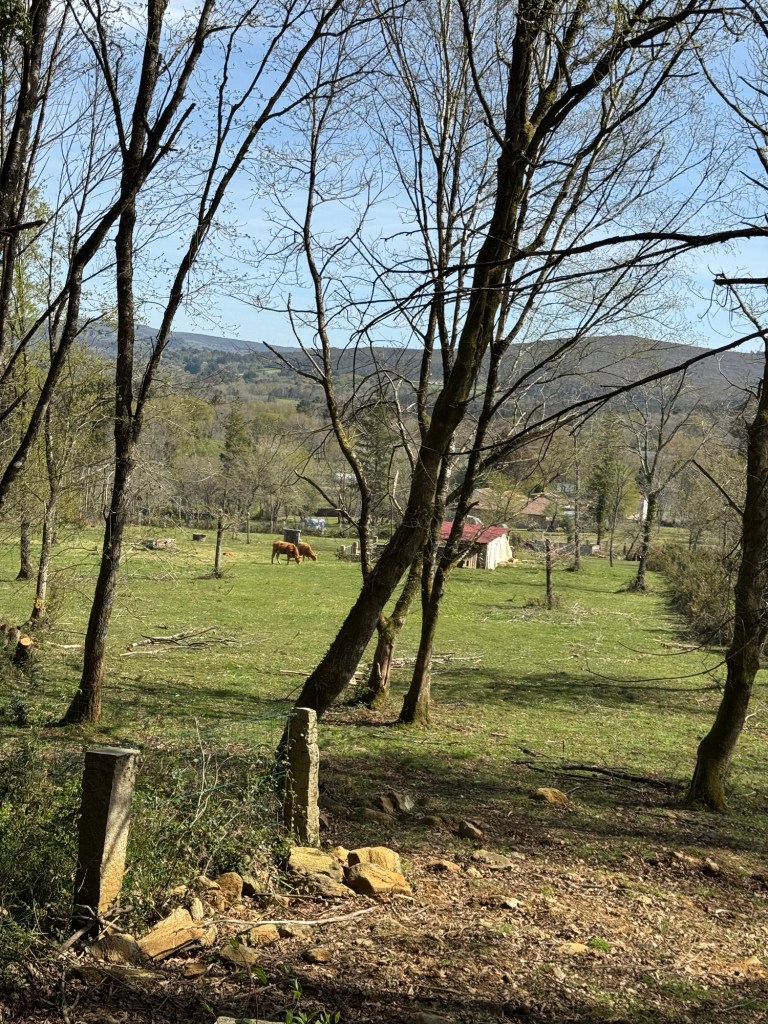
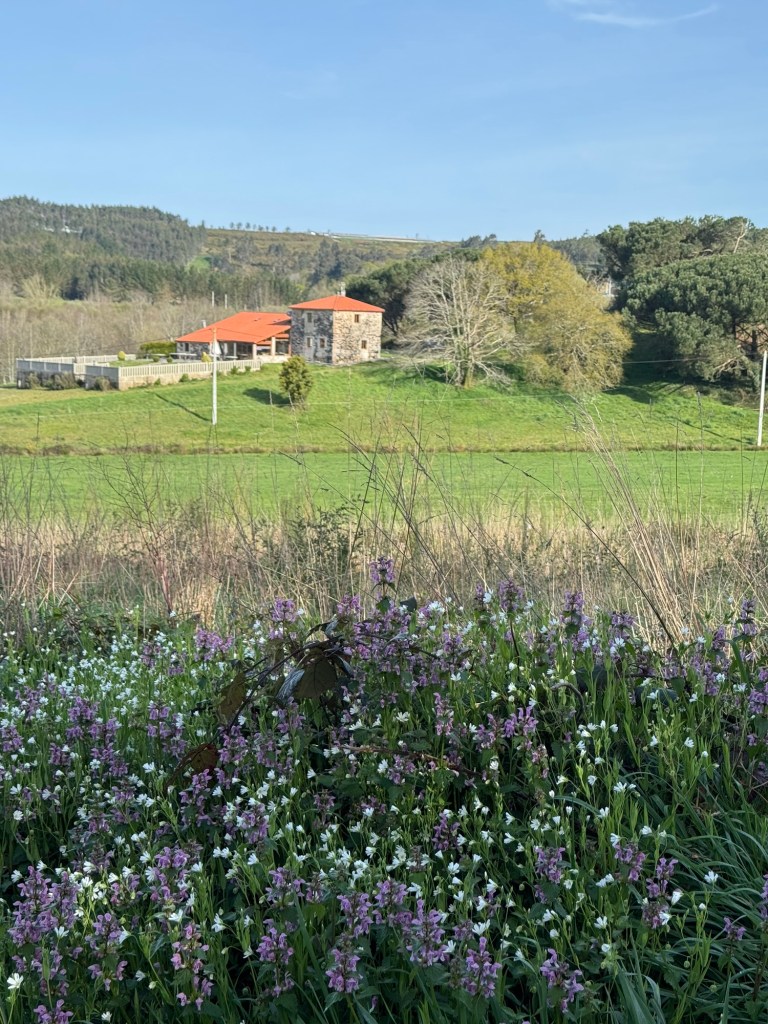
As we left the city of Palas de Rei behind, we were happily surprised that the terrain was vastly different at the start of the day than it was the day before. It was flat! Hallelujah! No hills to begin the journey.

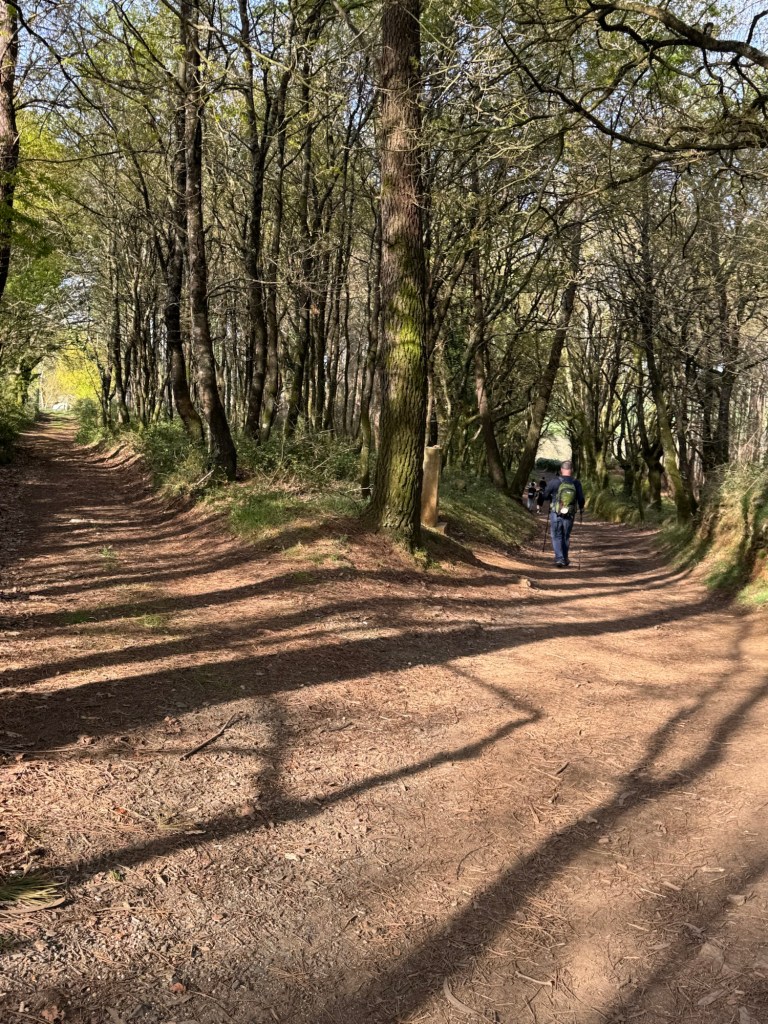
Walking without pain…I was so grateful in the moment. One foot in front of the other was my mantra, as I took in the sights and smells of the countryside. Listening to the birds chirping and the sound of my steps on the dirt and gravel roads made me feel alive and present. With the day to day work and life responsibilities it’s often hard to reflect on the things that really matter. On the Camino, you have nothing but time to think. And meet people of course!

On today’s walk we met an author. Sitting by the road, in front of her home was Kelly Fields. Kelly was a Nordstrom executive from Seattle. She decided to do the Camino, the entire 500 mile long Camino, a few years back. At the end, her husband told her he had never seen her so happy. She decided then to leave her life in Seattle and move to Spain. Her husband was on board.

Ms. Fields told us that everyone thought they were crazy. But she has never regretted that decision. Life in Galicia is quiet and peaceful. She wrote a novel about the people she met on the Camino, their stories, their reasons for doing the pilgrimage. Her journey was transformative, as it is for so many.

We bought one of her books, and she graciously signed and stamped it. I treasure that special moment. Meeting Kelly, and hearing her story.

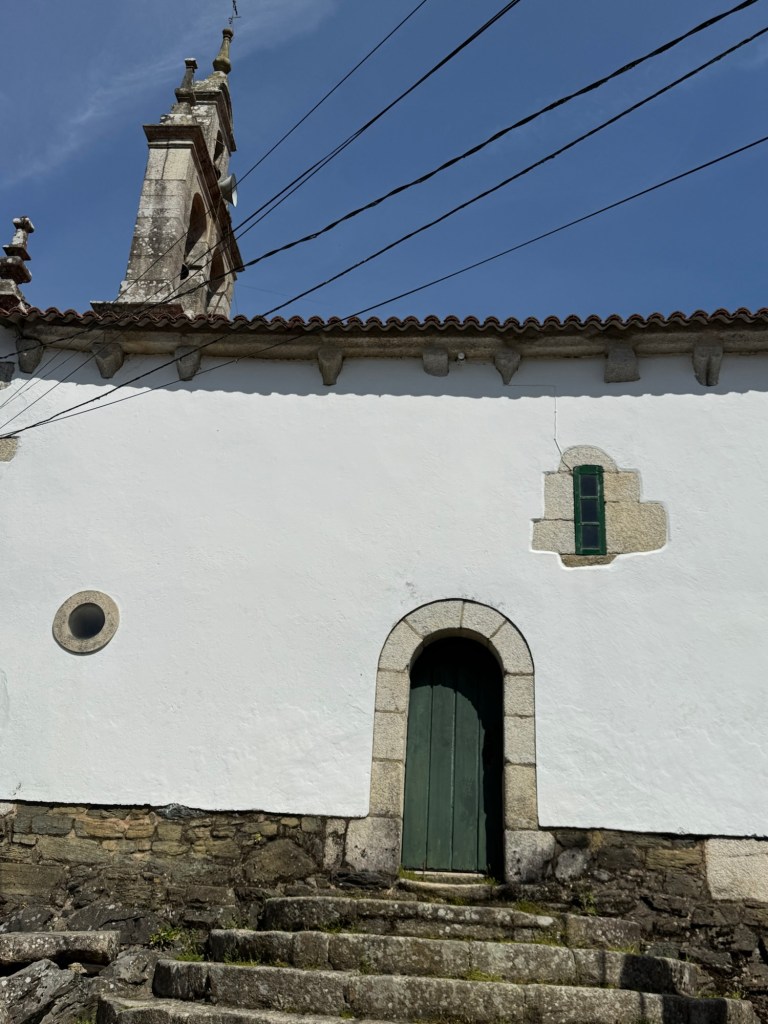
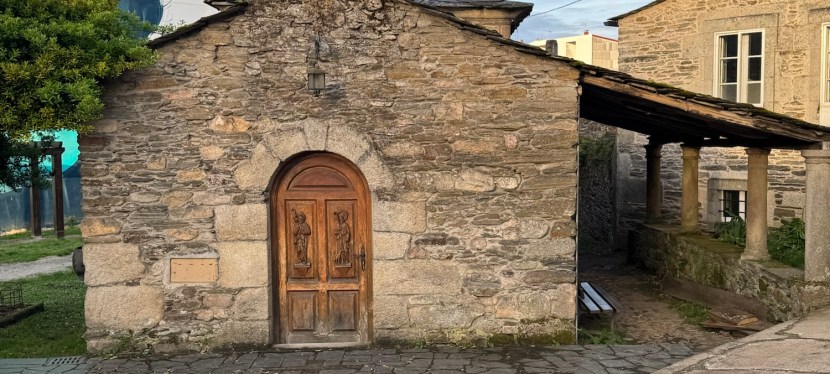
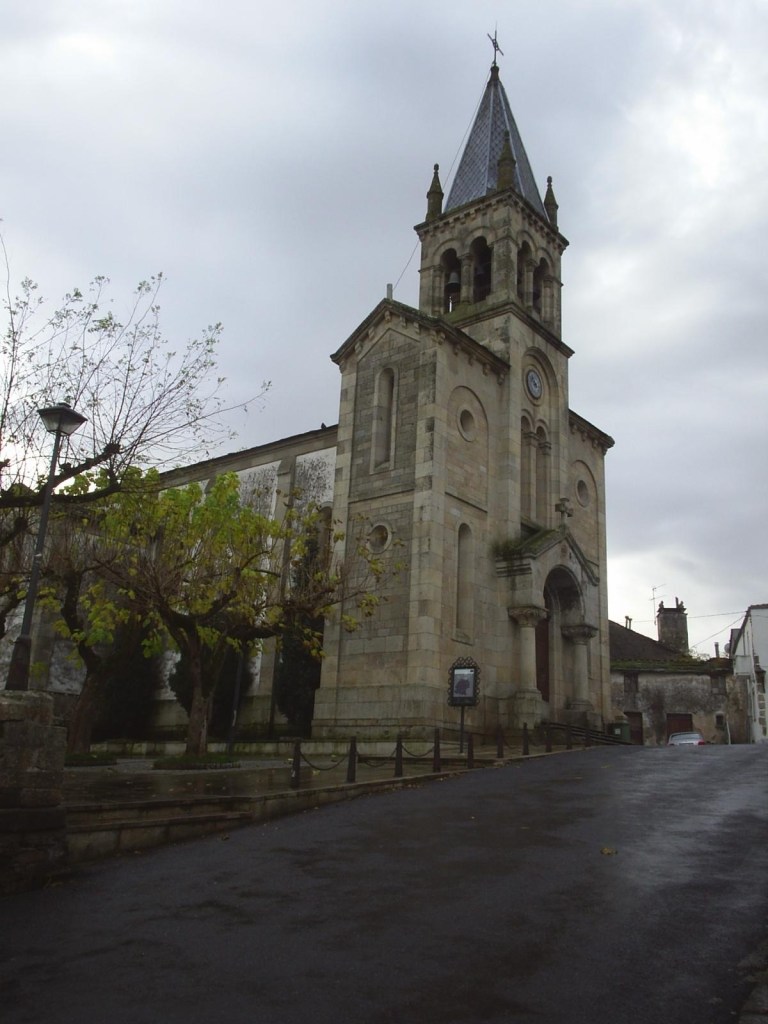
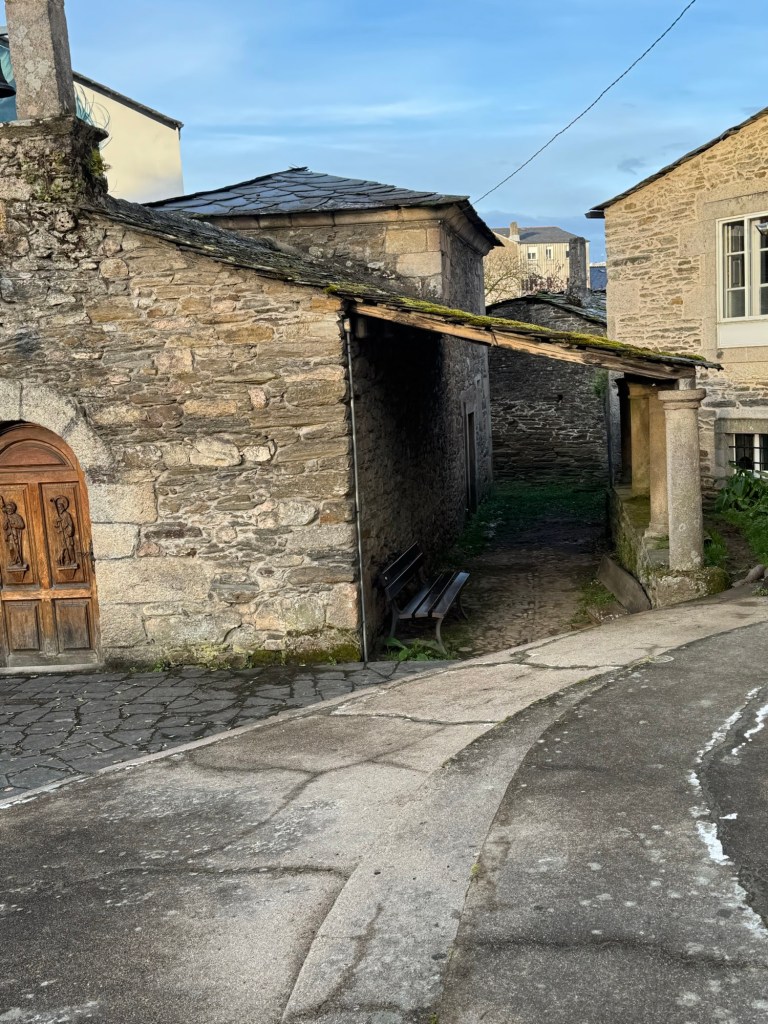
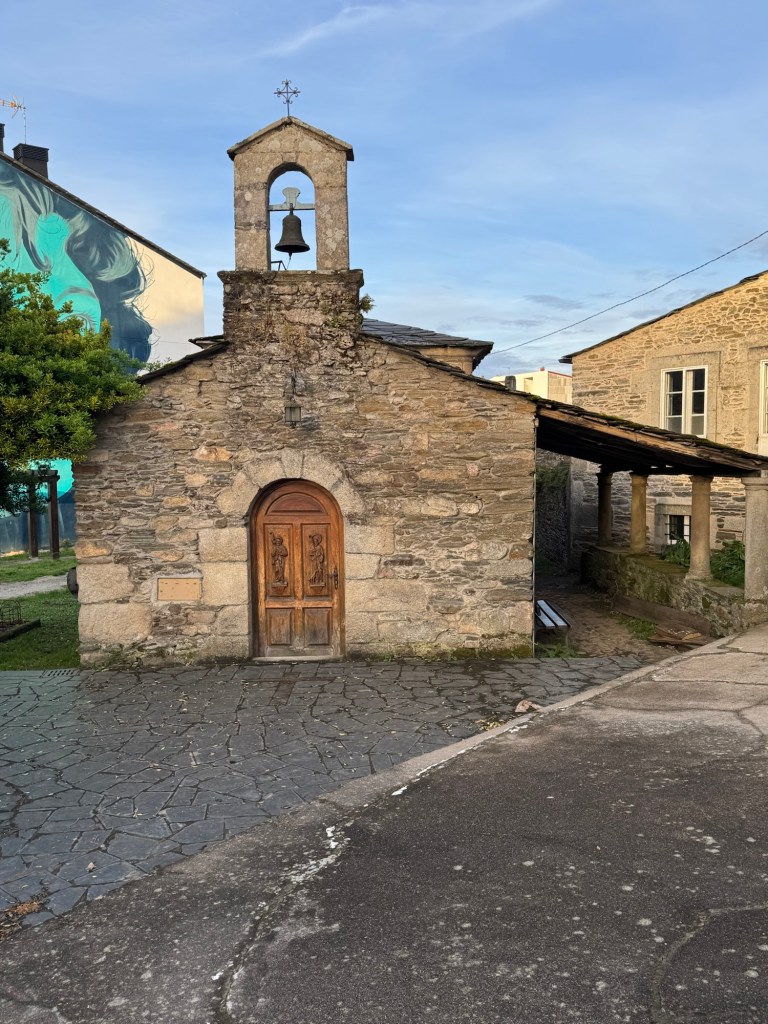
Kelly suggested we visit a church that dates back to the 5th century. The 5th century! On our way to explore the church, we met up with our doctor friends again. Together we visited the church.

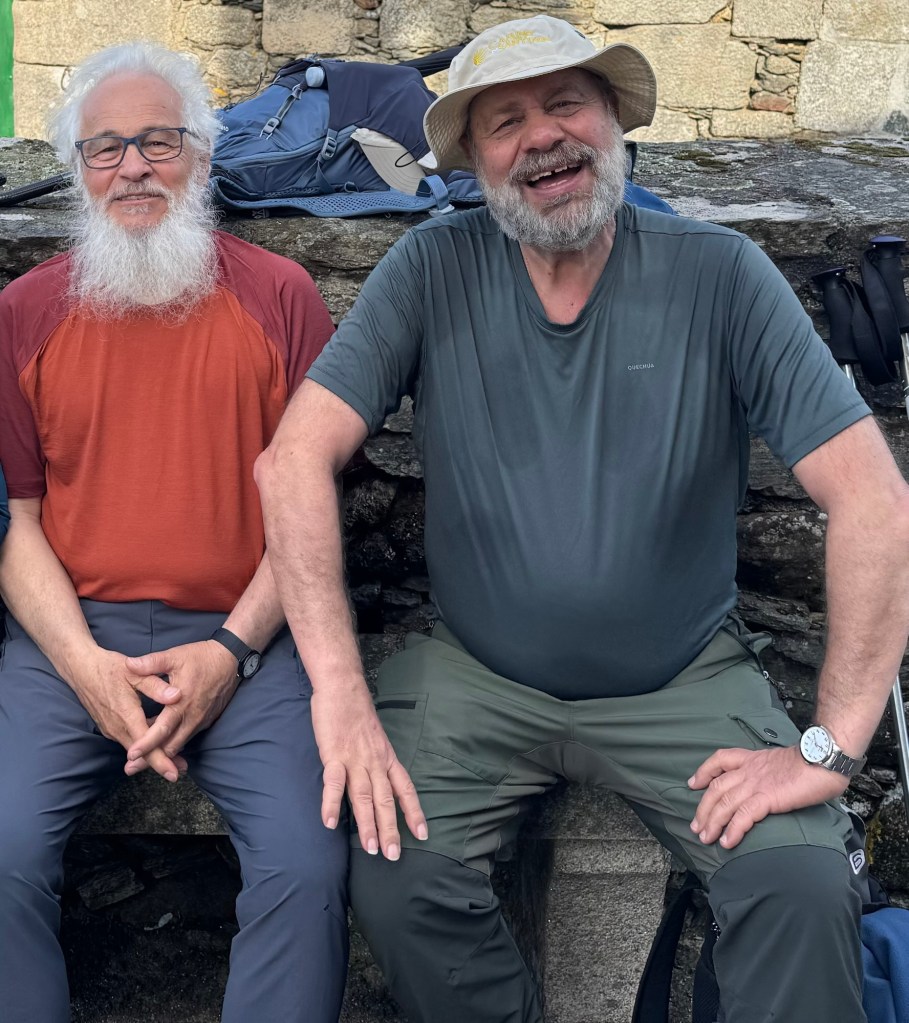
Church from the 5th century.

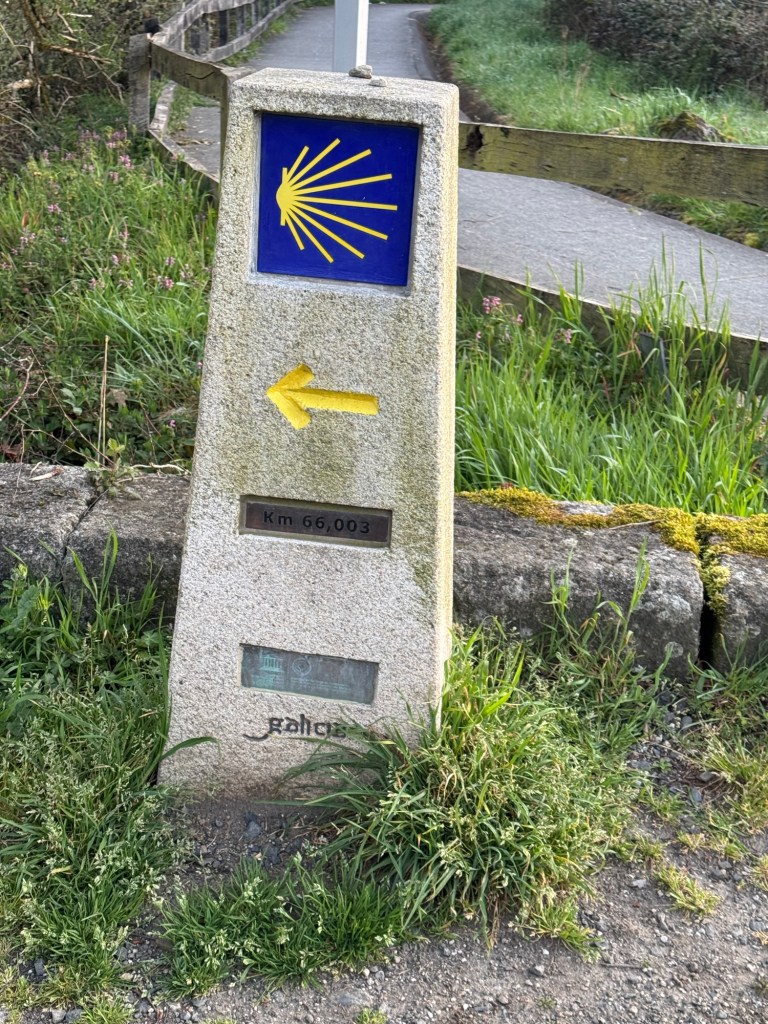
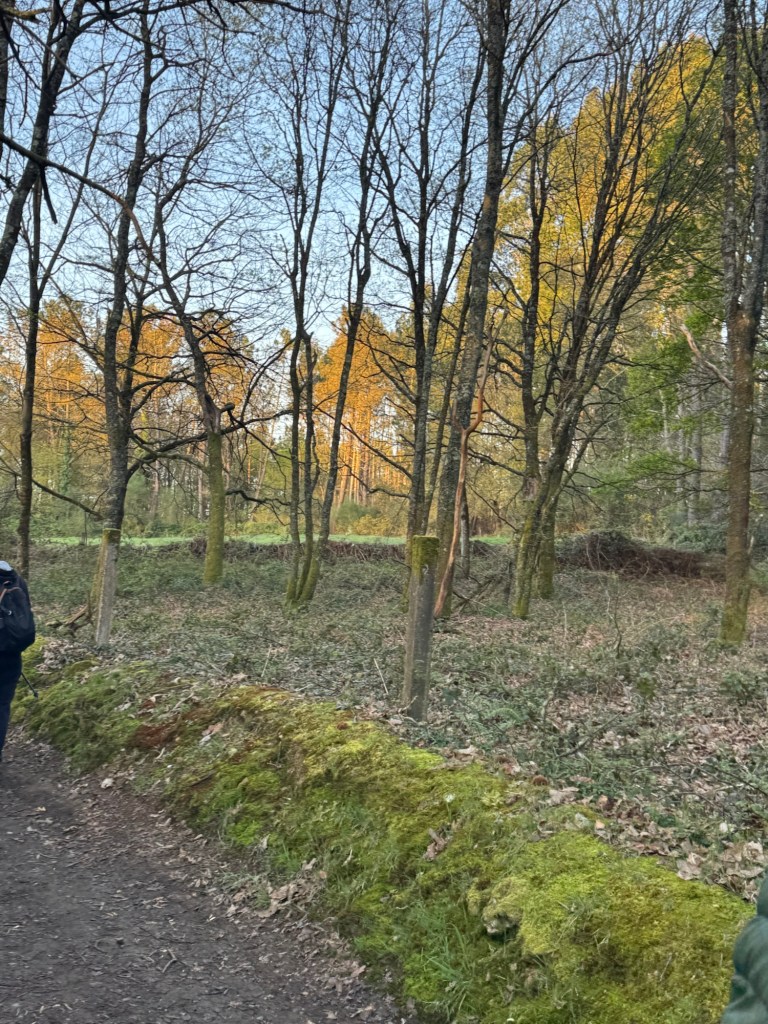
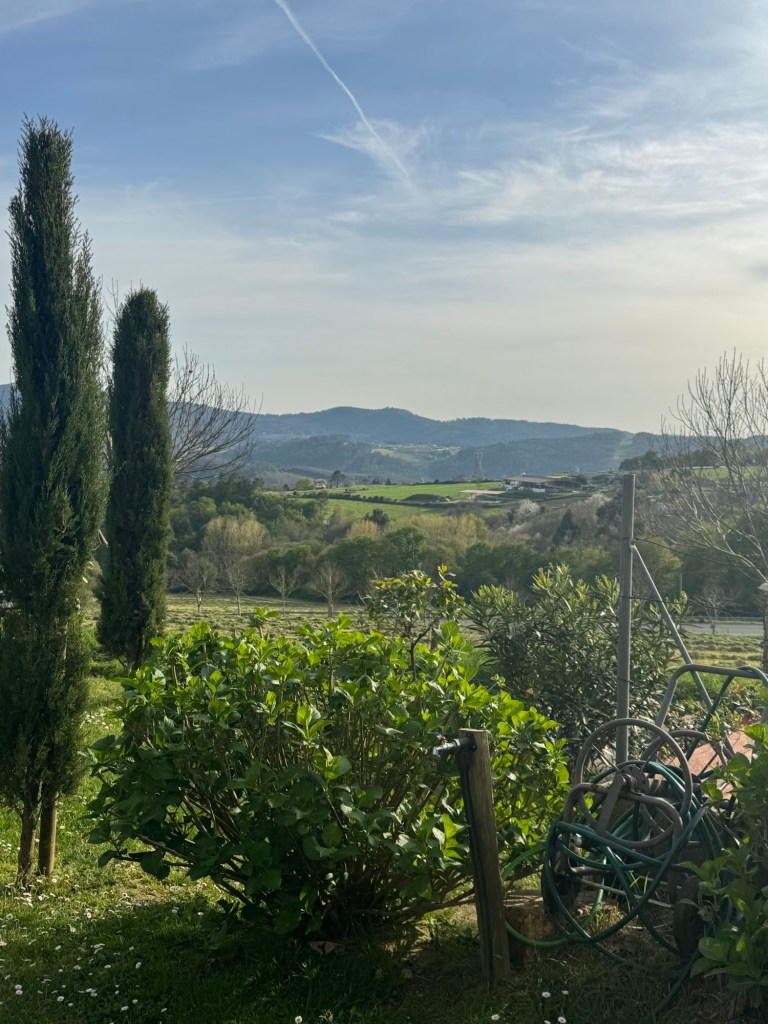
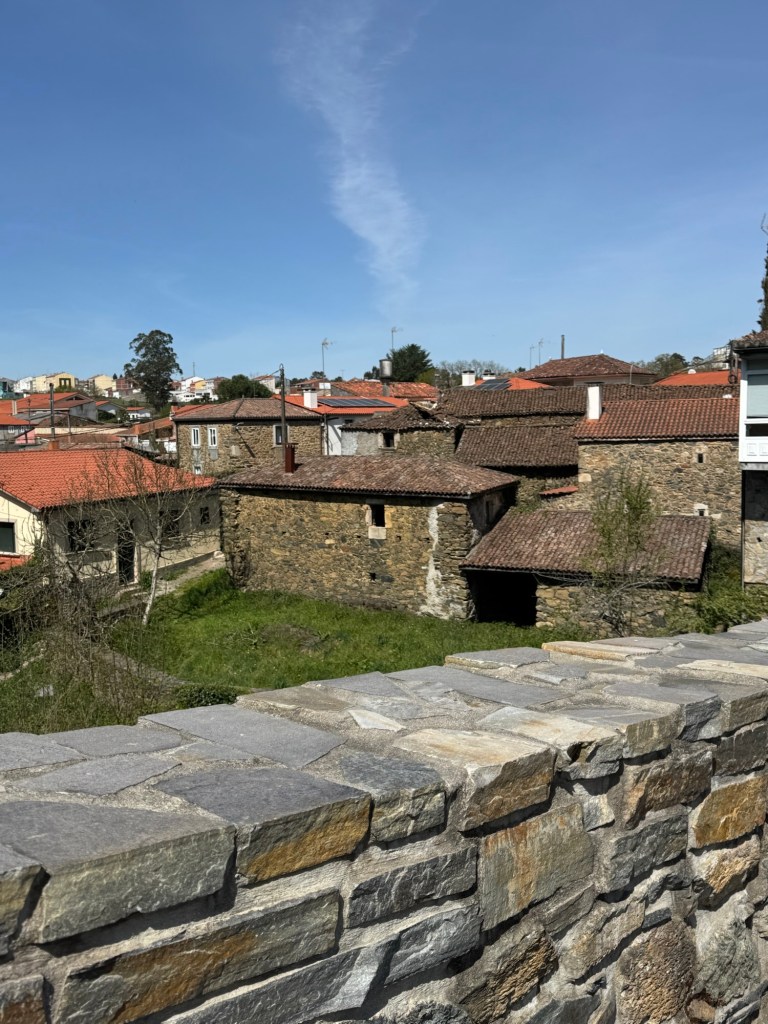
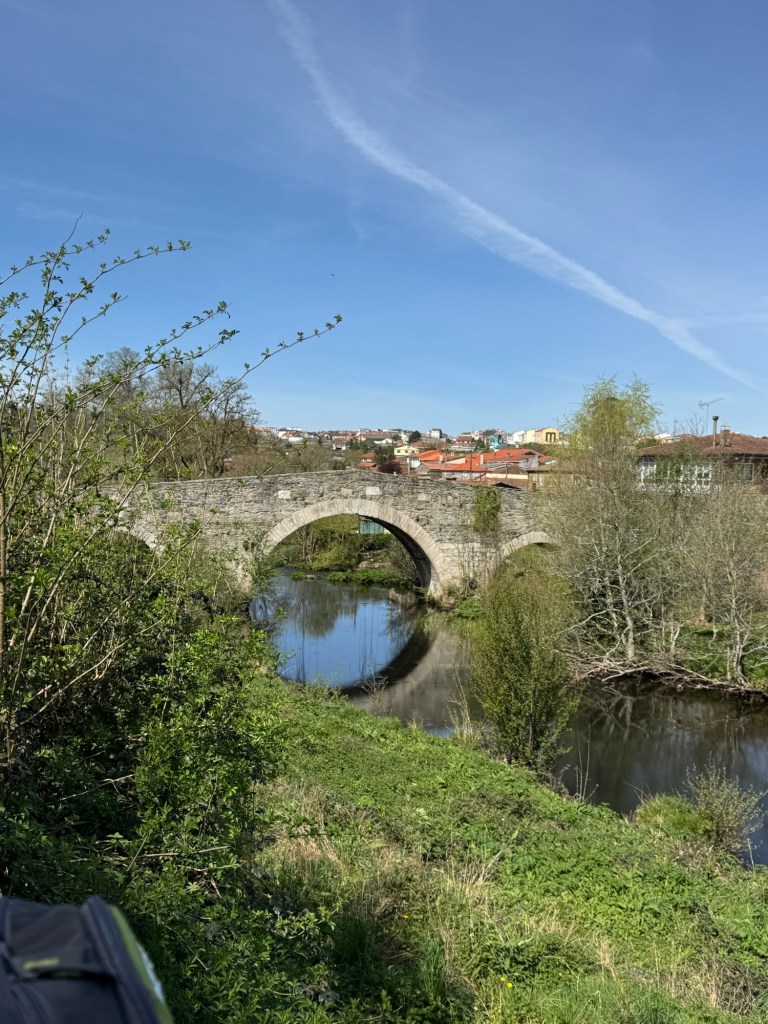
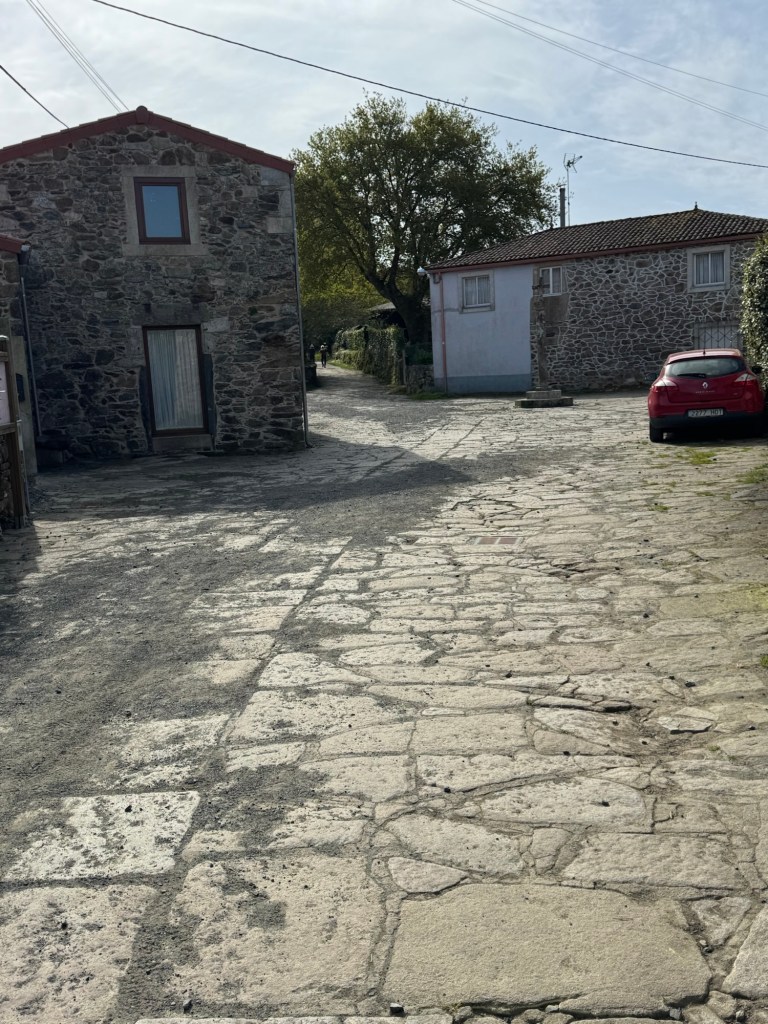
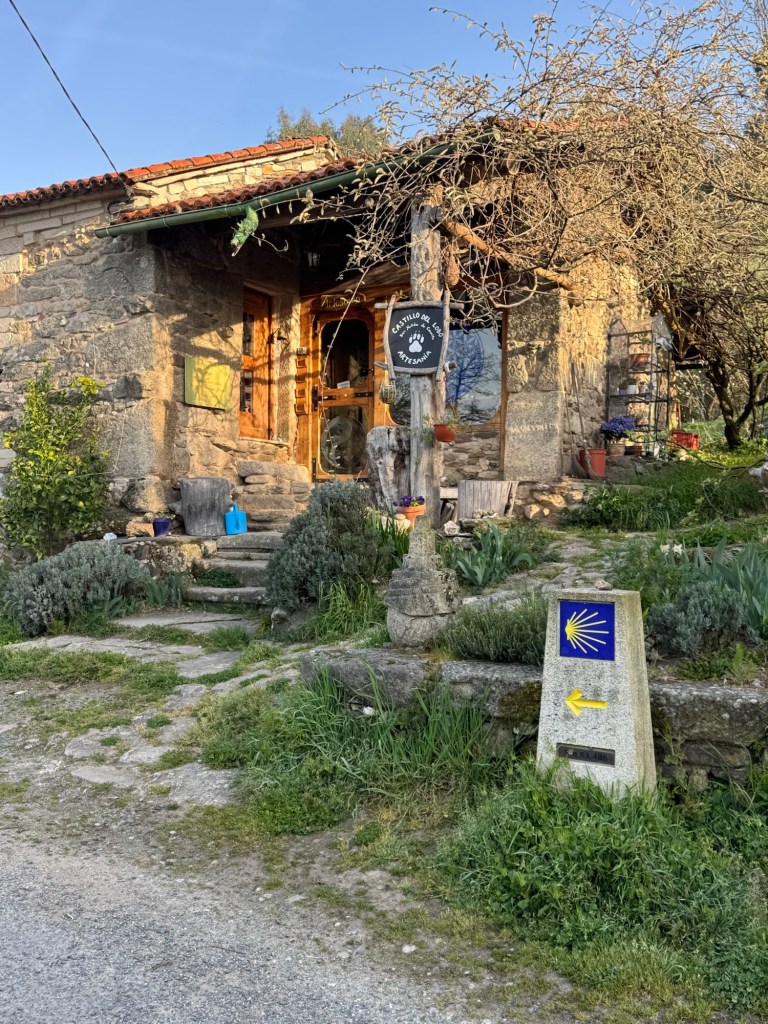
The Camino from Palas de Rei to Melide was enjoyable from the start. We did have some steep hills but most of the day we walked on flat paths. We enjoyed the medieval villages, the little cafes, and the people.

Beatriz and Javi from Malaga

When we reached the end for the day we were elated! We did it. We pushed through and it was so satisfying. Our hotel was not in the city but a bit farther out. We stopped to ask a local where we could get cash and a cab. We met Siriano.
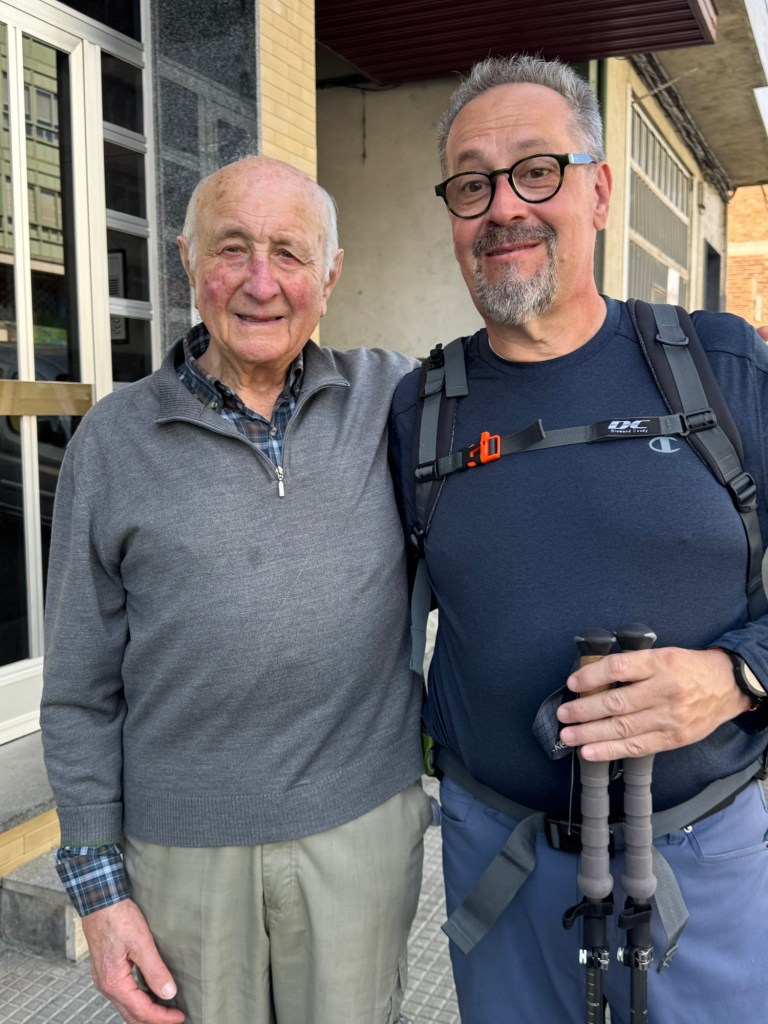
Half an hour later, we were still talking to this amazing gentleman. In May, Siriano will be 95. He was full of stories about his life in Galicia and his family. We asked him what his secret was to a full and happy life. He said, “You must move your body and take care of yourself. A little wine and dancing helps! I love music, and I love to dance.”

On our way to the hotel, we had the pleasure of meeting a lovely family from England. We shared a cab and enjoyed getting to know one another along the way. I had a feeling this next accommodation would be my favorite, but I had no idea just how magical it would turn out to be.

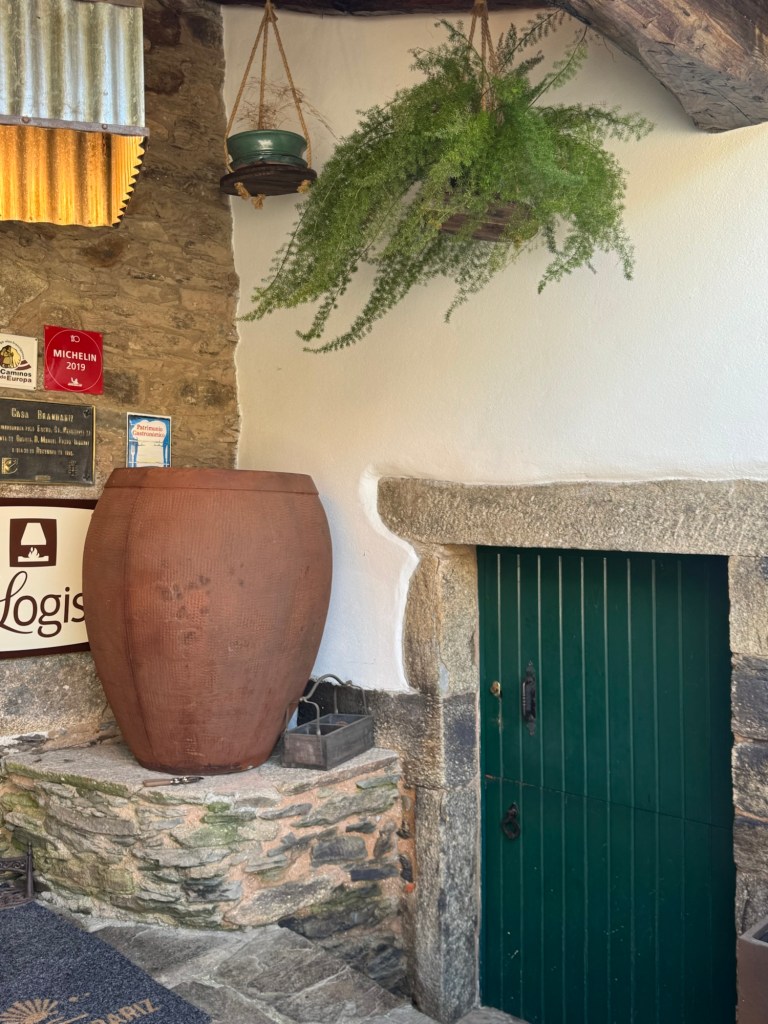
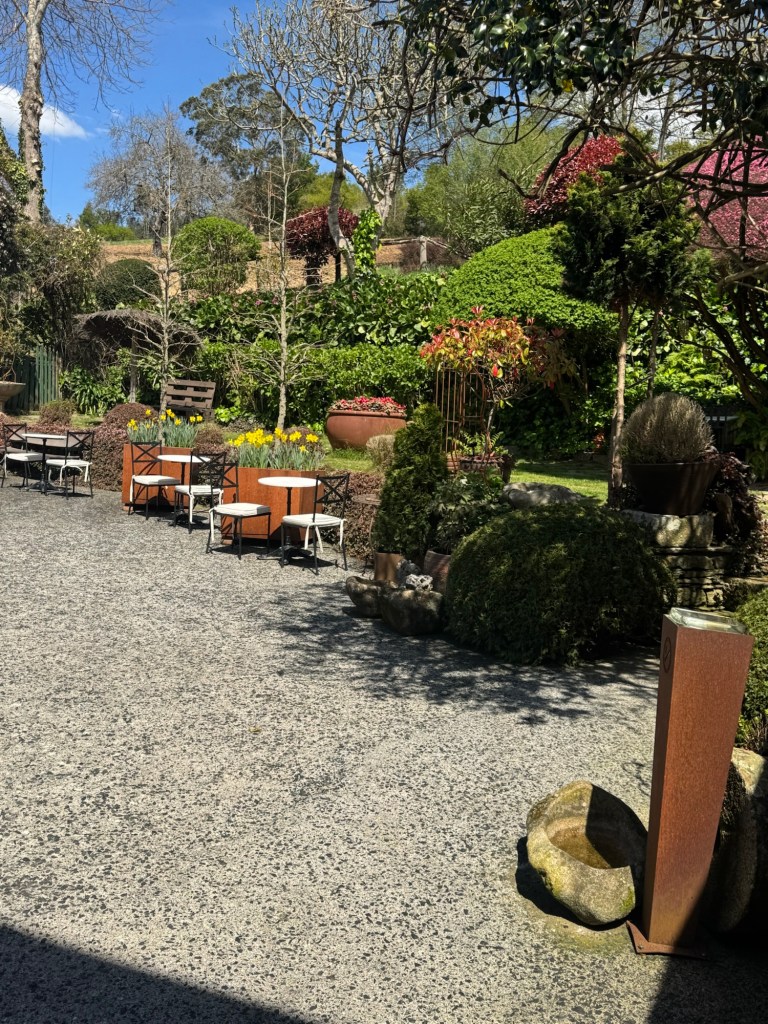
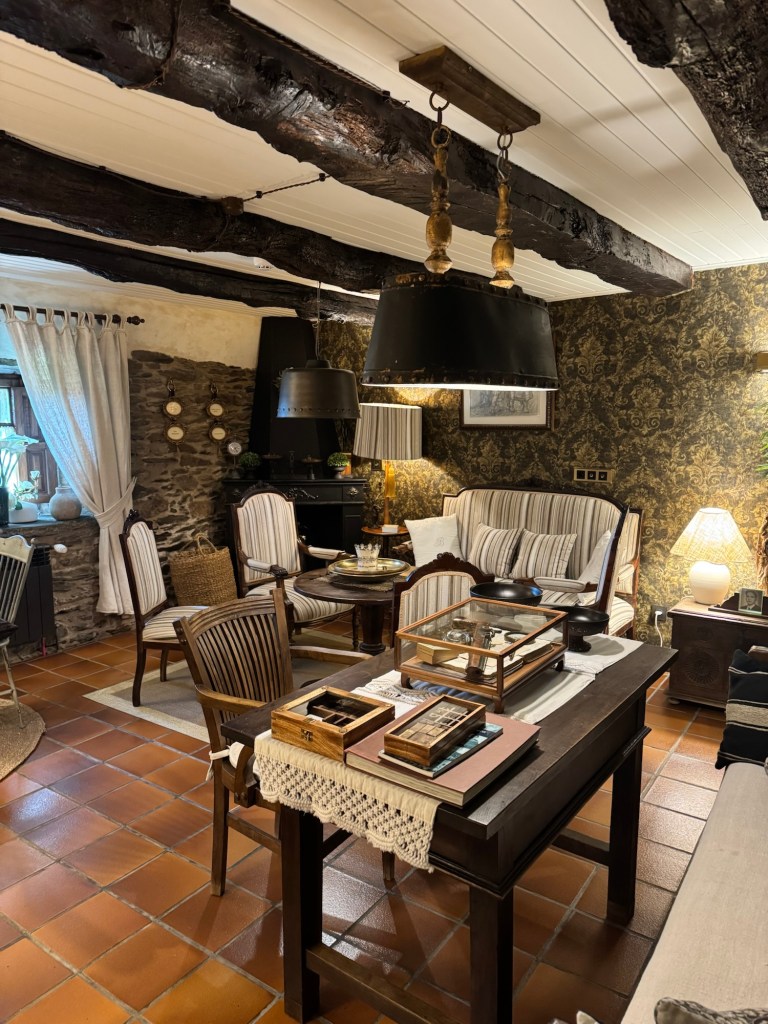
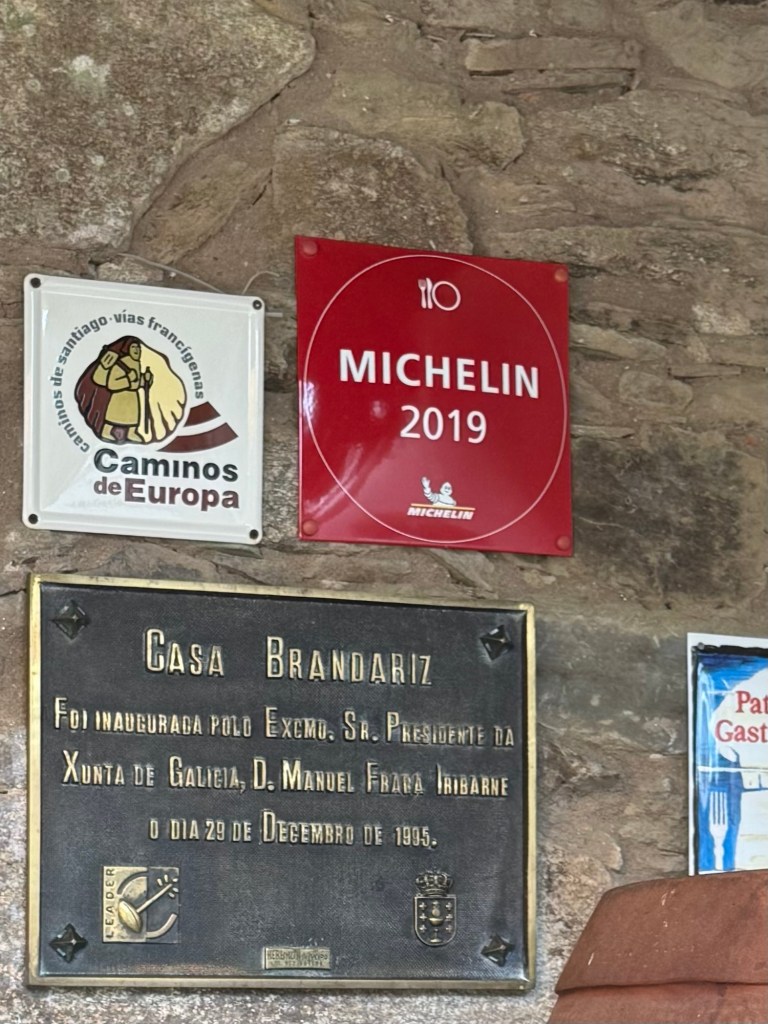
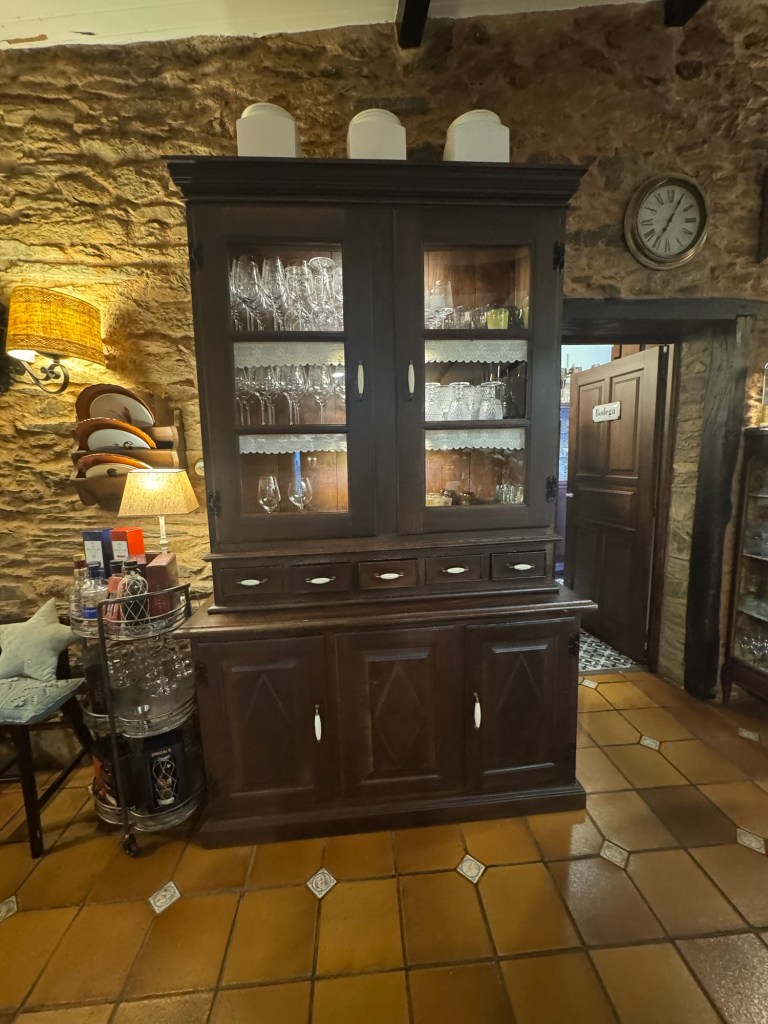
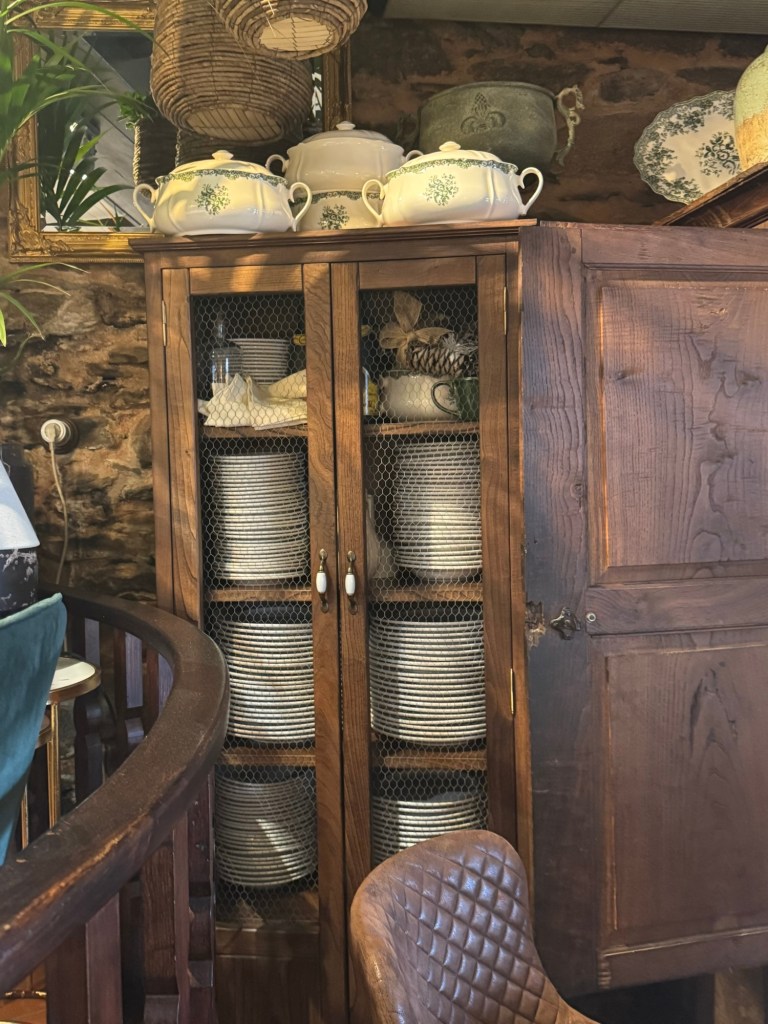
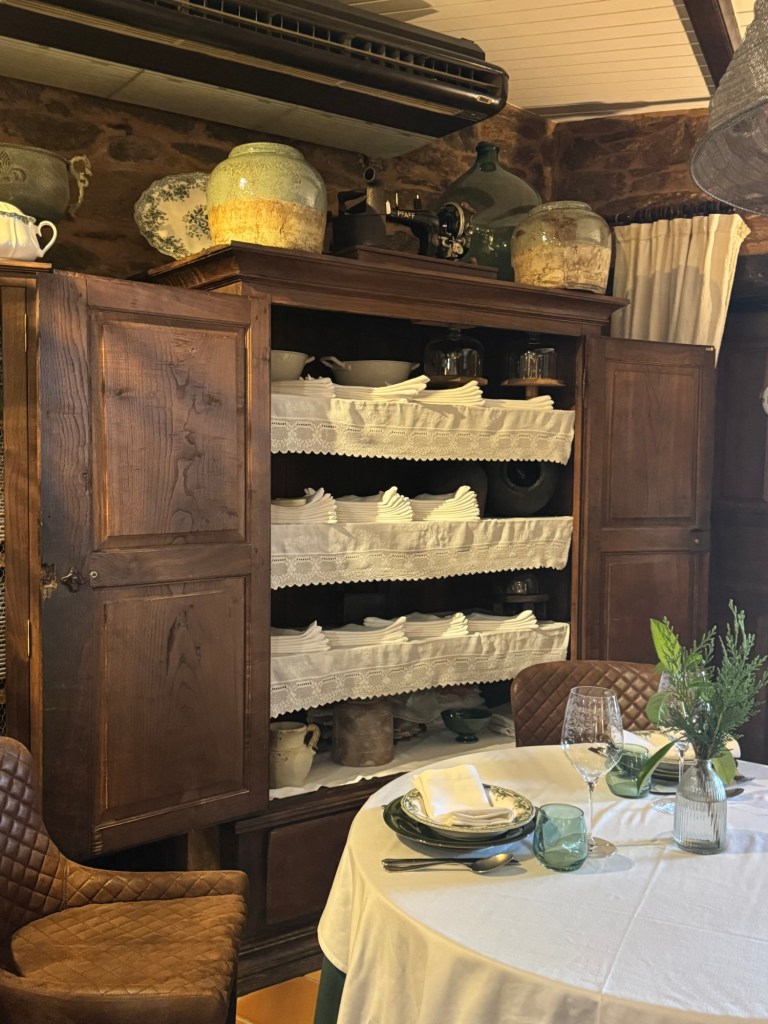
Casa Brandariz dates back to 1523. It was a rural farmhouse that has been restored for modern day life, while maintaining the historical details and charm. The fountain we sat in front of in the dining room was a source of water for the horses.

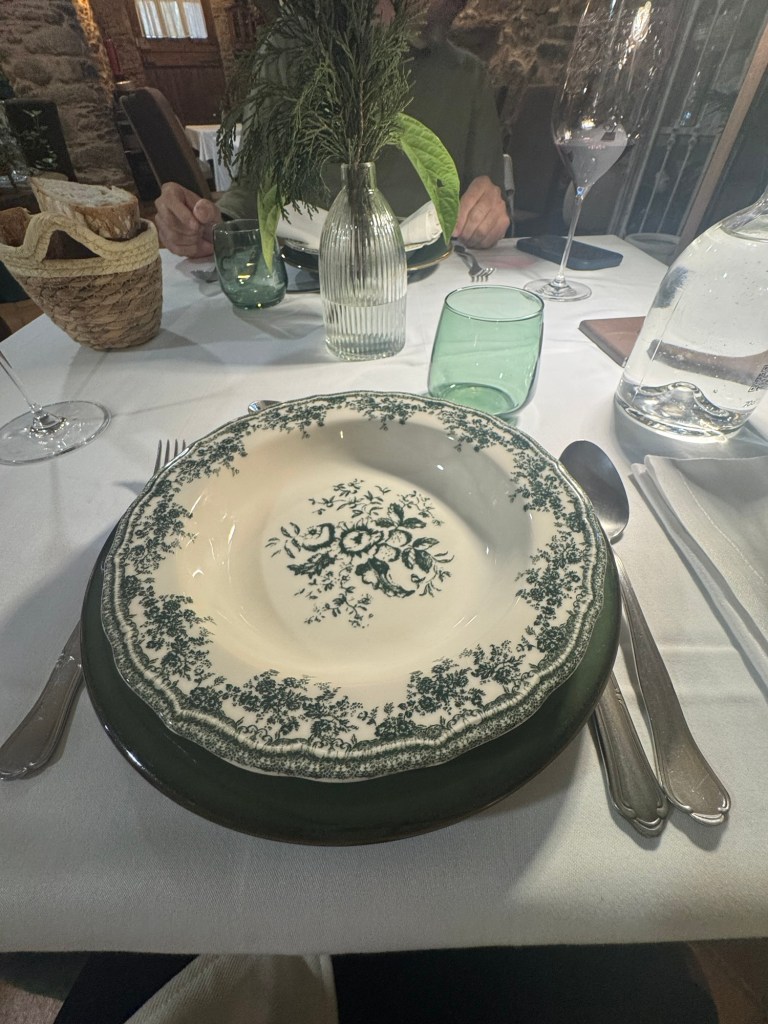
The house is now a hotel and restaurant. The restaurant is in the Michelin registry of restaurants and it did not disappoint.
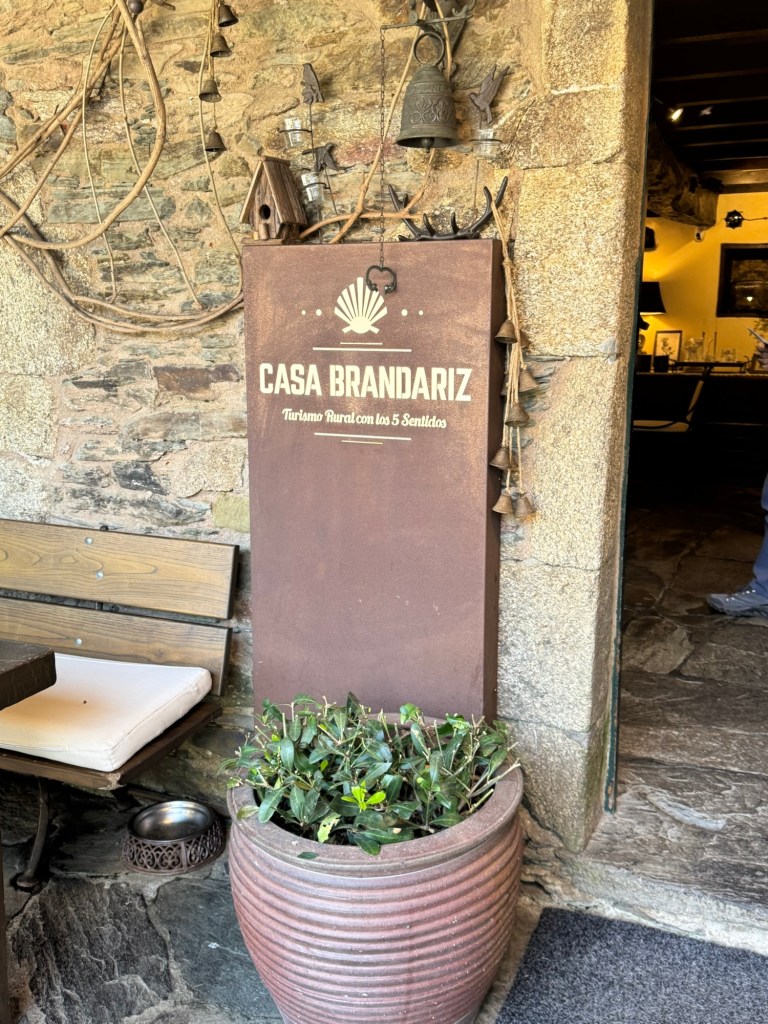
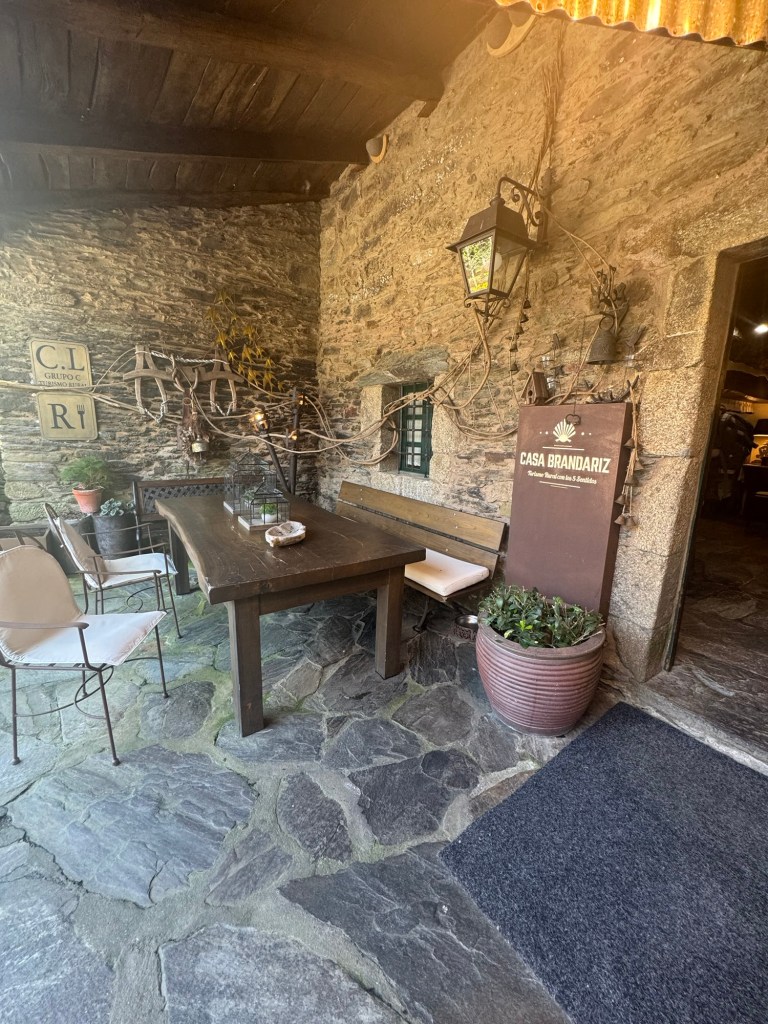
Staying at the Casa Brandaris was the perfect ending to our third day on the Camino. Getting a full-body massage upon arrival, eating a delicious meal with good wine, and a restful night’s sleep would assure a good start to our next day. The journey awaits.

Here are some more photos of the day.
Sarria: The Beginning of Our Camino Journey

We arrived at Santiago de Compostela today. Our long awaited trip to the Galician region in northern Spain to start our pilgrimage greeted us with a glorious 48 degrees, a welcome cool temperature from the usual balmy heat of south Florida. A rainy day could not ruin our excitement. If it rains tomorrow it will be part of the adventure during our first day on the Camino.
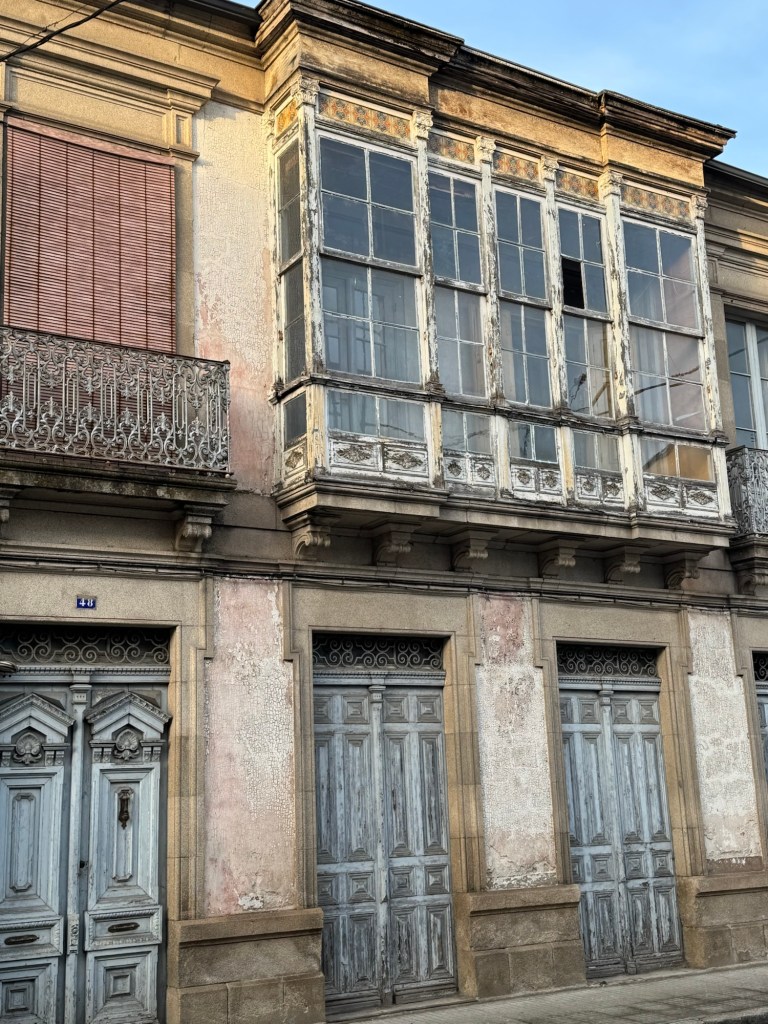
A car service awaited us and we were transported from the Santiago airport to Sarria, our starting point on the Camino. As the driver chatted away about politics and life in Spain versus the U.S., I took in the scenery. Beautiful countryside, rolling hills, small towns with modern buildings intertwined with ancient farmhouses. The occasional pilgrim walking the Camino in the rain added to the idelic scene. This route would be our path starting tomorrow, and it suddenly became a daunting task. An hour and a half drive to Sarria covered 73 miles. We will be walking those 73 miles within the next five days. Can we do this?

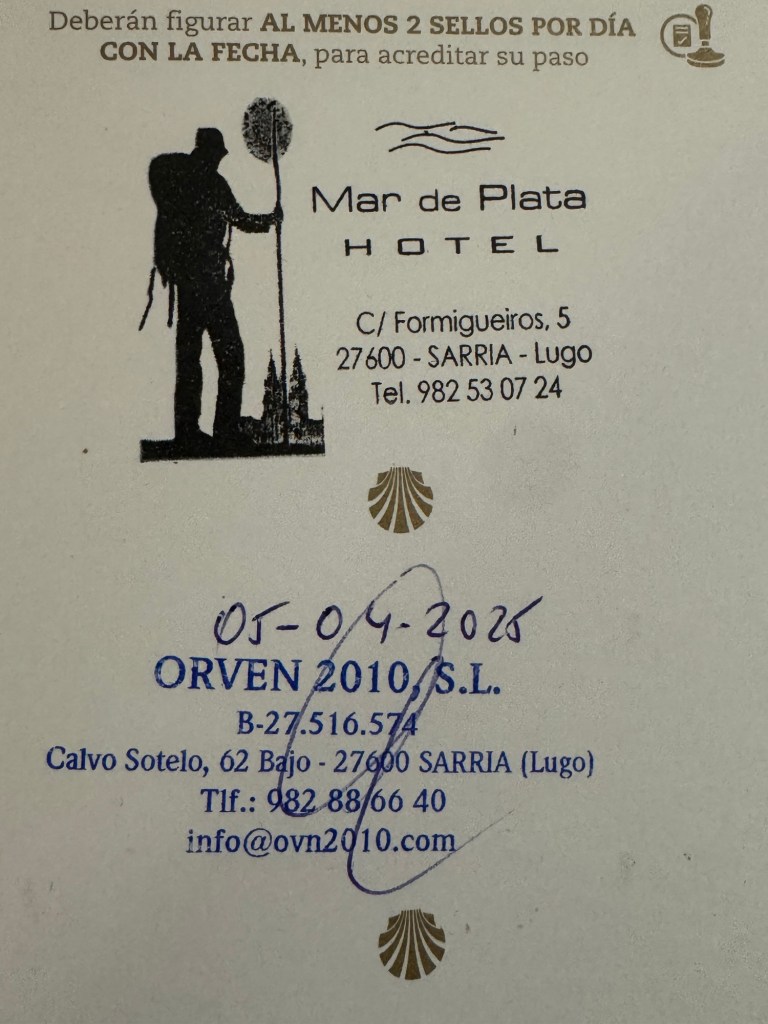
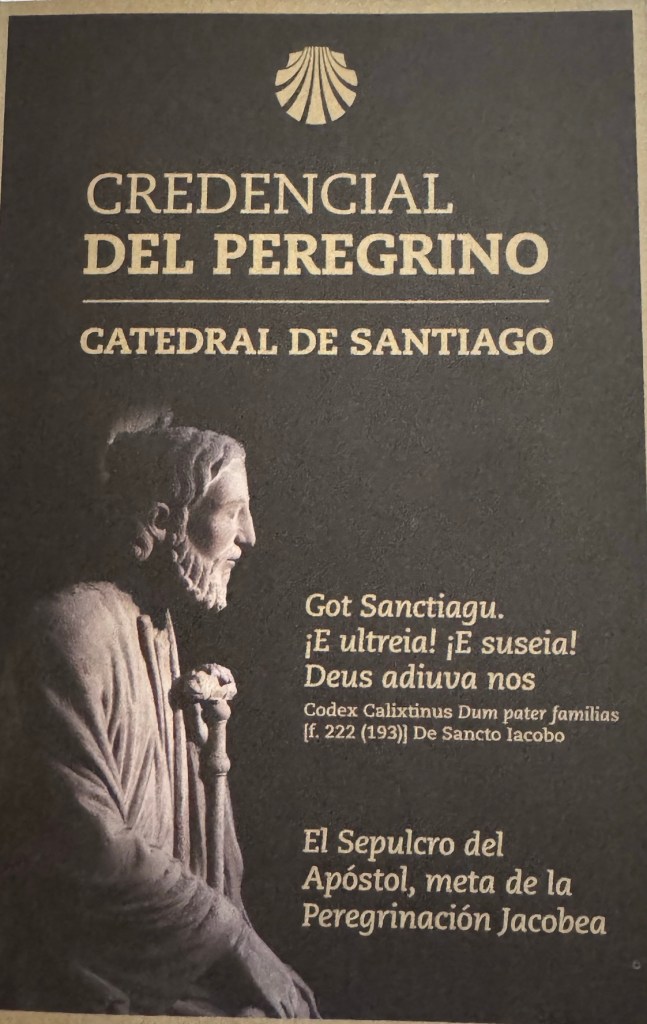
We arrived at Sarria exhausted from the long travel day, but ready to explore a little before turning in to rest for the walk ahead. Our hotel, Mar de Plata, was modern, with a spacious room and very clean. We received our Camino passports which every pilgrim carries throughout the walk. We must have two stamps from every stop along The Way, to receive the coveted Santiago de Compostela certificate at the end of the journey. We now have our first two stamps, one from the hotel, the other from a hardware store. We learned that many of the town establishments provide the stamp. Each is unique to the place and some stamps are signed, to add an official touch to the tradition.

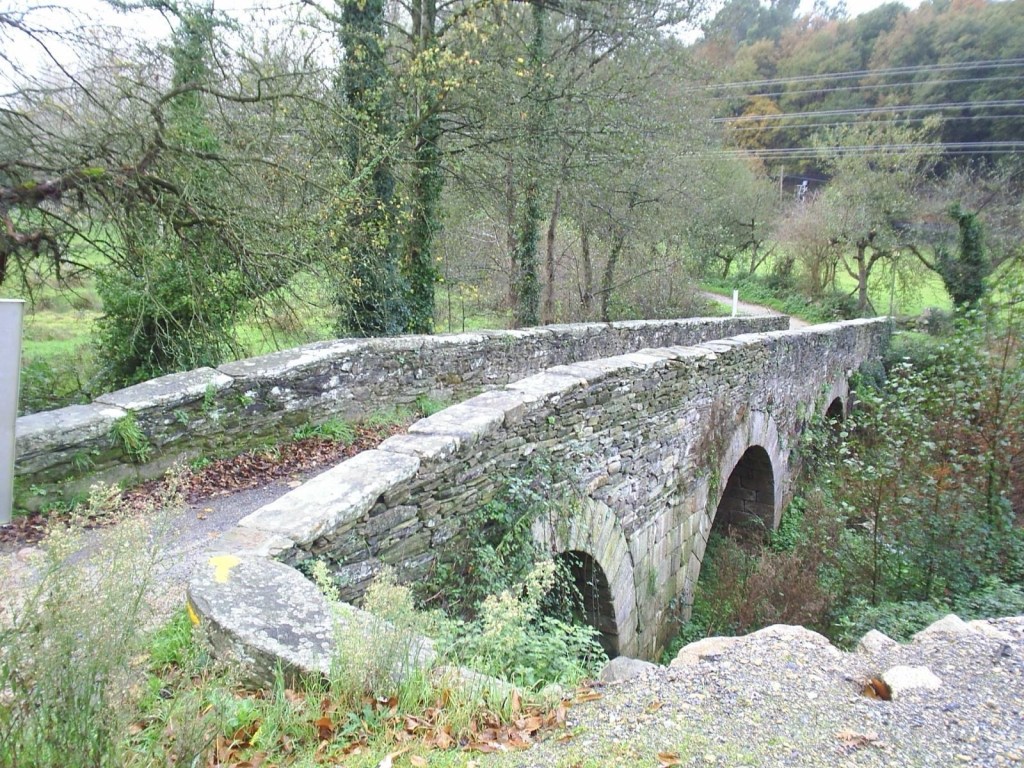
Sarria is a small but historically rich town located in the province of Lugo, in the community of Galicia, Spain. It sits in the lush green hills of northwestern Spain and is renowned for its popular role as a starting point for the Camino de Santiago. It’s around 115 kilometers from Santiago, the minimum distance required for pilgrims to earn the Compostela certificate, making Sarria one of the most popular spots to begin the journey. The history of Sarria dates back to Roman times, and you can still see remnants of that era, including ancient bridges and roads. In medieval times, Sarria was an important town, thanks to its strategic location along the Camino. Its growth was influenced by the religious significance of the pilgrimage route.

While exploring the town I was surprised by the many shops, boutiques, large markets, restaurants, and small cafe bars where the locals meet. We stopped at a hardware store, the one where we received the second stamp on our Camino passport, when we saw in the store window the iconic seashell, the symbol of El Camino. We bought two to hang from our backpacks.

The people we’ve encountered so far are friendly and kind. Locals embrace the tourists and pilgrims who visit for a short one night or a couple of days stay passing through on the Camino. The importance of this pilgrimage is not lost on all who live along the Camino route. Pilgrims are held in great reverence for the walk that has been taking place for over 1000 years. We felt that reverence with every person who wished us a “buen camino.” This is the official greeting to all who walk the way of El Camino. We anxiously anticipate what tomorrow brings when we start our journey.

The Way to a Dream

In 2016, we launched this blog with a simple but powerful dream: to walk the Camino de Santiago. Today, as we step into 2025, we’re only three months away from turning that dream into reality.

The Camino de Santiago, also known as The Way, is a legendary pilgrimage that traces its roots back over a thousand years. It begins in the Pyrenees in Saint-Jean-Pied-de-Port, France and winds its way through northern Spain to Santiago de Compostela. The full journey spans 800 kilometers (500 miles) and is known for its physical challenges and transformative power. While most people take a month or more to complete the entire route, our lives—busy with work and the realities of being in our 60s—don’t allow for that kind of time off. So, we’ve chosen a compromise: we’ll walk a shorter segment that still gives us the opportunity to fully experience the essence of the Camino and earn the revered Compostela certificate at the end—a cherished memento of our personal pilgrimage and the deep reasons that led us to walk this path.

Our journey will begin in Sarria, Spain, one of the final starting points for pilgrims. Over the course of six days, we’ll walk between 12 and 17 miles a day, covering a total of 72.7 miles. The thought of it is both exhilarating and a little daunting—are we ready? Not by a long shot! But are we excited? Beyond measure. We can’t wait to begin, and we hope to share the details of our adventure with you through our journal, capturing not just the day-to-day experiences but the emotional and spiritual journey as well.

This isn’t just a physical trek for us—it’s a deeply personal experience, one that we’re thrilled to share as a couple. We’re joining millions of pilgrims who have walked this historic route, each with their own reasons and stories. Our story is about stepping into something larger than ourselves, and we invite you to join us on this meaningful adventure.

Here’s a link to our very first Camino blog post. We’re in awe of how close we are to reaching this life-changing goal. The countdown begins- 94 days to the start of our journey.

Happy New Year!

EXPLORING OREGON – The Devil’s Punchbowl

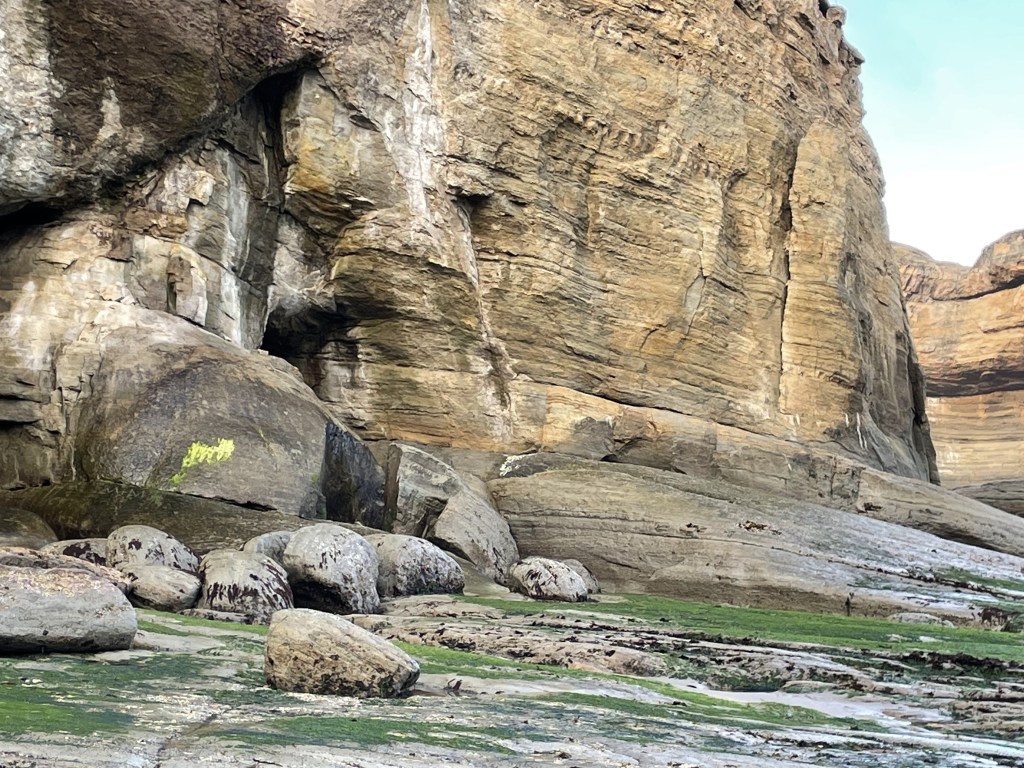
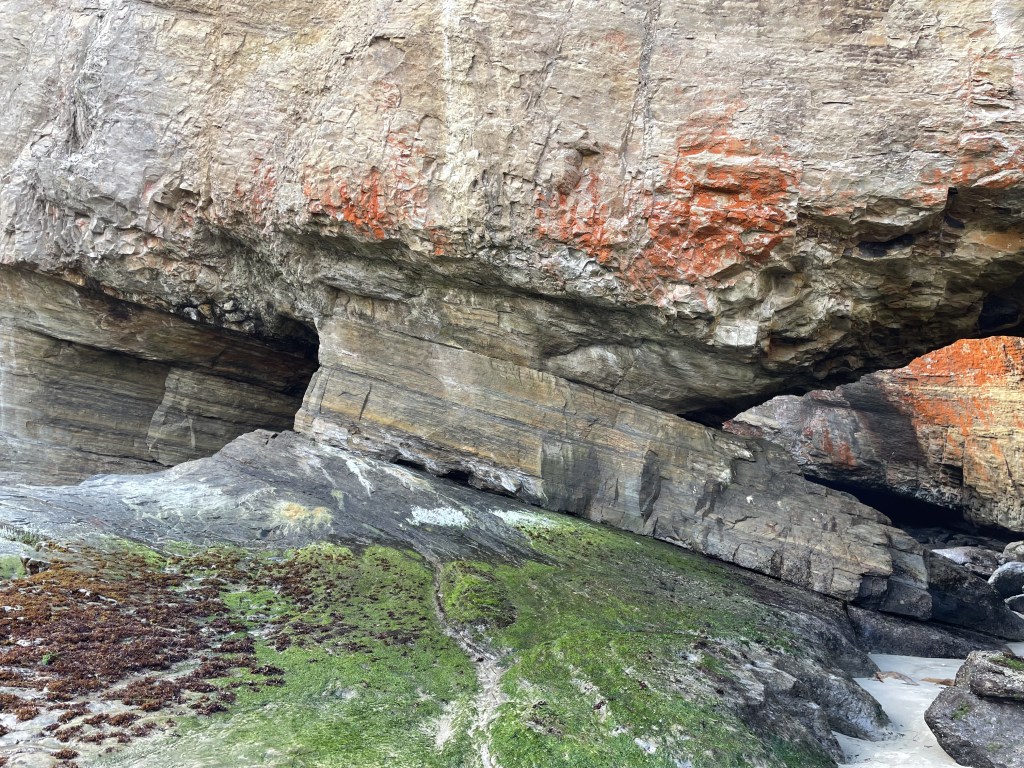
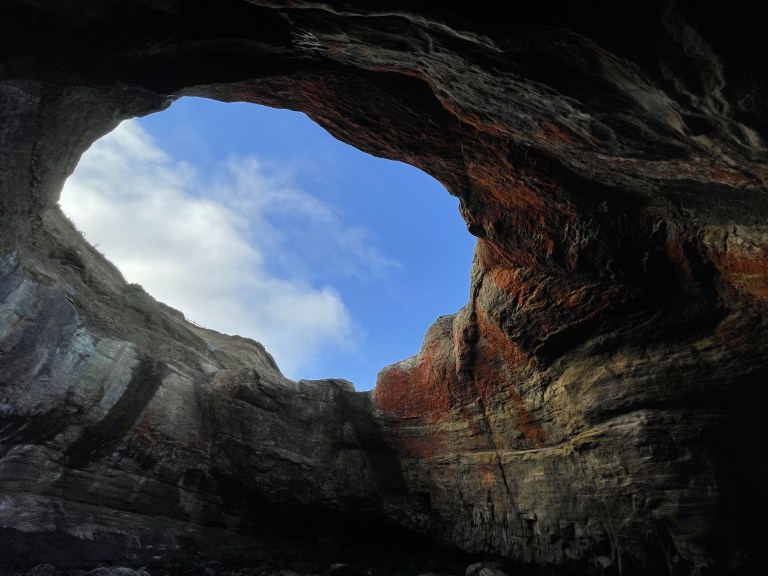
The Devil’s Punchbowl is a breathtakingly beautiful natural wonder that will leave you in awe. Located on the picturesque central coast of Oregon, this incredible geological formation is a stunning sight to behold. As you approach the area, you can hear the sound of the waves crashing against the rocky shoreline, beckoning you to come and explore.

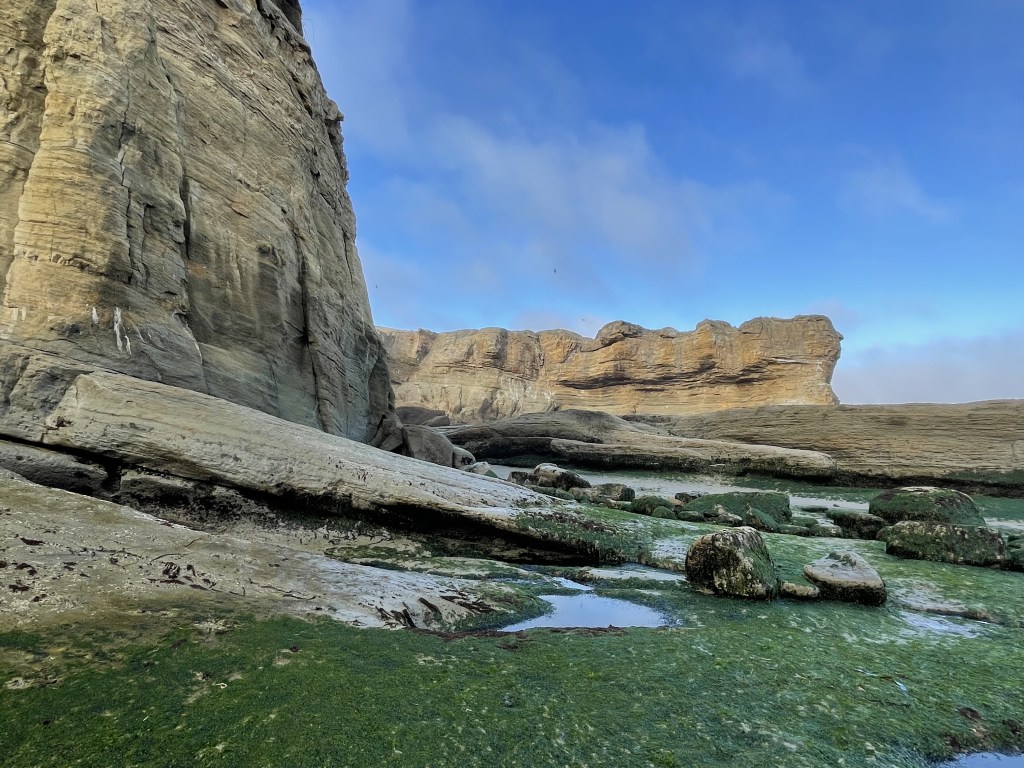
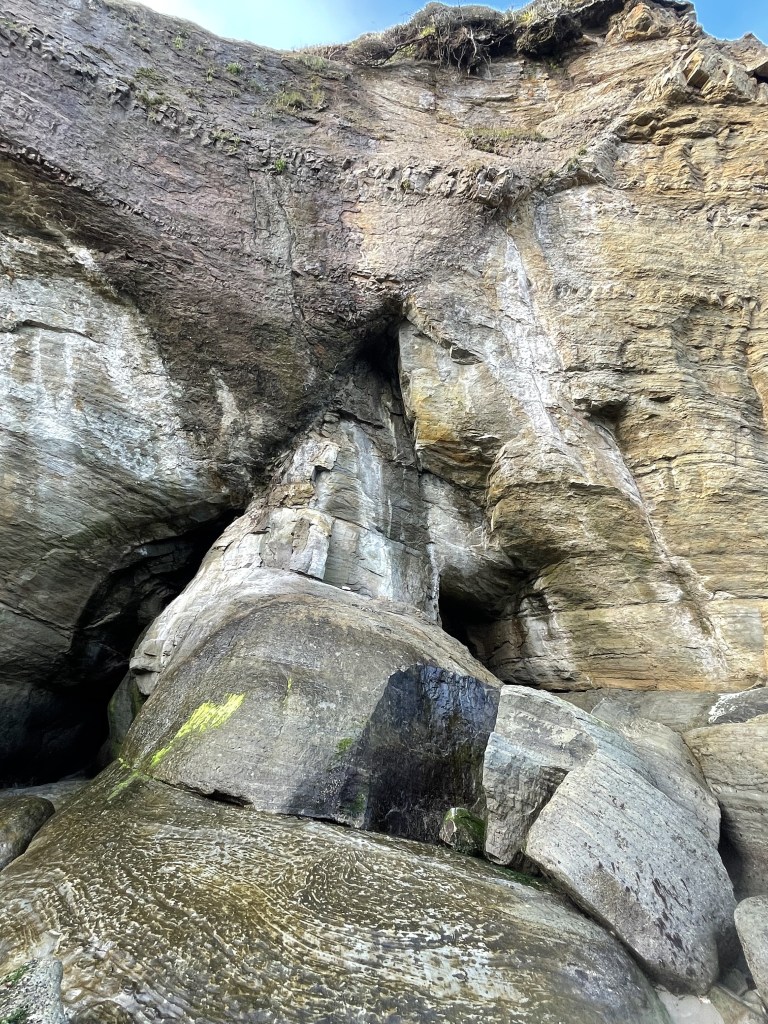
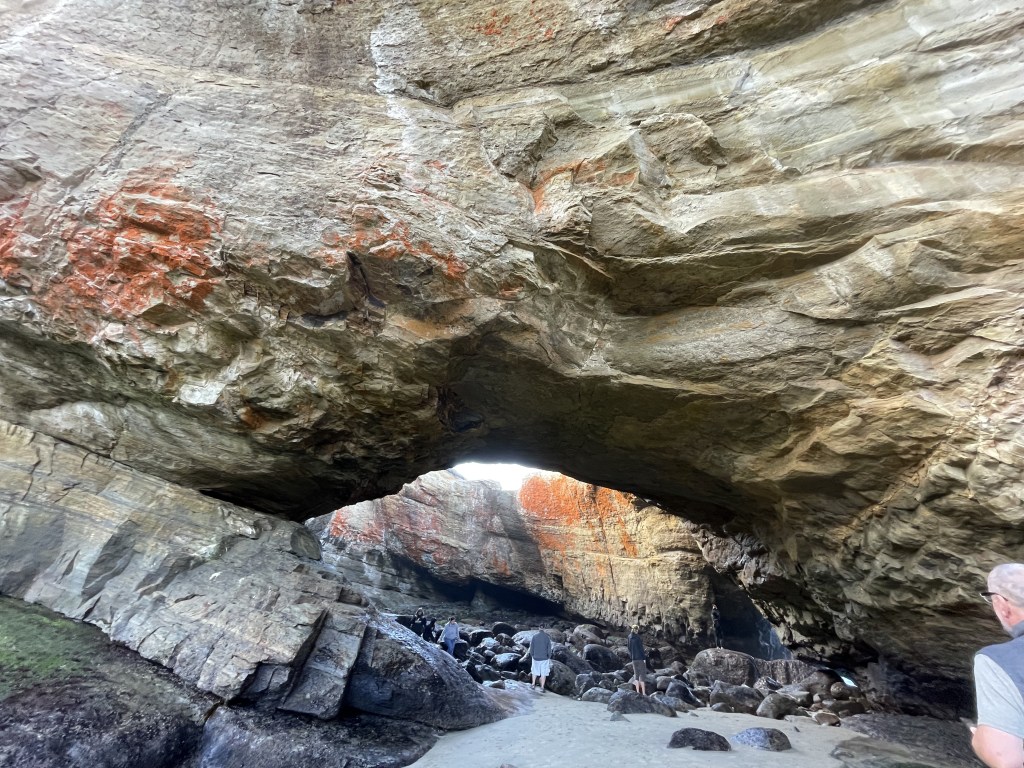
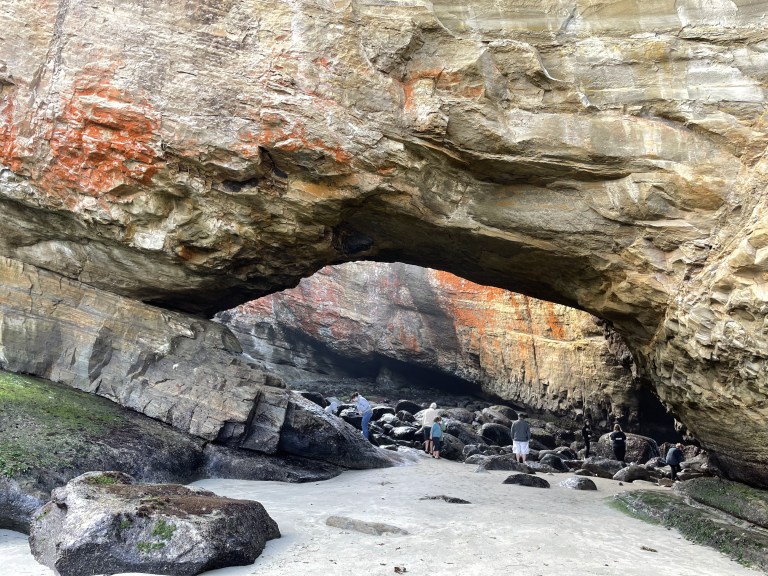
The Devil’s Punchbowl is a massive sea cave that has been carved out of the rocky cliffs by the relentless force of the Pacific Ocean. The cave is roughly 100 feet in diameter, and the sheer power of the ocean has created a natural amphitheater that is both stunning and humbling. The rocks around the cave have been smoothed over time, and the swirling patterns carved into them by the waves are a testament to the raw power of nature.

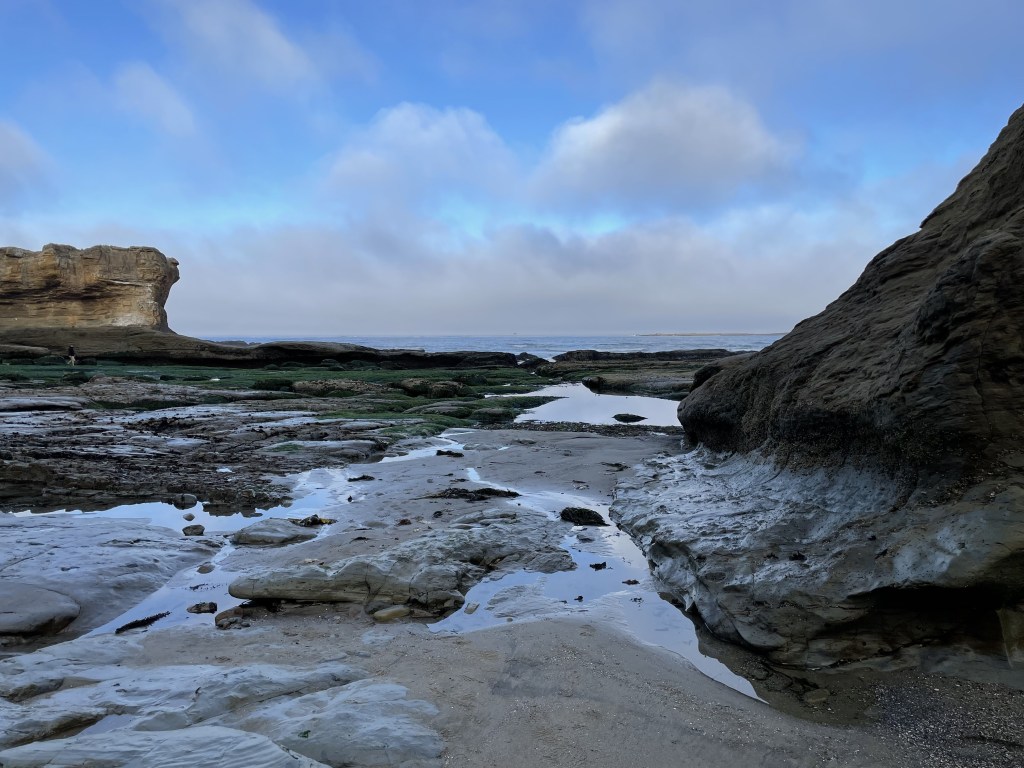
What makes the Devil’s Punchbowl so unique is its accessibility, or lack thereof. The cave is only accessible during low tide, which means that visitors have to time their visit correctly to see it. During high tide, the seawater fills up the cave, creating a turbulent swirling effect that is both mesmerizing and powerful.

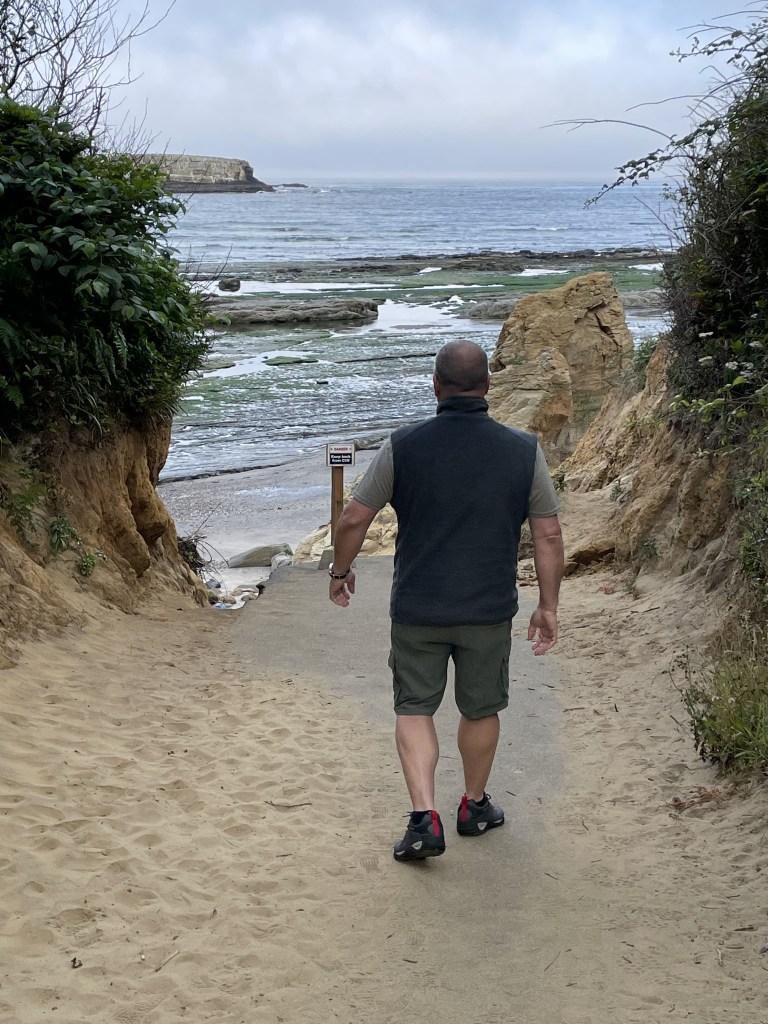
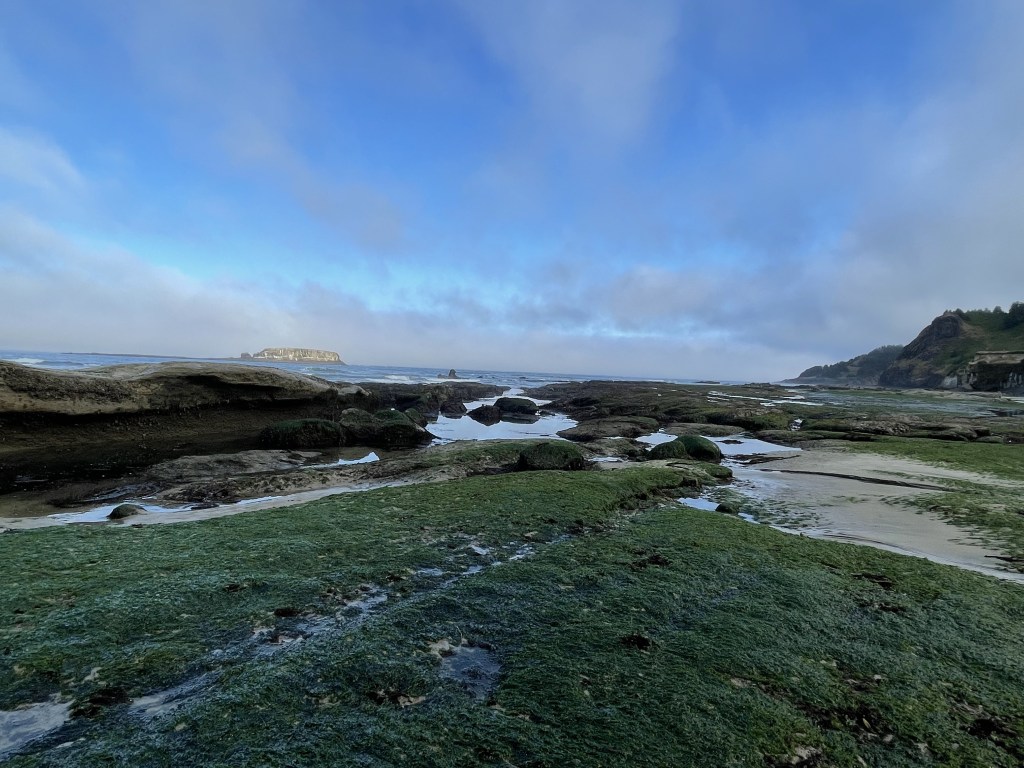
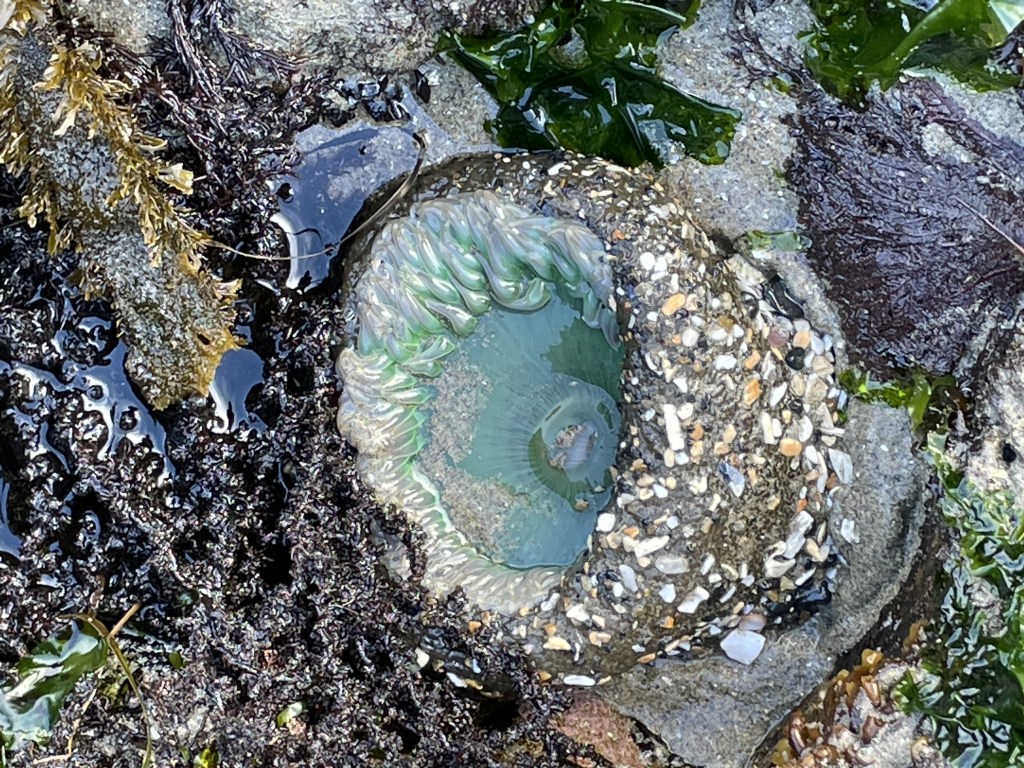
To reach the Devil’s Punchbowl, visitors must hike down a well-maintained trail from the nearby parking lot to the beach. The trail offers stunning views of the coastline and is an easy to moderate hike that is suitable for all skill levels. Once you reach the beach, you can explore the tide pools and watch the waves crash against the rocky shoreline. The sound of the waves and the salty sea air make for a truly immersive experience that will stay with you long after you leave.

For the more adventurous, there are guided kayak tours available that take visitors inside the Devil’s Punchbowl cave. The tour guides are knowledgeable about the area’s history and geology and provide an unforgettable experience. As you paddle into the cave, the sound of the waves echoes off the walls, creating an otherworldly atmosphere. The experience is both exhilarating and calming at the same time, as you feel the power of the ocean all around you.

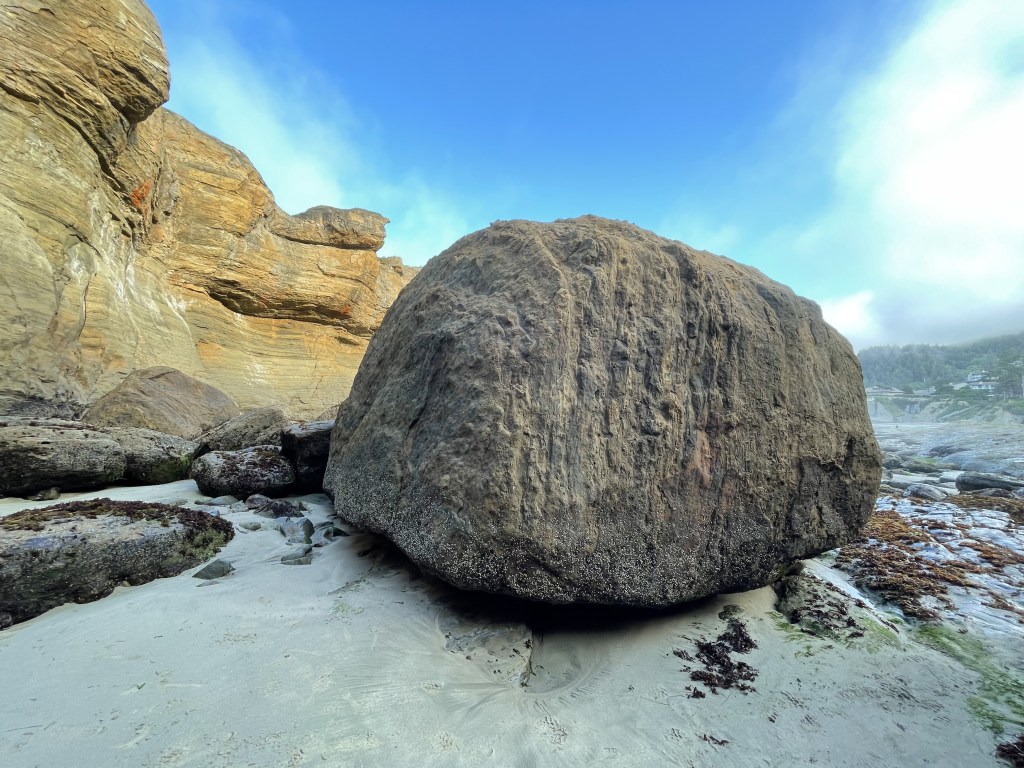
As you wander through the rocks the terrain feels surreal. There is so much to explore and so much sea life now visible at low tide. Shells, agates, muscles, sea urchins, starfish, and so much more ready to be discovered. There were many explorers this early morning, both young and old. We were surprised to find a young guide, a college student volunteer, who was a great source of information on the area’s eco system.

The Devil’s Punchbowl is not just a beautiful natural wonder but is also steeped in history and legend. According to local folklore, the Devil’s Punchbowl was created by the Devil himself, who, in a fit of rage, punched a hole in the earth and let the ocean flow in. While the geological explanation for the cave’s creation is a little less exciting, the myth adds to the area’s allure and makes it an even more intriguing destination.

Overall, the Devil’s Punchbowl is a stunning destination that offers visitors a unique experience that they won’t find anywhere else. The combination of natural beauty, history, and folklore makes it a memorable destination for adventurers and nature lovers alike. We will never forget this magical spot. It was my favorite, and I wish I had spent more time there.

Whether you choose to explore the tide pools or take a guided kayak tour, the Devil’s Punchbowl is a destination that should not be missed on your next trip to Oregon.

EXPLORING OREGON – Goonies Never Say Die!

As a diehard Goonie geek, this title seemed perfectly fitting for the start of our Oregon adventure. This is my first time traveling to the west coast of the U.S., and I am already in love on day one of our trip.

We begin our Oregon journey in Astoria. Founded in 1811, Astoria is known for much more than the home of the iconic 1980’s film The Goonies. Astoria sits on the Columbia River near the Pacific, and was named by its founder John Jacob Astor, a fur trader from New York. Astoria grew to become an important port city, attracting Swedish and Chinese immigrants in the late 19th century to work in fishing and cannery jobs.

Through the early 1900’s, Astoria’s economy depended on fishing, fish canneries, and lumber, with the North Pacific Brewing Company significantly contributing to Astoria’s economy as well. Today, logging and fishing are still strong, but Astoria’s growing art community, tourism, and light manufacturing are the main economic means of the city.

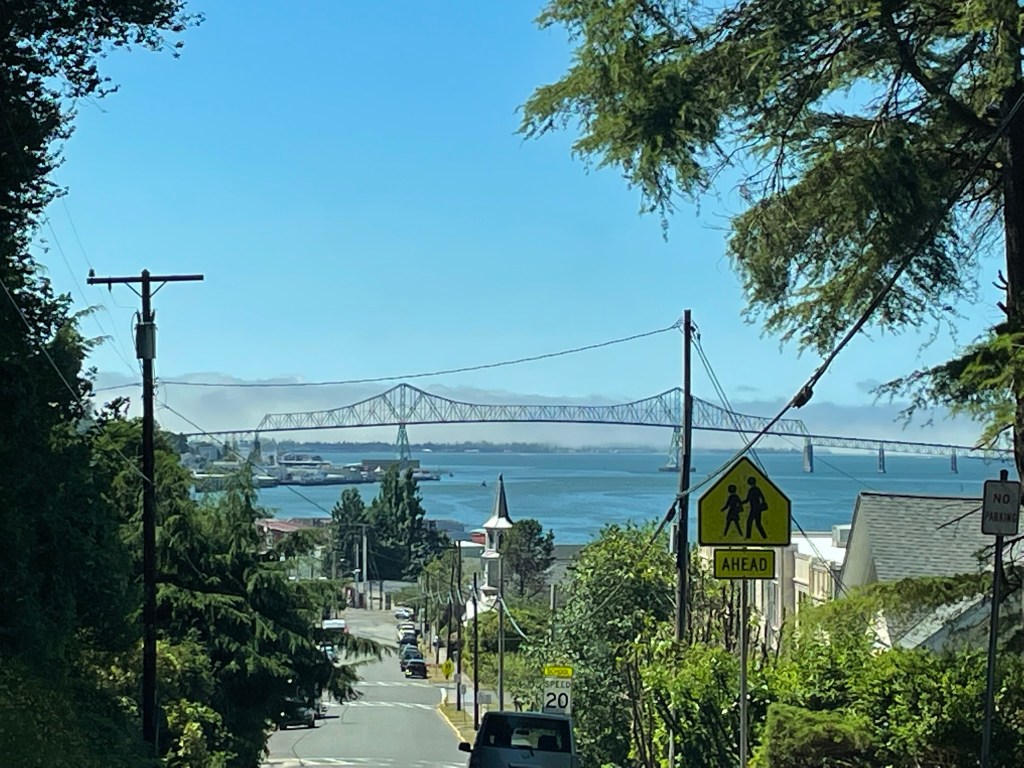
As you approach the city you are greeted by a charming view of hillside homes and the impressive Astoria-Melgar bridge. The Astoria-Melgar bridge is the second longest continuous truss bridge in the world and stretches from Astoria to Point Ellice, Washington.

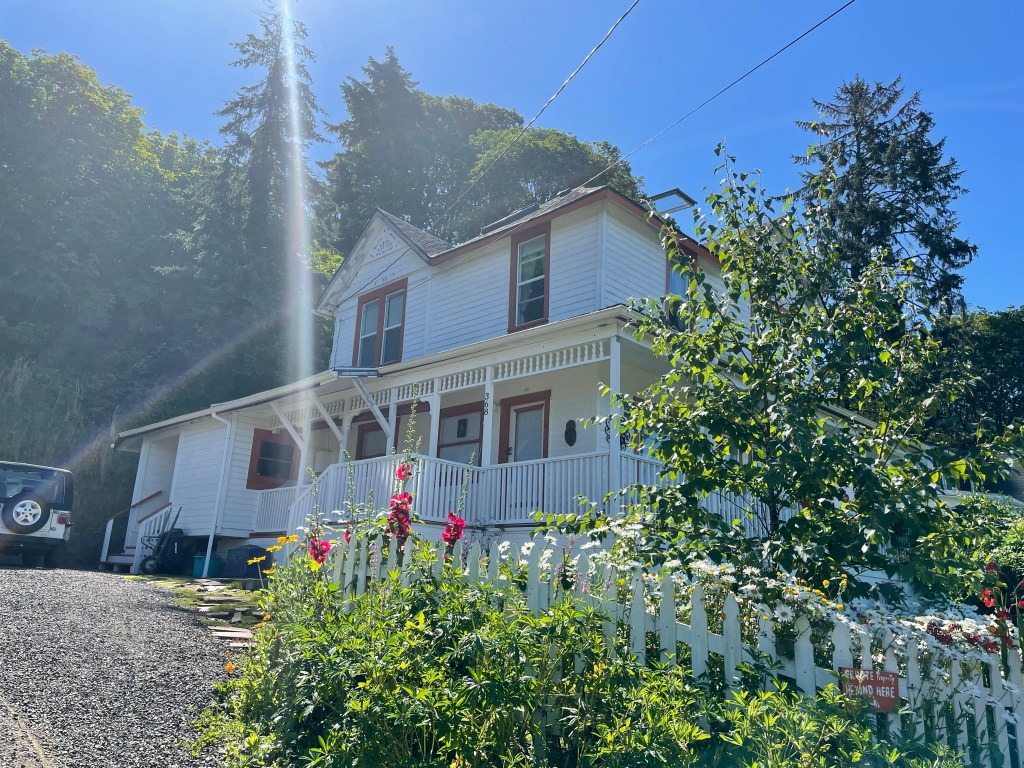
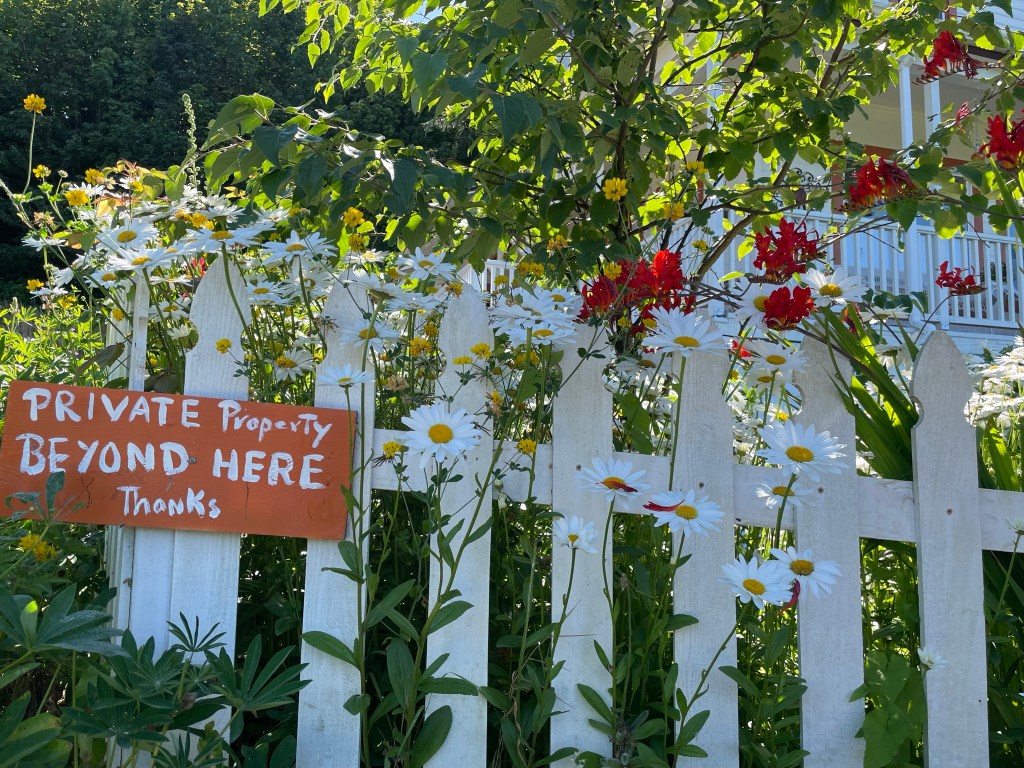
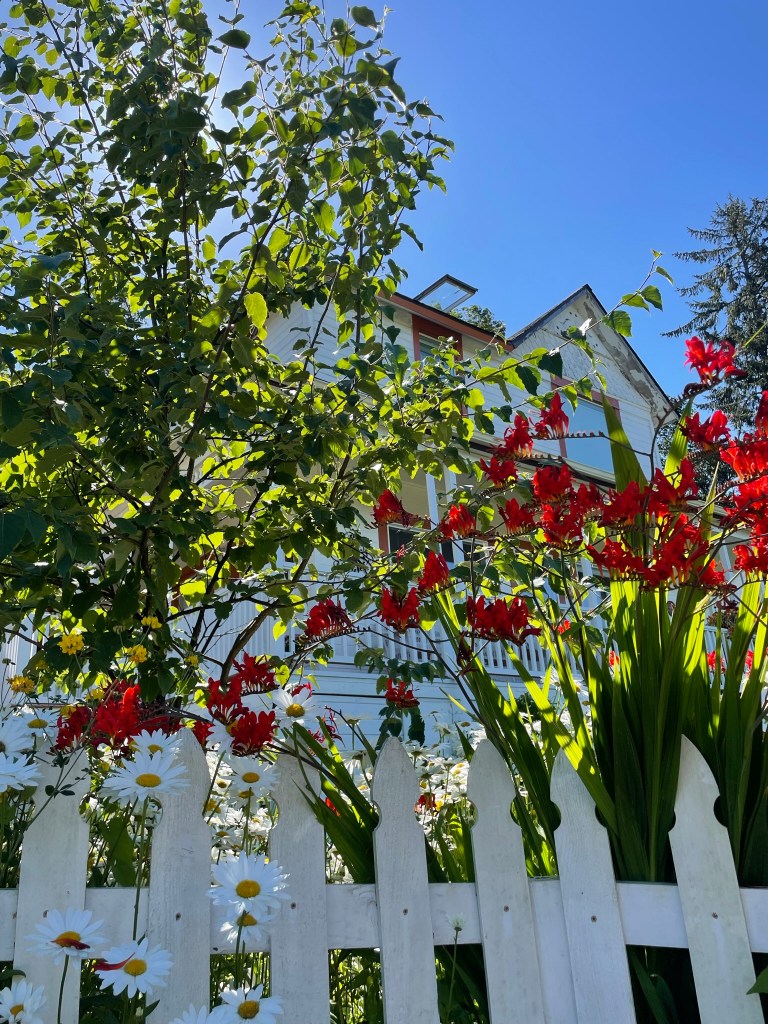
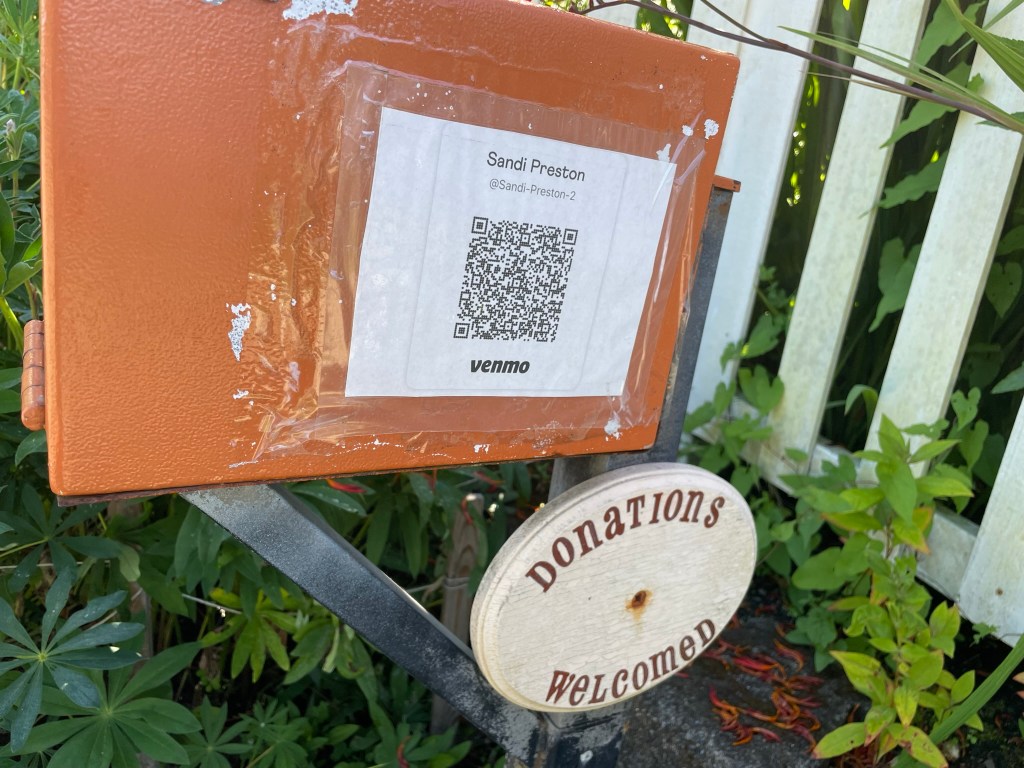
We headed straight to the Goonies house. Imagine living in the house made famous by a popular film. The owners are kind to accommodate Goonie obsessed fans like me by allowing visitors to walk up to the house for a closer look.

I can almost see Mikey, Brand, Data, Mouth, and my favorite, Chunk scheming their pirate treasure adventure.

As a true Goonie fan, I wore a Goonie t-shirt (don’t judge) to properly explore Goonie movie sites. Next on the Goonie tour we visited the county jail, where Jake Fratelli planned his escape with the help of Mama and brother, Francis Fratelli. The movie jail is the old Clatsop County Jail that became the Oregon Film Museum in 2010 at the 25th anniversary of the film. For a $6 entry fee, the museum features exhibits and memorabilia from films made in Oregon. Visitors can also create their own short films in the exhibits featuring sets and green screens. At the end of your visit, you can purchase souvenir items at the museum shop.

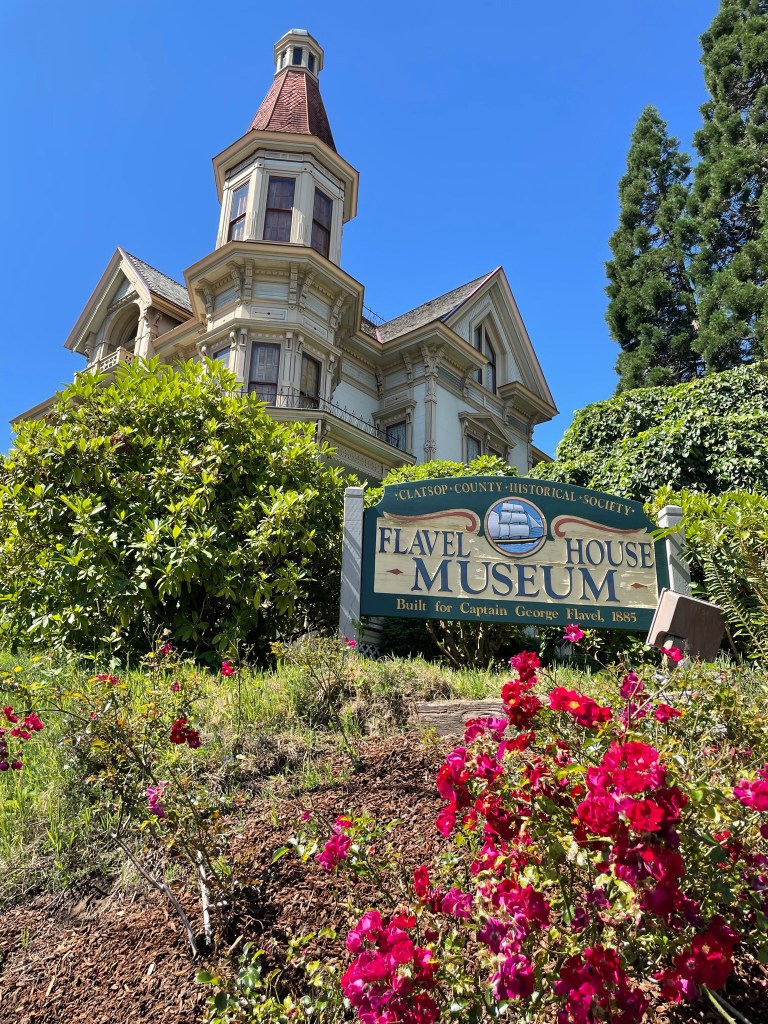
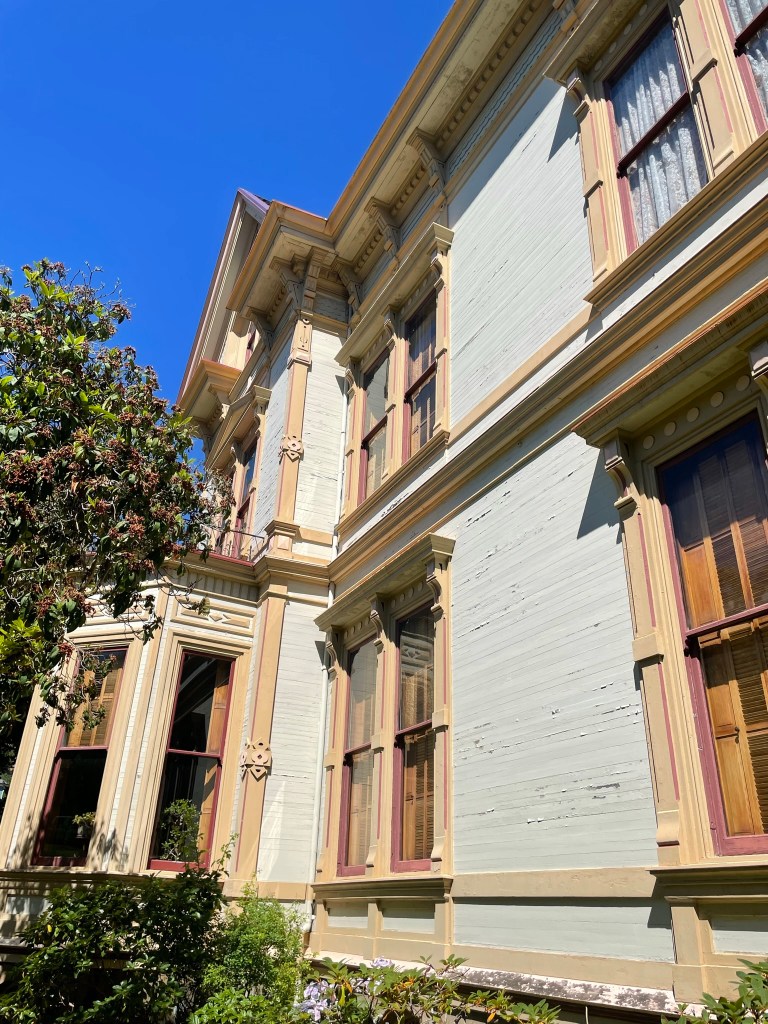
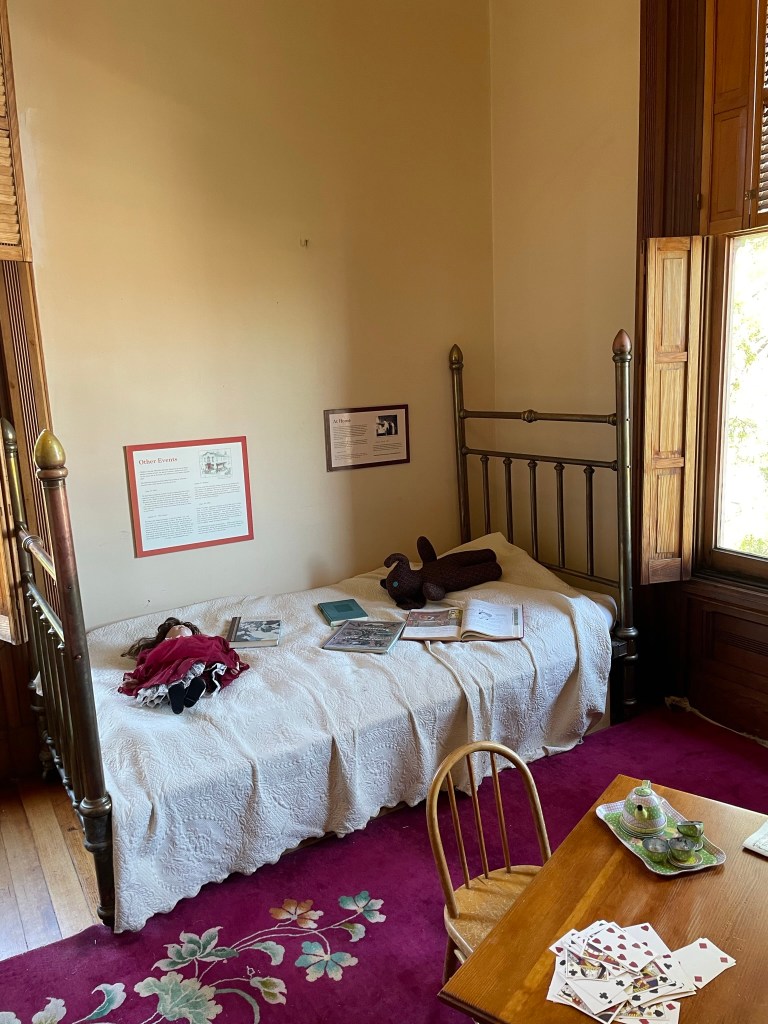
Right next to the jail is the Flavel House Museum. This Victorian beauty was featured in the Goonies as the museum where Mikey’s dad worked as a curator. The Flavel house was home to Captain George Flavel, who built his home from 1884 – 1886. Flavel was a beloved man in the community for his kindness, integrity and support of Astoria residents. As a successful entrepreneur and bar pilot, guiding ships navigating through the mighty Columbia River, he was the first millionaire of Astoria. He lived in his stunning home with his wife Mary Christina Boeling, and two daughters, Katie and Nellie. The couple also had a son who had married and lived in his own home.

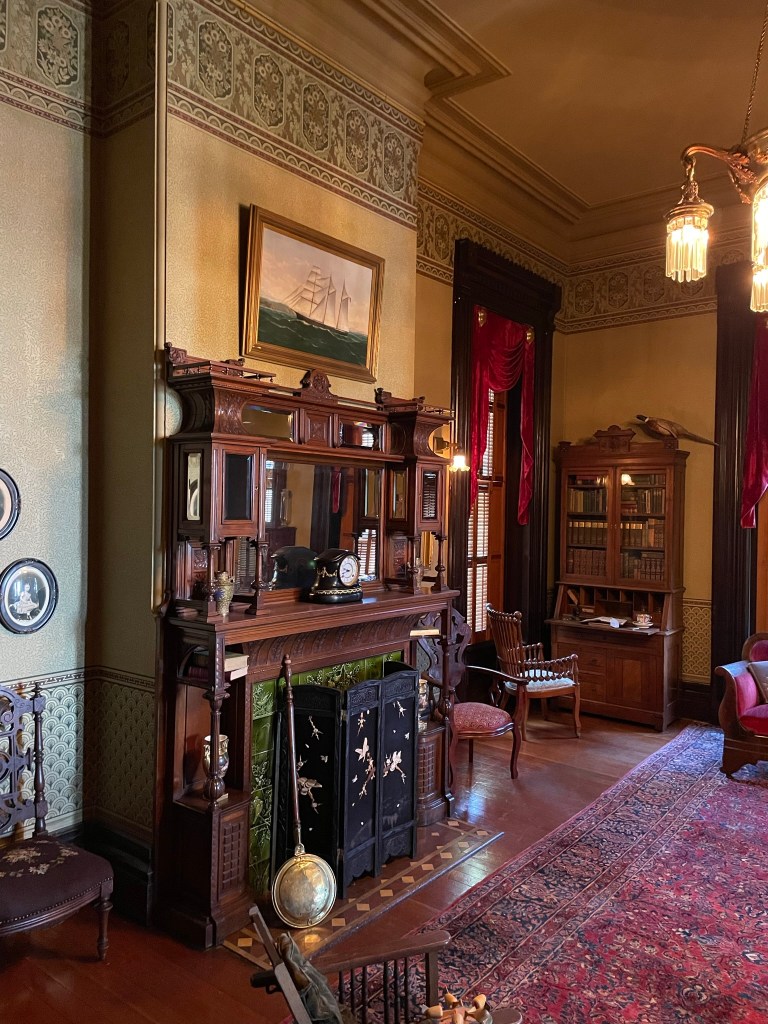
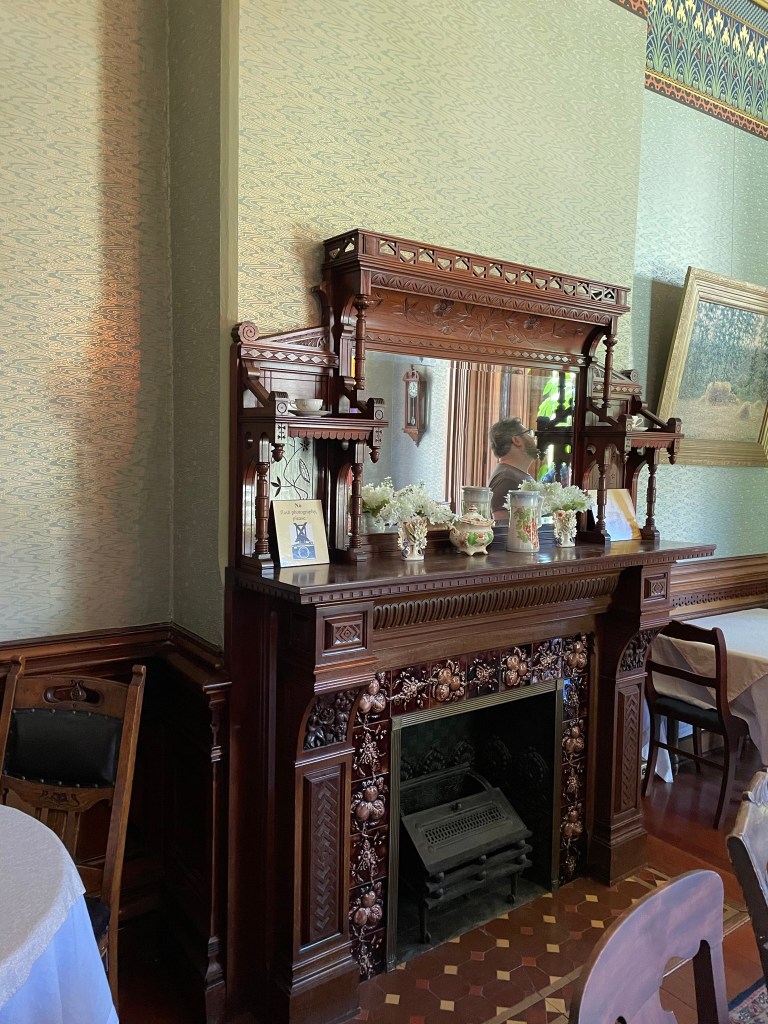
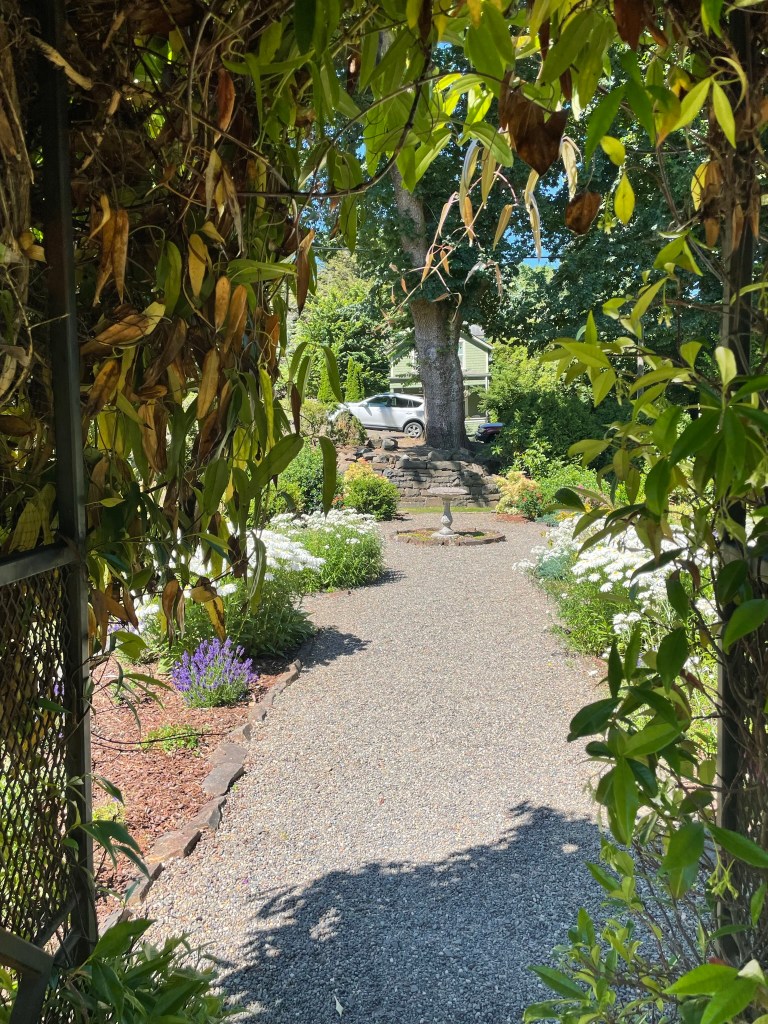
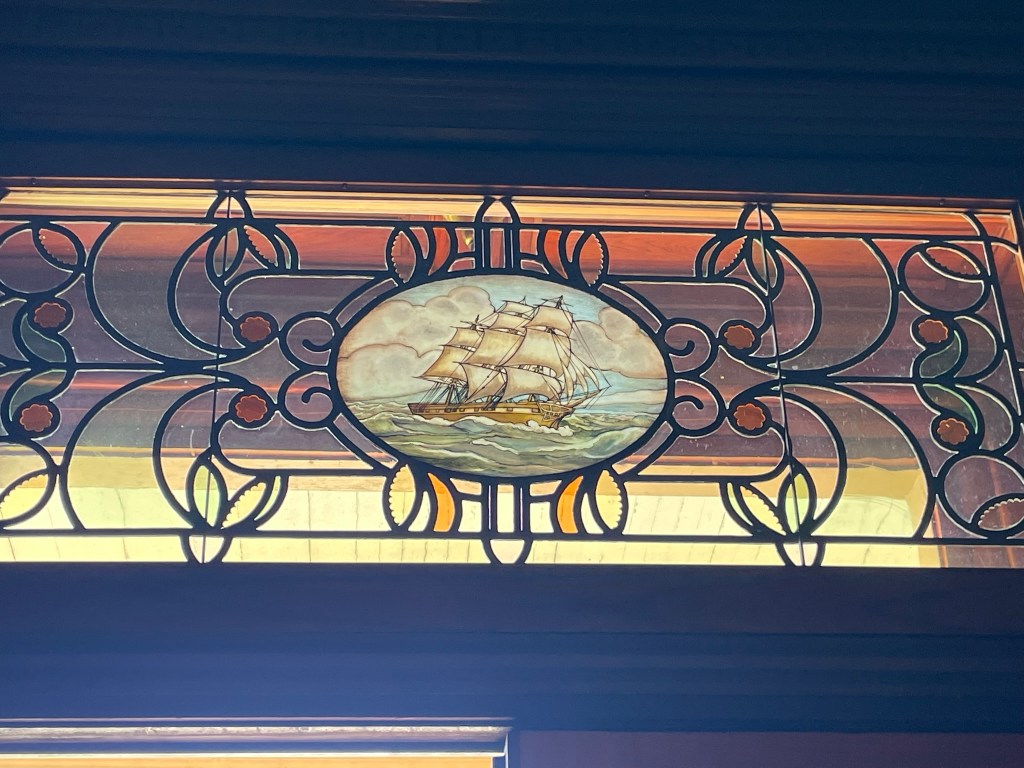
When you enter this magnificent house, you are welcomed by a majestic hall, with formal rooms on either side designed for entertaining. A music room features a grand piano and other instruments, with exquisite furniture pieces demonstrating the wealth of the family. A parlor, dining room, and library complete the front rooms of the house. The kitchen and a bathroom are at the back. A grand staircase leads you to the second floor with five bedrooms and a bathroom. Twelve foot ceilings, elegant fireplaces, carved wood mantels and doors built by master craftsmen have stood the test of time. The Flavel house was fortunately spared by a devastating fire that destroyed most of Astoria in 1922. Today, the Flavel house, along with the beautifully maintained gardens and carriage house, stands proud as one of Astoria’s treasured historical landmarks.

One of the things we are excited to experience on our Oregon adventure is the food scene. Known as one of the best foodie cities in the U.S., we look forward to our visit to Portland in a few days. Along the coast, we are getting our fill of some of the best fresh and locally sourced seafood in the Pacific Northwest. We decided on lunch at the SEA Crab House, where I began my quest for the best clam chowder in Oregon. Stay tuned for the Great Clam Chowder review! My husband has his own quest for the best raw oysters. Both dishes were delectable, and the panoramic view of the Columbia River was spectacular. The SEA Crab House is owned by Patta and Kim, foodies and Thailand natives. SEA stands for South East Asian, combining a fusion of Thai and Cajun flavor for a unique and delicious culinary experience.

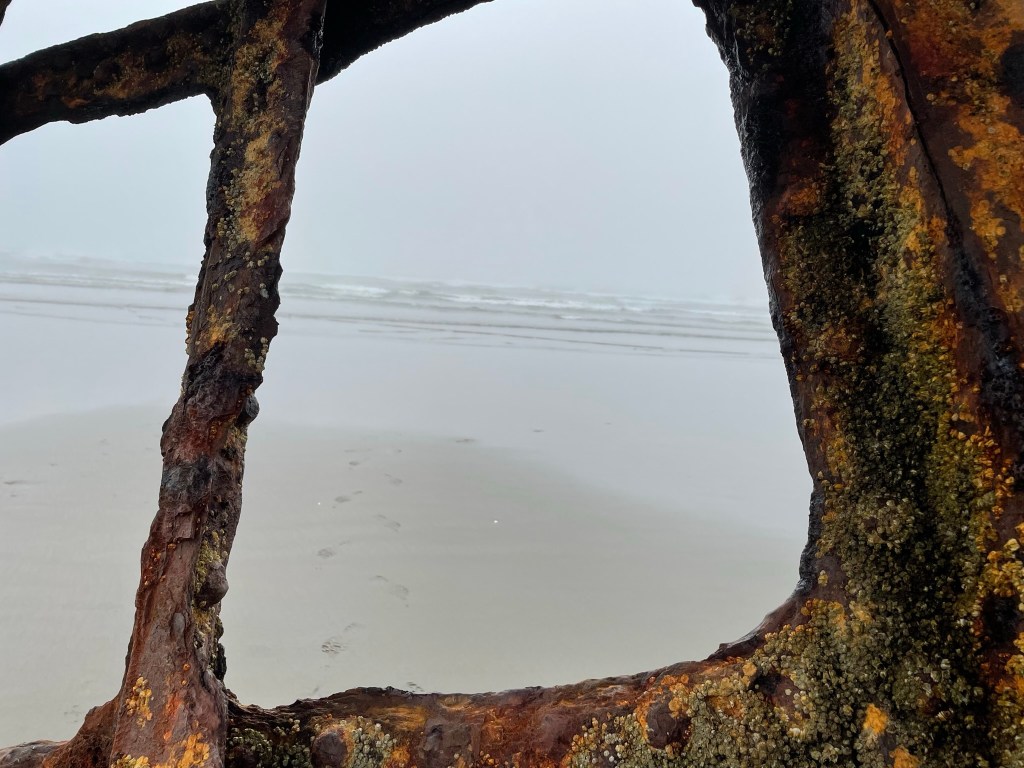
In a true Goonie state of mind, we finished our visit at one of the favorite tourist destinations in Astoria. If shipwrecks excite you, visit the Wreck of the Peter Iredale in Fort Stevens State Park. The Peter Iredale ran ashore in 1906, and it has been there to delight visitors ever since.

The Peter Iredale reigns on this stretch of beach like a ghostly reminder of its deadly voyage. This awesome site is not part of our Goonie tour, but it does feel like a place the Goonies would explore to find One-Eyed Willy and his treasure.

Here’s a fun fact. One-Eyed Willy’s ship was The Inferno. It was 105 feet long and took 2.5 months to construct. The ship was kept a secret from the Goonies cast. The director, Richard Donner, wanted to capture the true reactions of the cast for a spectacular scene. The reaction was indeed completely real when a surprised Josh Brolin shouted “F**k!! upon seeing the ship, consequently ruining the scene.

You may wonder about the scene at the end of the film where the pirate ship is seen sailing among massive rocks jutting out of the ocean. This scene was shot at Cannon Beach, south of Astoria. We visited Haystack Rocks at Cannon Beach, but as majestic as these rocks are, they were not visible because of the intense fog. Although we were a bit disappointed, we had the opportunity of visiting a lovely beach town.

Visiting Astoria brought back memories of watching a magical film with my young daughters. The Goonies represents that sense of adventure innate in the fabric of our family, that childhood innocence that takes us to places unexplored, and fills us with excitement and wonder. I hope that whatever takes you to Astoria brings as much joy to you as it did to me.

Discovering NOLA

When you start a bucket list in your twenties, you don’t really think about it much. At least I never did. Now in my mid-fifties, there’s a different sense of urgency as I get older to explore and enjoy the places and experiences I planned to live in my youth.

One of the places on that bucket list started long ago is visiting New Orleans. Today, via the Florida Turnpike, we hit the road to The Big Easy with great expectations, a detailed itinerary, and ready for a new adventure.

We arrived in New Orleans and immediately headed for the historic French Quarter. Our excitement was only trumped by the overload to the senses of the smells, sounds, and sights of this vibrant city. We couldn’t wait to explore; we couldn’t wait to savor some of Nola’s Cajun cuisine!


We arrived at lunchtime and found a charming restaurant on Royal Street in the French Quarter named Pere Antoine. This restaurant was not on my list of must see and visit, but we were hungry. We ordered Seafood Gumbo and Gumbalaya, a combination of Gumbo and Jambalaya. The food was tasty and spicy, exactly what we expected, and the service and ambiance were lovely.

IMG_8161

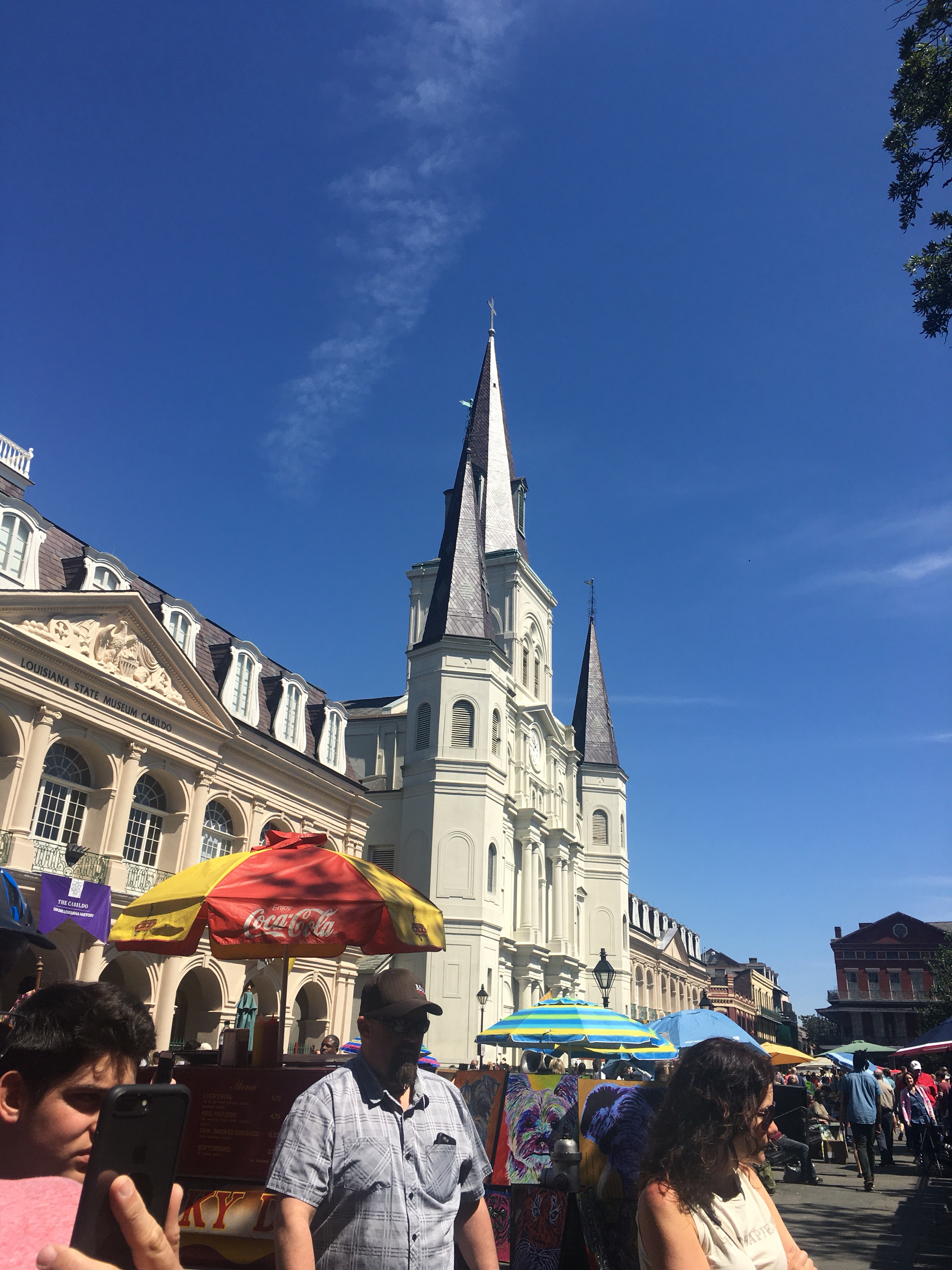
The restaurant is named for a Spanish friar, Antonio de Sedella, lovingly known as Pere Antoine. He was the people’s priest, and his death in 1829 at the age of 81 was mourned by the entire city. If you’re into ghost stories like me, you should visit the street named for Pere Antoine, where his ghost has been known to visit. The main entrance of St. Louis Cathedral is on Pere Antoine Alley, right by Jackson Square.

We were off to explore the city before checking into our Airbnb.

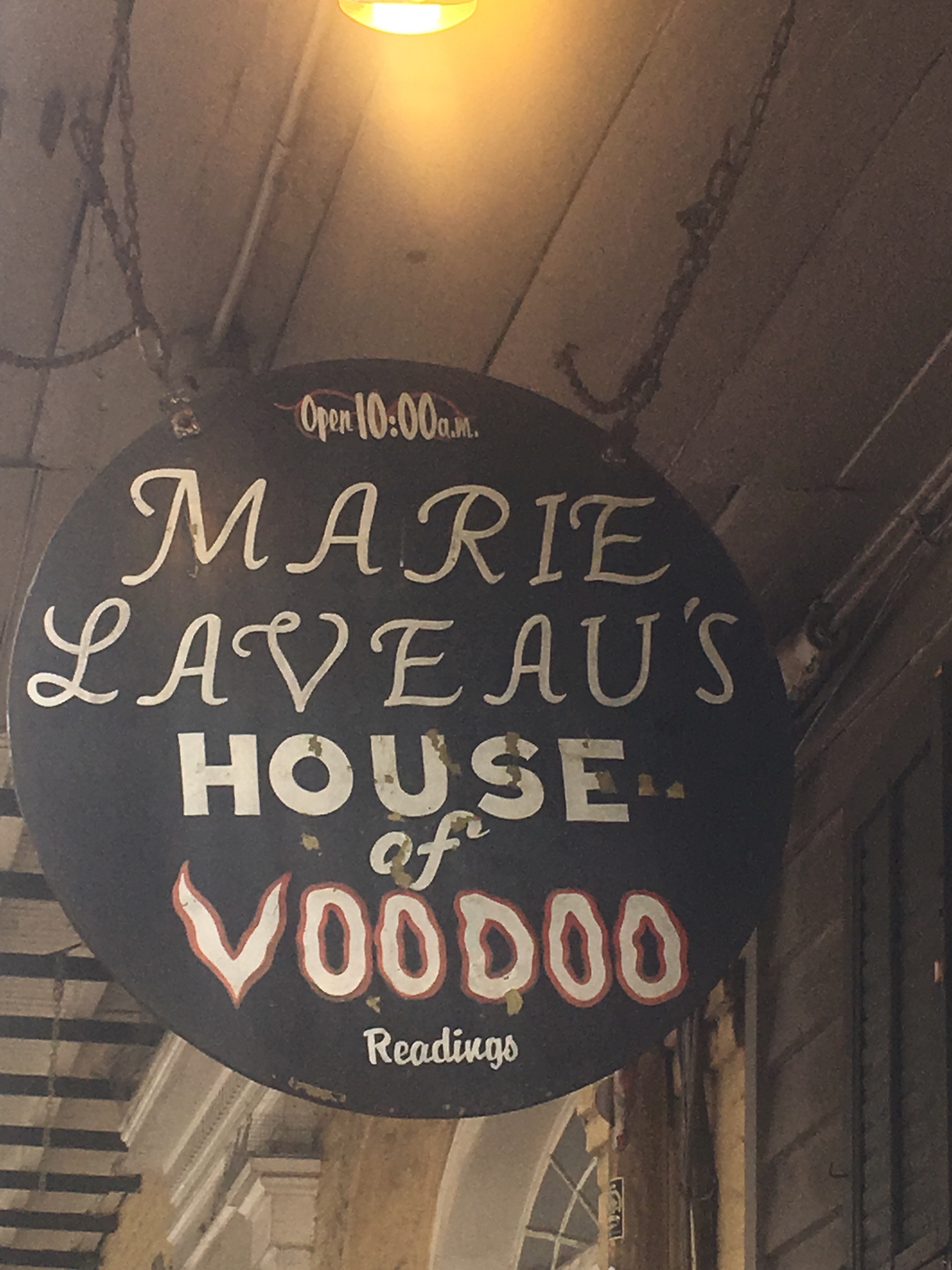
Walking through the French Quarter we found by chance a must-see on my list, Marie Laveau’s House of Voodoo.

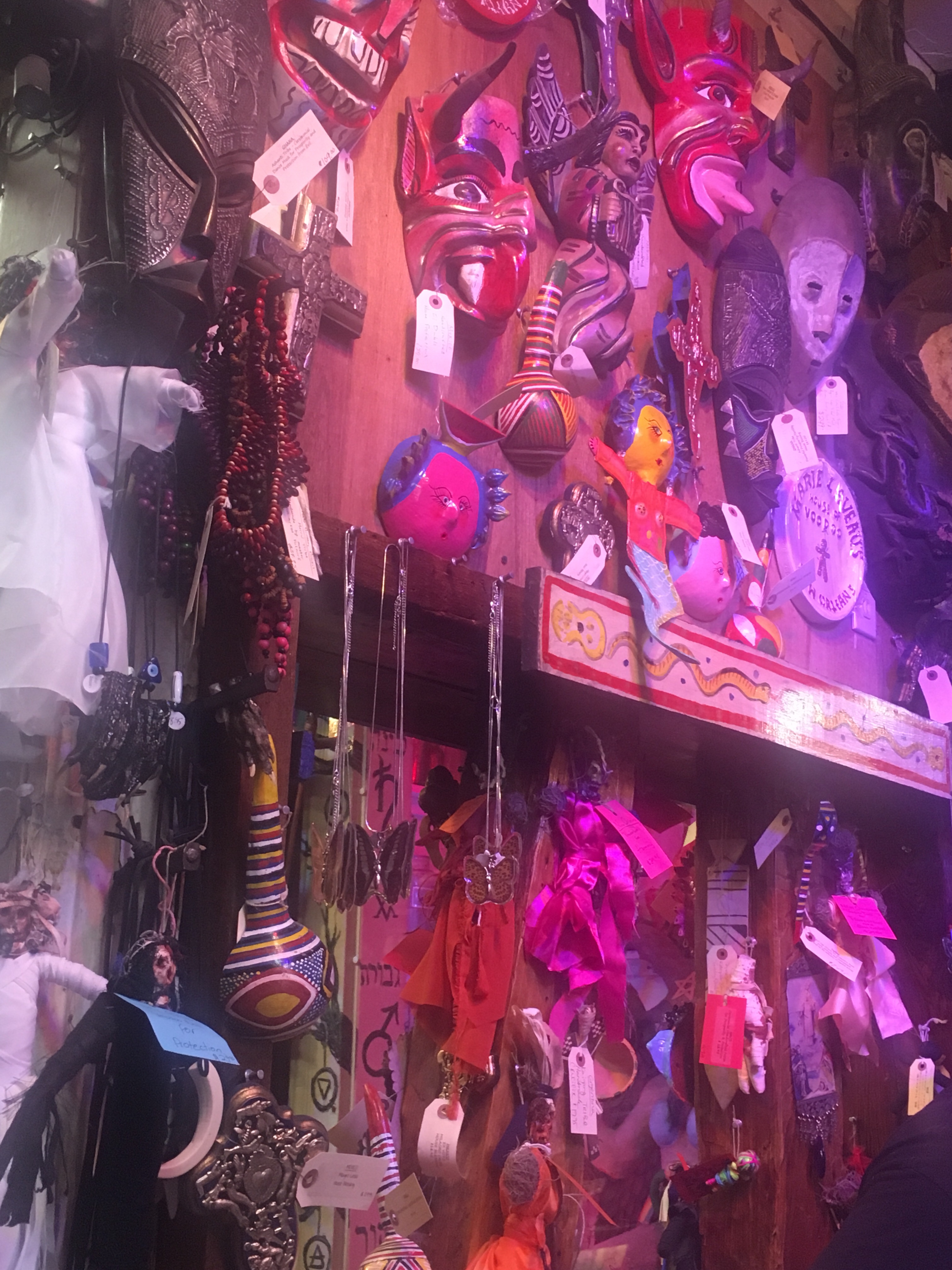
As voodoo shops go, Marie Laveau’s is pretty touristy. With an array of religious and spiritual paraphernalia, tribal masks, charms, herbs used for sacred rituals, and more, this shop will immerse the curious visitor into the misunderstood world of voodoo. Spiritual private readings, as well as an alter with offerings to the high priestess of voodoo, Marie Laveau, are part of the experience.

Exhausted from the road trip we headed to our Air B&B to relax and get ready for dinner.

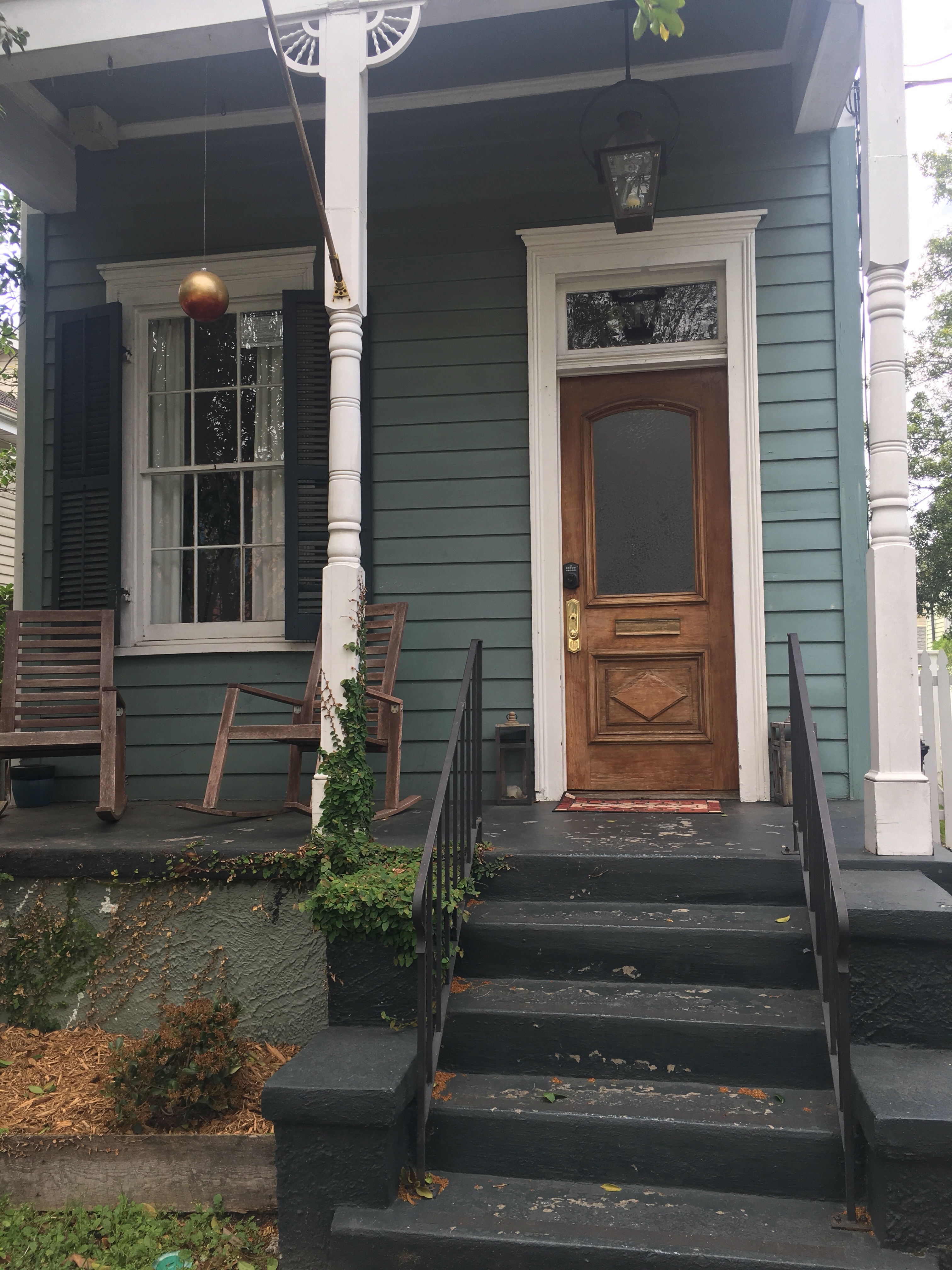
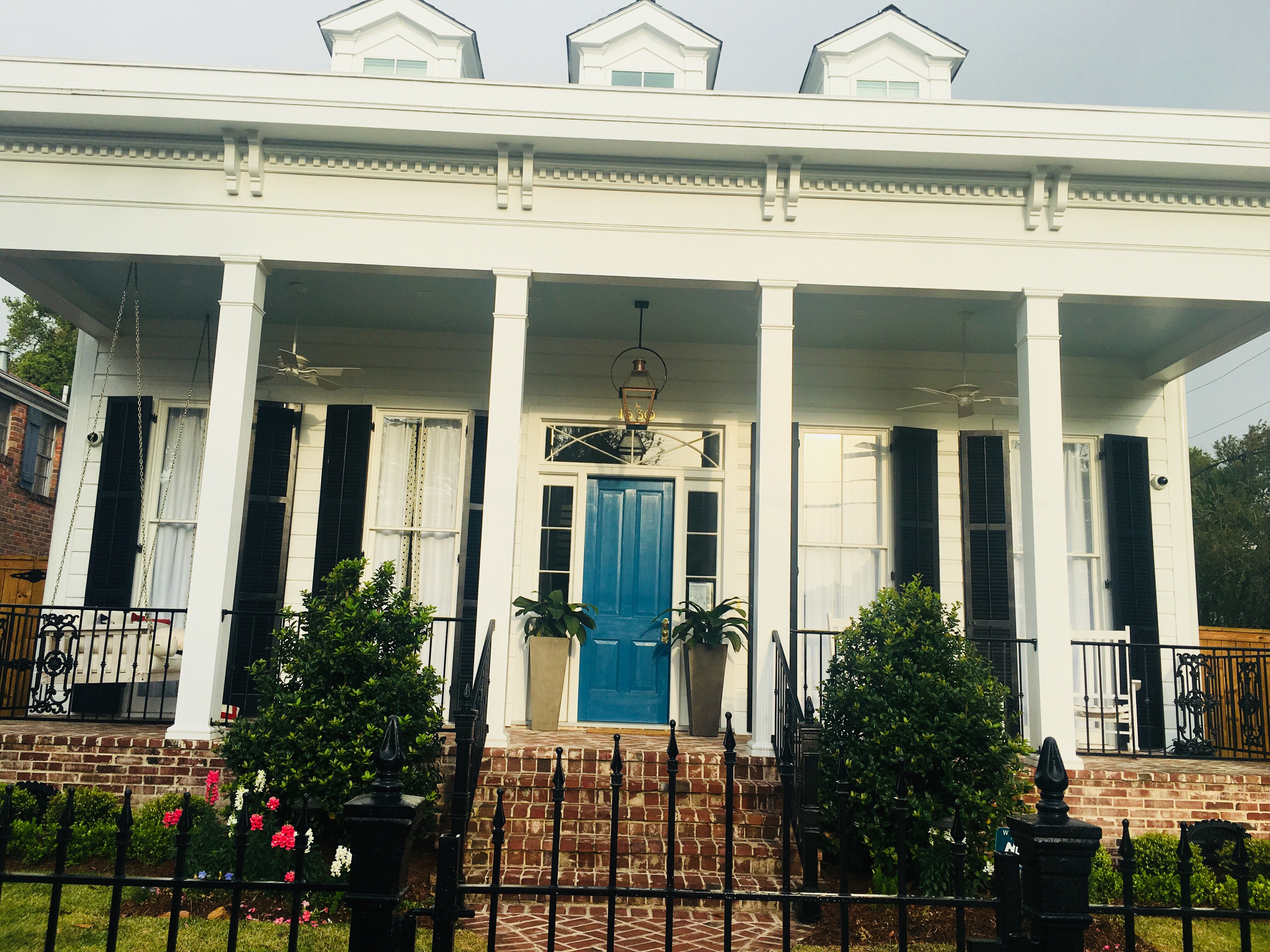
We have been staying at private homes through the many rental companies available like Air B&B, VRBO or HomeAway for years. It gives us the opportunity to experience all kinds of homes, with space and privacy that truly help us relax and unwind. This home is a remodeled shotgun. Gorgeous high ceilings, crown moldings, hardwood floors, and open living space, made this home the perfect home away from home to enjoy our short stay in New Orleans.


Since our house was Uptown in the Carrolton neighborhood, we chose a restaurant for dinner only a few miles away. Superior Seafood and Oyster Bar, located on St. Charles and Napoleon, is easily accessible by the St. Charles Streetcar. The restaurant’s old world charm with rich wood, brick walls, a bar imported from Paris, Parisian chairs and antique accents is only second to the cuisine. Oysters, a New Orleans staple, are offered in a variety of ways in the full-service oyster bar. The seafood was fresh, perfectly prepared, and a delicious ending to our first day in the city.
 

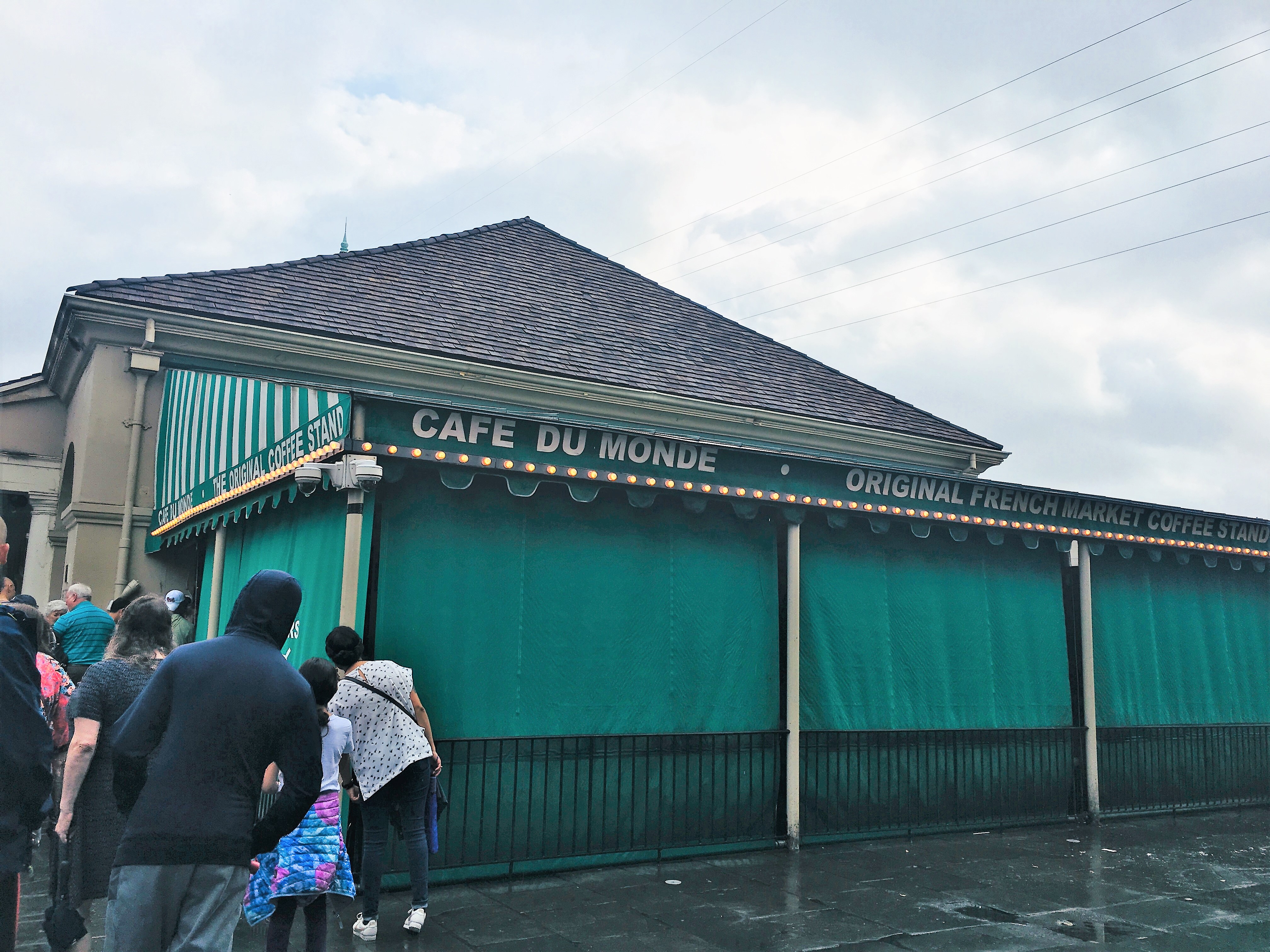
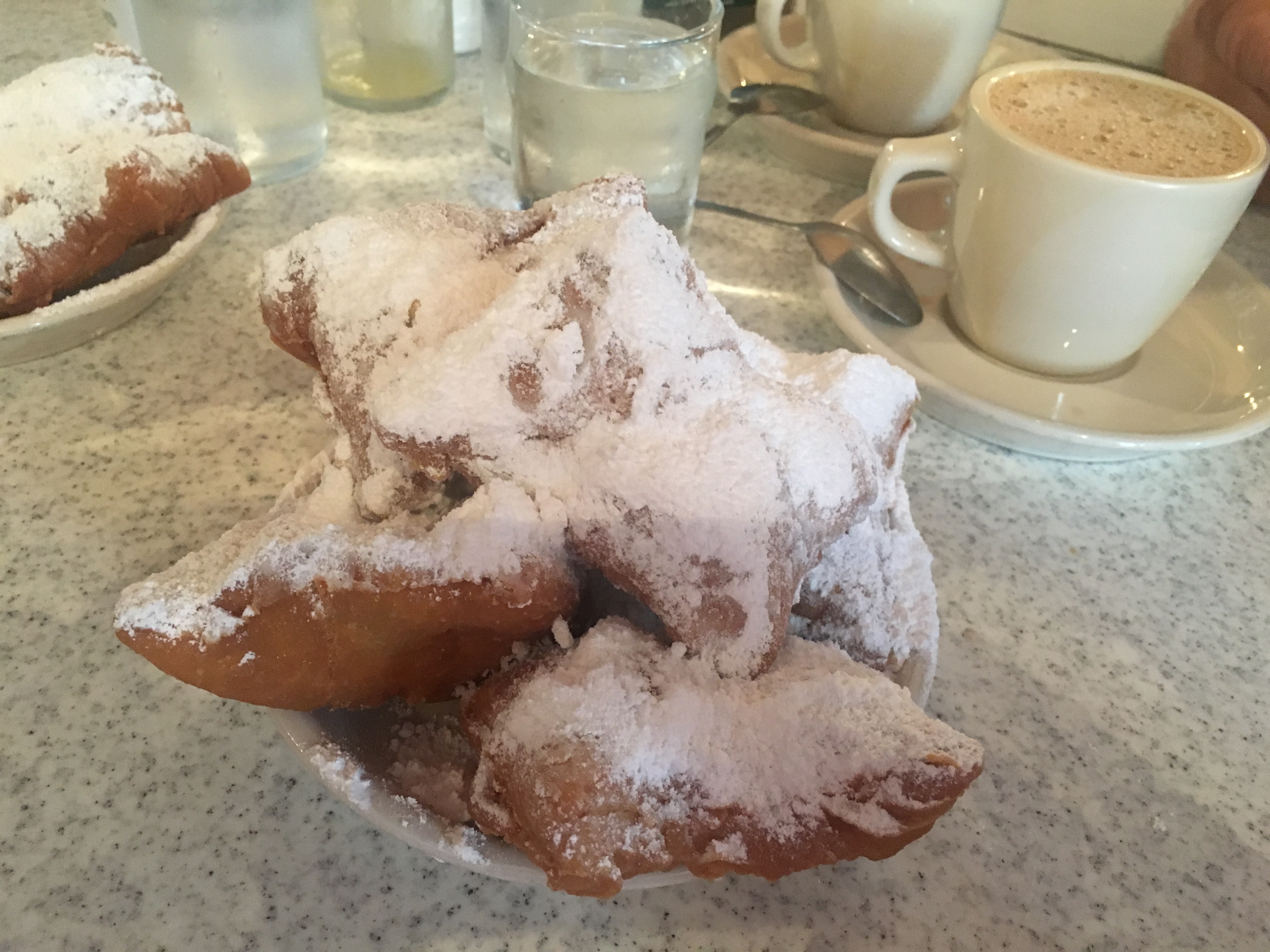
Day two promised to be a day of discovery, with a few planned activities starting with breakfast at the world famous Cafe Du Monde, where visitors line up all day to savor their Beignets and Cafe Au Lait. Even on a rainy day, you can see the line forming early morning. But here’s a secret, you really don’t need to stand in line. You can simply walk in and find an empty table and just sit down and wait to be served. Don’t tell, it’s our secret.
IMG_9268 - Copy (2)

Cafe Du Monde opened in 1862 and was part of the French Market. If you’re looking for eggs and bacon you’ve come to the wrong place. This coffee shop only serves the famous savory fried square doughnuts smothered in powdered sugar, coffee, and hot chocolate twenty-four hours a day.IMG_9269 - Copy - Copy

The French Market, with six blocks of shops, a flea market, restaurants, a farmers market and more, is a favorite gathering place to shop, eat, drink, and enjoy music and entertainment. You can find pretty much everything here–from art to pralines that come in all kinds of flavors–you can check off most of your souvenir gifts at the French Market.

IMG_9272 - Copy (2)

With satisfied appetites and some shopping done, we head off to explore the city.
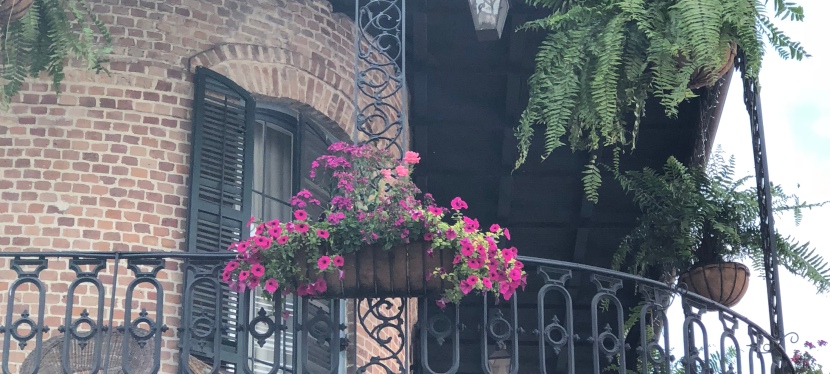
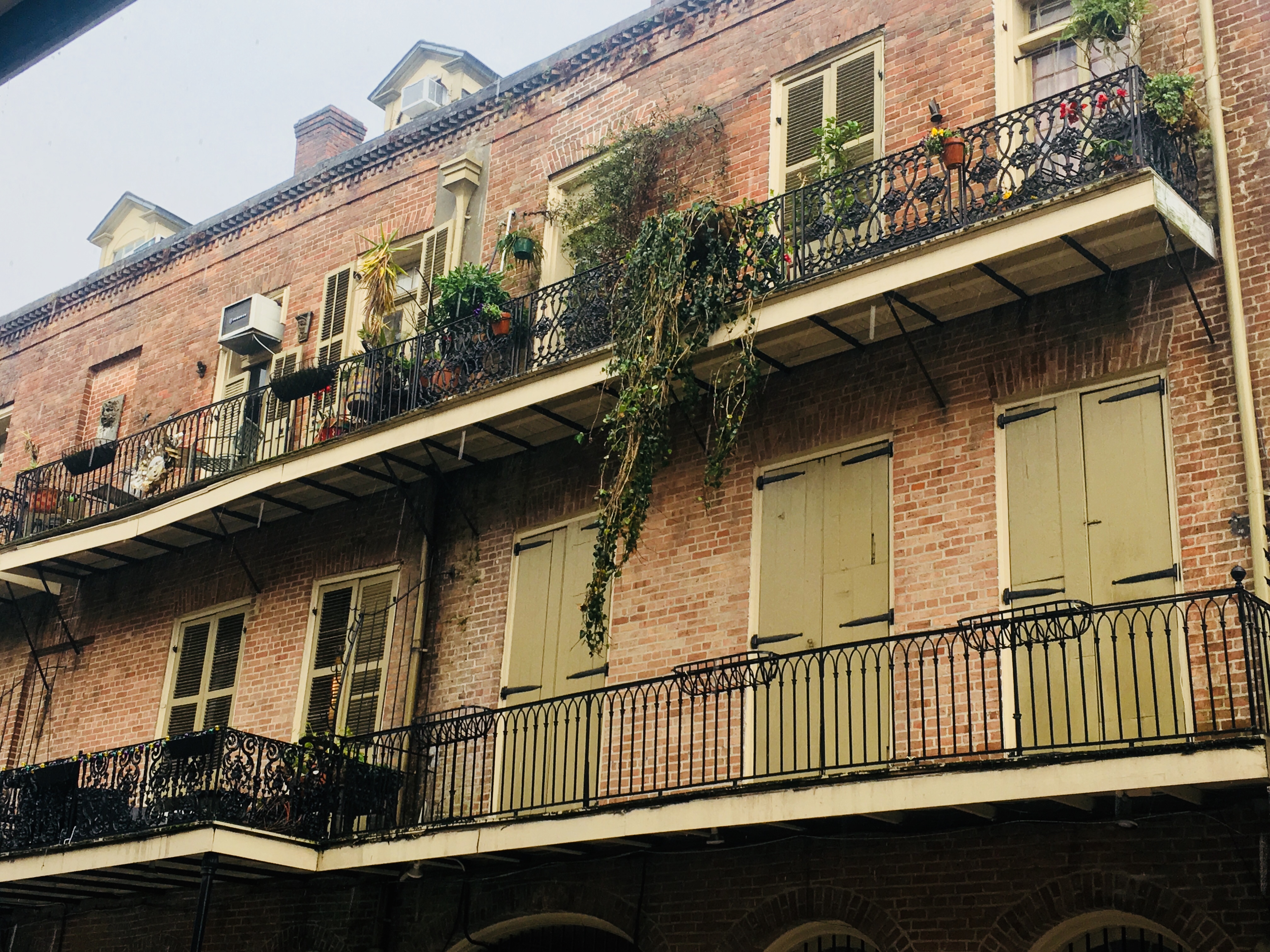
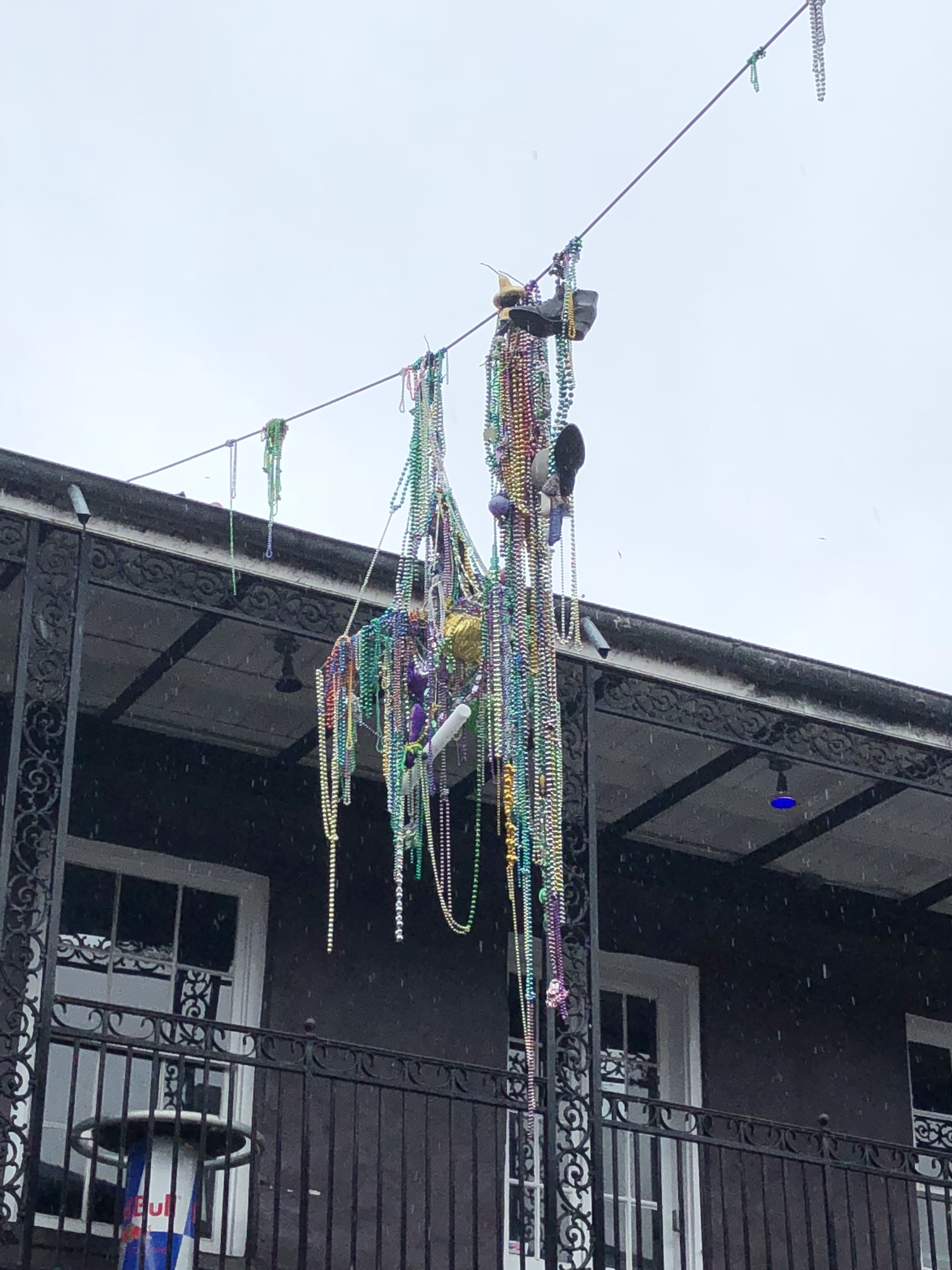
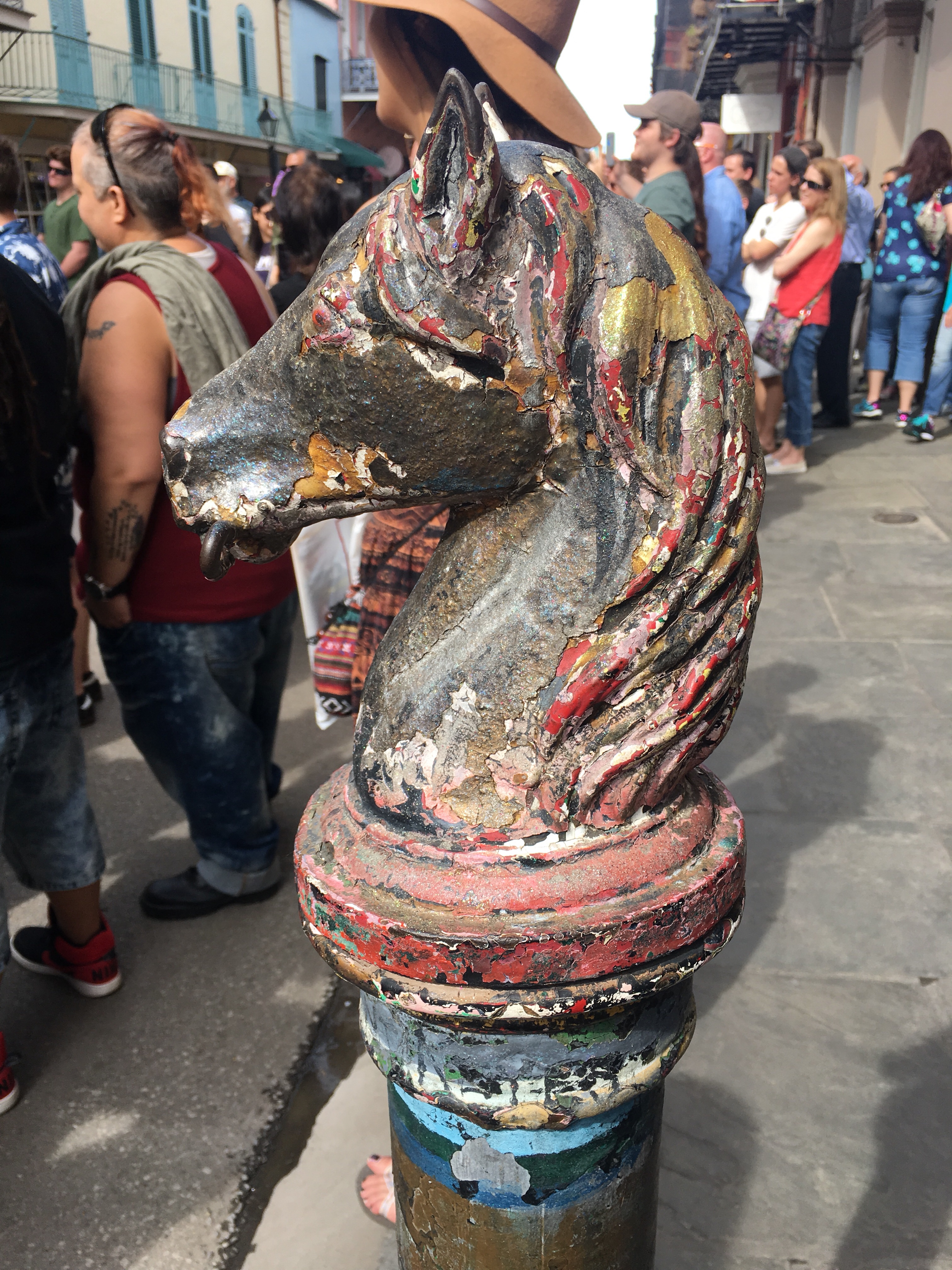
To stroll the streets of the French Quarter is to go back in time. The rich Spanish and French history is visible in the city’s architecture, the names of the streets and businesses, and in the eclectic and diverse backgrounds of its residents. Street performers abound, and music fills the air.  And although Mardi Gras had long passed, hints of the traditional celebration was still everywhere with beaded necklaces hanging from balconies and trees.

IMG_9336IMG_9337IMG_9281 - Copy (2)IMG_8224

With the latter half of day two rained out, we headed back to our Nola home to relax and dry out.


The streetcar is a great way to get around in New Orleans, and for $1.25 you can purchase a one-way ticket.

On this rainy day, we headed back uptown on the St. Charles streetcar, which began transporting locals and visitors back in 1835. Immerse yourself in a time long gone, as you ride the St. Charles line past stately mansions in the Garden District. A walking tour is the best way to explore the beautiful homes of this historic neighborhood.

It was time for lunch, so we stopped at the Blind Pelican, right on the St. Charles line. Offering a casual ambiance and moderately priced menu, this restaurant was one of our favorites.

Famous for the oysters, you can order a dozen raw for $3.00, and $7.50 for a dozen chargrilled. Other southern favorites like fried green tomatoes, and shrimp, roast beef, or oyster Poboys are must haves.

No trip to New Orleans is complete without a tour of one of its unique and iconic cemeteries. Because New Orleans is below sea level, burying the dead below ground is not an option. Instead, above ground tombs and family vaults are spread across the city, with the oldest cemetery dating back to 1789.


Saint Louis Cemetery Number One is the resting place of Voodoo Priestess Marie Laveau. It is also the home of a nine-foot tomb in the shape of a pyramid, the future final resting place of the tomb’s owner, actor Nicholas Cage. Some say that the unusual tomb is in honor of Cage’s National Treasure movie franchise; others believe that the pyramid is linked to the actor’s possible involvement with the secret Illuminati society.

IMG_9308 - Copy (2)

The best way to visit one of New Orleans cemeteries is to hire a tour guide. You don’t want to miss out on the interesting stories and history that lie within these cities of the dead.

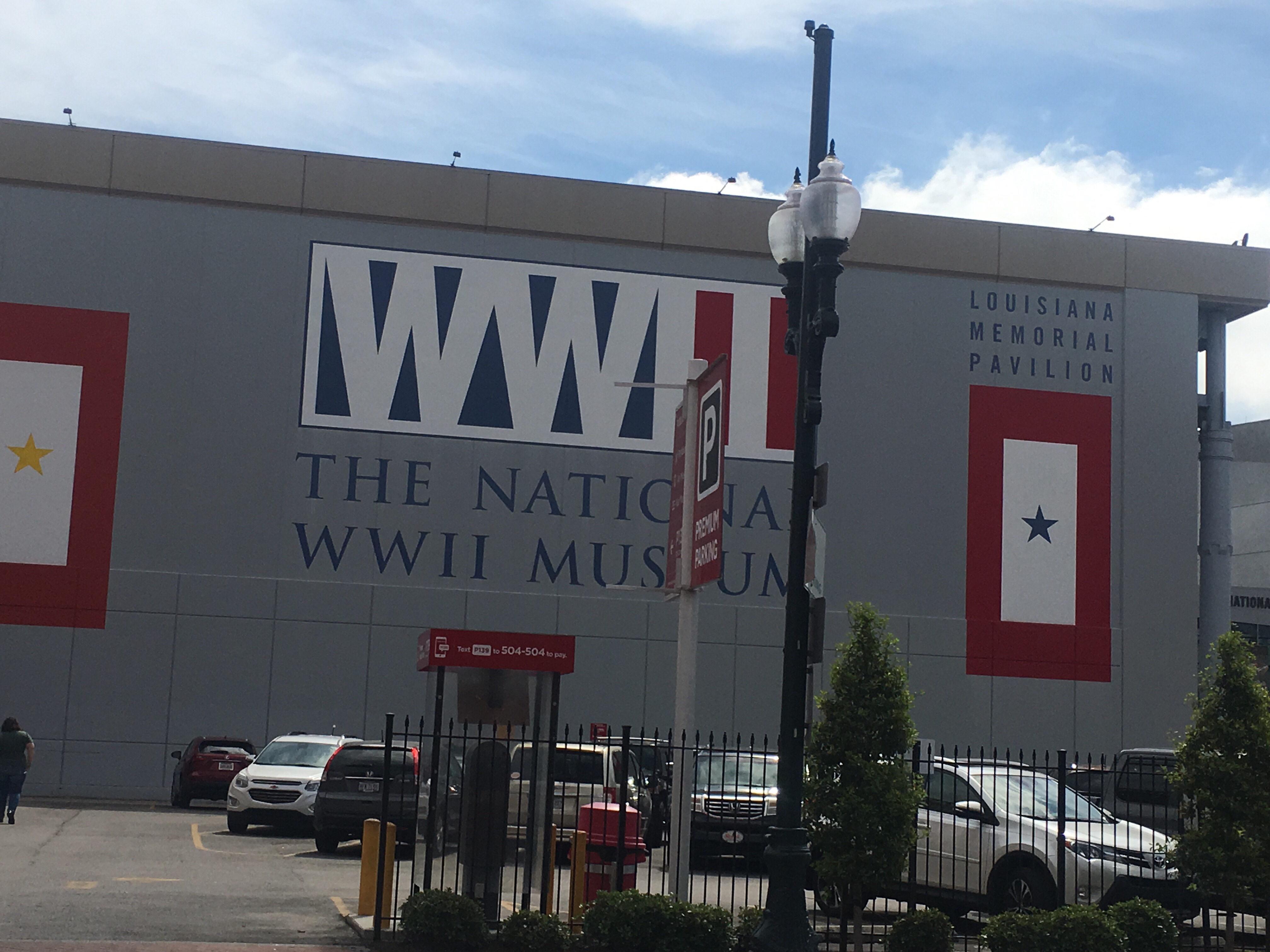
The National WWII Museum was next on our list of attractions. This museum is worth the visit. You can purchase tickets to the museum at $27 for adults to free for veterans. For an additional $6 you may purchase tickets to see the movie “Beyond All Boundaries,” produced and narrated by Tom Hanks. This 4D movie is spectacular! It was my favorite part of the visit.

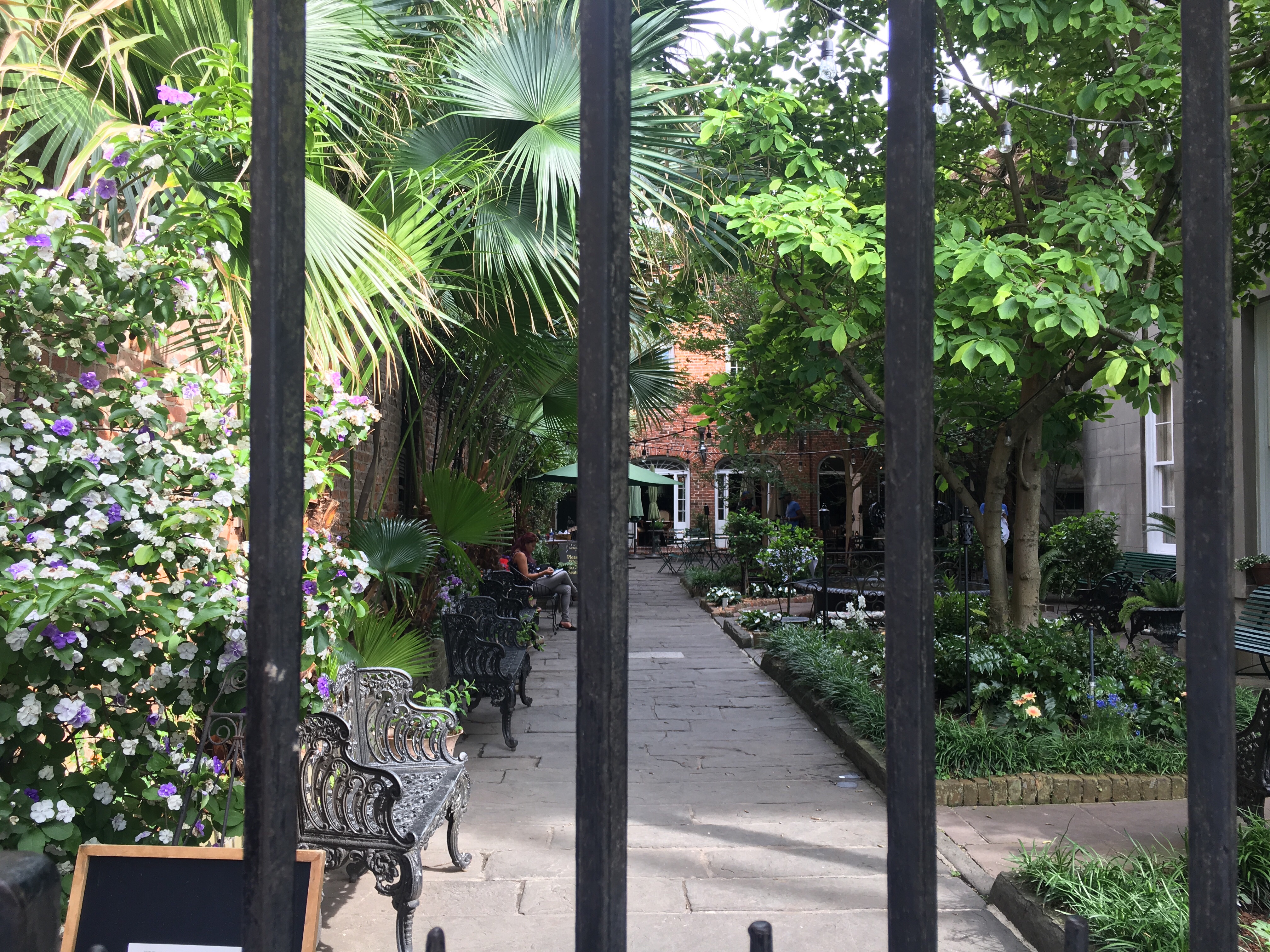
We continue exploring The Quarter, peaking into gardens, and enjoying the sounds and people of the city.


Here are some of the local colorful characters of The Quarter. 


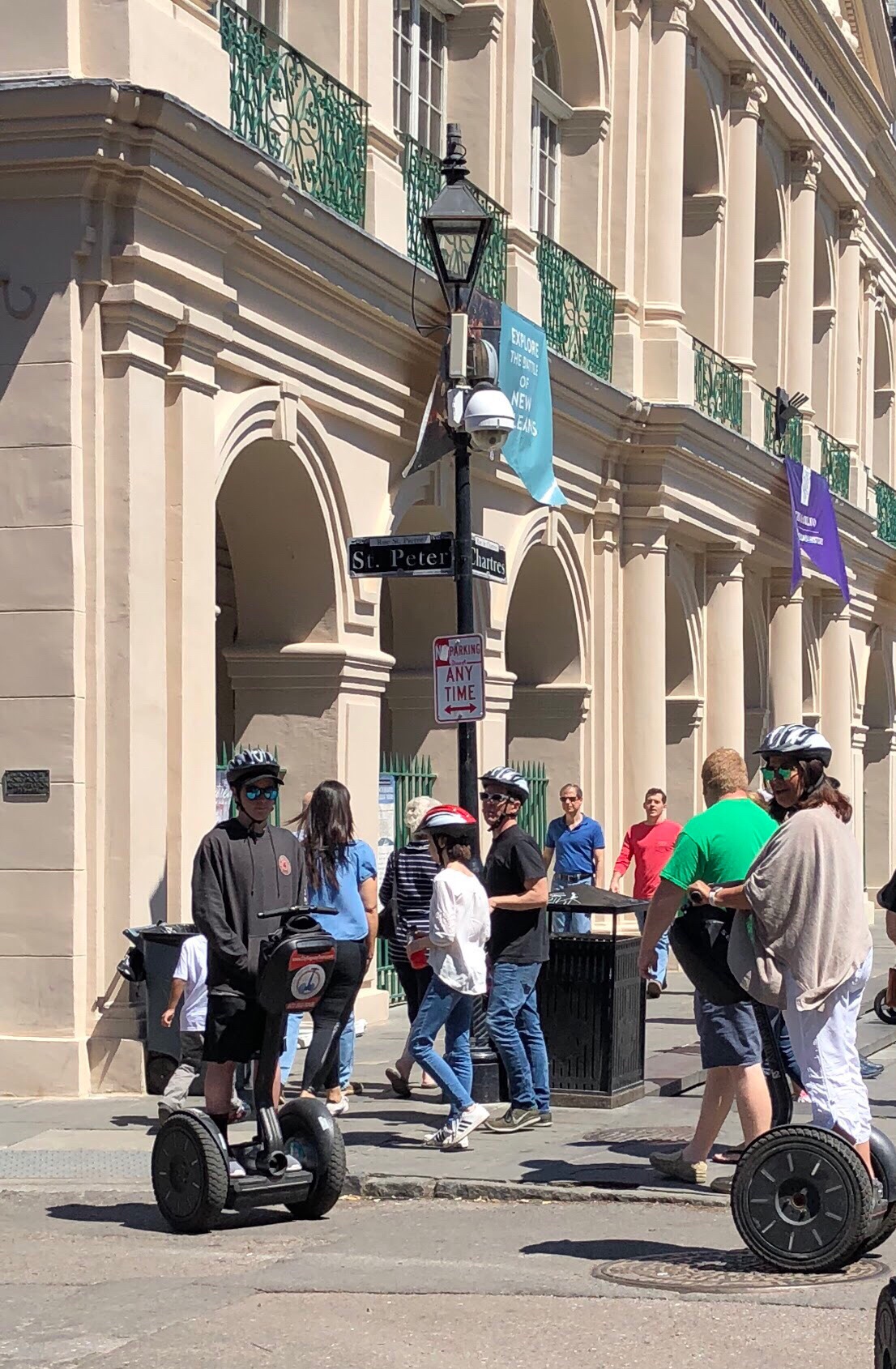
We ended our visit to New Orleans with a fun Segway tour. This was a first for us, and I was a little bit nervous. However, just ten minutes of practice on the Segway was all we needed to feel completely comfortable. This is an activity we should have done at the very beginning of our visit, because the tour takes you through the entire French quarter and beyond; a great way to become acquainted with the city.

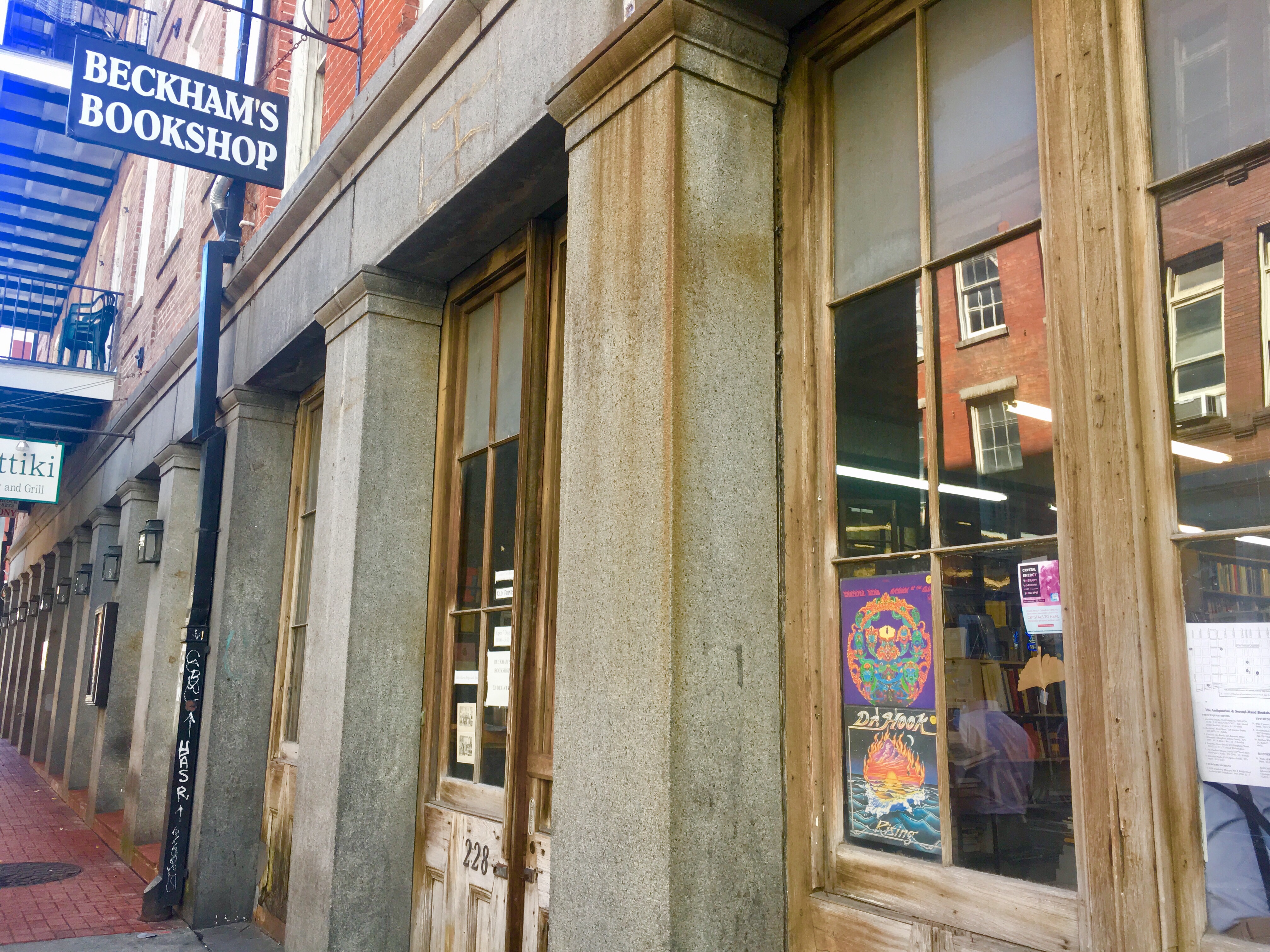
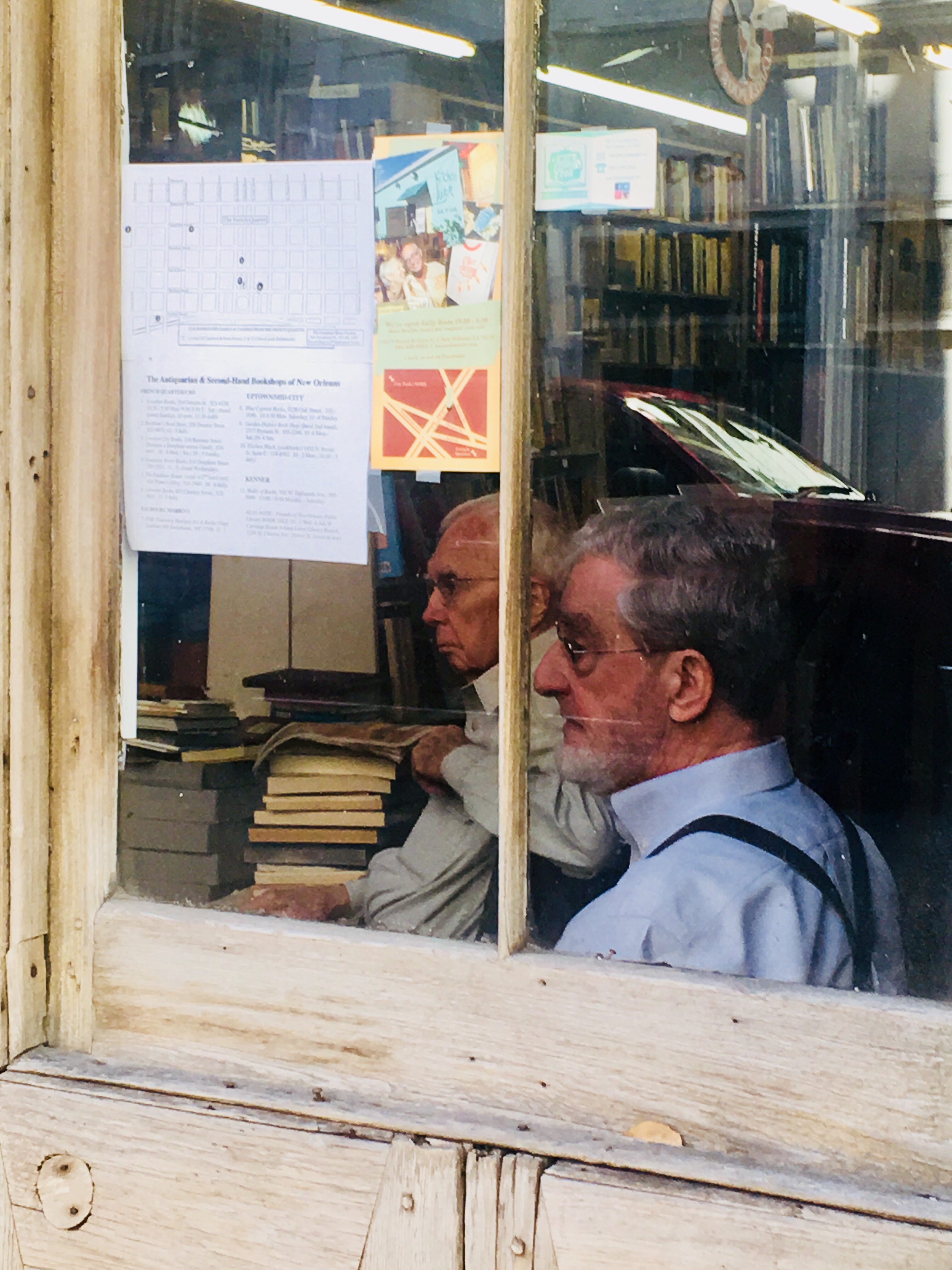
Every city has a bookstore you can lose yourself in. Right next door to City Segway is Beckham’s bookshop. I could have stayed in this bookshop for hours. Specializing in rare books, Beckham’s opened its doors to book lovers in 1967. Dogs are welcome, but have to play nice with Juniper, the resident cat. Check out Juniper’s blog at http://www.beckhamsbookshop.com.

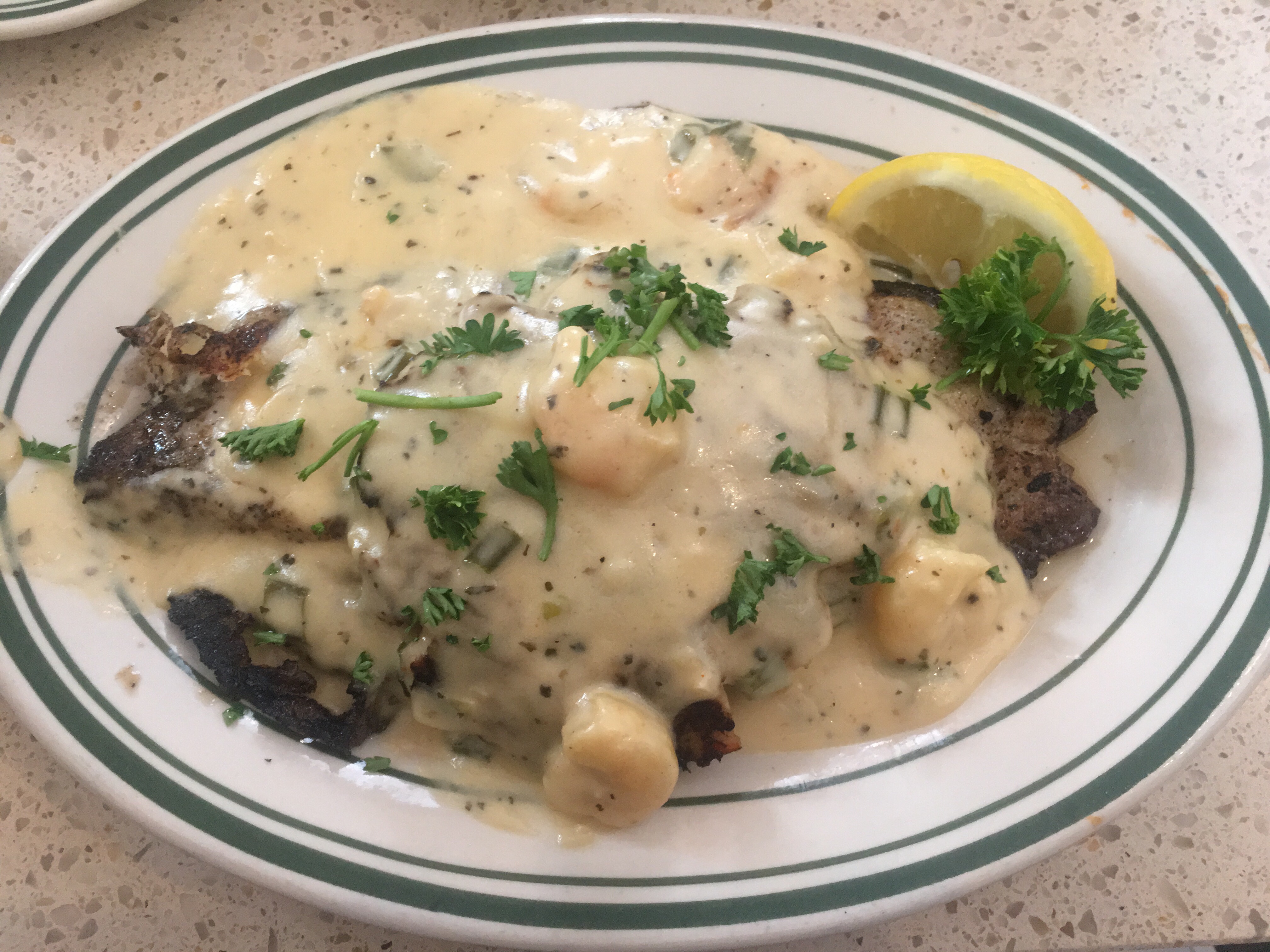
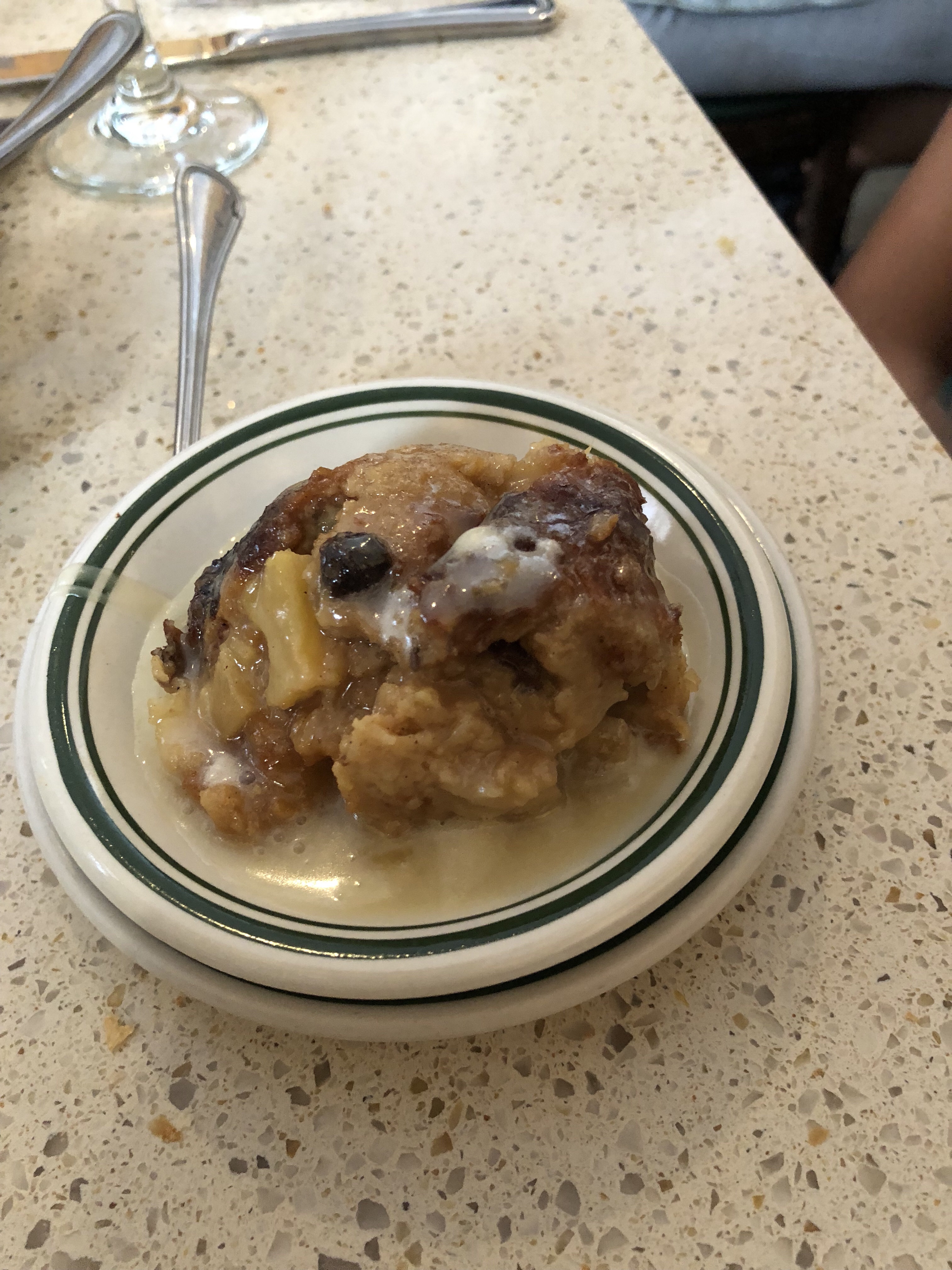
Our Segway tour guide recommended the Gumbo Shop for our last meal in Nola.

A favorite with the locals, the Gumbo Shop was the perfect ending to our unforgettable visit to New Orleans.

Nola is now checked off my bucket list, but I’m not done with this fascinating city. We are already planning a trip back to the Big Easy.

Miami Hauntings

What do Miamians do on a Saturday when there’s nothing to do?  Visit haunting sites of course! Well, maybe this Miami resident, who also happens to be fascinated by all things ghostly.  October has always been my favorite month of the year.  Awakening memories of childhood birthdays, crisp autumn air, and spooky Halloween fun, I am always in the mood for a good ghost story.   Always ready to indulge me in my crazy adventures, my husband is happy to drive to each of the famously haunted Miami places on my list.

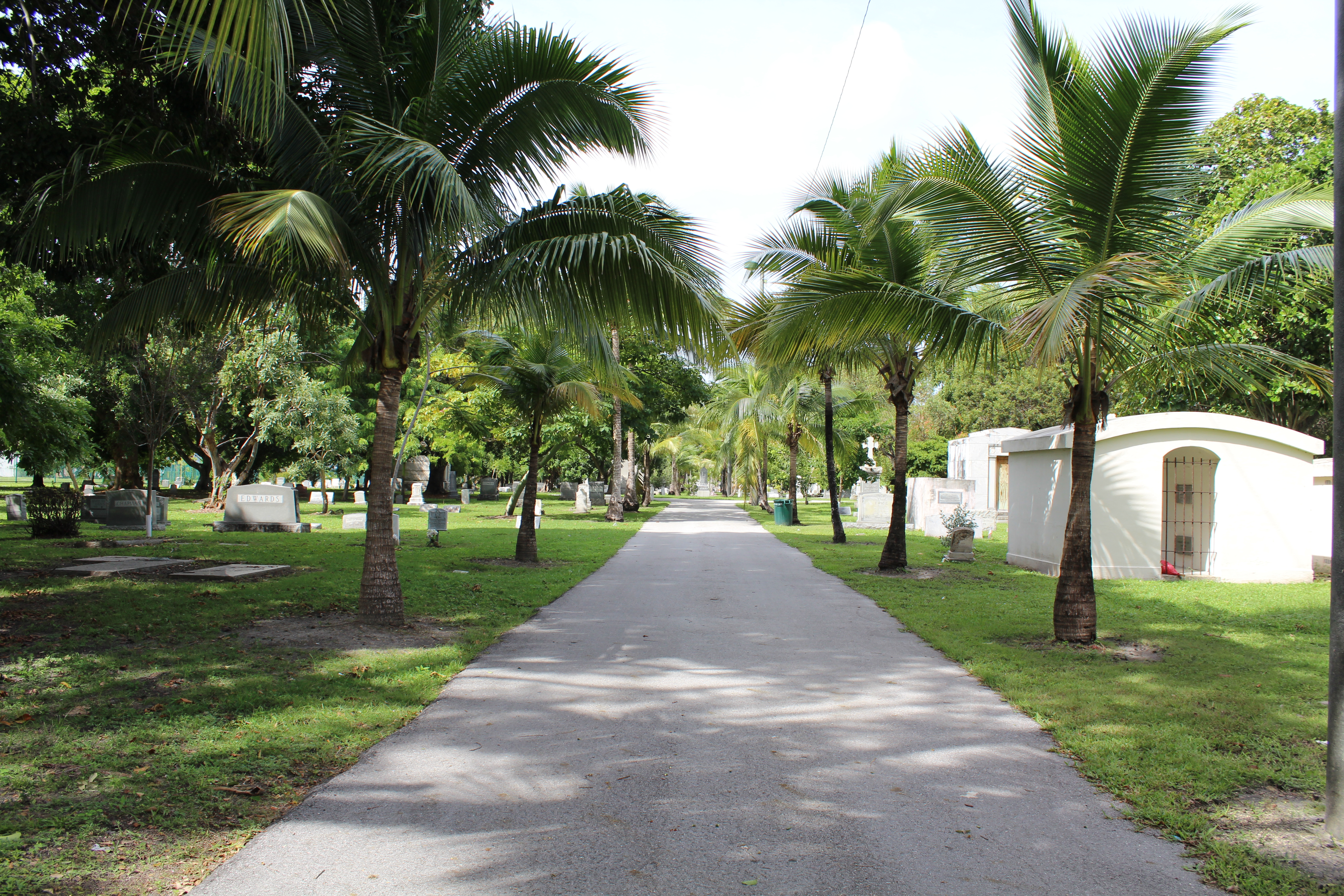
First on our tour is the City of Miami Cemetery, located at 1800 NE 2nd Avenue.  On the U.S.National Register of Historic Places, the cemetery was founded in 1897.  The 10 acre plot sold to the City of Miami by Mary Brickell for $750, is the resting place of some of the oldest and most prominent families of South Florida.  img_3278
We came across the grave sites of Julia Tuttle, known as the “Mother of Miami,” the department store Burdine family, and John Sewell, the third mayor of Miami.

On this beautiful October morning, there was no hint of the ghostly voices this cemetery is notorious for. But if you are in the mood for some local haunted history, History Miami Museum offers an annual Ghosts of Miami City Cemetery Night Tour every October.

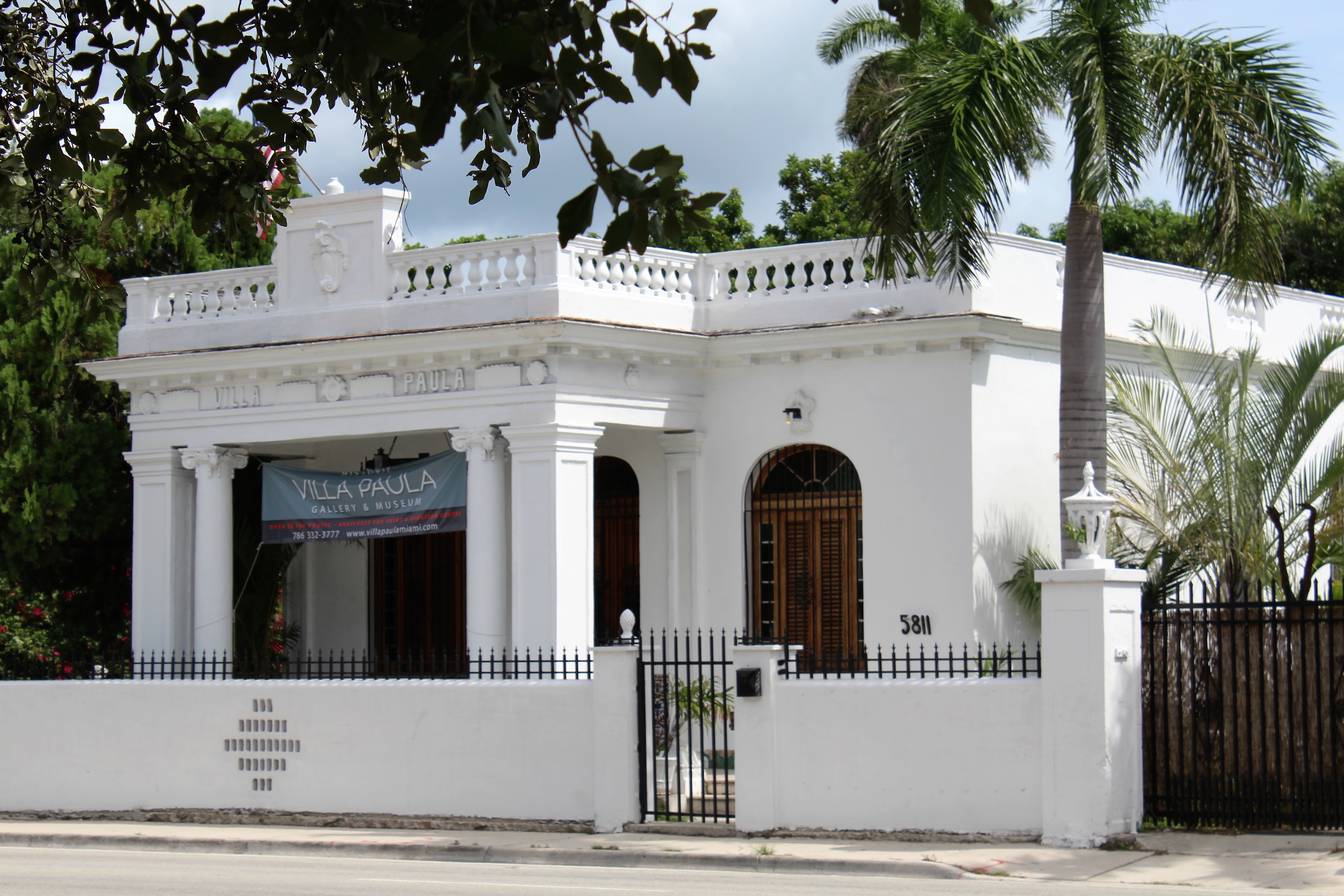
img_3317Named the “most haunted house in Miami” by the Miami Herald in 1989, Villa Paula has a rich history of haunting activity.  Located in what is now Little Haiti, Villa Paula was built in 1926 for the first Cuban Consulate, Don Domingo Milford, and his wife Paula.  Paula died shortly after, due to complications resulting from a leg amputation.  The house has had several residents, later becoming a home for senior citizens, before falling into abandonment and overrun by vagrants in the early 1970’s.
Rescued in 1974 by Cliff Ensor, Villa Paula’s supernatural activity began to manifest itself, and was documented for the first time.  Apparitions of a woman floating through the hallways with only one visible leg, the smell of coffee and roses lingering in the air, the movement of items, the sound of footsteps and heals on the veranda, a chandelier suddenly falling from the ceiling, the sound of a piano playing, and the death and disappearance of cats were some of the reported incidents.  Ensor went as far as conducting regular seances to keep the spirits at bay, after learning from a psychic that five spirits occupied the house, including one of an abused maid who buried her illegitimate baby in the garden.

Current owner and art dealer Martin Siskind has restored the neo-classical mansion to its former glory, turning the home into an art gallery open to the public.  The stories of hauntings continue.

img_3399
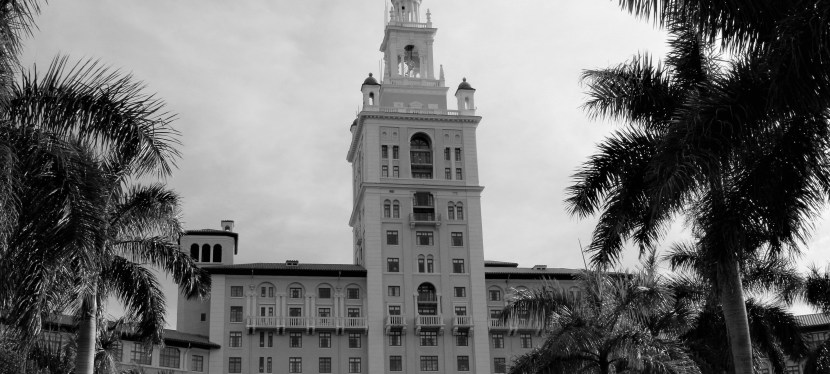
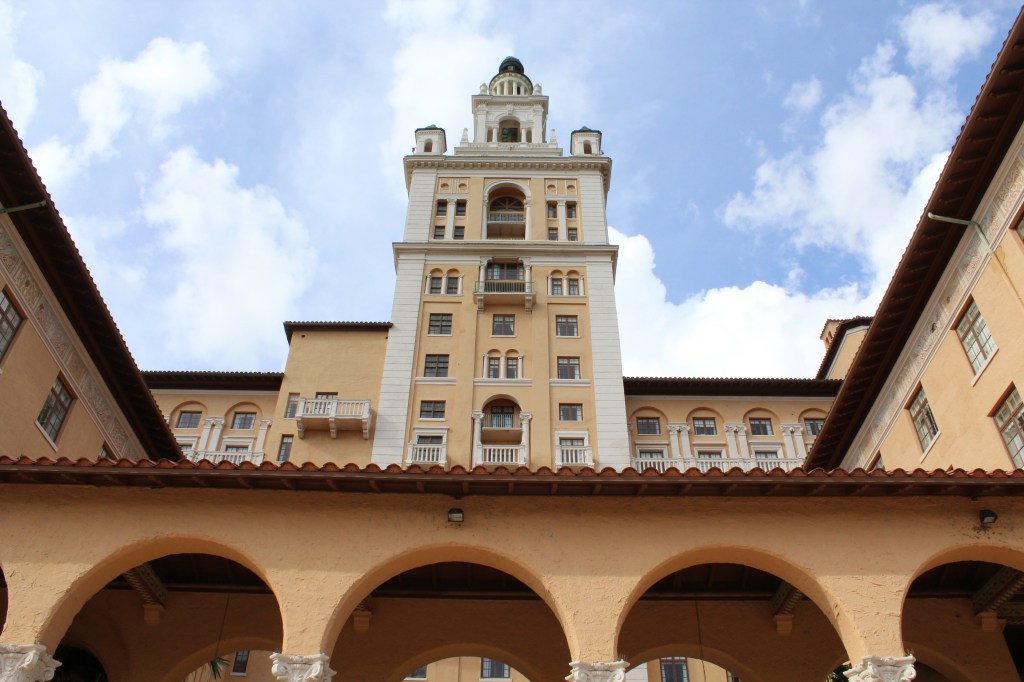
The iconic Biltmore Hotel, gracing the upscale Coral Gables neighborhood since 1926, has been through many transformations throughout its almost 100 years.  Built in the roaring twenties by Coral Gables founder George Merrick, the Biltmore was a place of lavish parties, golf tournaments and fashion events, and frequented by celebrities, influential personalities, and gangsters.  When a gangster named Thomas “Fatty” Walsh was murdered in the Al Capone suite on the 13th floor of the hotel, a ghost story emerged.
img_3404
The Biltmore’s golden years were stunted at the onset of World War II, when the splendor of its golden years was halted, and the hotel was re-purposed as a military hospital.  The hospital continued to service veterans after the war, until it was closed and abandoned in 1968.

For years the beautiful landmark remained empty.  Stories of ghosts resurfaced, as neighborhood kids sneaked into the hotel and roamed through the scary rooms and hallways.  Could the spirit of the murdered gangster Fatty Walsh still haunt the 13th floor? Were the spirits of deceased soldiers still restlessly bound within these walls? The resounding answer is YES.

Today the Biltmore Hotel stands as a proud and elegant piece of Miami history.  The stories of ghosts continue to draw visitors, like me, fascinated by the mysteries of the spiritual world.  We weren’t able to go to the 13th floor, but we enjoyed an afternoon in one of the most historic and beautiful hotels in Miami.

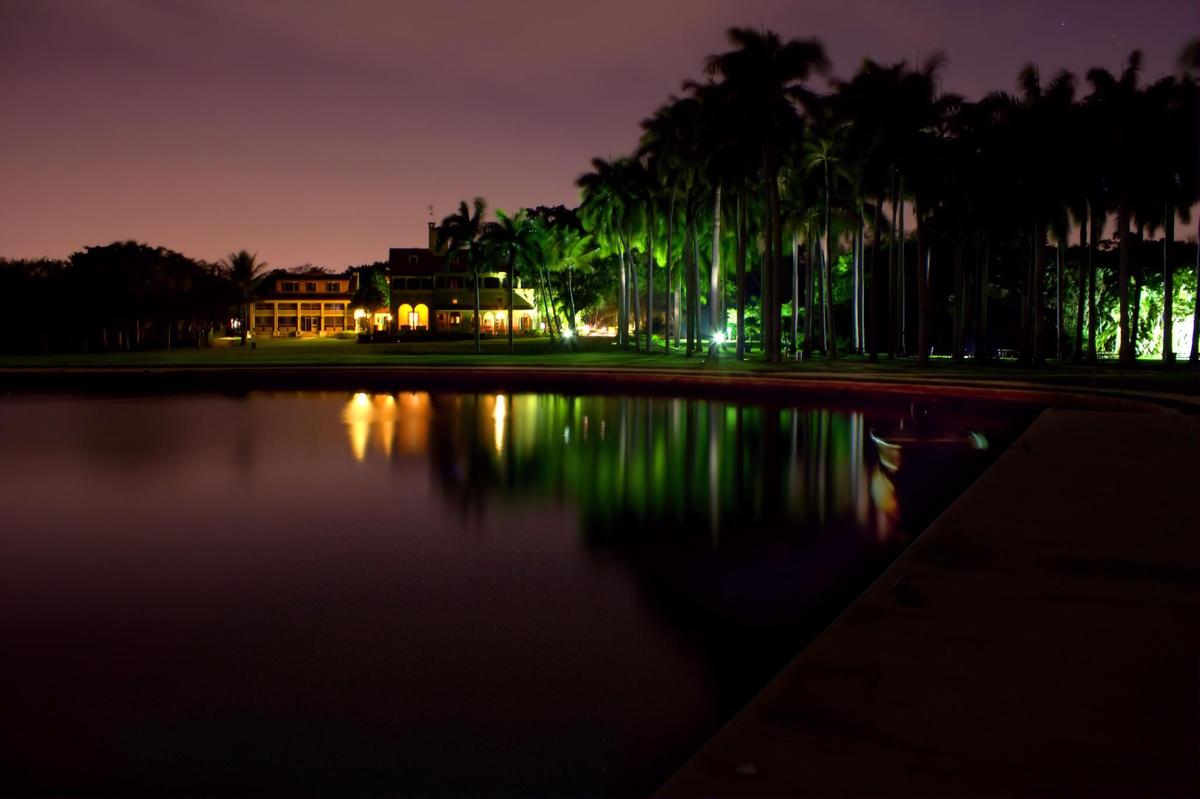
Nothing guarantees a haunting like a mansion built on an ancient burial ground! Located on 444 acres in an idyllic setting in Palmetto Bay, the Deering Estate consists of a three-story cottage, once known as the southernmost inn in the United States, and a three story stone mansion built in 1900, and purchased by philanthropist and businessman Charles Deering.  Deering moved to the estate in 1922, and died a few years later in 1927, leaving the estate to his wife and children.

slide_257997_1669176_free

Now owned by the State of Florida Miami-Dade County, the estate hosts concerts on the lawn, moonlight canoe trips, art exhibits, family and children educational events, culinary events, ghost tours and spookovers.  In October of 2015, as a birthday present and pre-Halloween treat, my husband surprised me with an evening ghost tour.  My love of history and historical homes, together with my interest in the paranormal, made this ghostly adventure special. Their was an energy and excitement in the air as the group was ushered from room to room by our ghost tour guide.  She was colorful, animated, and knowledgable, producing spirit voice recordings and pictures of apparitions.

As our guide talked about Mr. Deering, pointing to a wheelchair he spent most of the last years of his life in, I took several pictures of the chair.  Later, when we uploaded the pictures to the computer, we noticed something in one of the pictures.  The mist that seems to be floating onto the chair may be an illusion created by a light or camera malfunction, but some may agree that we captured some sort of spirit form.  I guess we will never truly know.

In this month of spooky tales and trick or treating, consider visiting some of Miami’s famous haunted places.