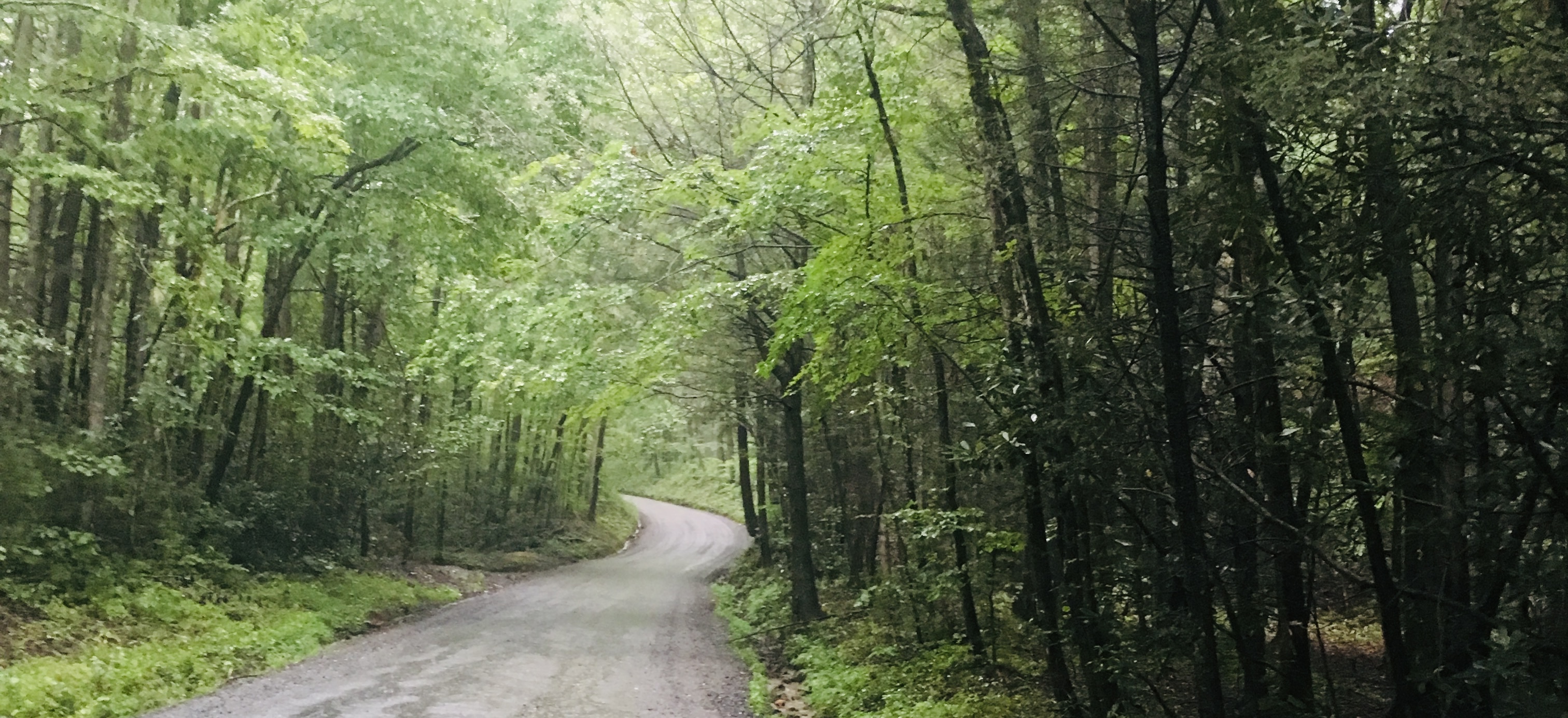

The Devil’s Punchbowl is a breathtakingly beautiful natural wonder that will leave you in awe. Located on the picturesque central coast of Oregon, this incredible geological formation is a stunning sight to behold. As you approach the area, you can hear the sound of the waves crashing against the rocky shoreline, beckoning you to come and explore.
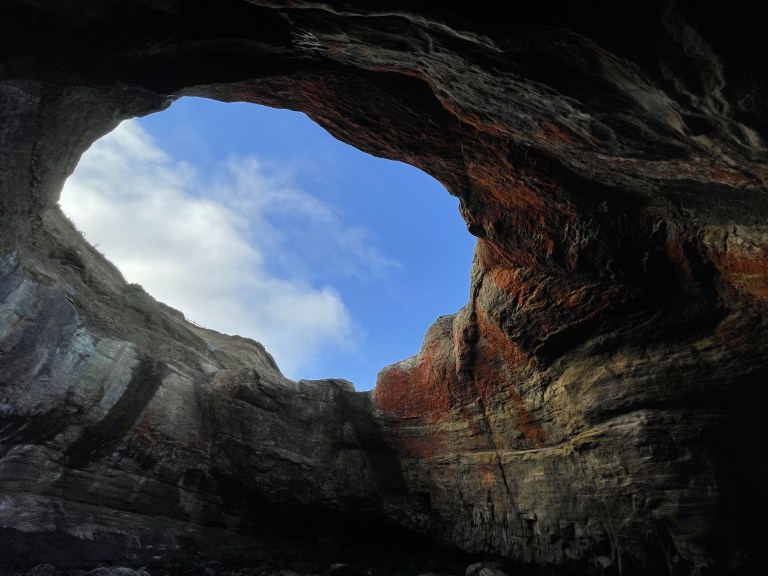
The Devil’s Punchbowl is a massive sea cave that has been carved out of the rocky cliffs by the relentless force of the Pacific Ocean. The cave is roughly 100 feet in diameter, and the sheer power of the ocean has created a natural amphitheater that is both stunning and humbling. The rocks around the cave have been smoothed over time, and the swirling patterns carved into them by the waves are a testament to the raw power of nature.
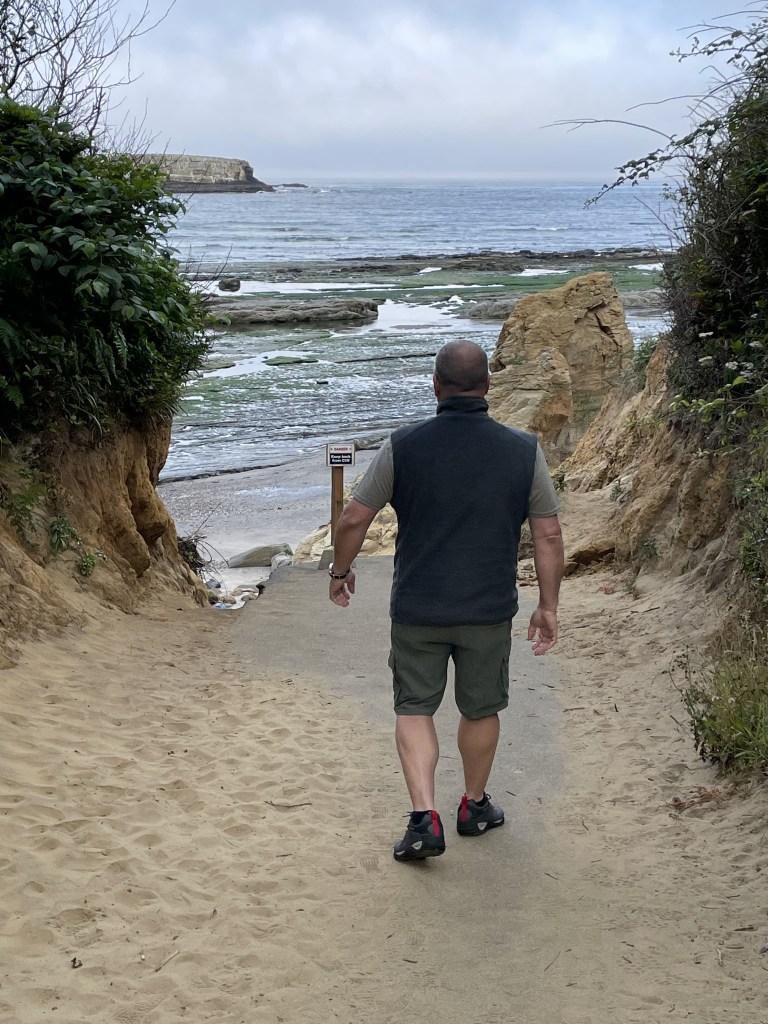
What makes the Devil’s Punchbowl so unique is its accessibility, or lack thereof. The cave is only accessible during low tide, which means that visitors have to time their visit correctly to see it. During high tide, the seawater fills up the cave, creating a turbulent swirling effect that is both mesmerizing and powerful.
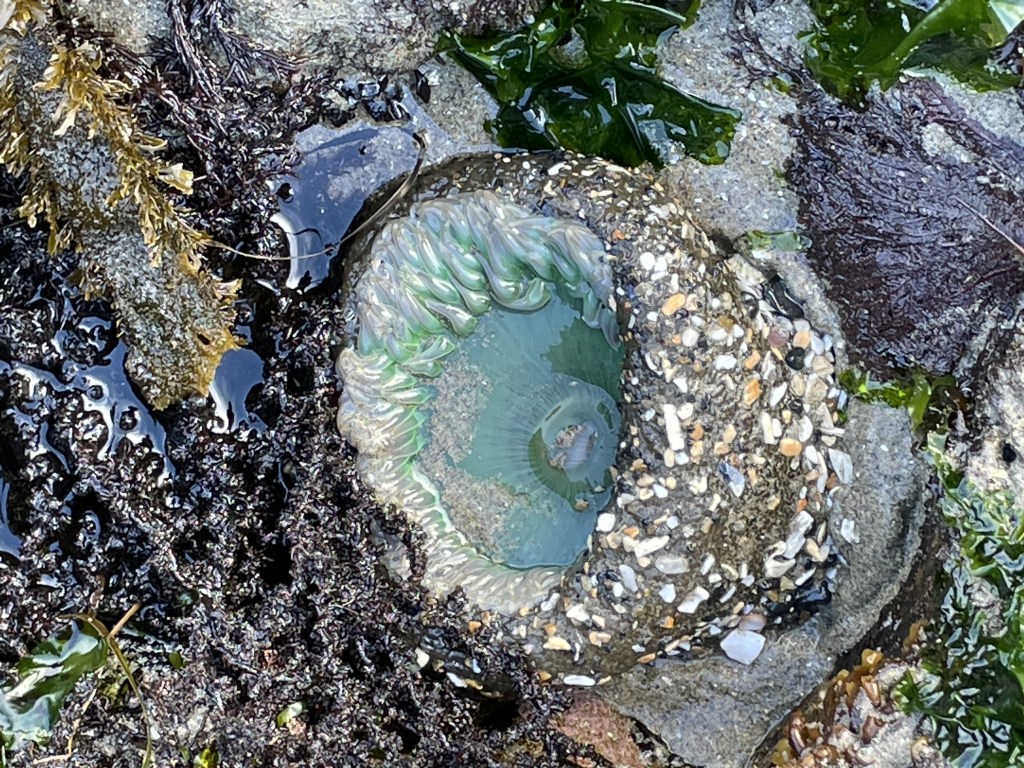
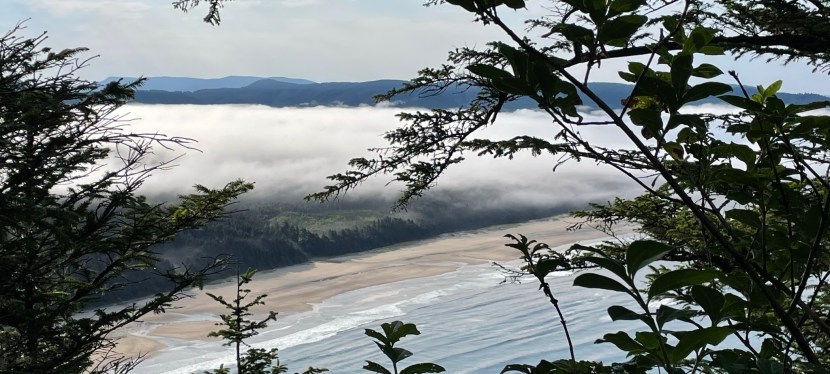
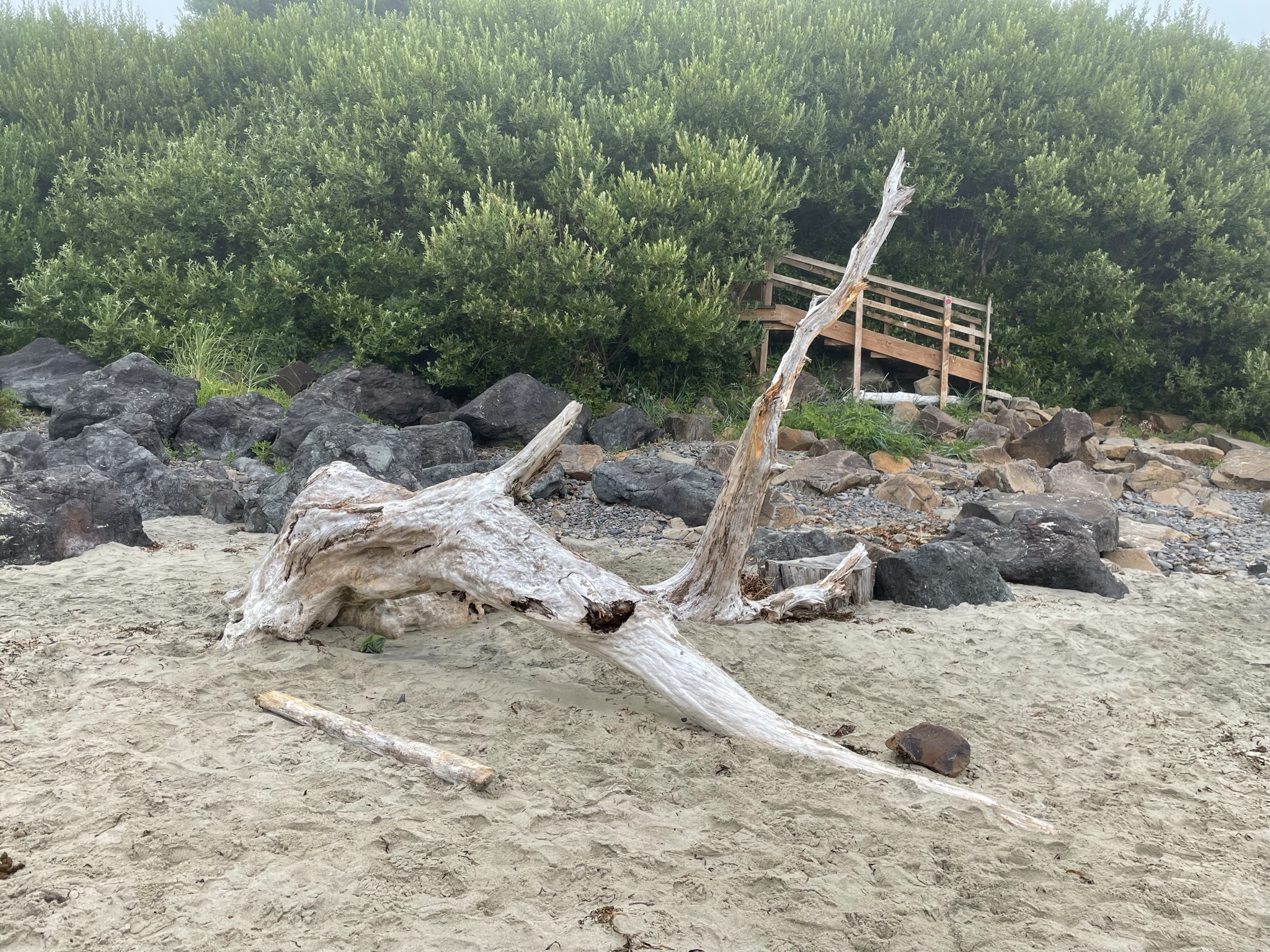
To reach the Devil’s Punchbowl, visitors must hike down a well-maintained trail from the nearby parking lot to the beach. The trail offers stunning views of the coastline and is an easy to moderate hike that is suitable for all skill levels. Once you reach the beach, you can explore the tide pools and watch the waves crash against the rocky shoreline. The sound of the waves and the salty sea air make for a truly immersive experience that will stay with you long after you leave.
For the more adventurous, there are guided kayak tours available that take visitors inside the Devil’s Punchbowl cave. The tour guides are knowledgeable about the area’s history and geology and provide an unforgettable experience. As you paddle into the cave, the sound of the waves echoes off the walls, creating an otherworldly atmosphere. The experience is both exhilarating and calming at the same time, as you feel the power of the ocean all around you.
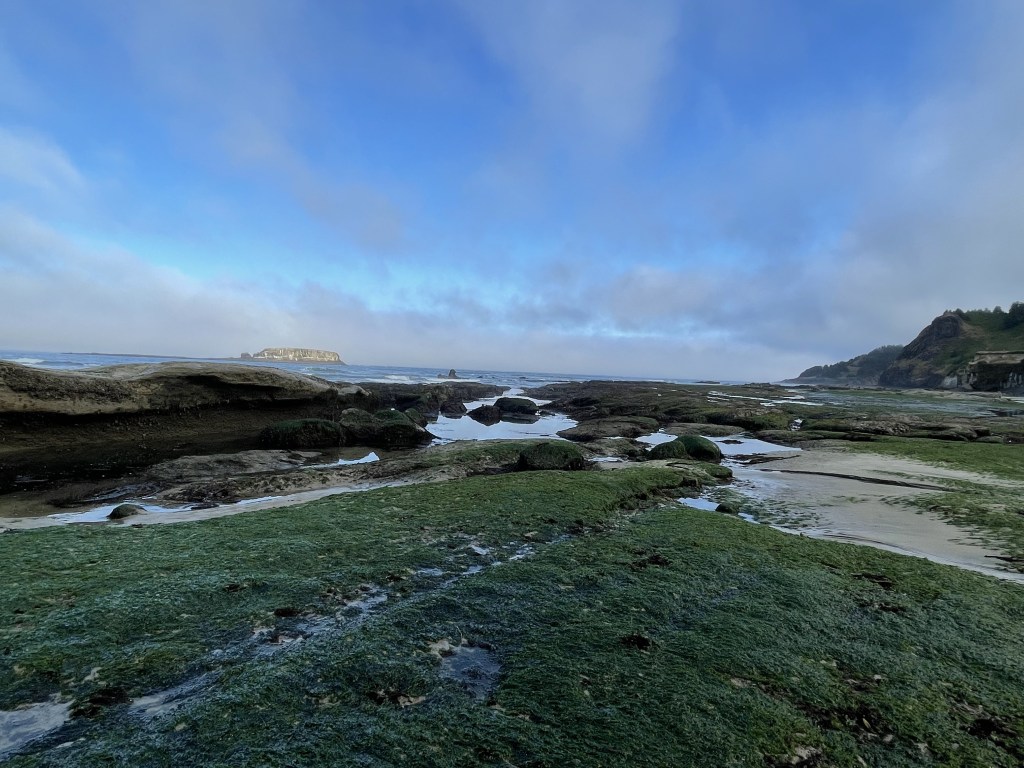
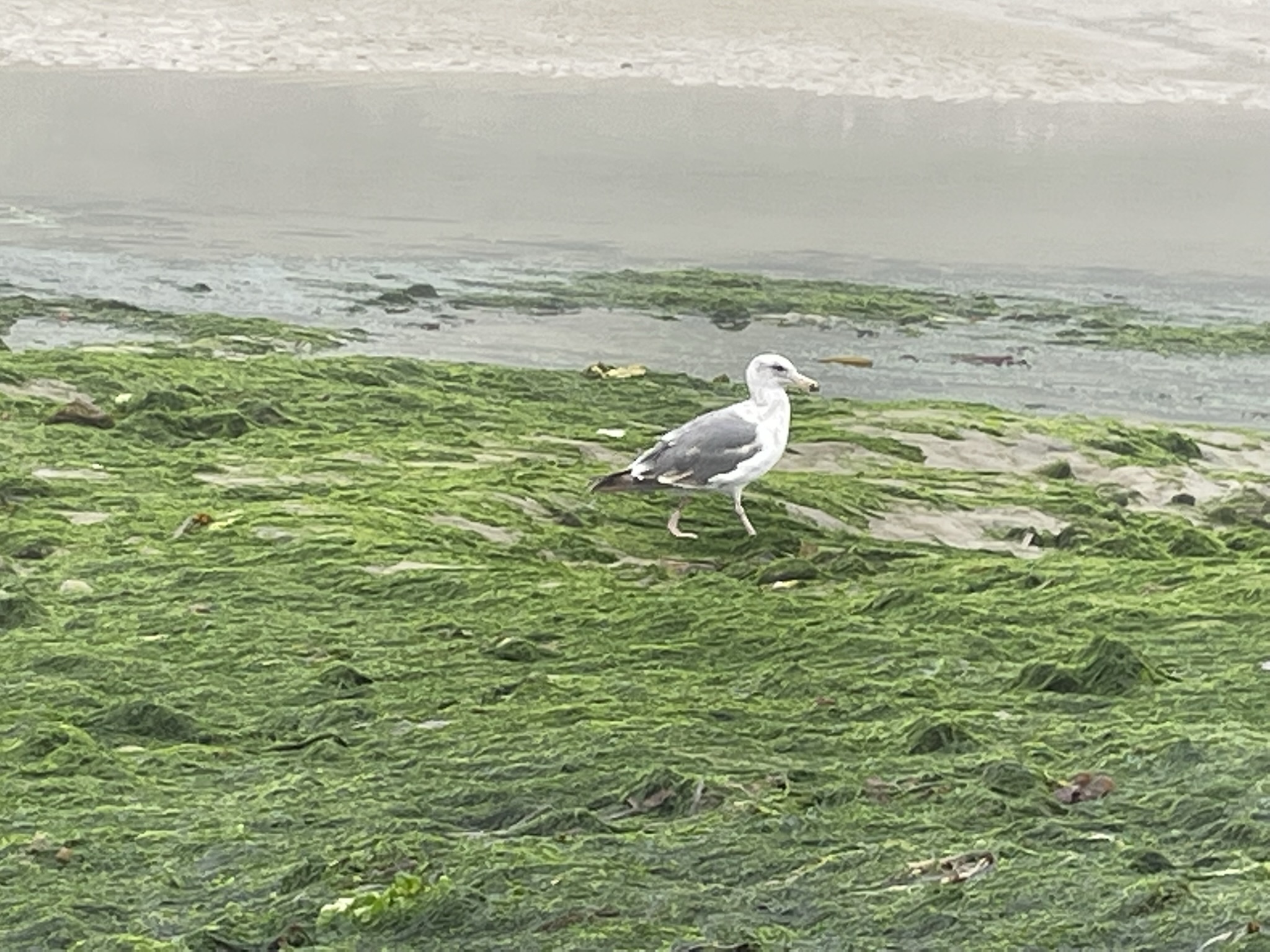
As you wander through the rocks the terrain feels surreal. There is so much to explore and so much sea life now visible at low tide. Shells, agates, muscles, sea urchins, starfish, and so much more ready to be discovered. There were many explorers this early morning, both young and old. We were surprised to find a young guide, a college student volunteer, who was a great source of information on the area’s eco system.


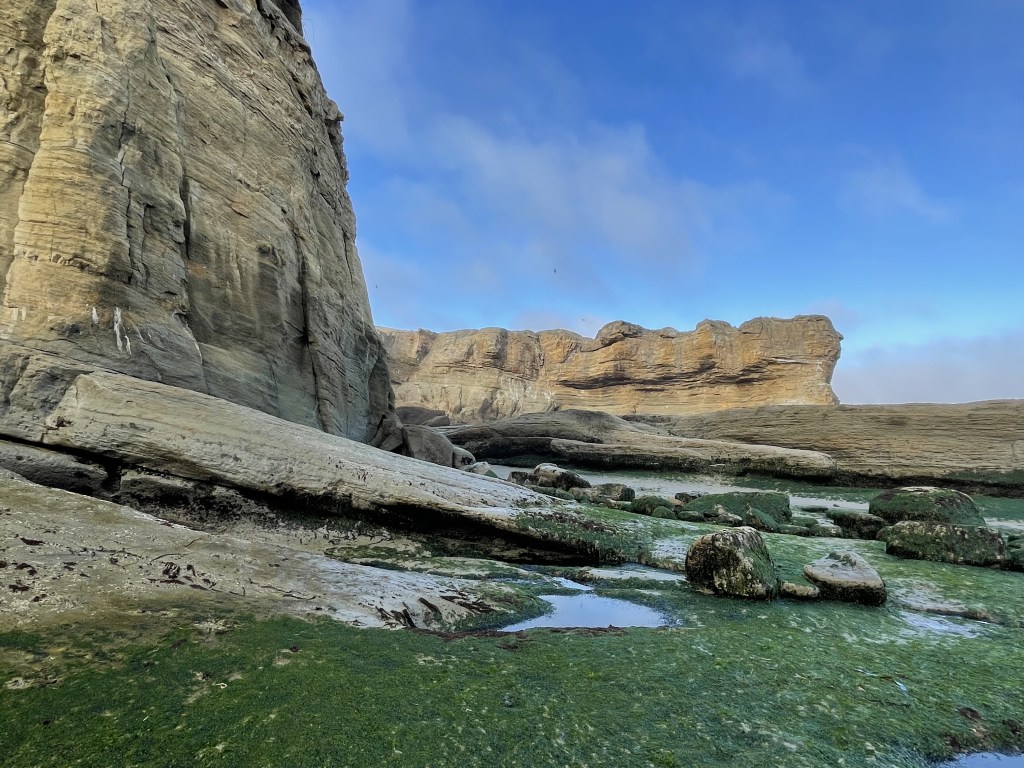

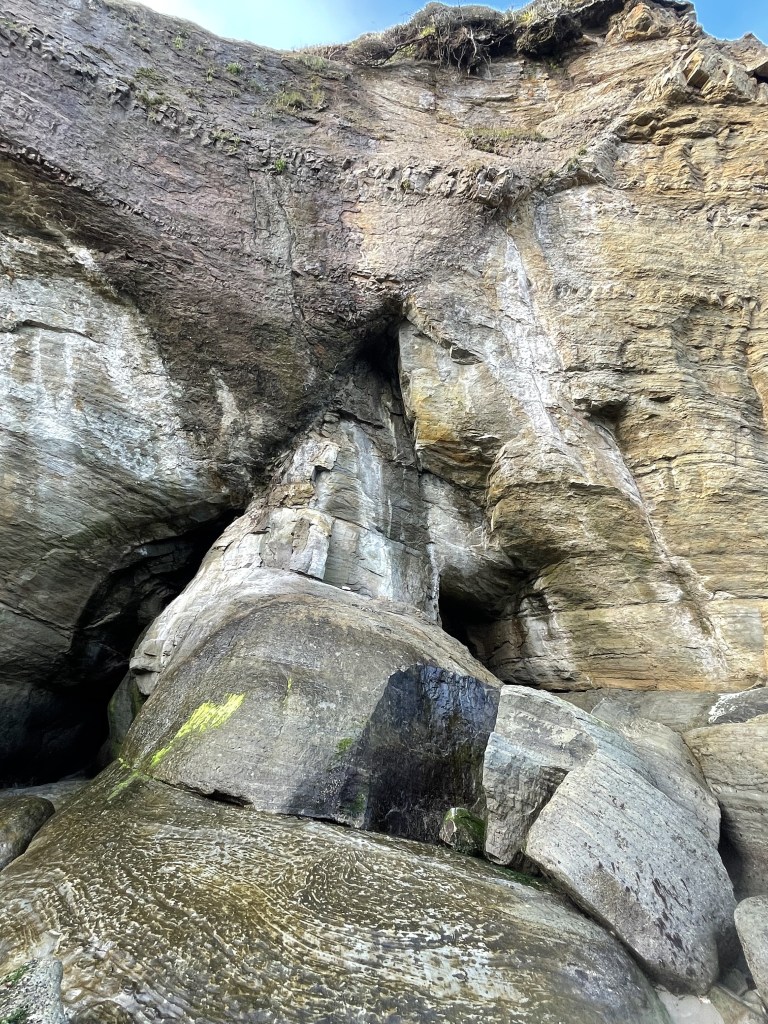
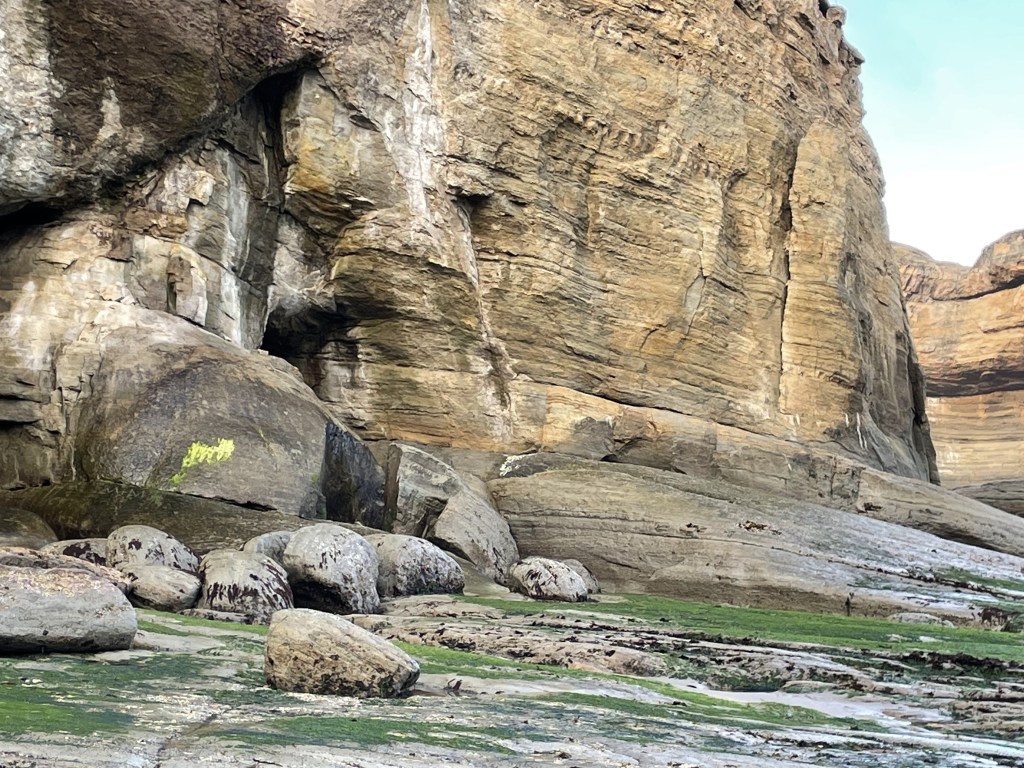
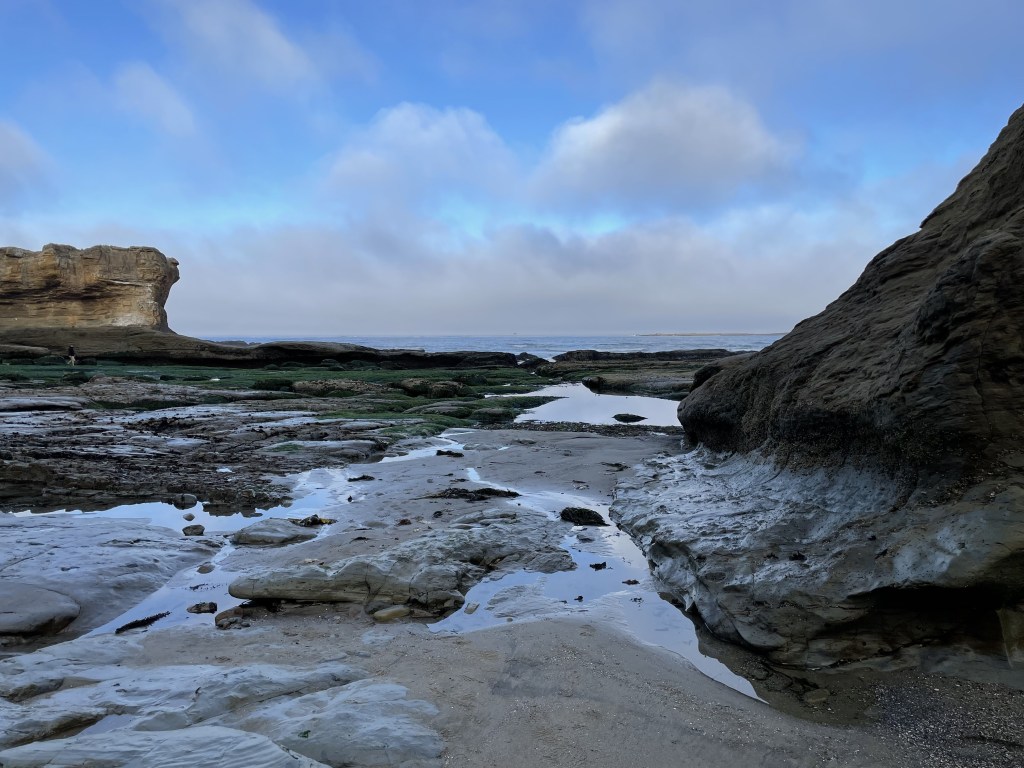


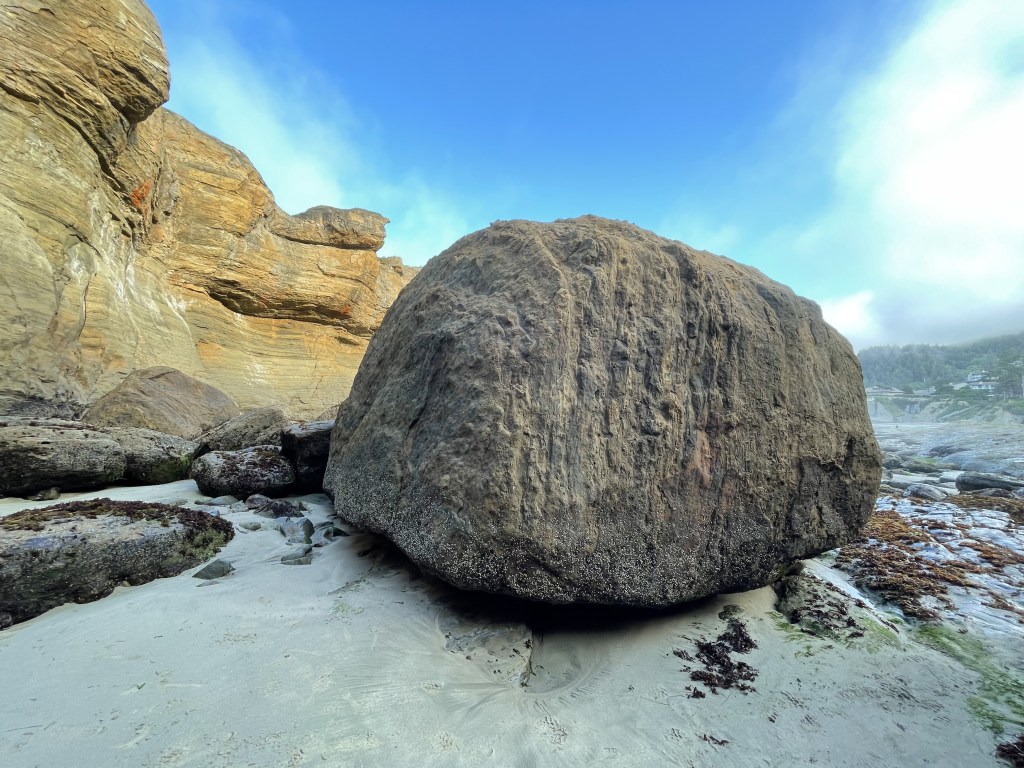
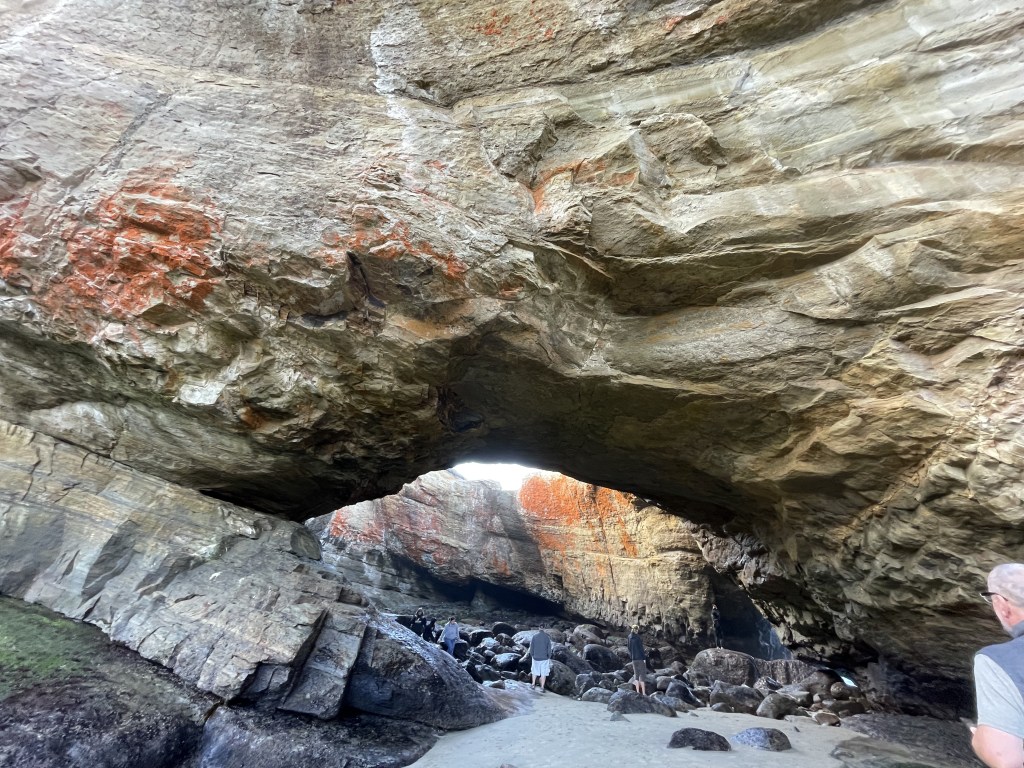


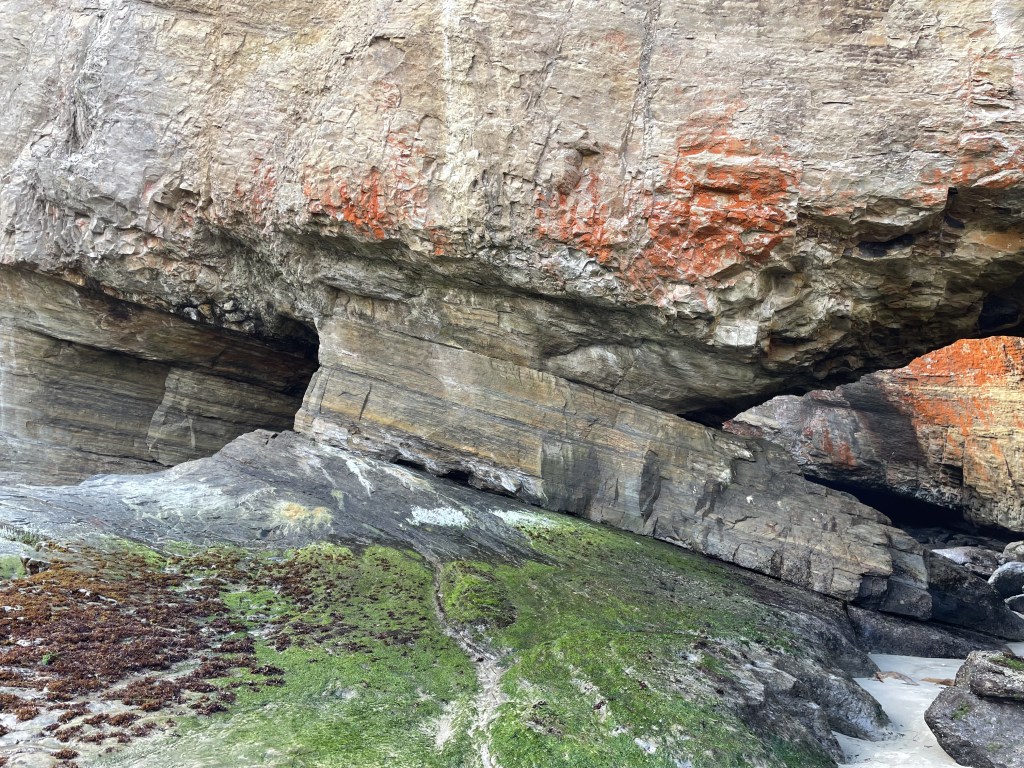


The Devil’s Punchbowl is not just a beautiful natural wonder but is also steeped in history and legend. According to local folklore, the Devil’s Punchbowl was created by the Devil himself, who, in a fit of rage, punched a hole in the earth and let the ocean flow in. While the geological explanation for the cave’s creation is a little less exciting, the myth adds to the area’s allure and makes it an even more intriguing destination.
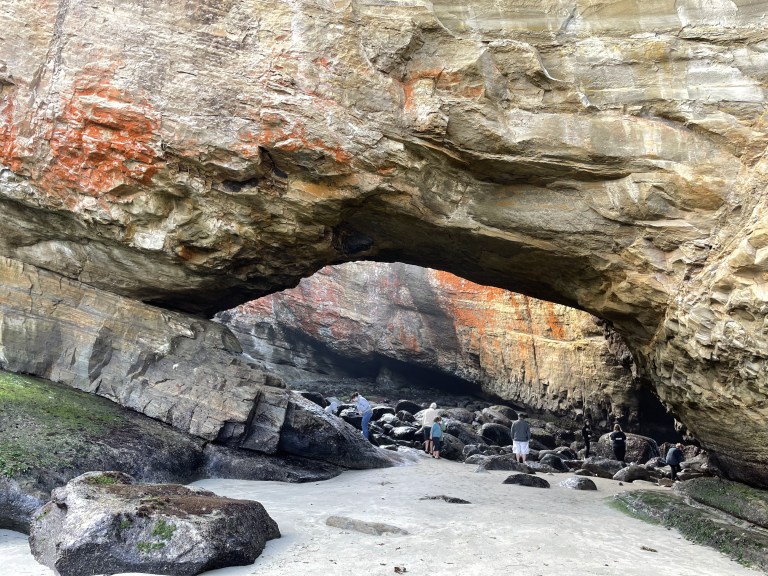
Overall, the Devil’s Punchbowl is a stunning destination that offers visitors a unique experience that they won’t find anywhere else. The combination of natural beauty, history, and folklore makes it a memorable destination for adventurers and nature lovers alike. We will never forget this magical spot. It was my favorite, and I wish I had spent more time there.
Whether you choose to explore the tide pools or take a guided kayak tour, the Devil’s Punchbowl is a destination that should not be missed on your next trip to Oregon.







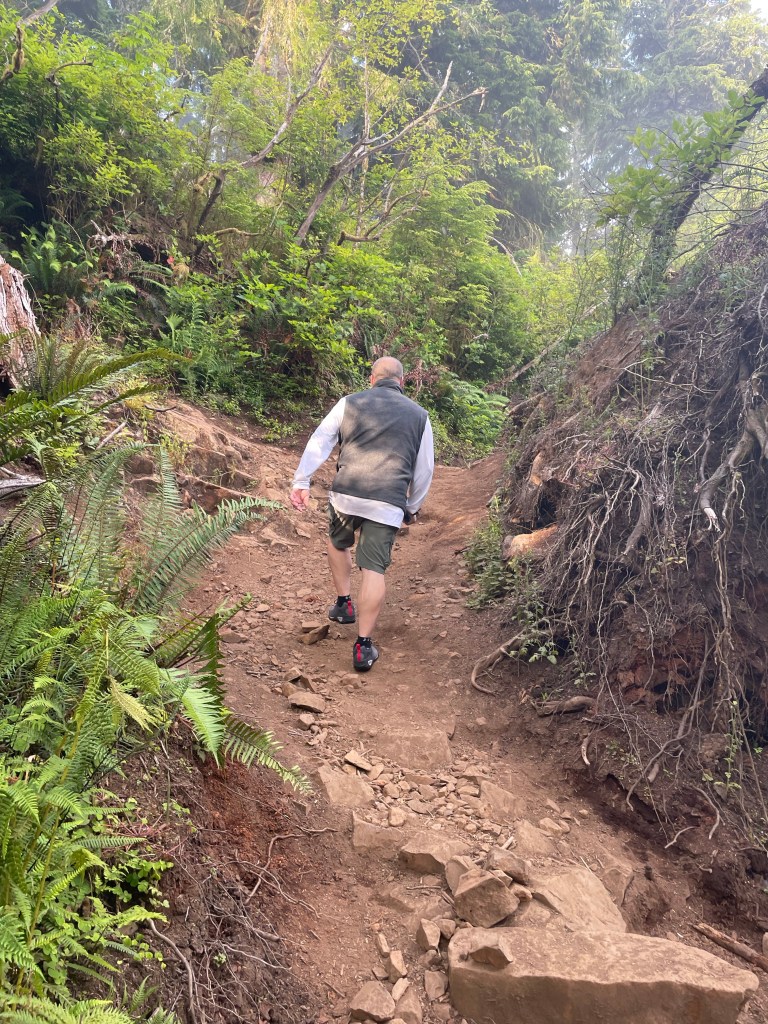






































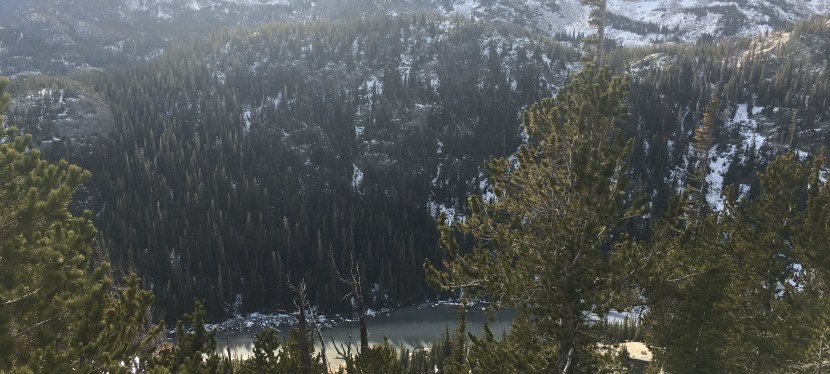






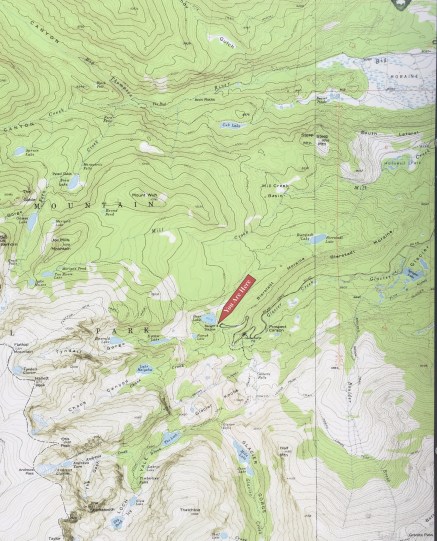 It’s time to head to the trailhead at Bear Lake. We had decided on a moderate trail, but soon realized we were mistakenly on a challenging and difficult trail. Flattop is an 8.8 mile, in and out trail, beginning at an elevation of 9,475 ft. at the Bear Lake trailhead, and climbs approximately 3,000 ft. to the top elevation of 12,324 ft. We began our climb on a chilly 35° temperature day but quickly needed to peel away outer layers of clothing as our body temperature rose from the uphill climb.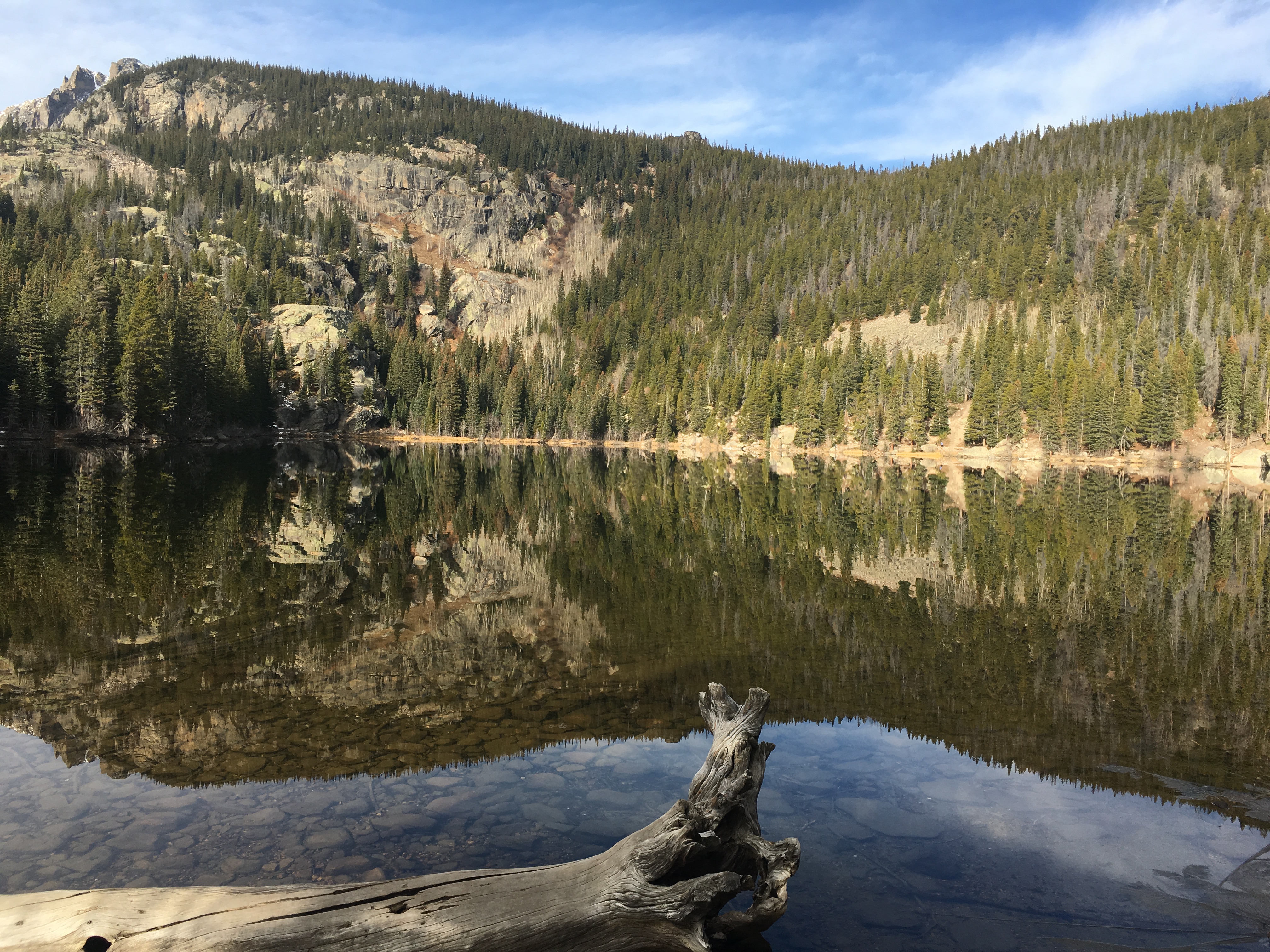
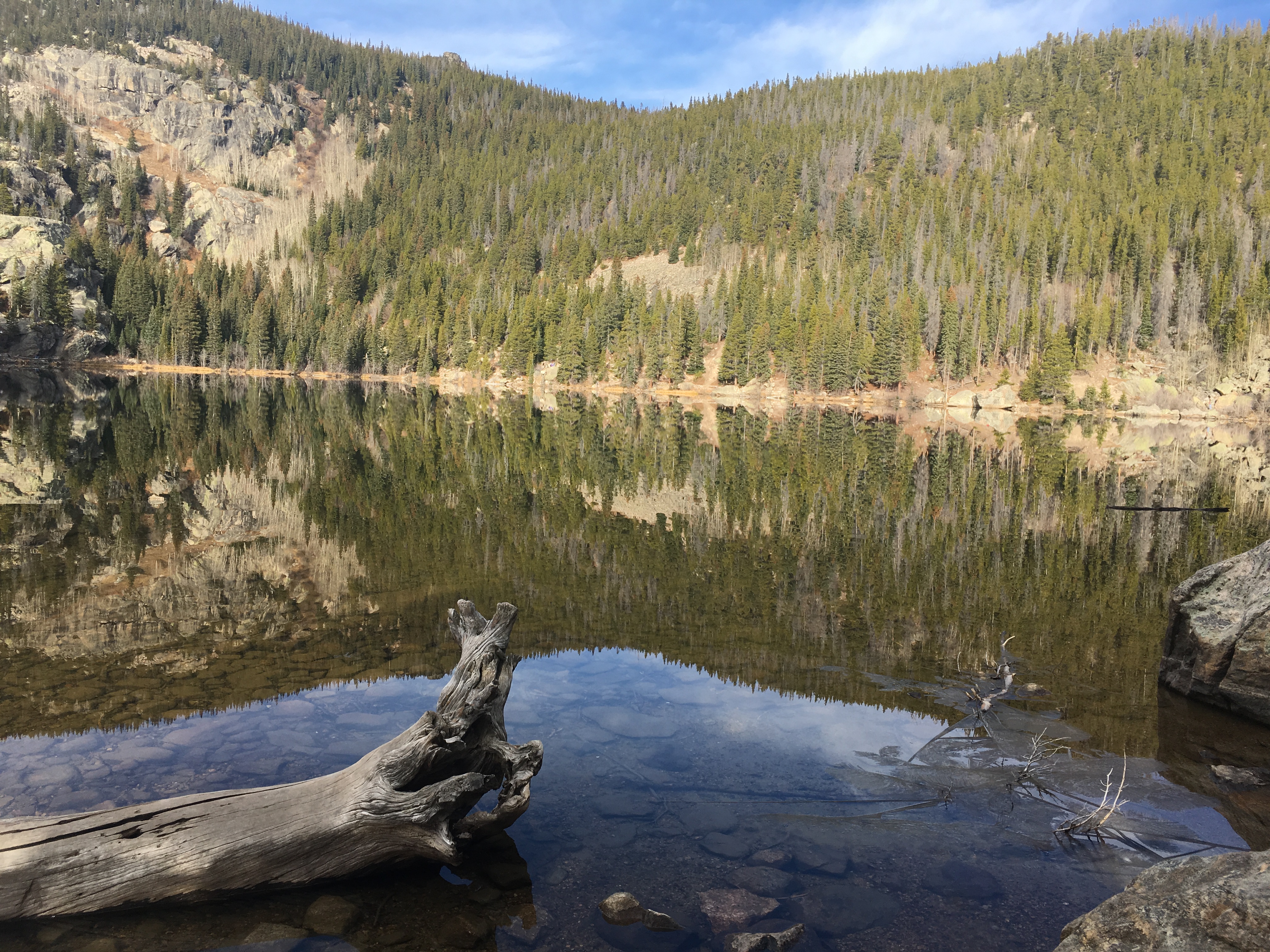


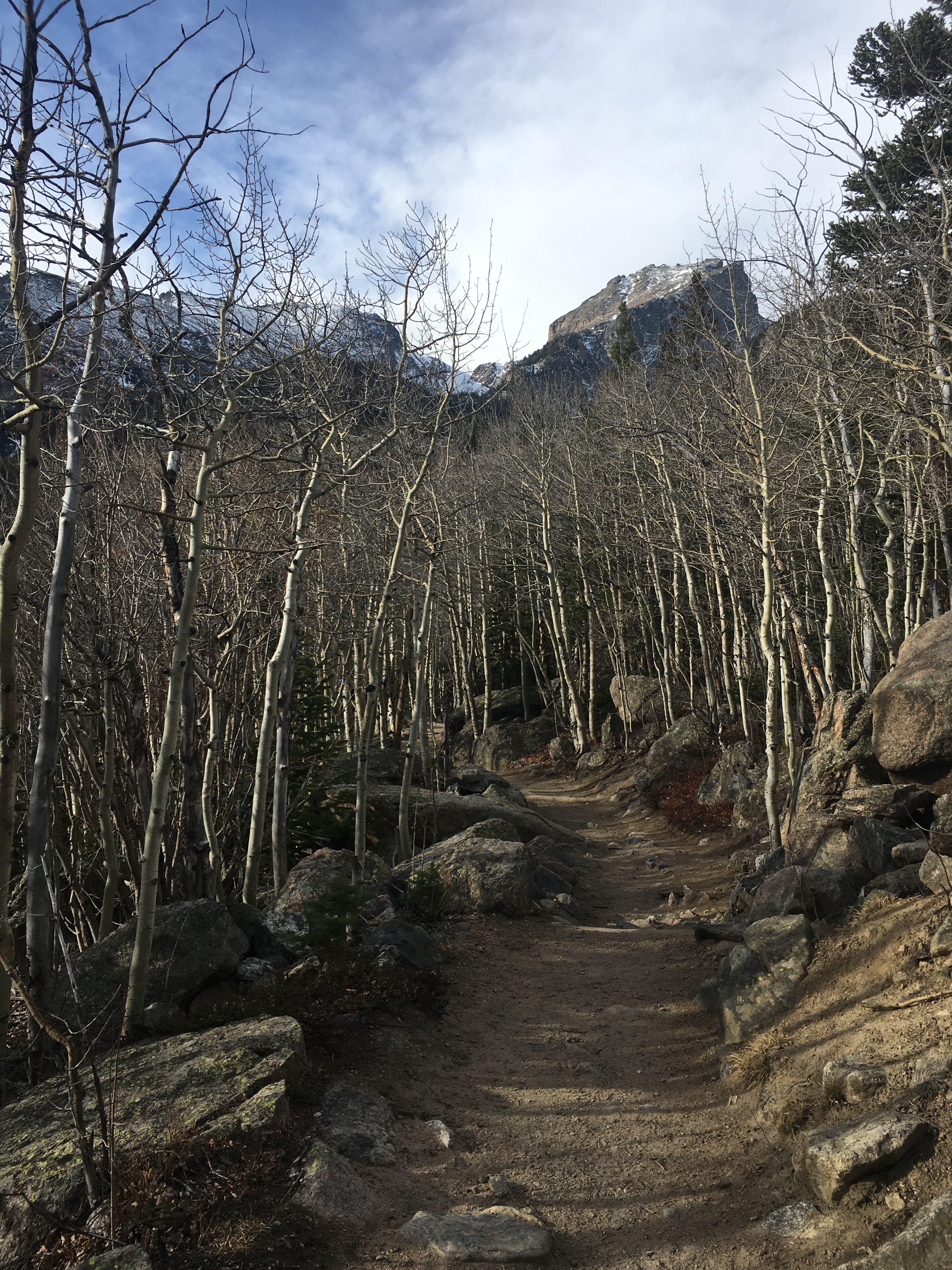


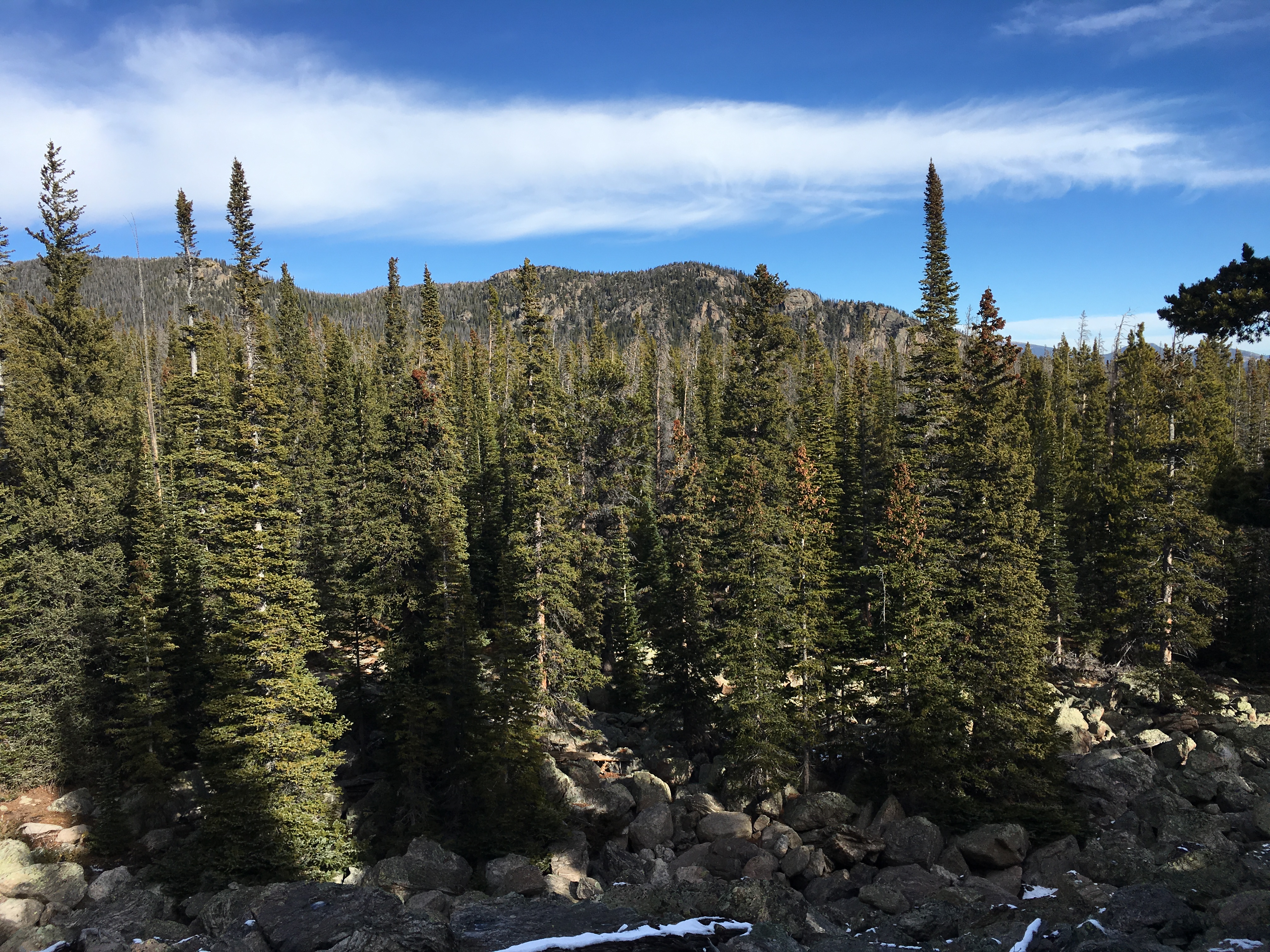

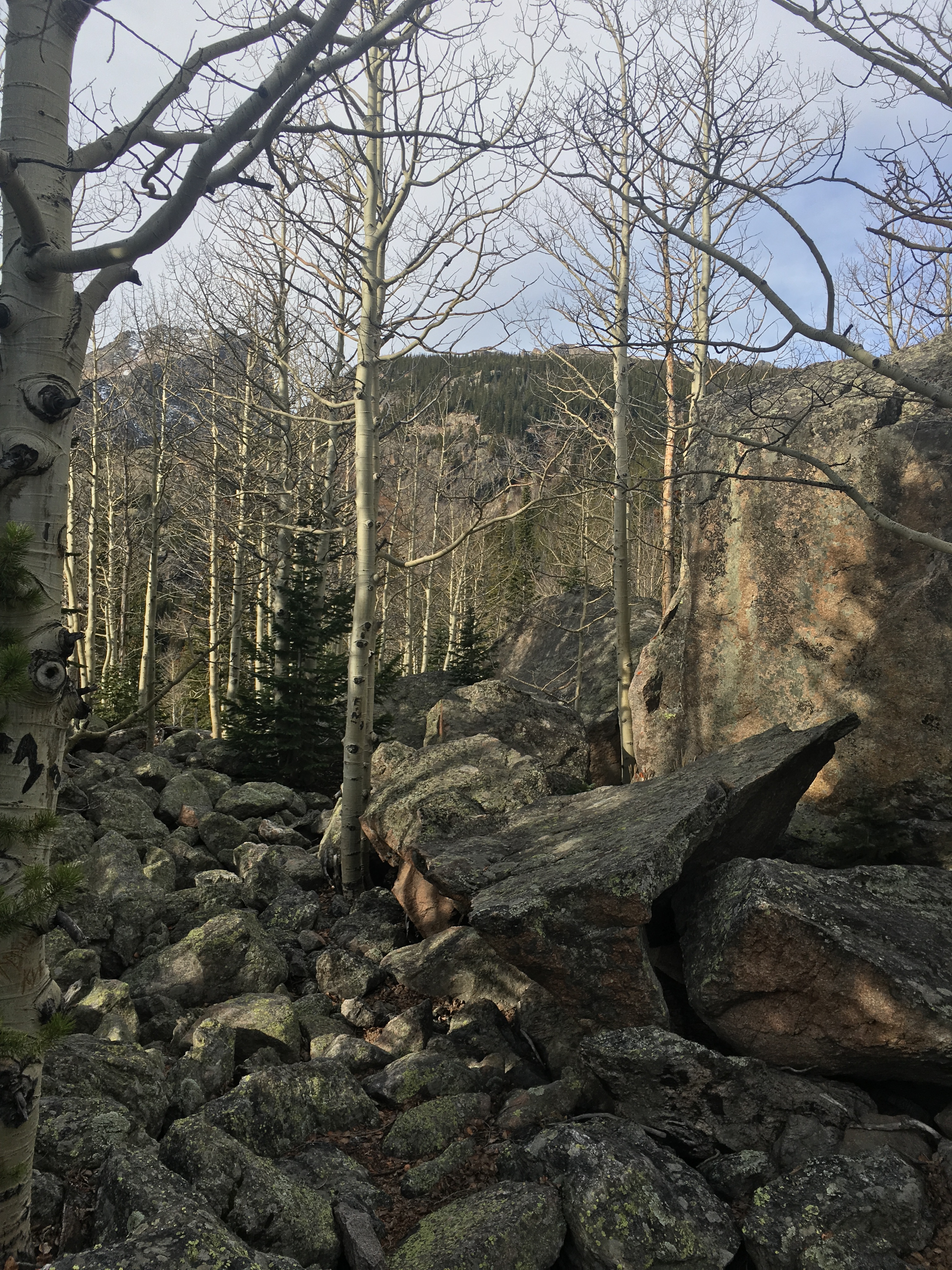 b, and maneuvering your way around the rocks to get a secure footing can be challenging. After one wrong step, my husband’s knee gave out and we were forced to descend before reaching the peak of the trail. We were disappointed; we were so close.




 Pine Island Ridge was an important Seminole settlement area and the location of many of the Seminole religious ceremonies. It was also used for raising crops. This land remains a sacred and meaningful place for the Seminoles.
 Road Drifters