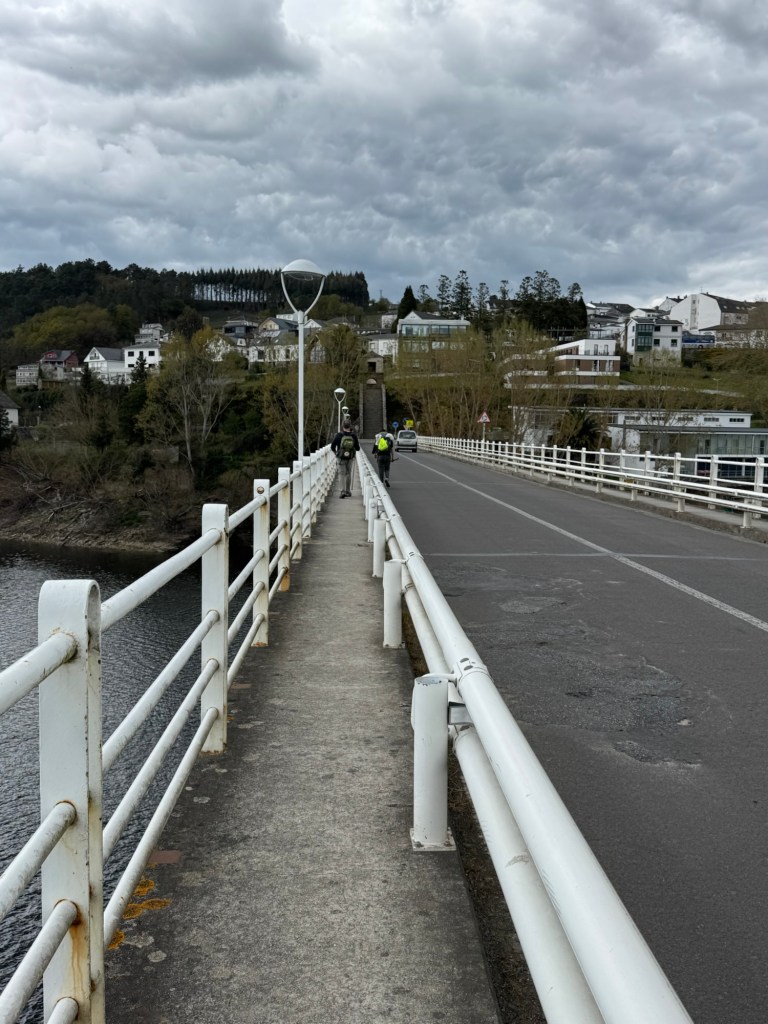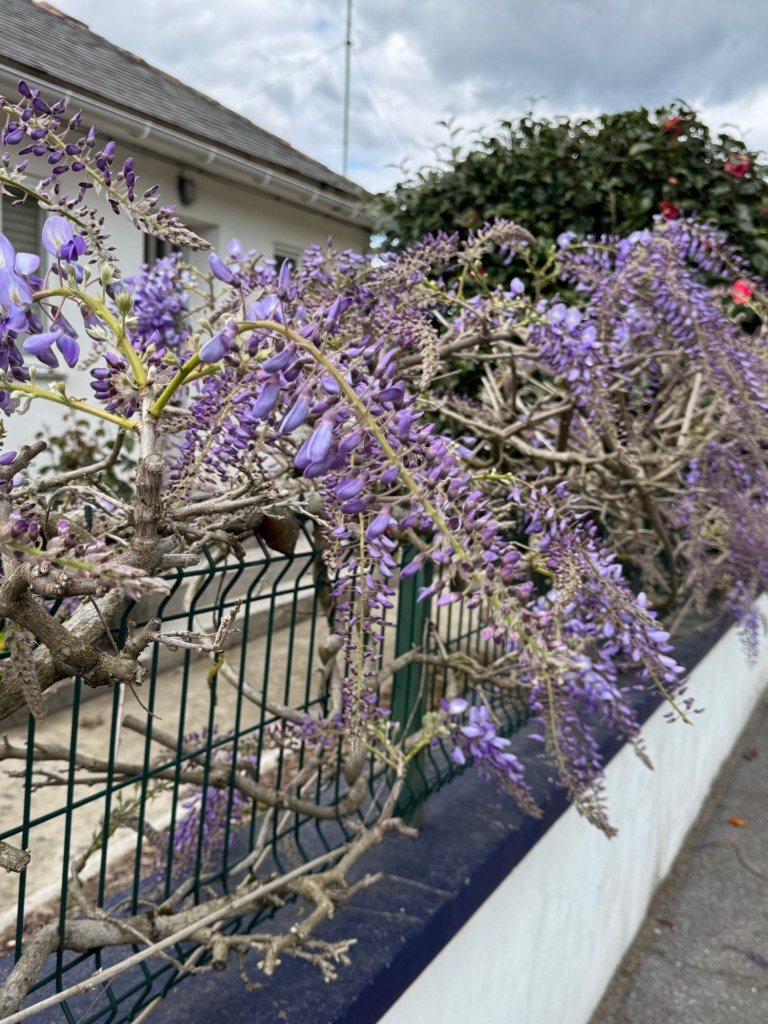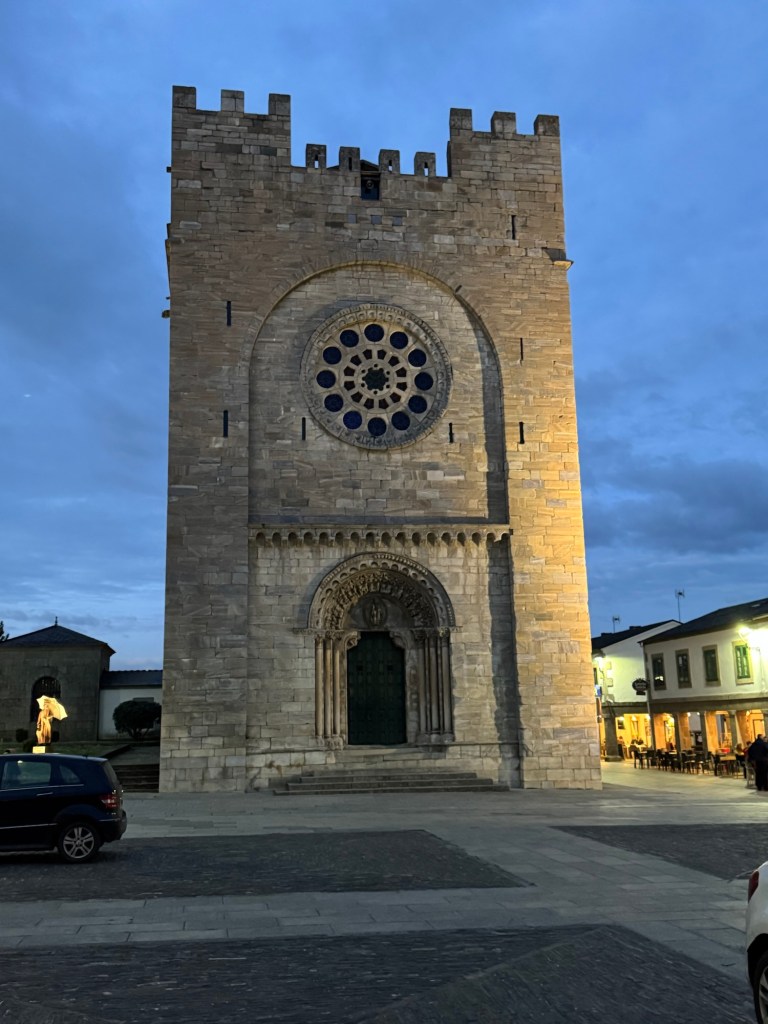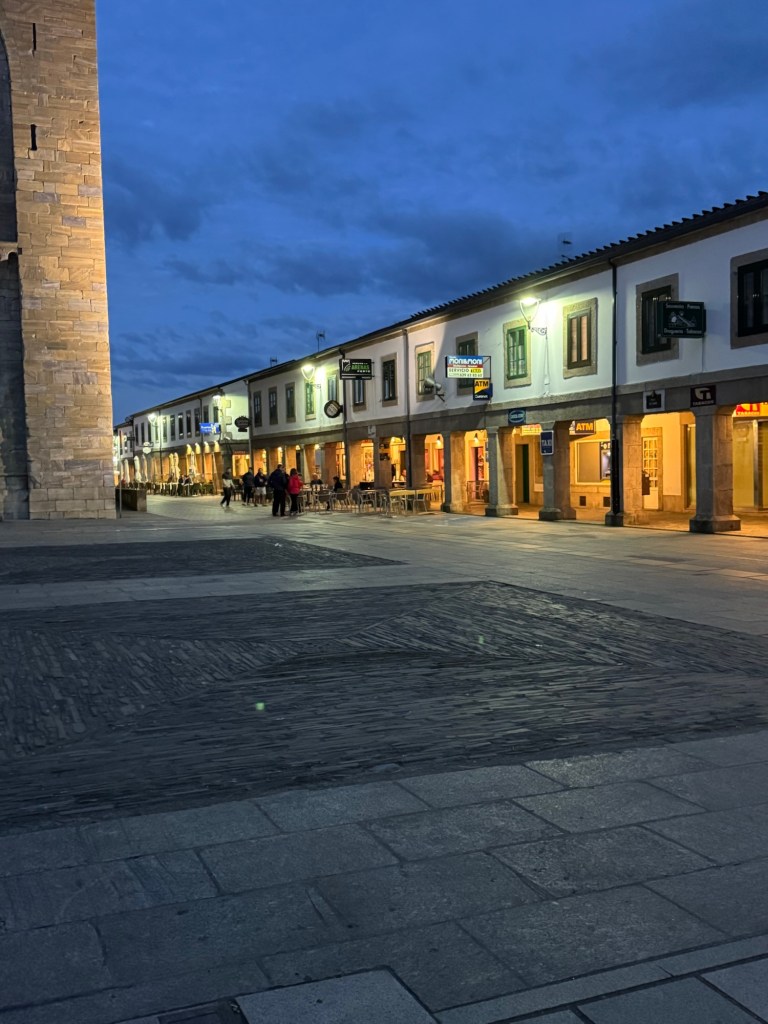
Day 5: Our Final Day on the Camino

We arrived in Spain filled with the anticipation and excitement of a dream nearly ten years in the making—a dream to walk the Way of St. James, the Camino de Santiago. Whether inspired by a movie, or by the physical challenge itself, we knew this journey would mean more than all our expectations. Were we ready to walk in the path of so many pilgrims before us? Did we properly train to walk 115 kilometers from Sarria to Santiago? We would soon learn what our minds and bodies could endure, and the lessons learned along the way will forever shape who we are and how we live our lives.

The Camino de Santiago is a spiritual and personal journey rooted in history spanning over a thousand years. Pilgrims from all over Europe walked through different routes to honor the remains of St. James the apostle, and patron saint of Spain. The Camino Frances (the French Path) is the most popular, but there are many other routes leading to Santiago de Compostela.

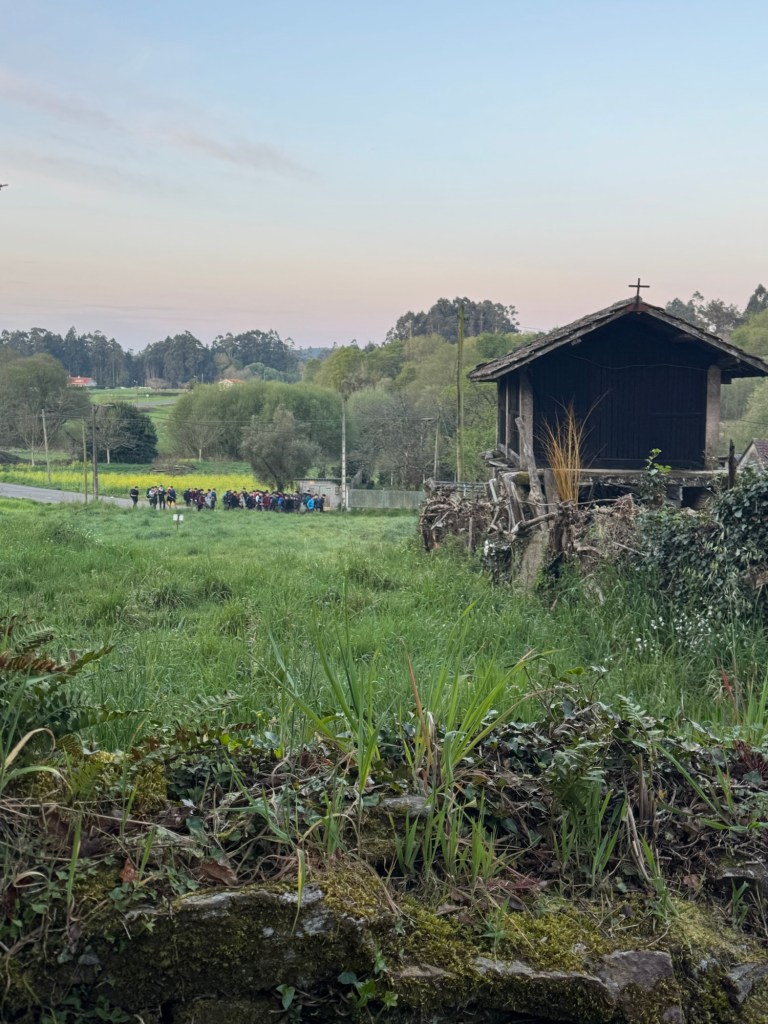
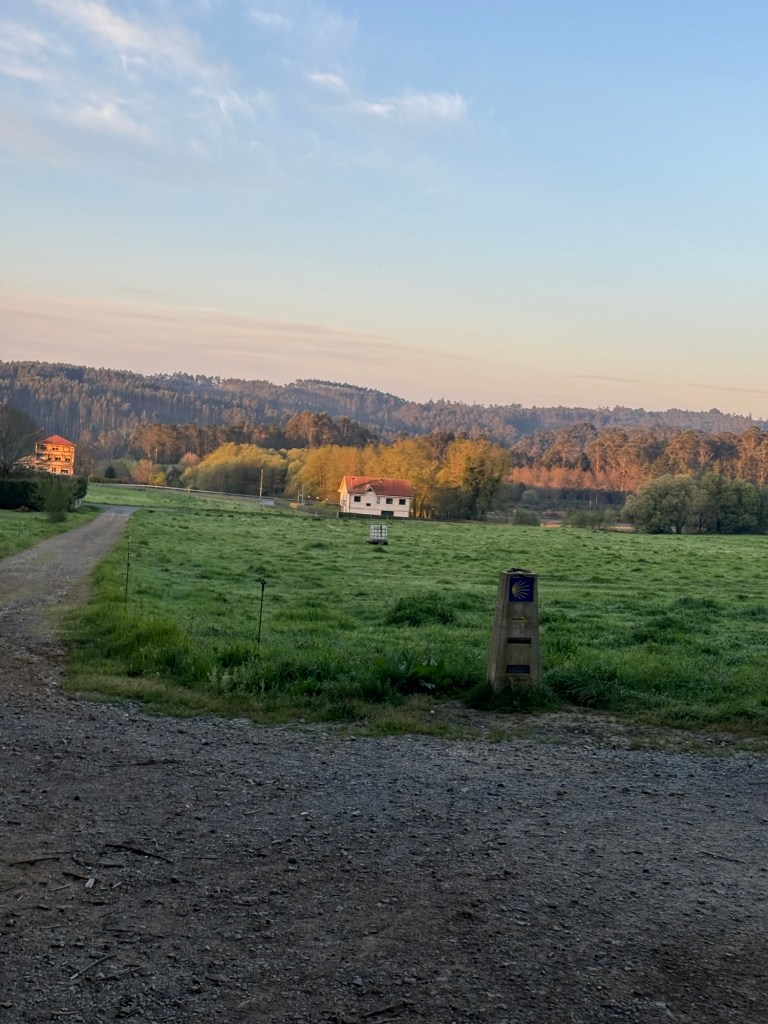
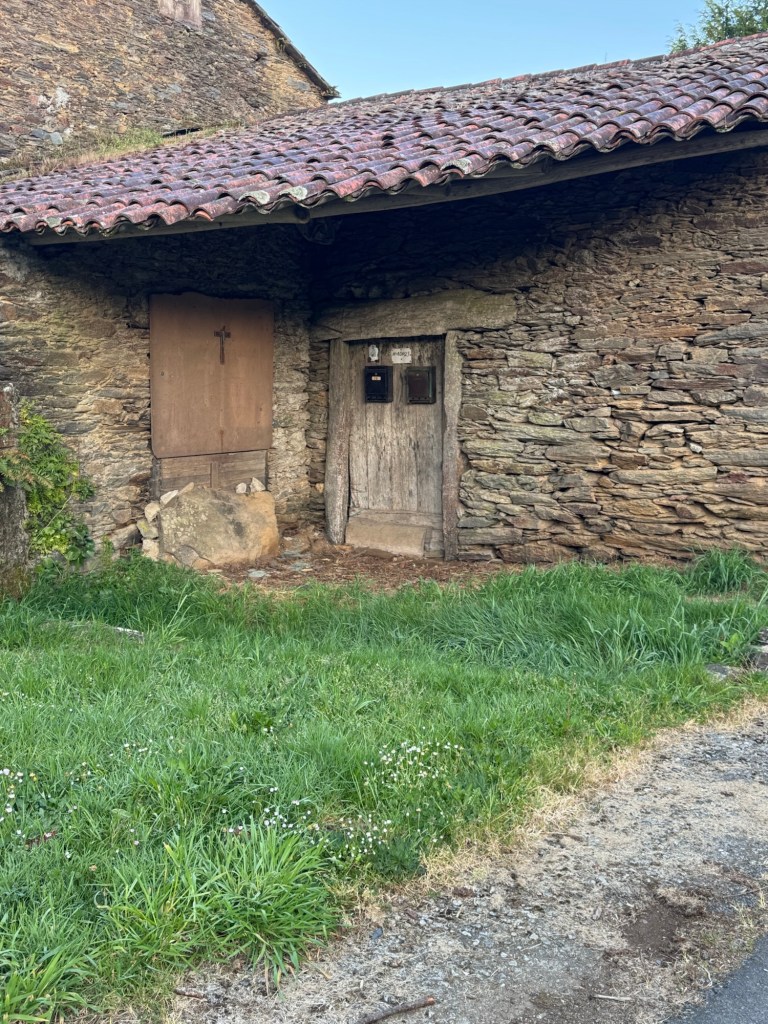
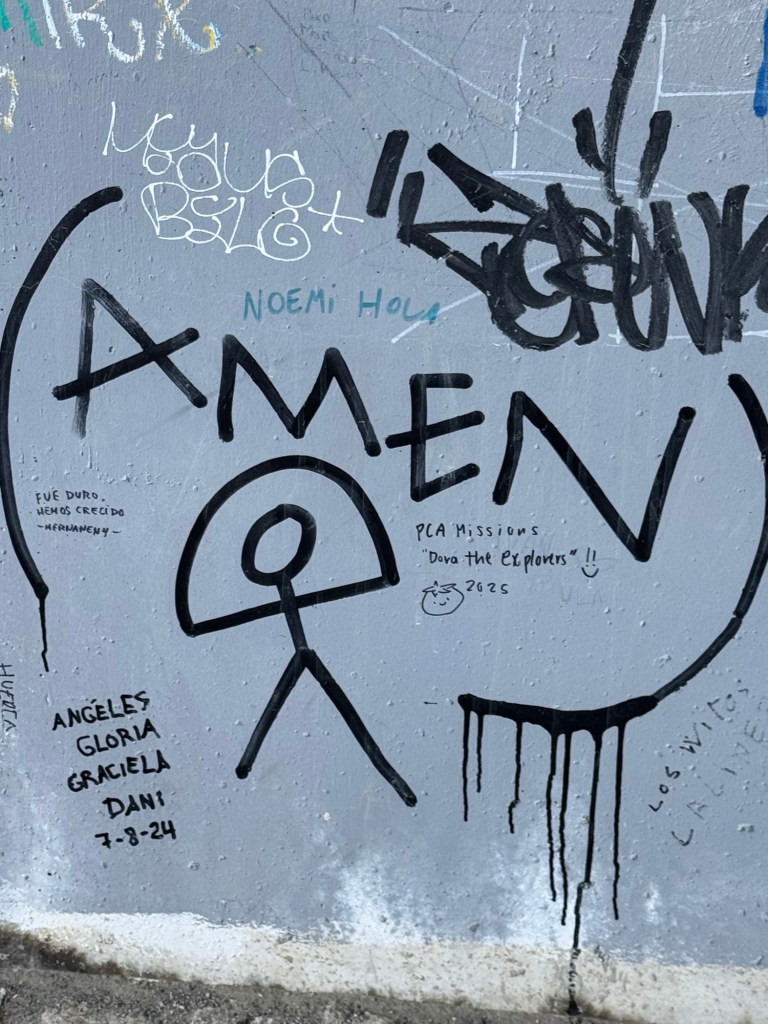
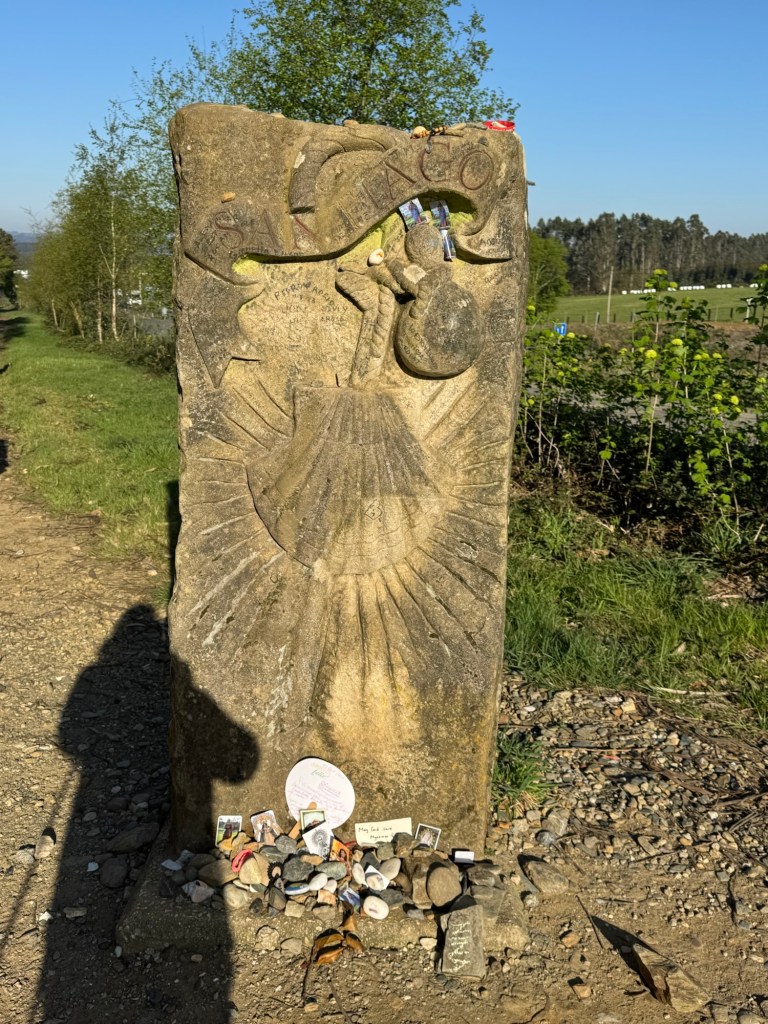
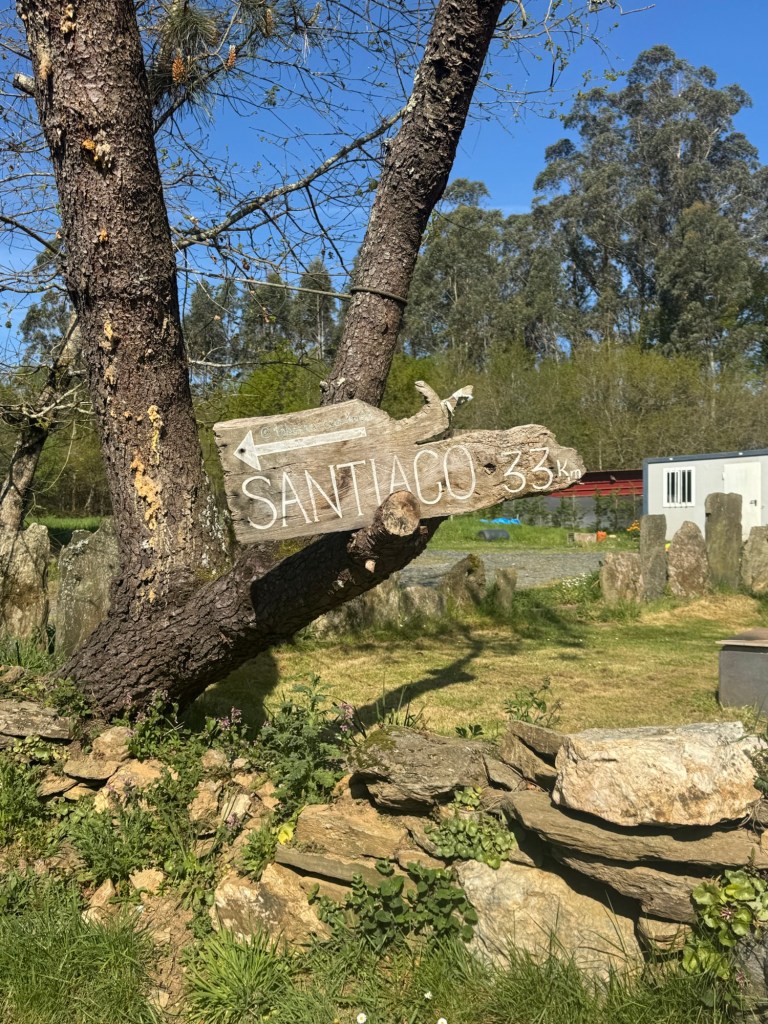
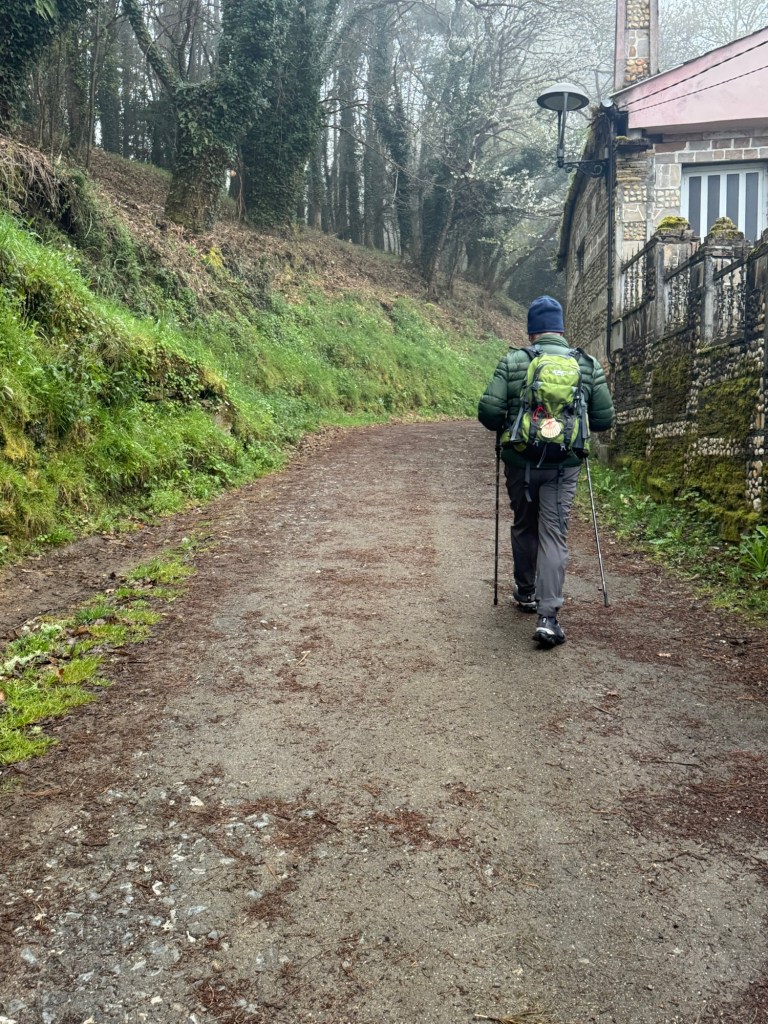
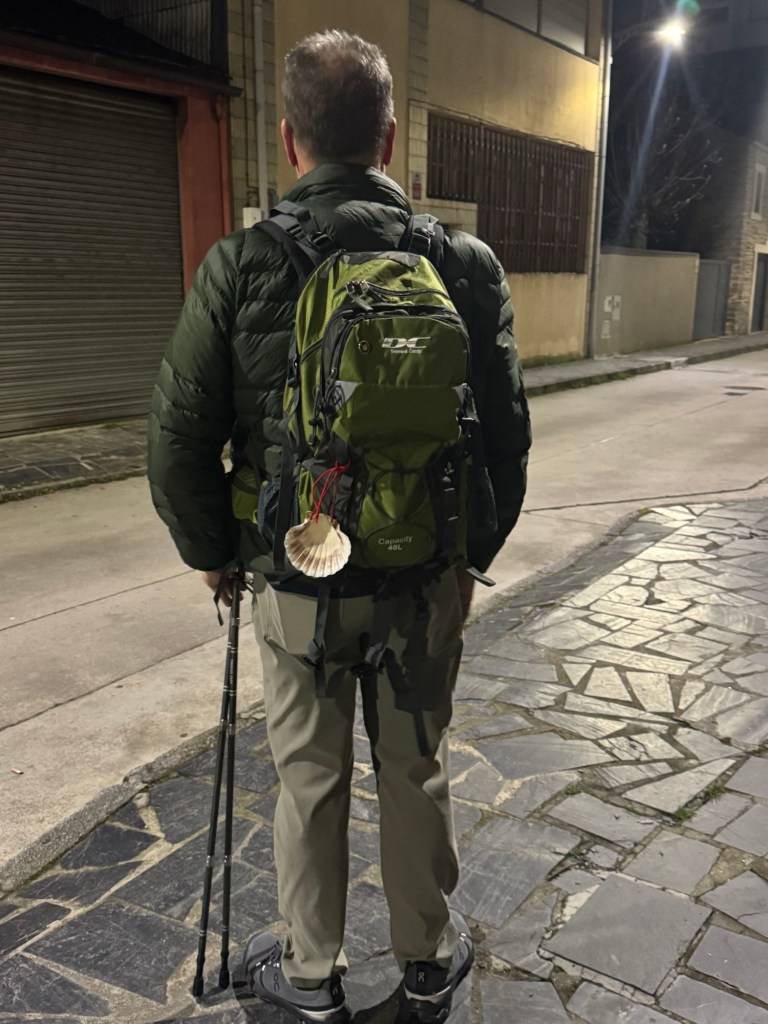
We began our last day on the Camino before sunrise. Today we walk 20 km (12 miles) to our final destination- Santiago de Compostela! I was nervous. My legs were in pain and my stomach was queasy, but the determination was strong. We would finish our journey.

This was the most challenging day for me. The long uphill climbs and steep descents tested my endurance. Still, the journey was filled with unexpected moments of beauty and joy that made the effort worthwhile.

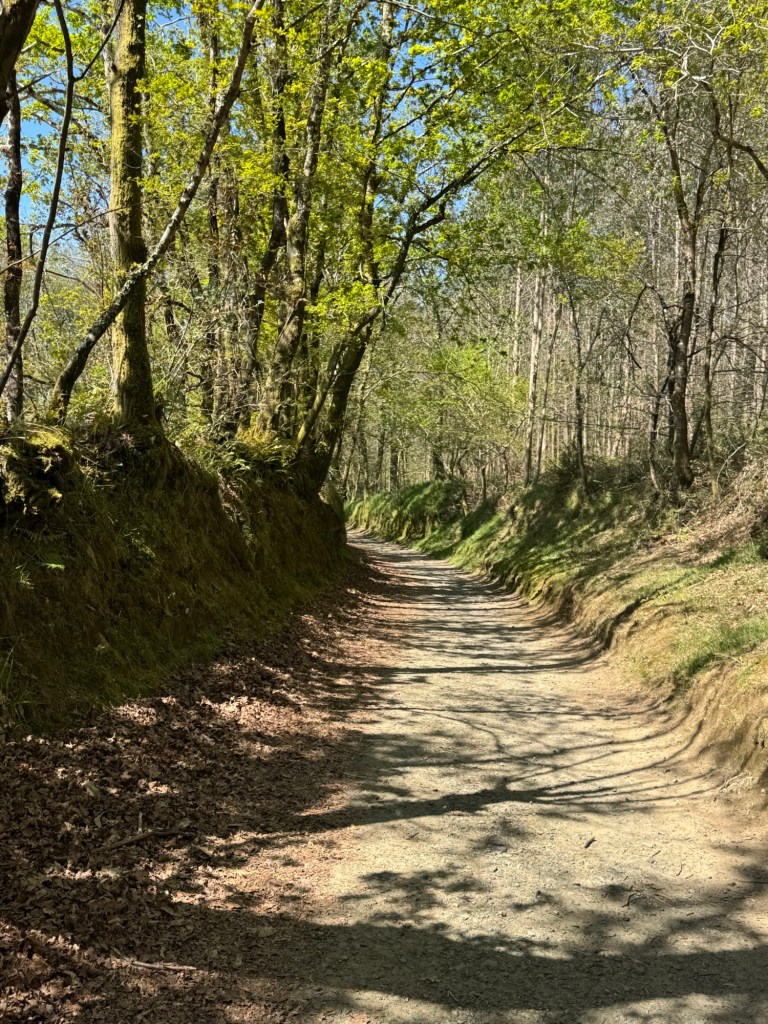
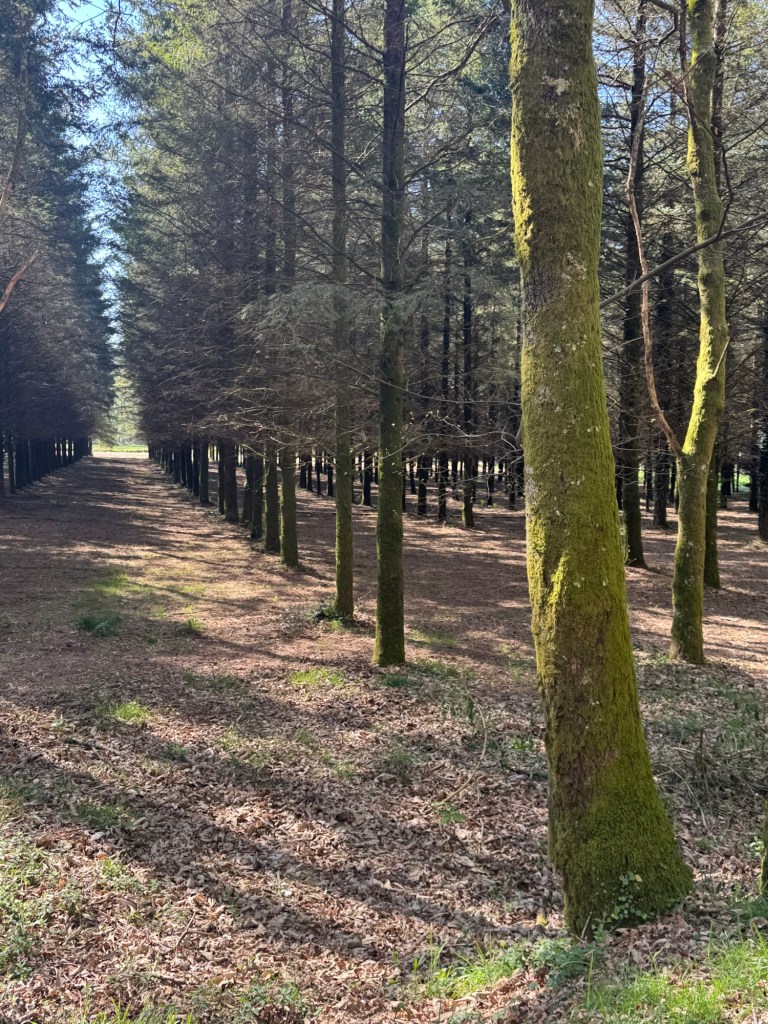
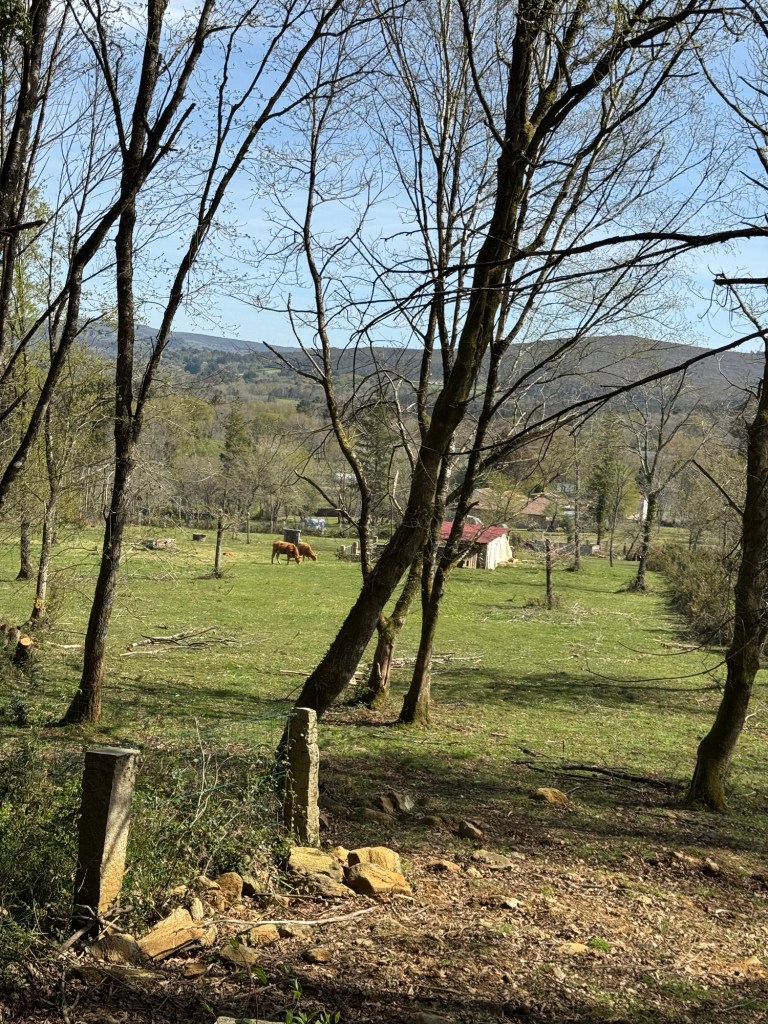
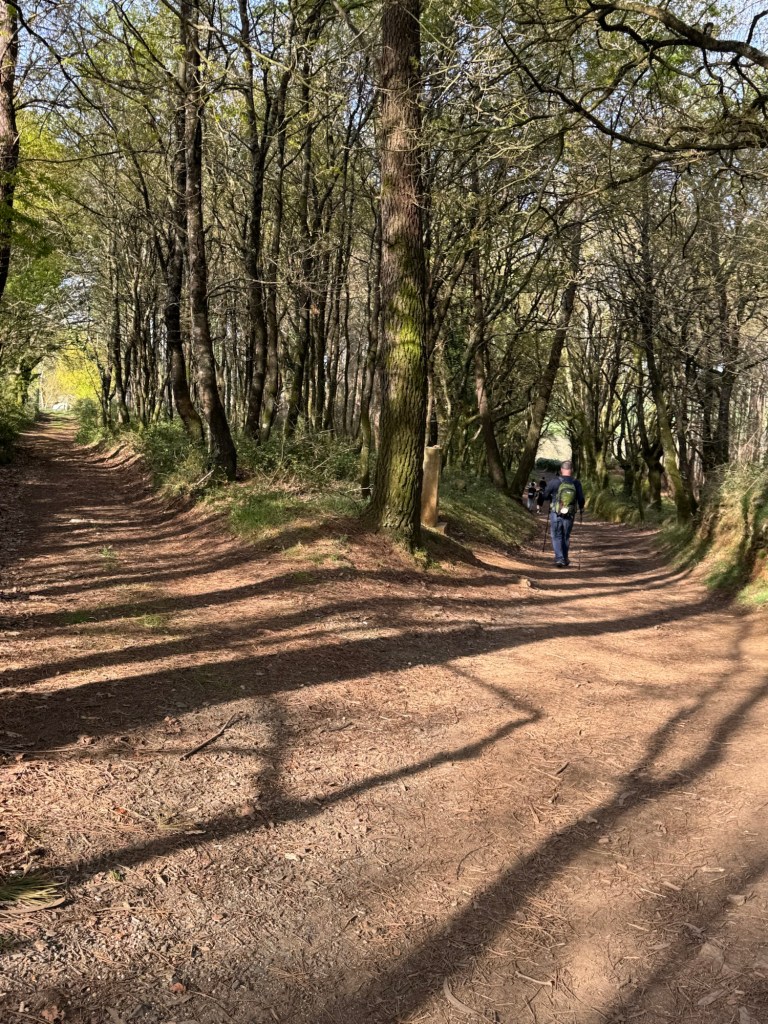
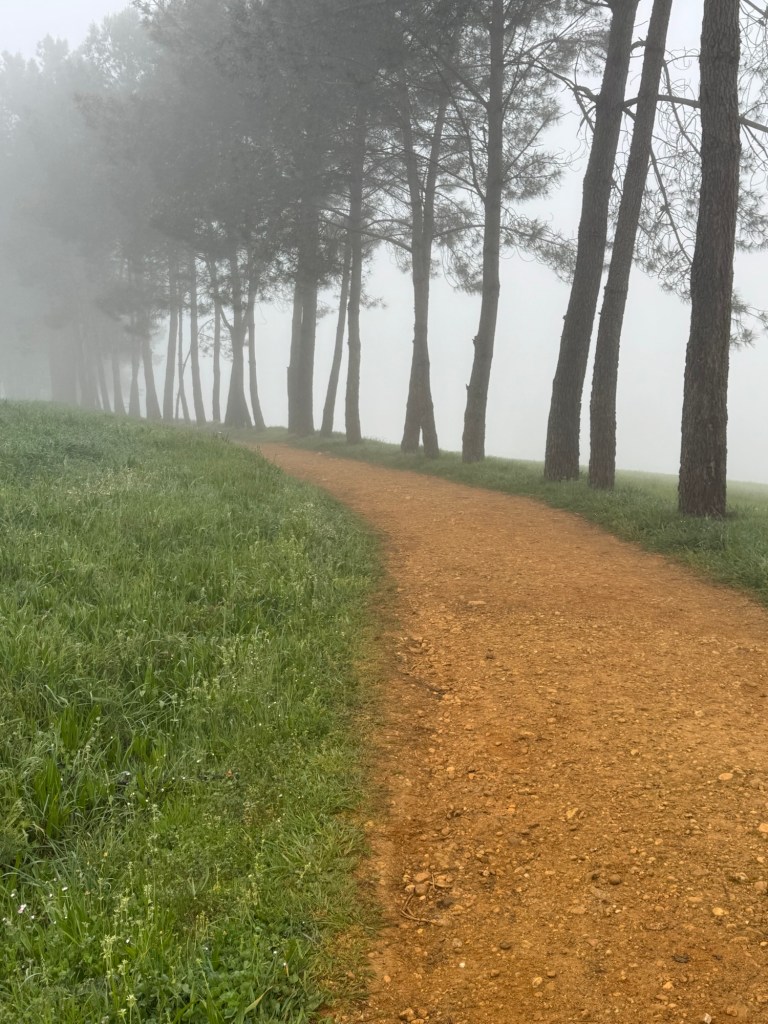
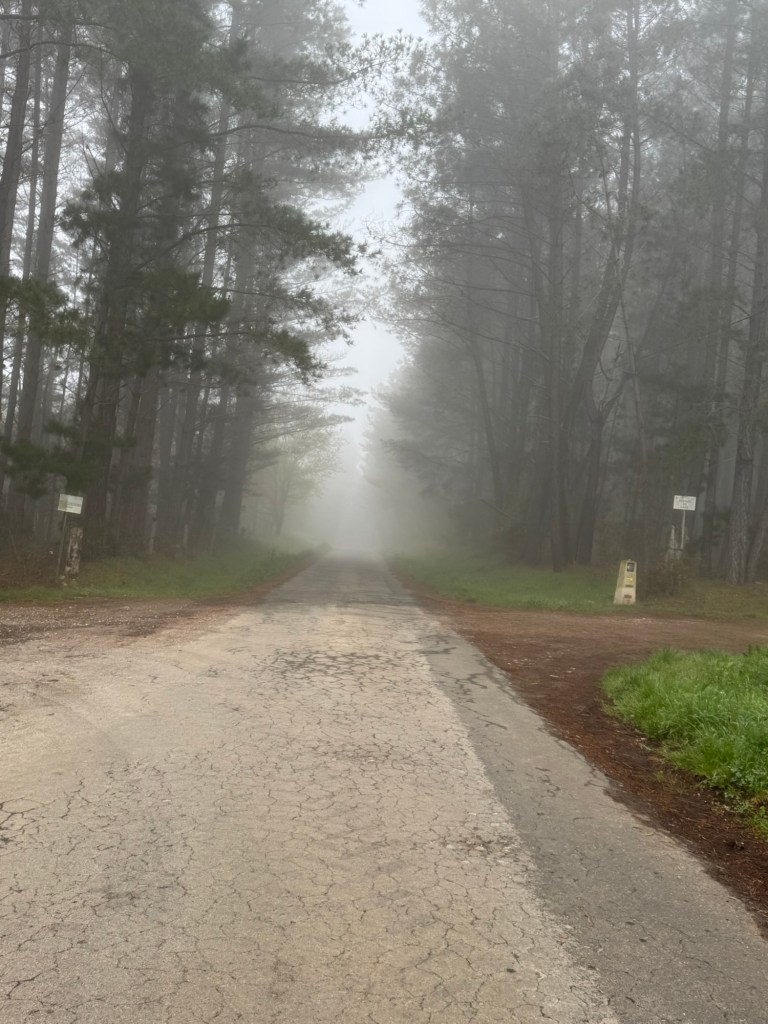
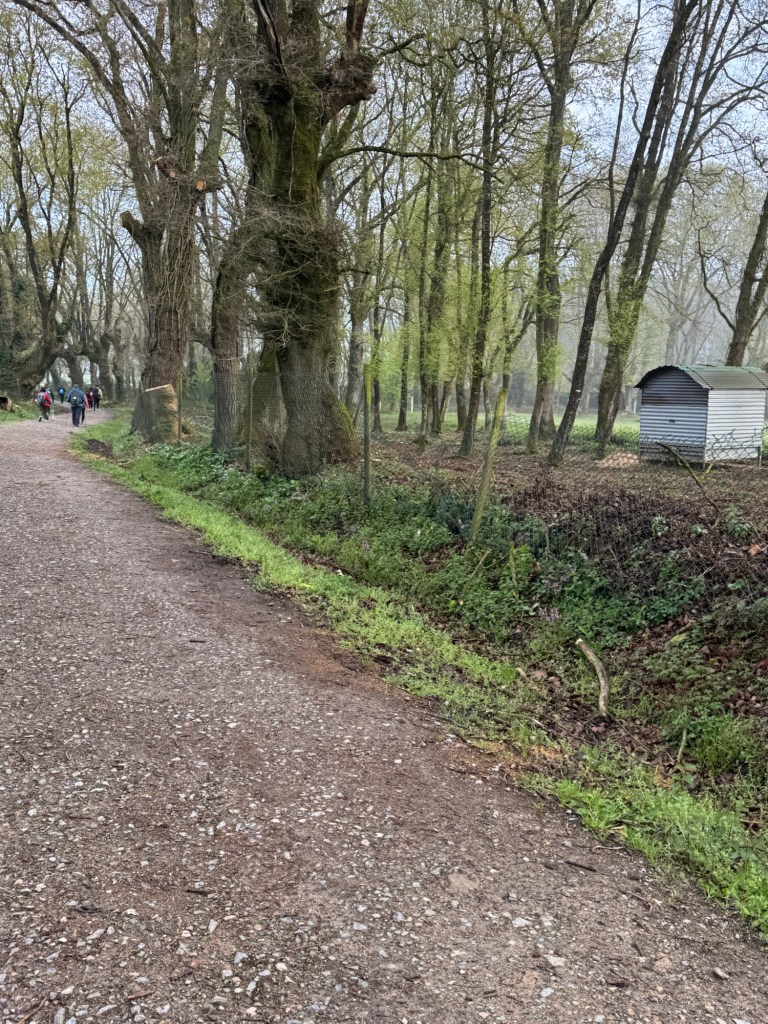
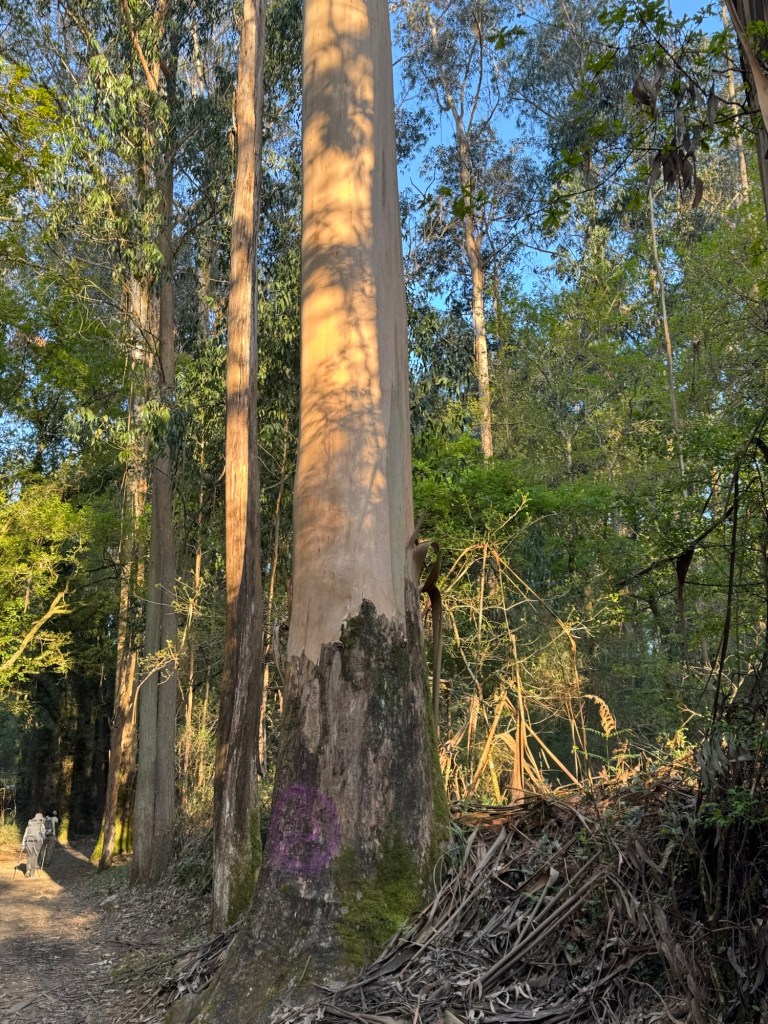
The air was filled with the fresh, invigorating scent of eucalyptus. I hadn’t expected to find myself in a forest of towering eucalyptus trees—it felt like a gift for a weary traveler. I breathed it in deeply, savoring the moment, until the next hill appeared, reminding me that the trail’s challenges were far from over.
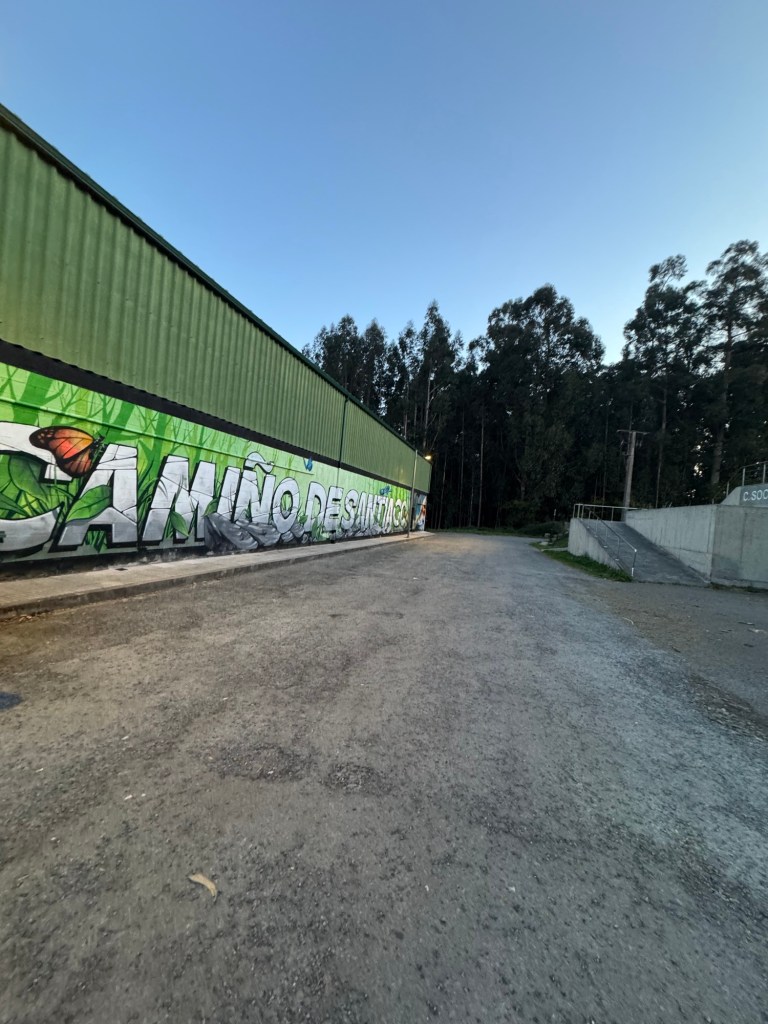
As the hours ticked by and the hills got steeper (or maybe I got slower), I began to resemble a weary turtle—sweaty, grumpy, and carrying too much on my back. Enter my husband, the unsung hero of the day. With zero fanfare and just the right amount of smugness, he took my backpack and added it to his own, transforming into a two-pack mule with the swagger of a Marvel character on pilgrimage. He powered up those hills like it was nothing, while I trudged behind him—grateful, yes, but also suspicious that he was secretly enjoying his moment of glory. Still, in that moment, I was reminded that love isn’t always flowers and romance—sometimes, it’s just someone hauling your stuff up a mountain without complaint.

My superhero

We had met a few days before a beautiful Jewish family from New Jersey. Two daughters traveling with their 85 year old mother. Their mom had majored in medieval studies in college and her interest in the Camino was born in her 20’s. Today, over 60 years later she told her family that she wanted to do the Camino, and she wanted them to come with her.

We talked about family, and bonded over our shared upbringing in NJ. Shout out to the garden state! I was inspired by their mom’s resilience and dedication to follow her dream at the age of 85.

There was a different energy along the Camino today. Our hike through Galicia would end in just a few hours. What would it feel like to reach Santiago? What life-changing revelation would this journey unveil? Deep in thought my mind wandered to the sound of bagpipes. Bagpipes? Another Camino surprise was waiting just around the bend.

I’m not sure if this musician always plays along the Camino, but for all future pilgrims, I truly hope you get to experience this magical moment.

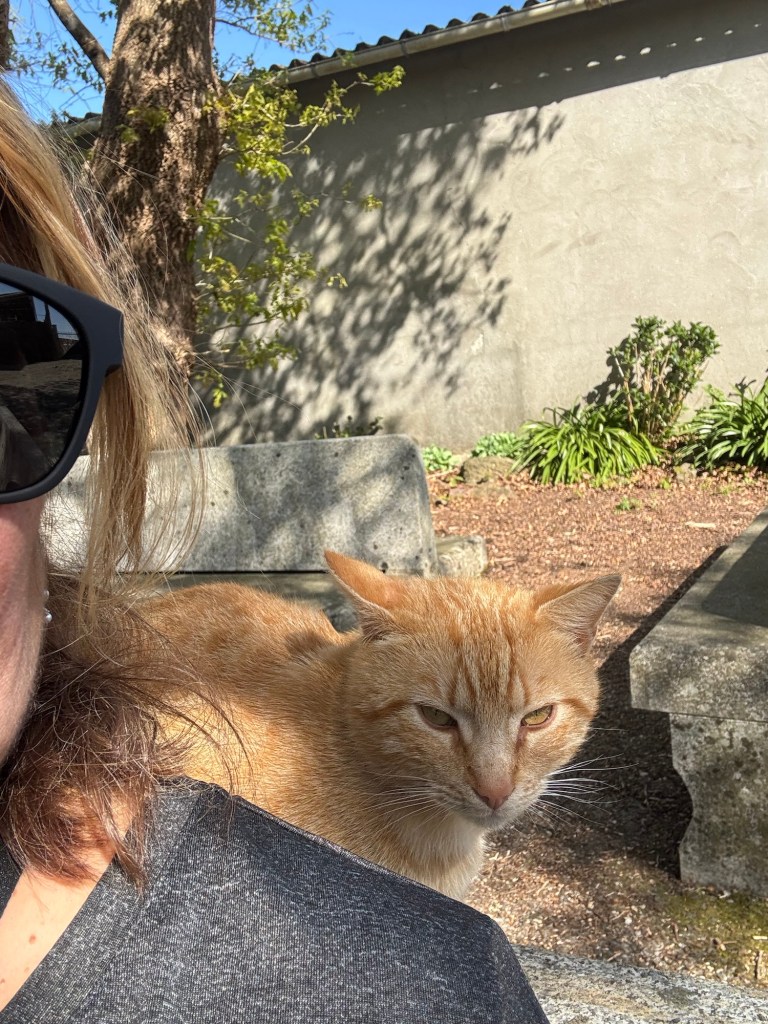
A word about the friendly pets along the Camino. We interacted with so many dogs and cats that were mostly friendly, and some a little territorial. This sweet little cat was one of my favorites.
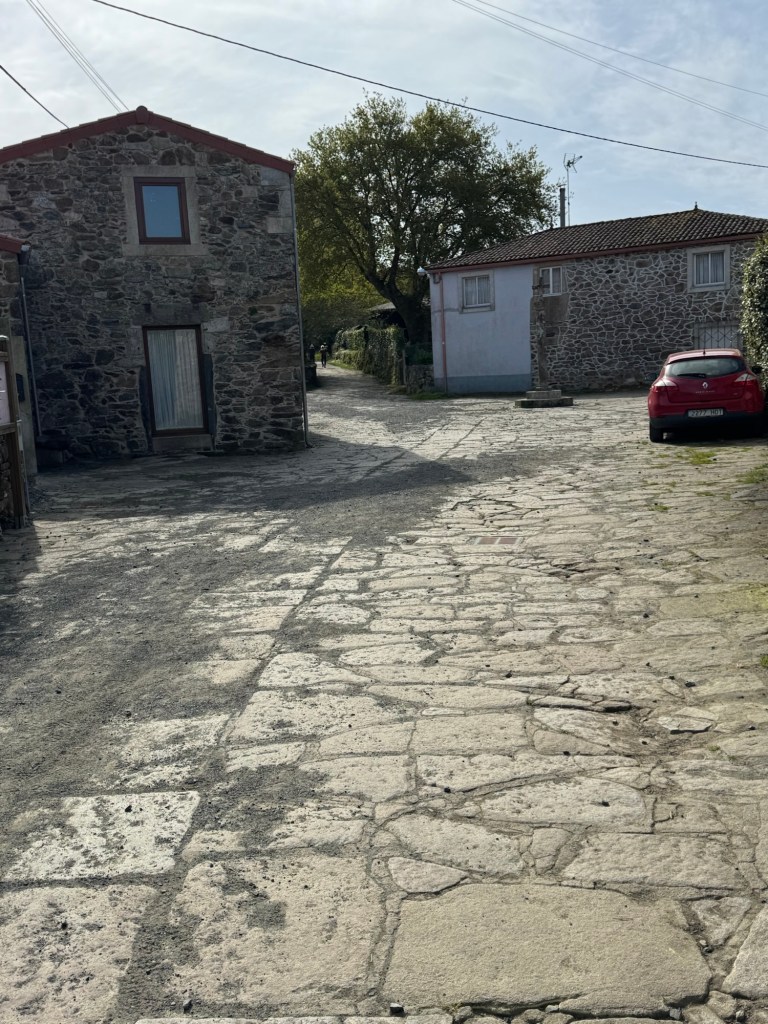
Leaving behind the lush forests, quaint villages, and beautiful countryside we were now getting closer to a big city. The road was dotted with businesses and general traffic was now more significant as we reached the city limits. We could see Santiago in the distance. We were almost there!
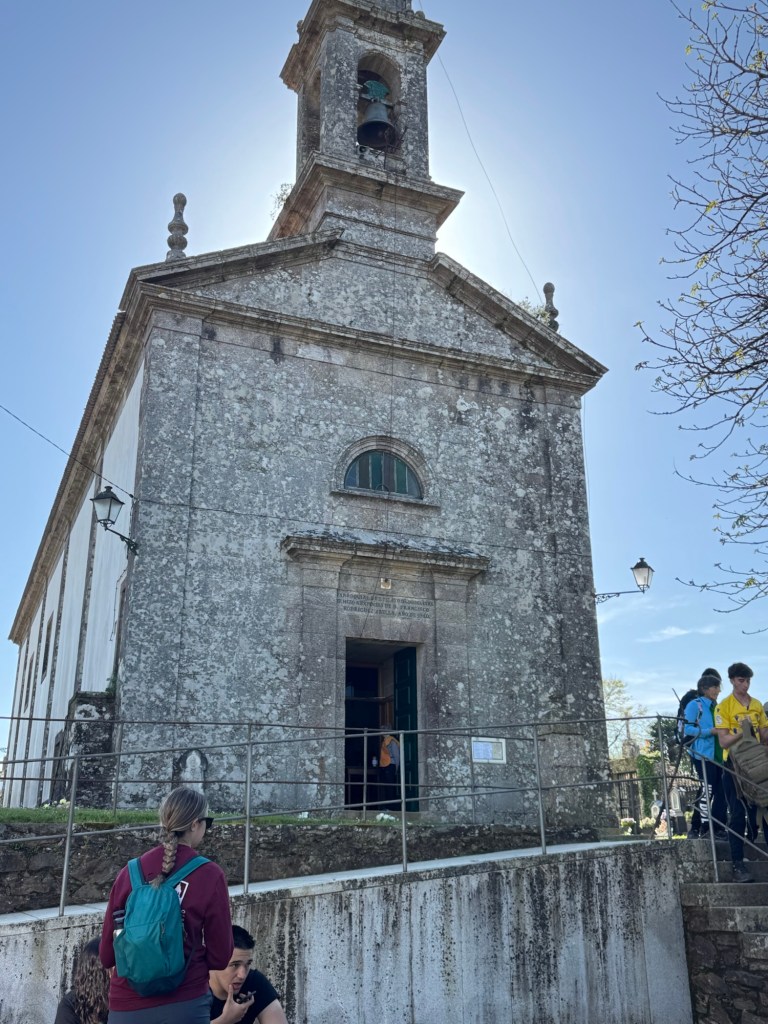
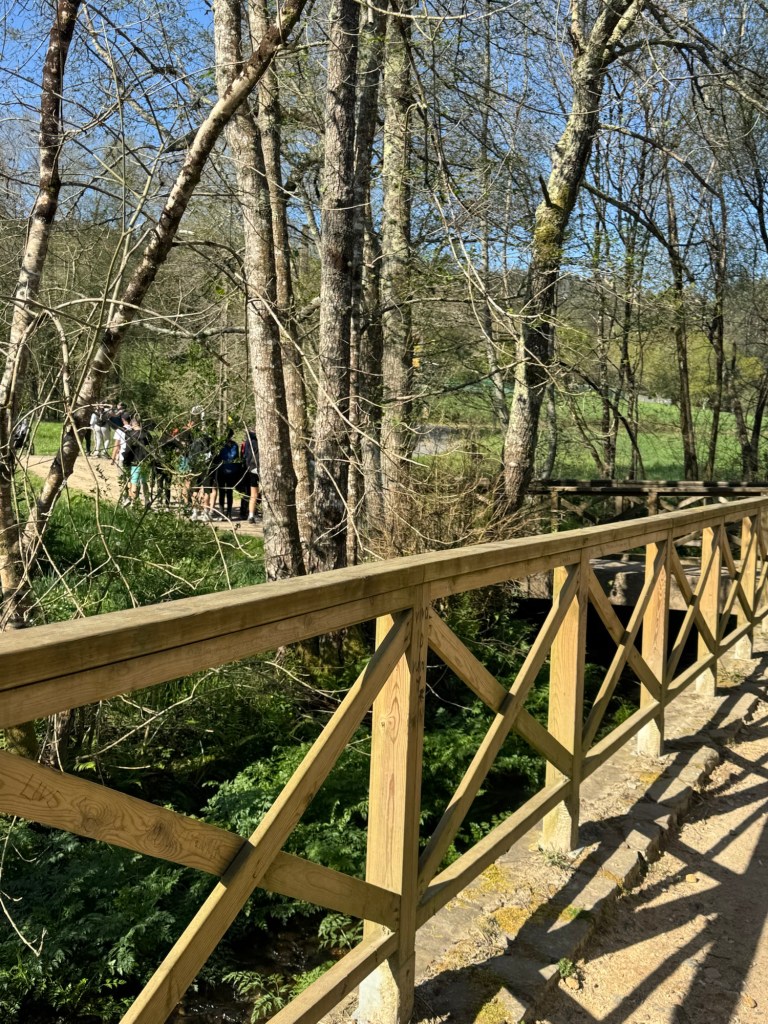
Beyond tired at this point the mantra continued – “one foot in front of the other, I can do this.” Getting closer, with the city in view in the horizon, a few of the boys on a high school tour of the Camino began to walk barefoot. At first I thought they were just fooling around, being boys. Then I realized that this was part of their pilgrimage. I was in awe of their faith, since our final destination was still about 3 miles away. I hope they made it.
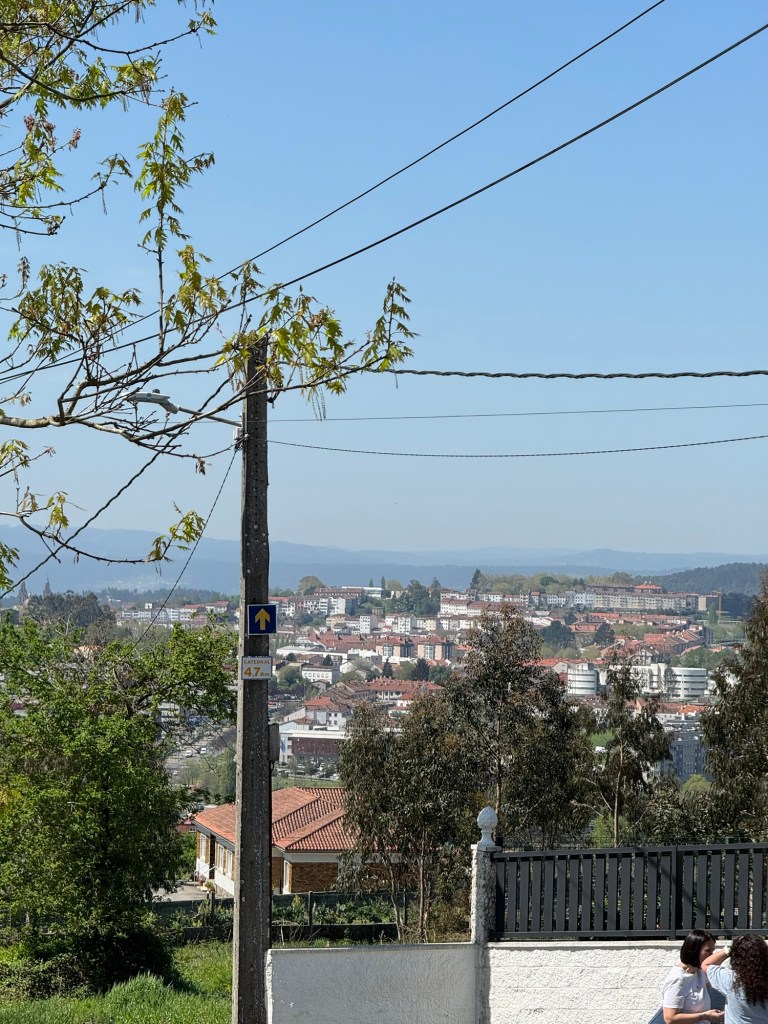
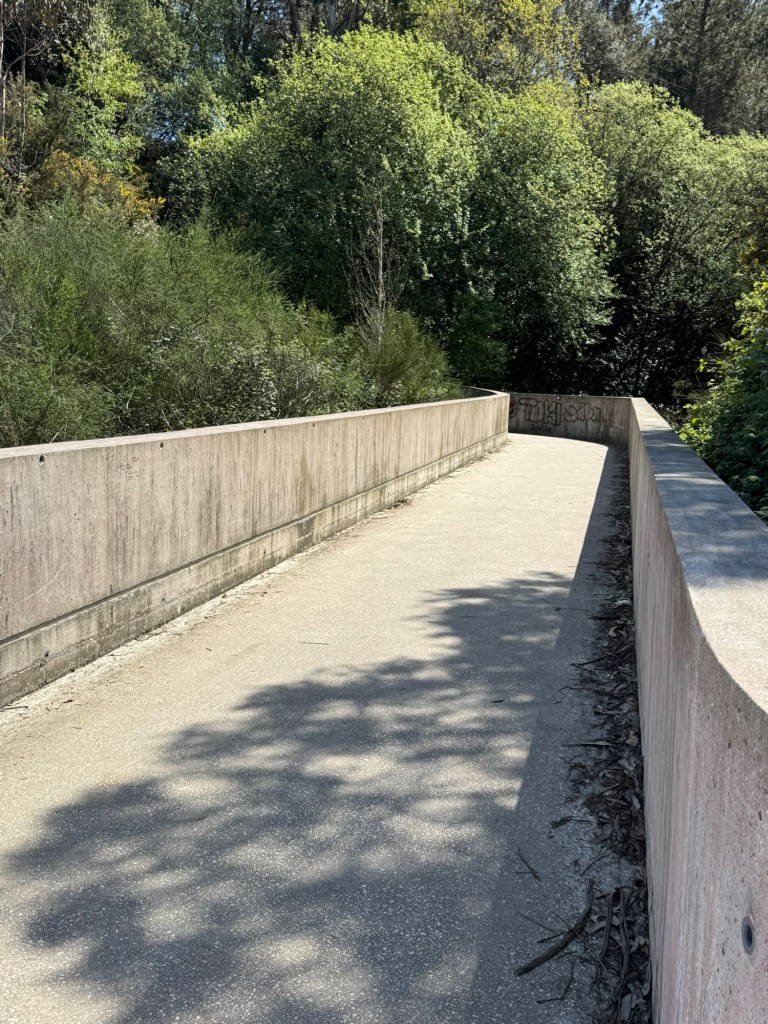
As you enter Santiago, spirits are high—we made it! Well… not quite. The modern outskirts of the city welcome you first, but the historic heart (and that iconic cathedral) is still two miles away. So, take a deep breath and keep on walking!

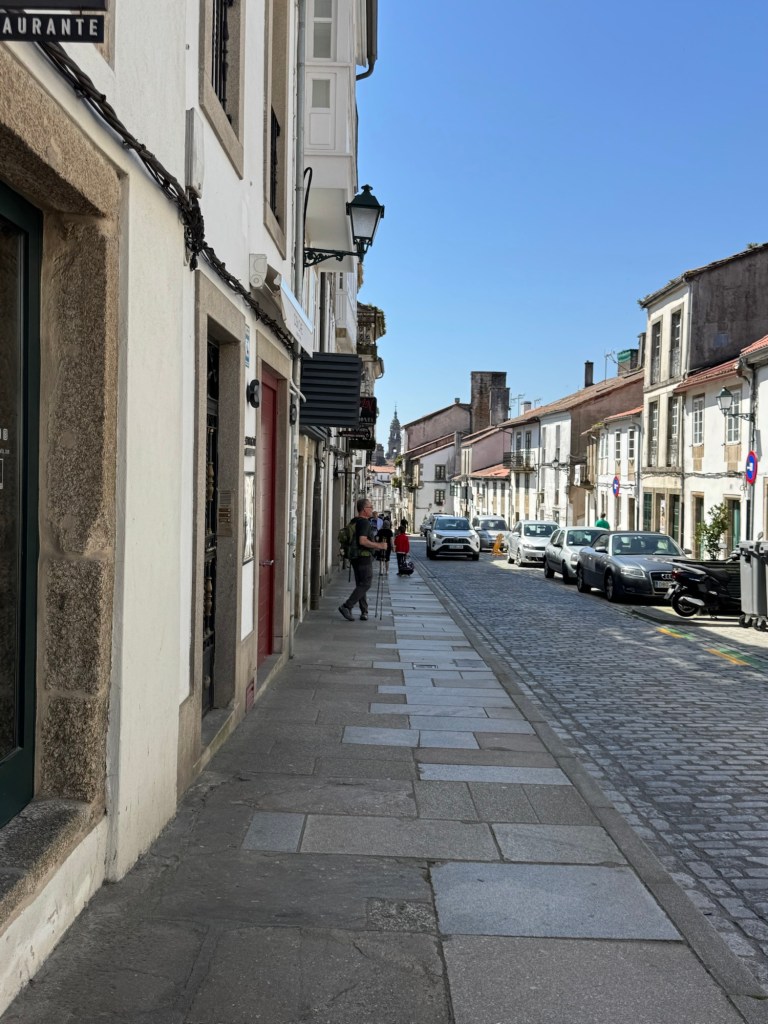
The closer we get to the historical center, the more excited we are. I’m struggling now with the pain in my legs and feet and each step is hard. I hear in the distance the cheers from pilgrims that have made it to the cathedral. Those distant cheers help to propel me forward.

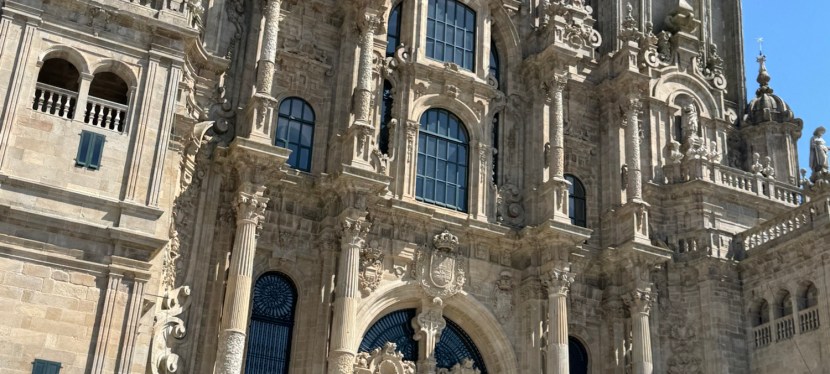
Finally, 5 days of walking, 115 kilometers, and a lifetime of memories later, we are standing in a huge plaza in front of the most spectacular Cathedral of Santiago de Compostela. Sobbing, I embrace my husband. The emotions at that moment were unexpected. I felt a sense of accomplishment and gratitude for being in this special place. We did it!
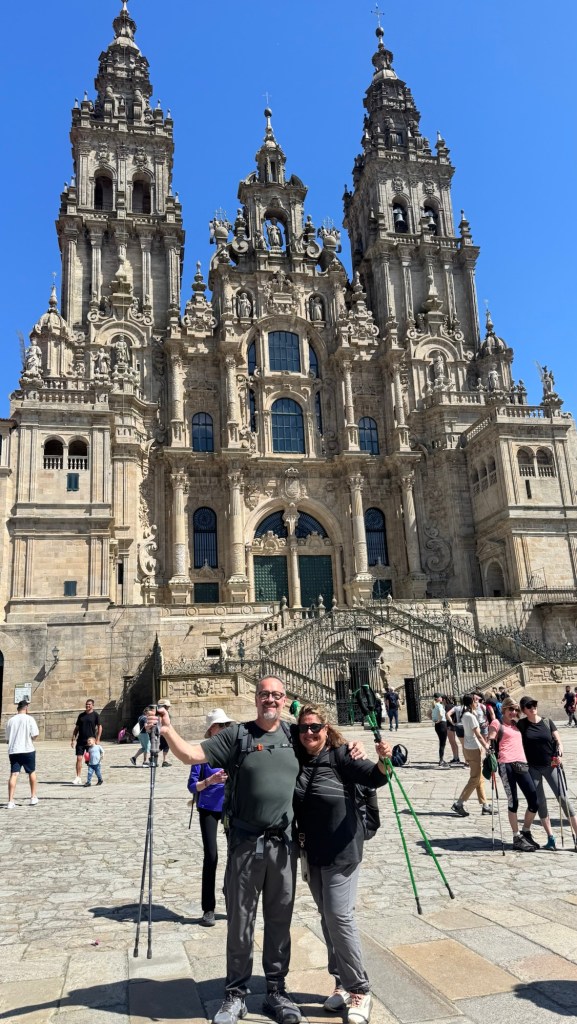
Looking around at all of the pilgrims exclaiming the same thing – we did it! We made it to Santiago de Compostela, and we all had our personal reasons for completing this pilgrimage.

For me, there was no grand revelation—just a deep sense of gratitude that I am exactly where I need to be.

I’m grateful and blessed to have a beautiful family. Daughters who are my everything, and of whom I am immensely proud. Grandchildren who fill my soul with happiness. Sons-in-law, for the men you are and the love and respect you show your family.

To my blended family—our children and grandchildren—you are such a blessing in my life.

To my siblings, my sister and brother – I can’t go a day without speaking to my sister, my confidante. I love you.

To my mom – thank you for always being my champion.

To my father – my hero. I feel you always.

To my nieces, aunts, uncle, and cousins – I adore you.

To my friends – you know who you are. You are my daily dose of sanity, laughter, and support.

And to my husband—my partner, best friend, the love of my life, and biggest fan. You lift me when I need it and challenge me when I need that too. You are my North Star and the person I want to grow old with. Maybe we’re already there, actually. I love you more than words.

The Camino brings people together. Complete strangers supporting each other, finding joy in each other’s presence. How is it possible that the world we live in is filled with hatred, when people from every place on earth can come together in a pilgrimage founded in love.

I left the Camino with a a renewed understanding of myself, and with a newfound hope. Hope for the future. Hope for this beautiful world we live in. Hope that love will always prevail.

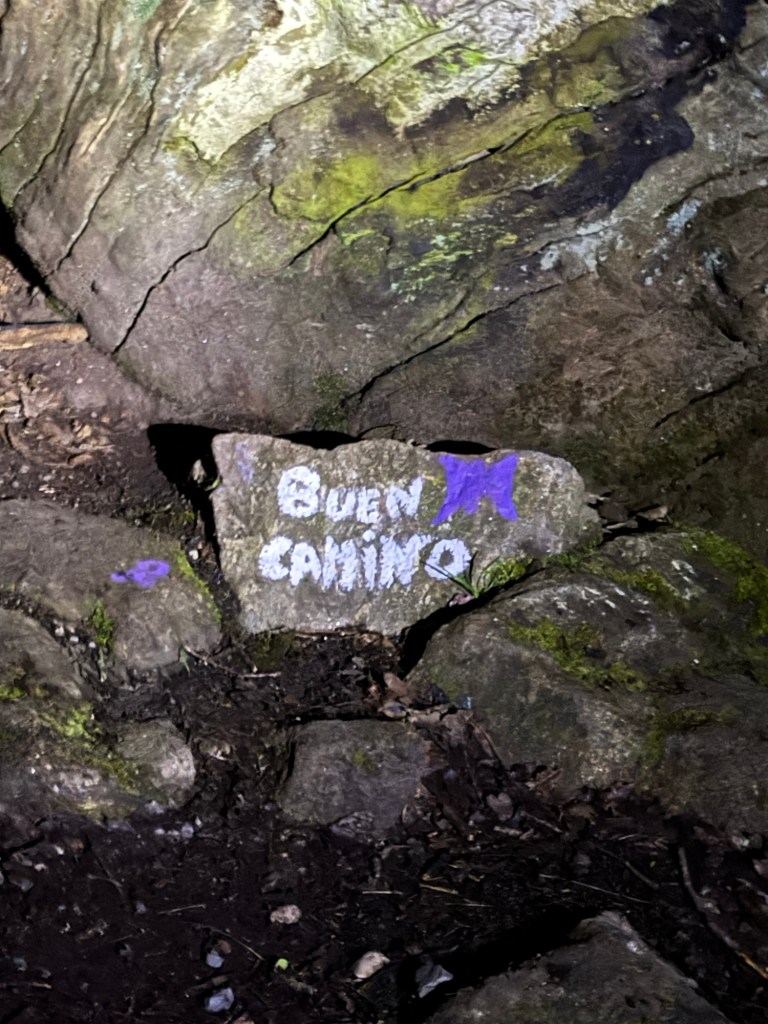
Buen Camino.
Day 4: Onward to Rua

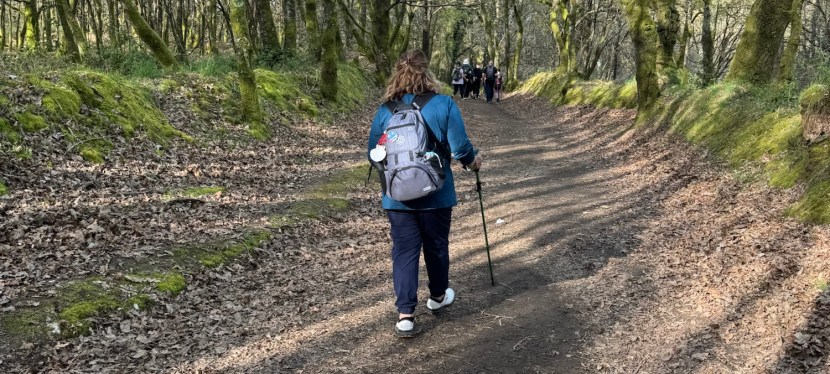
Today’s walk from Arzúa to Rúa was a mix of peaceful paths and buzzing anticipation. The trail rolled through shaded woods, quiet villages, steep surprise hills, and the occasional roadside café tempting us with fresh orange juice and tortilla.

We started early to beat the heat—thankfully the morning air was still cool. Breakfast chatter was all about the unexpected warm-up, with temps pushing 80 later in the day. Not exactly what we packed for!

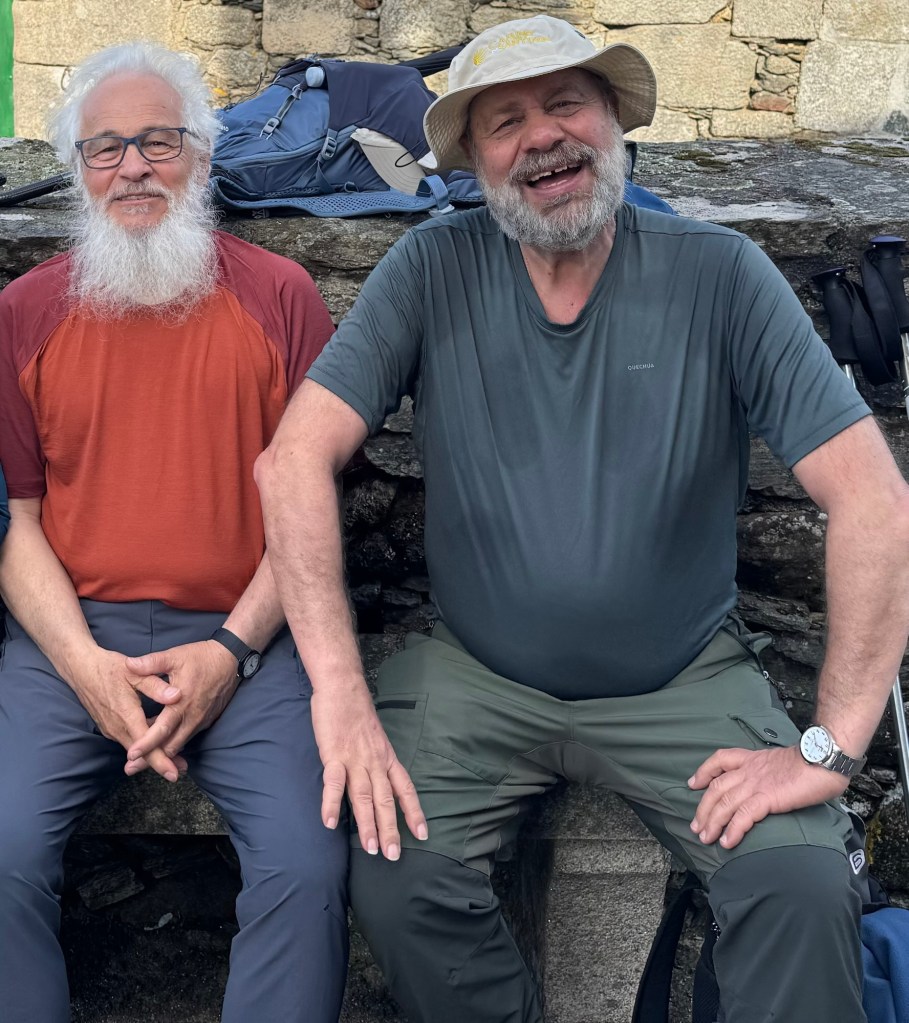
We met the Andersons from Ireland today. Mary and Rob were experiencing the Camino with their son Garry. Mary loves to garden, bake, and cook. We talked for a while on our walk and we instantly connected. We knew we would continue to see them on the way to Santiago, as we wished each other Buen Camino and separated for a bit.

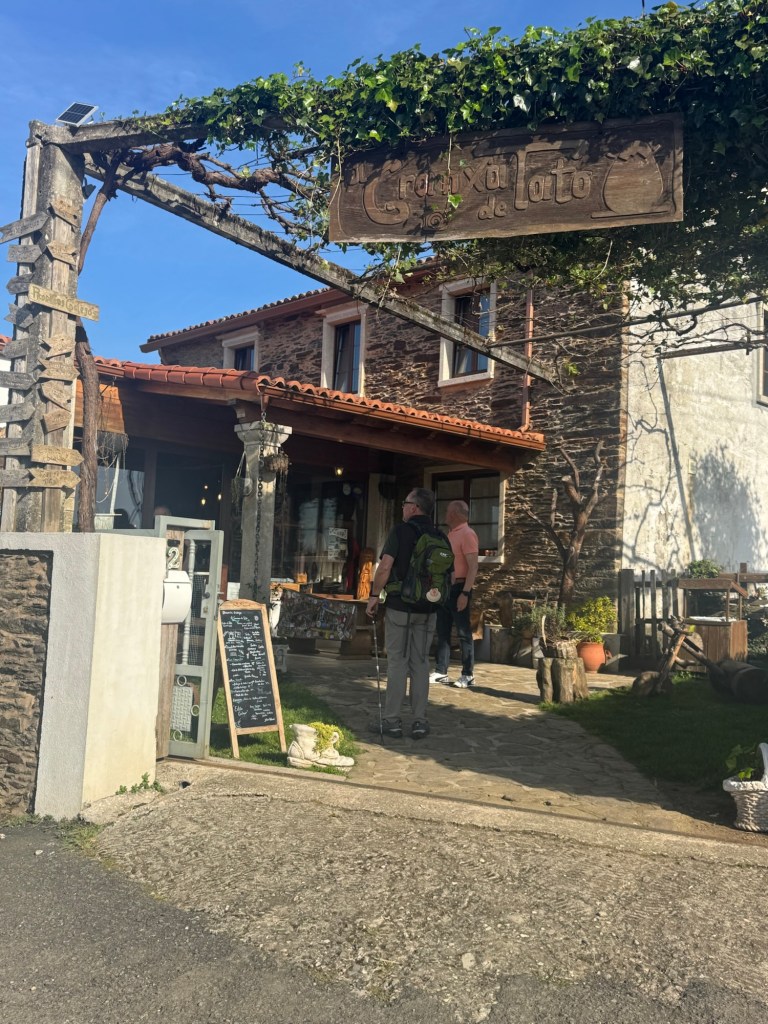
After walking for two hours we came across a roadside cafe- A Granxa de Tato. A charming cafe with delicious coffee and, of course, freshly squeezed orange juice. Tato himself served us and we enjoyed chatting with him for a while. He was funny and kind, like most of the locals we’ve met along the Camino.

A short stop to refresh and restore the body is a perfect pick-me-up to keep going. There are many times when quitting creeps up on your mind, but that is not an option!

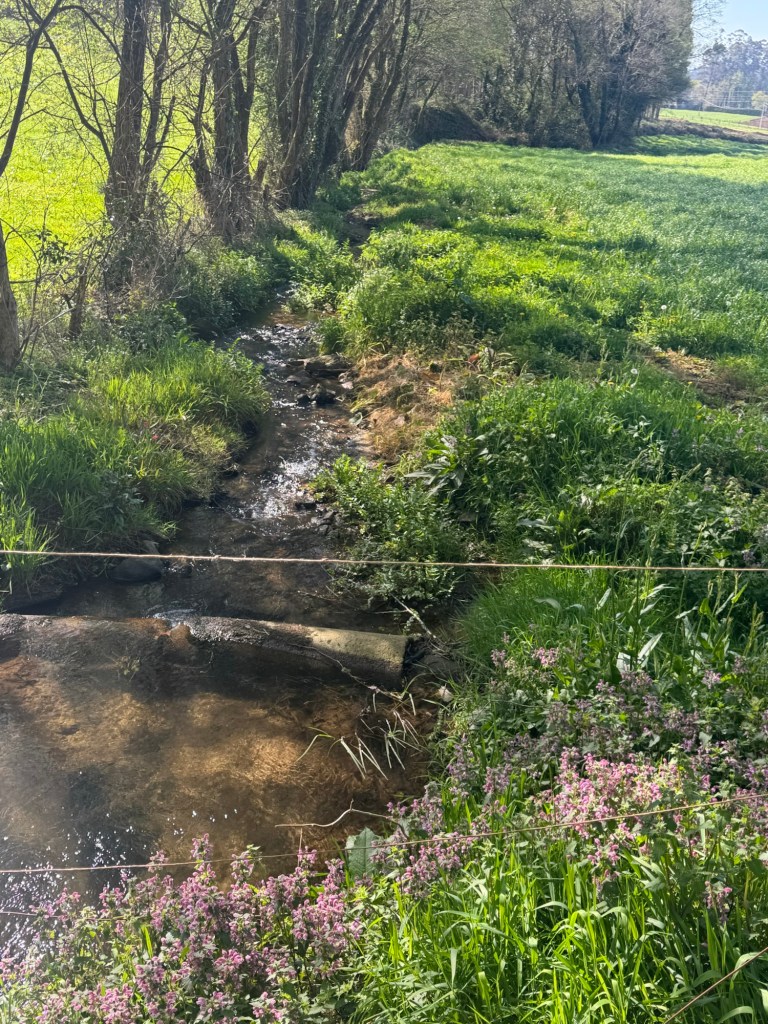
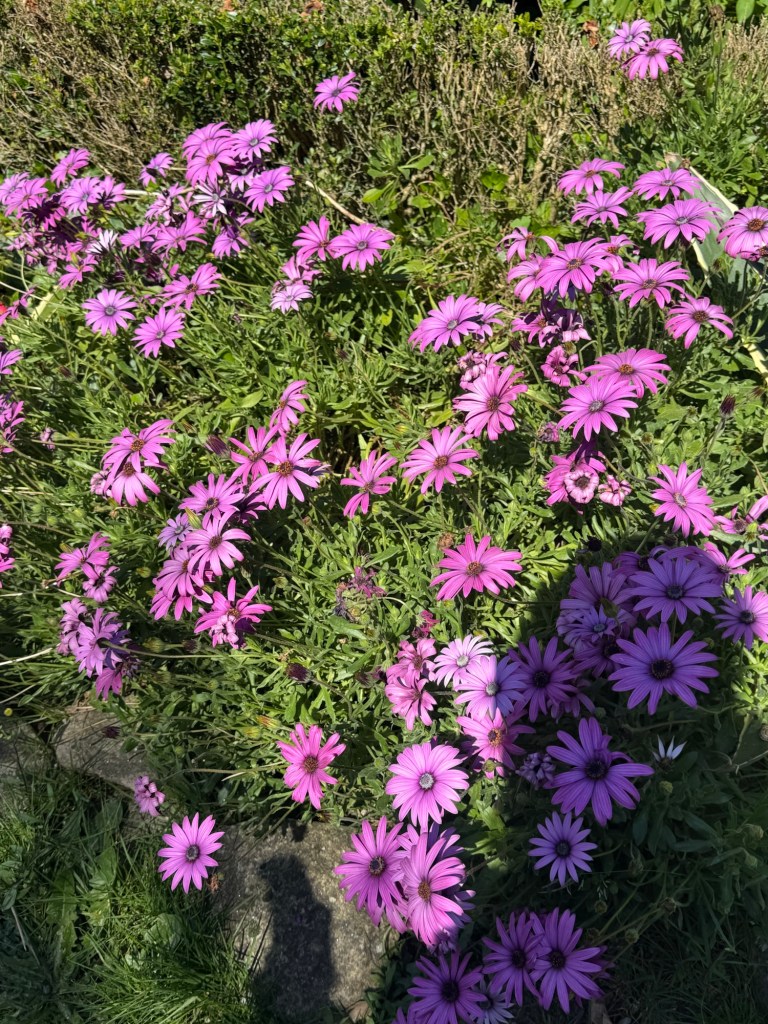
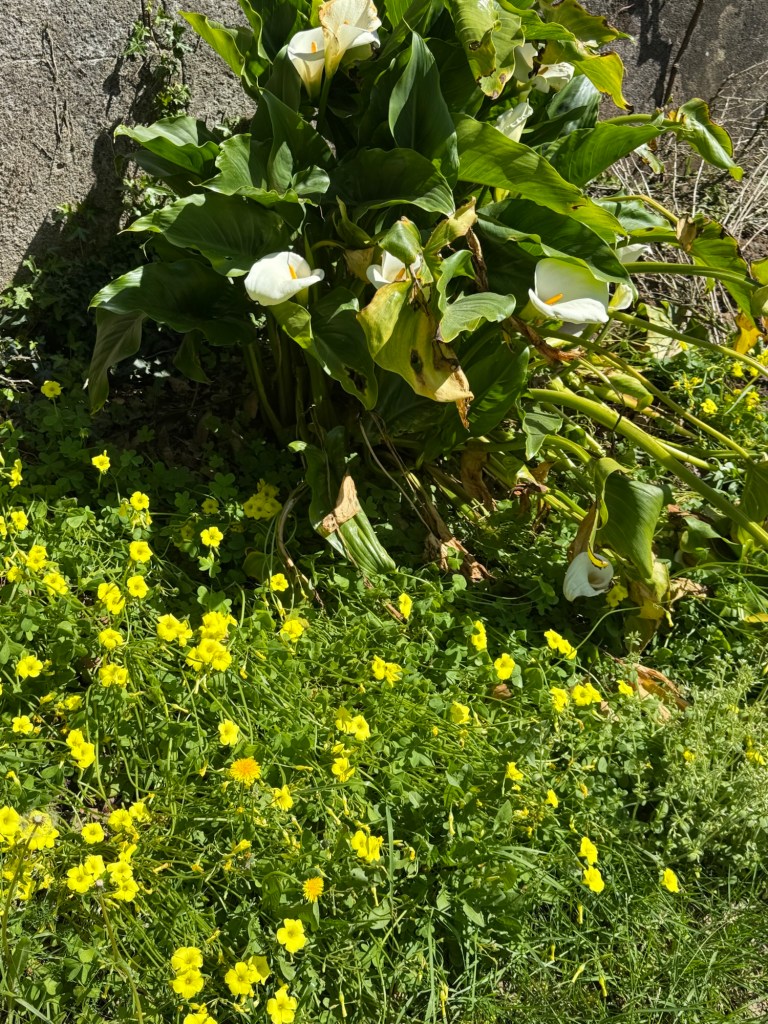
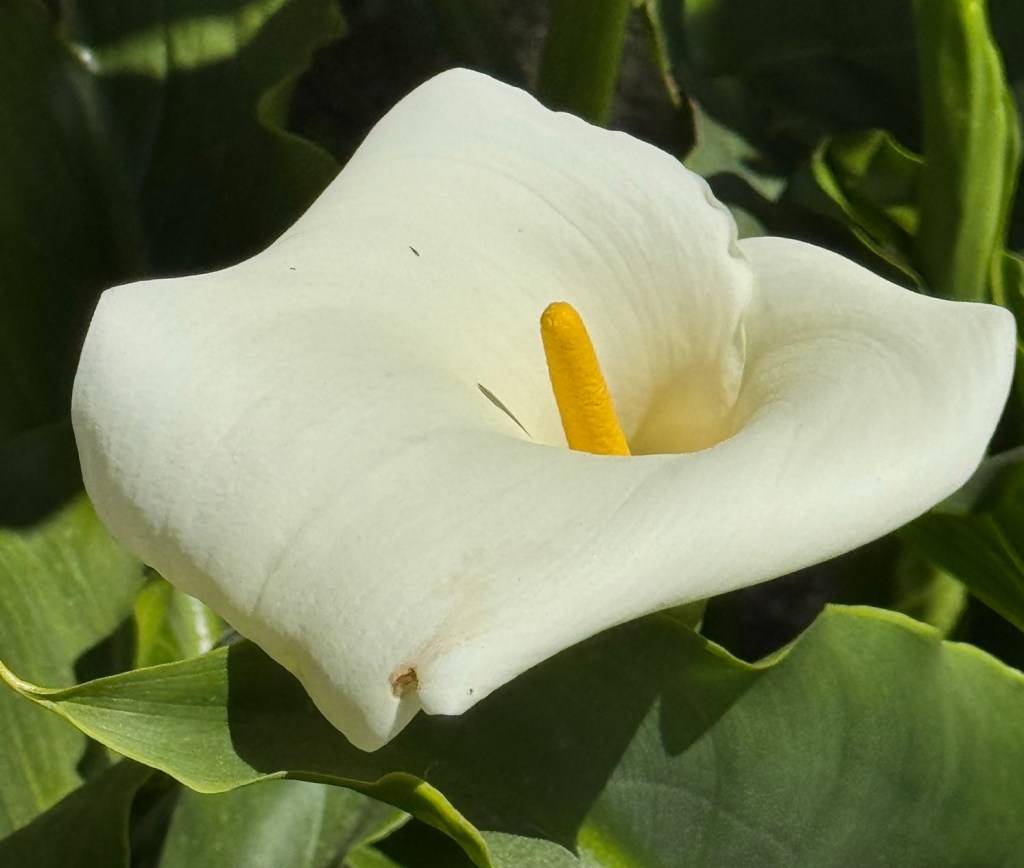
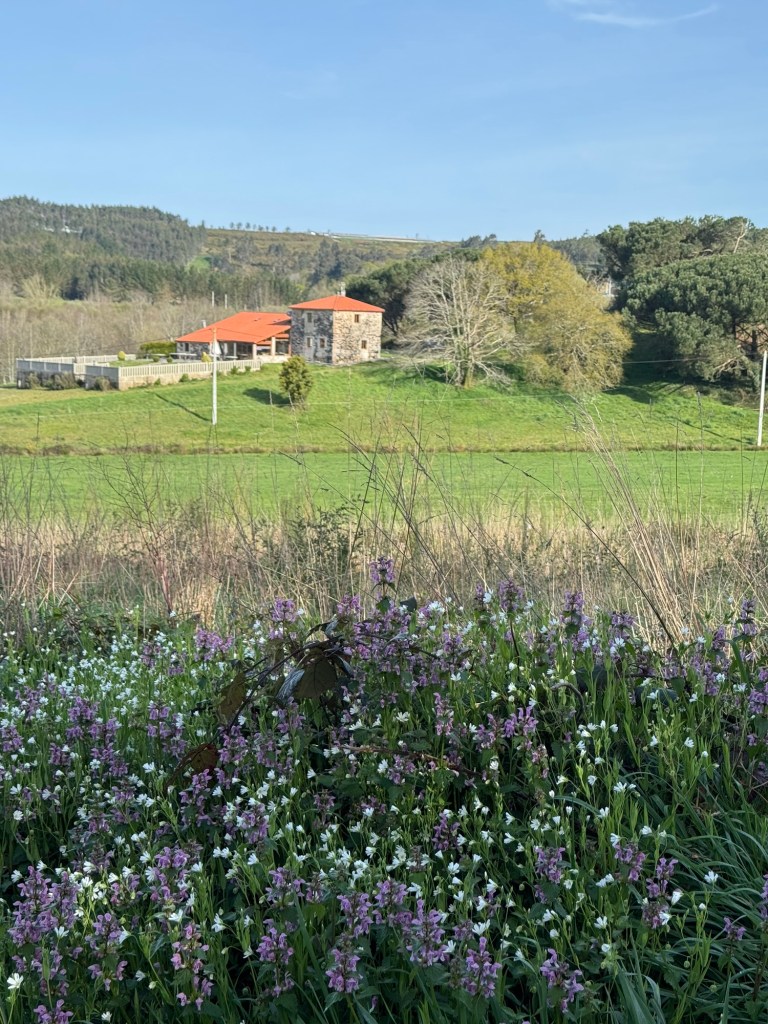
The landscape along the Camino is nothing short of breathtaking in its diversity and beauty. Each step brings a new scene—rolling hills carpeted in wildflowers, ancient trees stretching toward the sky, and quiet streams weaving through peaceful meadows. I find myself constantly pausing, drawn to capture the fleeting details of the journey: a delicate blossom catching the morning light, a curious animal peeking through the brush, or a sweeping vista that opens up like a painting.

Spring breathes life into everything around me. The earth feels freshly awakened, buzzing with color and sound. Birds call from the treetops, bees dance from flower to flower, and there’s a sense of renewal in the air that feels both peaceful and full of promise. In this season of rebirth, the Camino doesn’t just offer a physical path forward—it reflects an inner journey too, filled with hope, clarity, and the quiet joy of being present in nature’s embrace.

And with every step closer to Santiago, we see our newfound friends over and over again. Each time is a joyful reconnection with total strangers. We stopped for a bite to eat and saw the Andersons from Ireland. We also met two friends from Indonesia. They were so friendly and eager to join our conversation. We shared food, blister care, and exchanged numbers and emails. The success of completing one more day on the Camino is measured not just by miles, but by the people you meet.

The 18 kilometers passed quicker than expected. Legs are feeling it, but spirits are high. We’re just one day away from Santiago now, and it’s starting to feel real. Feet are sore, hearts are full. We can’t wait to see what tomorrow brings.

Day 3: Palas de Rei to Meride

Today was a perfect day on the Camino. The time I took for a little self care made a world of difference. The body heals, and I felt like a new person. Filled with gratitude, we started the day with a renewed spirit. The Camino would be a success today.

As we chatted over breakfast at The Mica, our charming hotel, we got to meet Marita, the owner. She’s a lovely, soft-spoken woman who seems to be involved in everything—from greeting guests at the reception to whipping up a delicious breakfast.

Marita opened up about the hotel’s history, which she explained is a family legacy. It all started with her husband’s parents, and you could tell how much love and care they put into it. One interesting thing she shared was that one of her parents was Cuban. As she talked about her family, we got a glimpse into her life. It felt great to connect with someone through our shared heritage. It was such a warm and inviting conversation that turned our breakfast into something special, making us feel more like friends than just guests.

We set out just before 8 am on another cool and beautiful spring morning. Right next to the hotel, we found a water fountain, common throughout the towns and countryside. We filled our water bottles and began our walk.

As we left the city of Palas de Rei behind, we were happily surprised that the terrain was vastly different at the start of the day than it was the day before. It was flat! Hallelujah! No hills to begin the journey.

Walking without pain…I was so grateful in the moment. One foot in front of the other was my mantra, as I took in the sights and smells of the countryside. Listening to the birds chirping and the sound of my steps on the dirt and gravel roads made me feel alive and present. With the day to day work and life responsibilities it’s often hard to reflect on the things that really matter. On the Camino, you have nothing but time to think. And meet people of course!

On today’s walk we met an author. Sitting by the road, in front of her home was Kelly Fields. Kelly was a Nordstrom executive from Seattle. She decided to do the Camino, the entire 500 mile long Camino, a few years back. At the end, her husband told her he had never seen her so happy. She decided then to leave her life in Seattle and move to Spain. Her husband was on board.

Ms. Fields told us that everyone thought they were crazy. But she has never regretted that decision. Life in Galicia is quiet and peaceful. She wrote a novel about the people she met on the Camino, their stories, their reasons for doing the pilgrimage. Her journey was transformative, as it is for so many.

We bought one of her books, and she graciously signed and stamped it. I treasure that special moment. Meeting Kelly, and hearing her story.

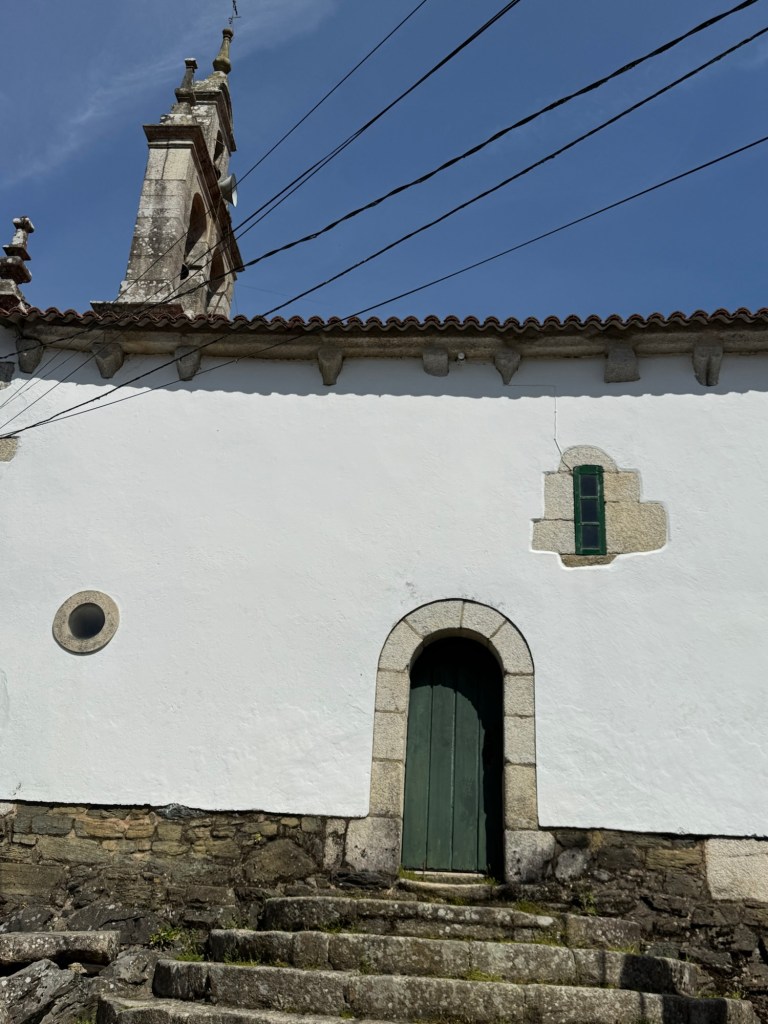
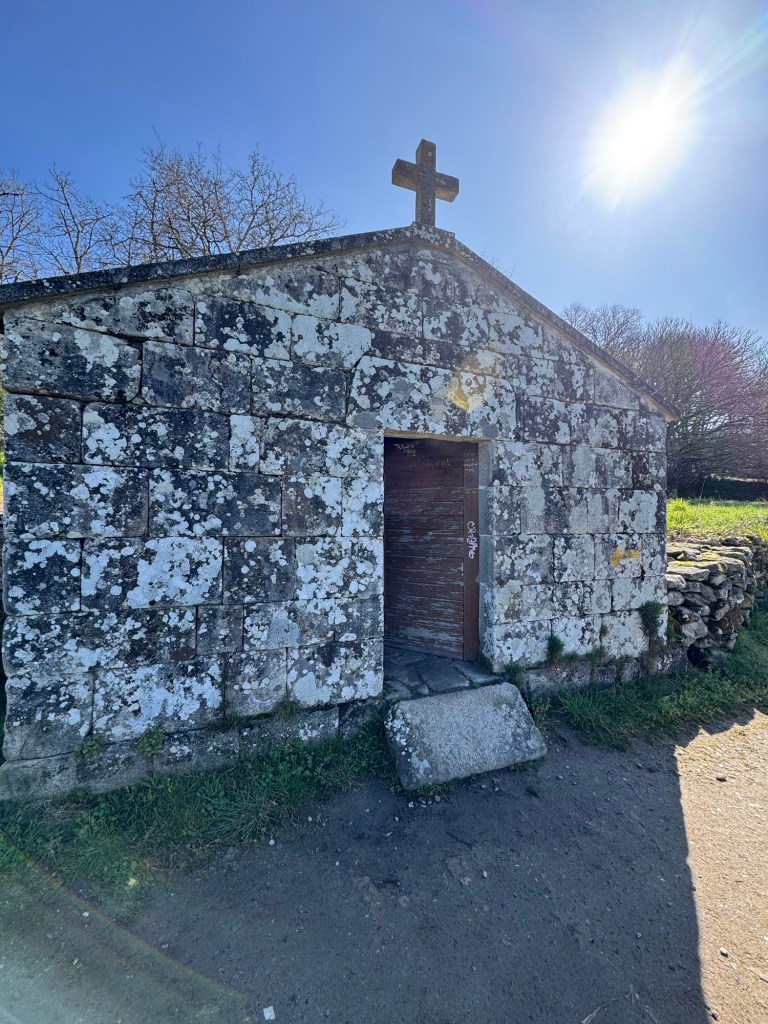
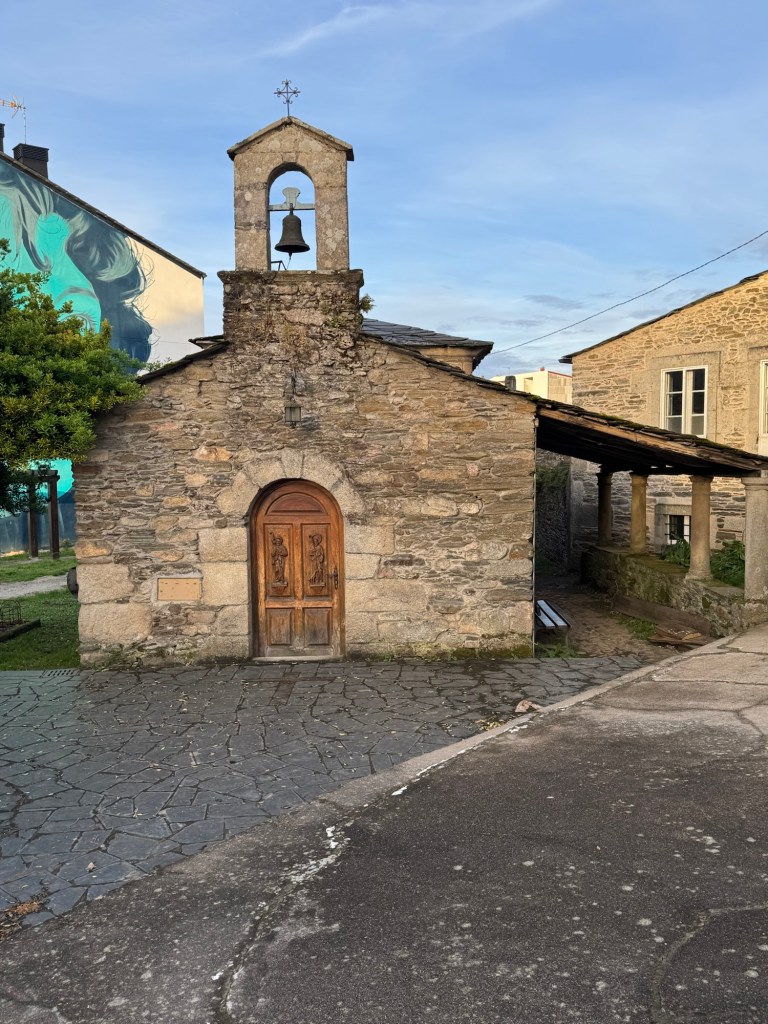
Kelly suggested we visit a church that dates back to the 5th century. The 5th century! On our way to explore the church, we met up with our doctor friends again. Together we visited the church.

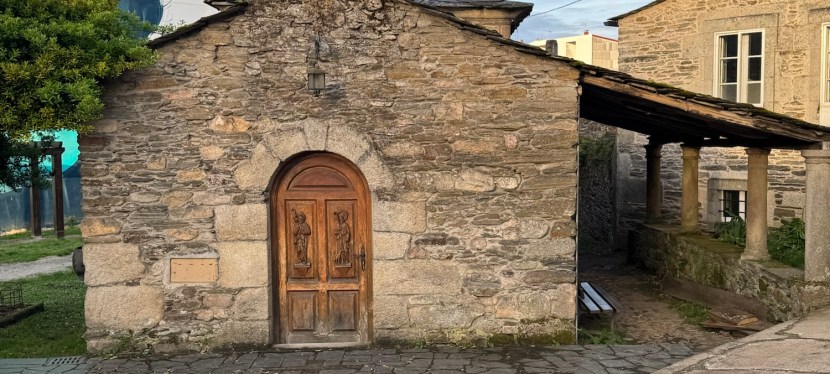
Church from the 5th century.

The Camino from Palas de Rei to Melide was enjoyable from the start. We did have some steep hills but most of the day we walked on flat paths. We enjoyed the medieval villages, the little cafes, and the people.

Beatriz and Javi from Malaga

When we reached the end for the day we were elated! We did it. We pushed through and it was so satisfying. Our hotel was not in the city but a bit farther out. We stopped to ask a local where we could get cash and a cab. We met Siriano.

Half an hour later, we were still talking to this amazing gentleman. In May, Siriano will be 95. He was full of stories about his life in Galicia and his family. We asked him what his secret was to a full and happy life. He said, “You must move your body and take care of yourself. A little wine and dancing helps! I love music, and I love to dance.”

On our way to the hotel, we had the pleasure of meeting a lovely family from England. We shared a cab and enjoyed getting to know one another along the way. I had a feeling this next accommodation would be my favorite, but I had no idea just how magical it would turn out to be.

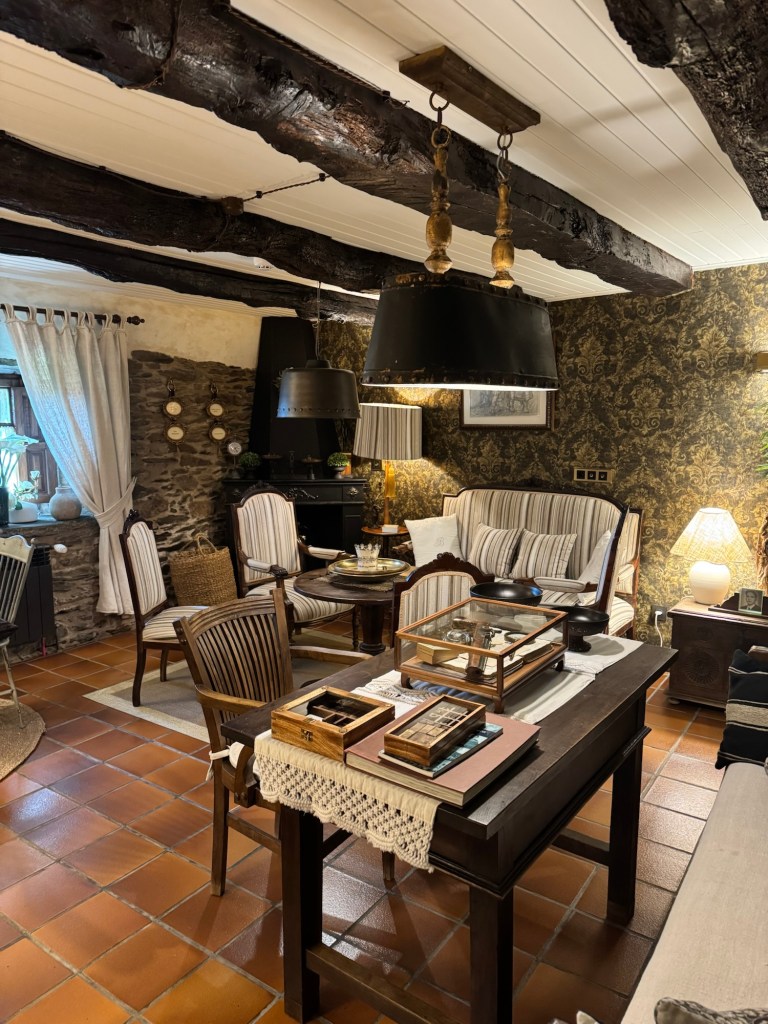
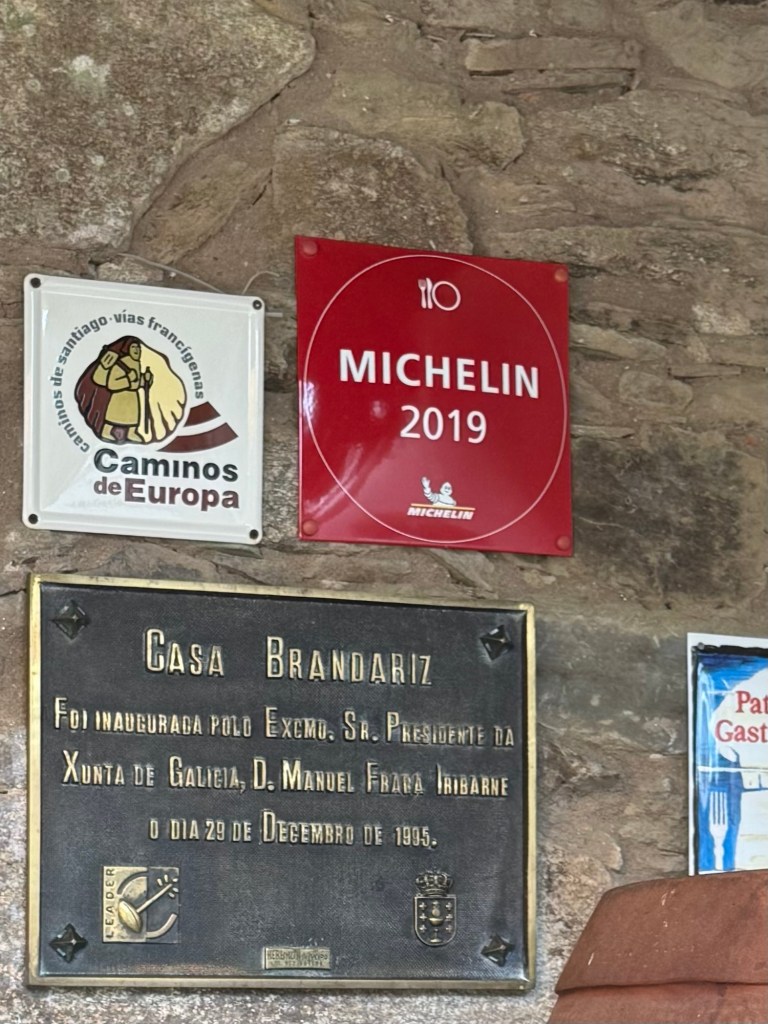
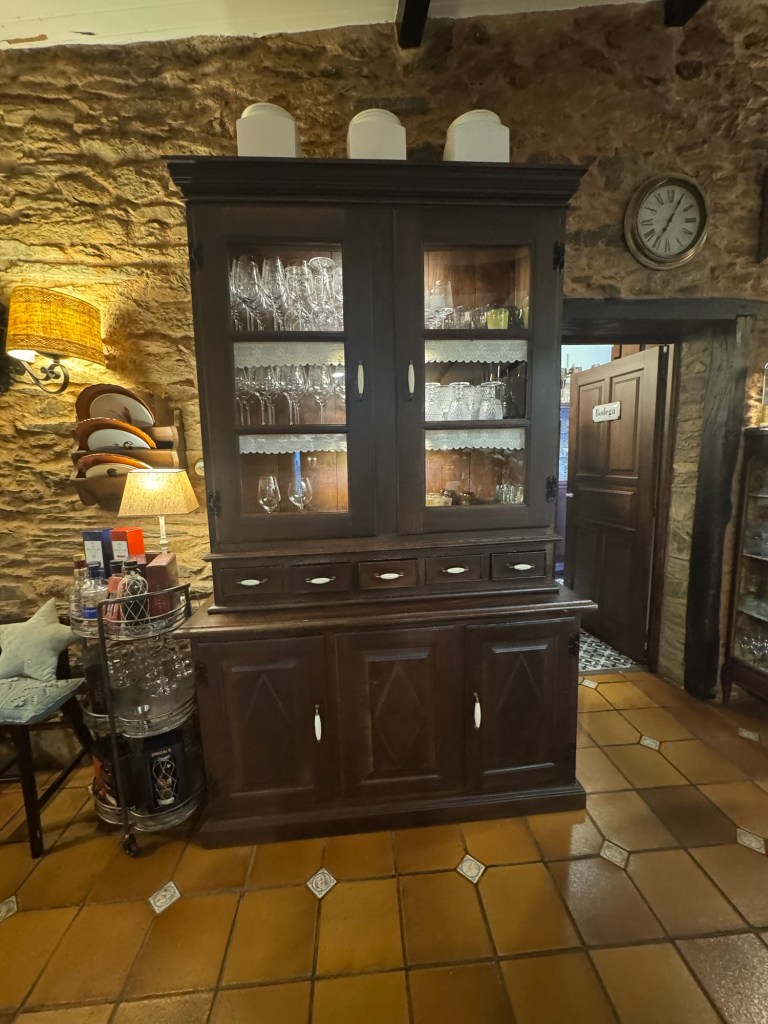
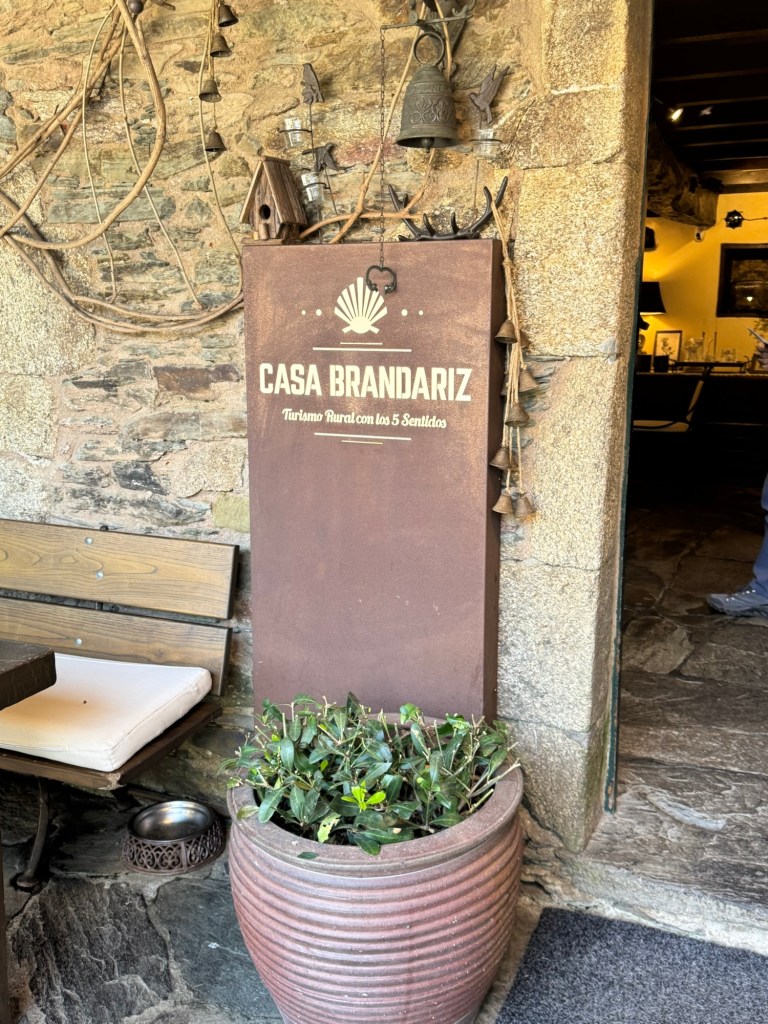
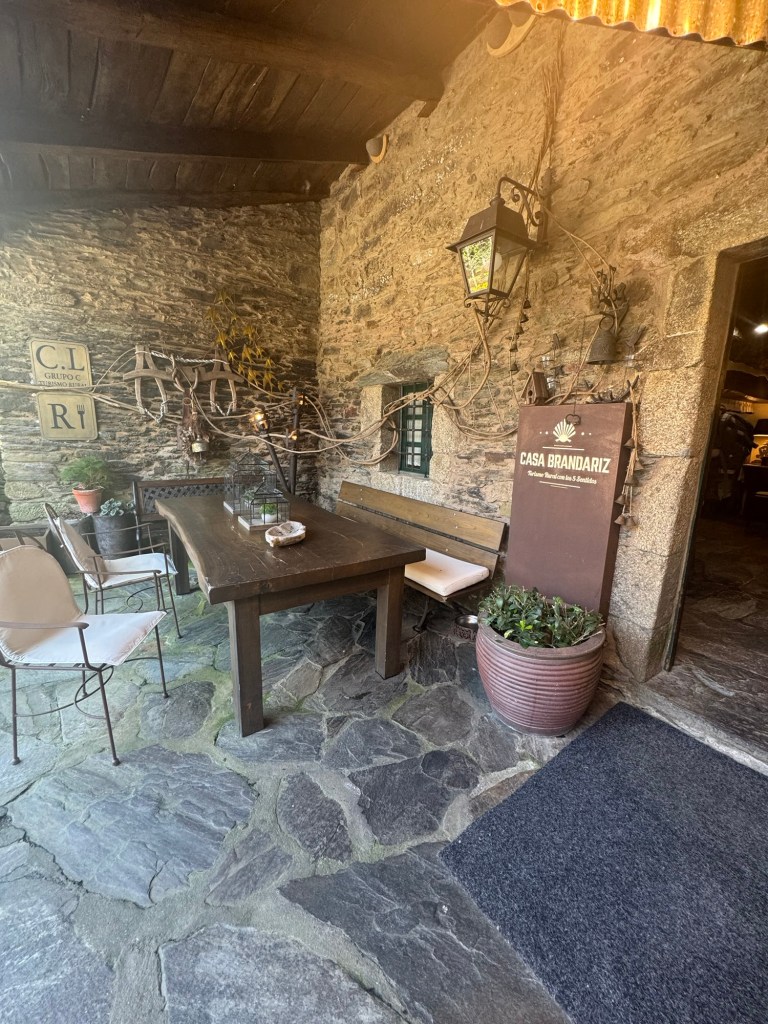
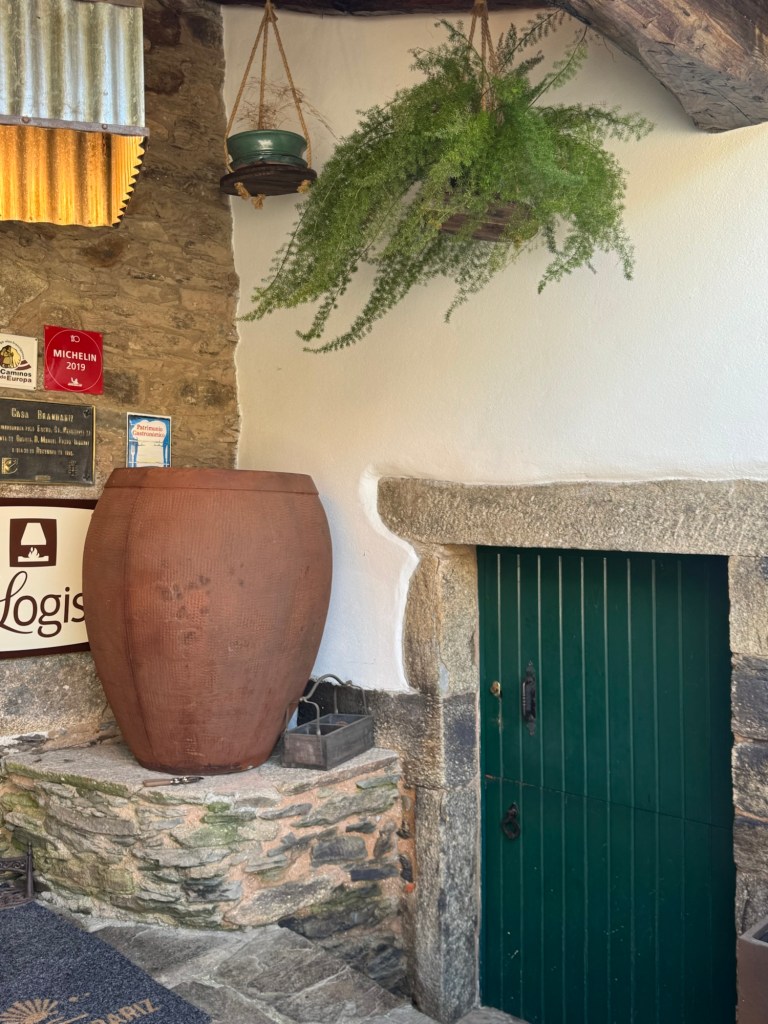
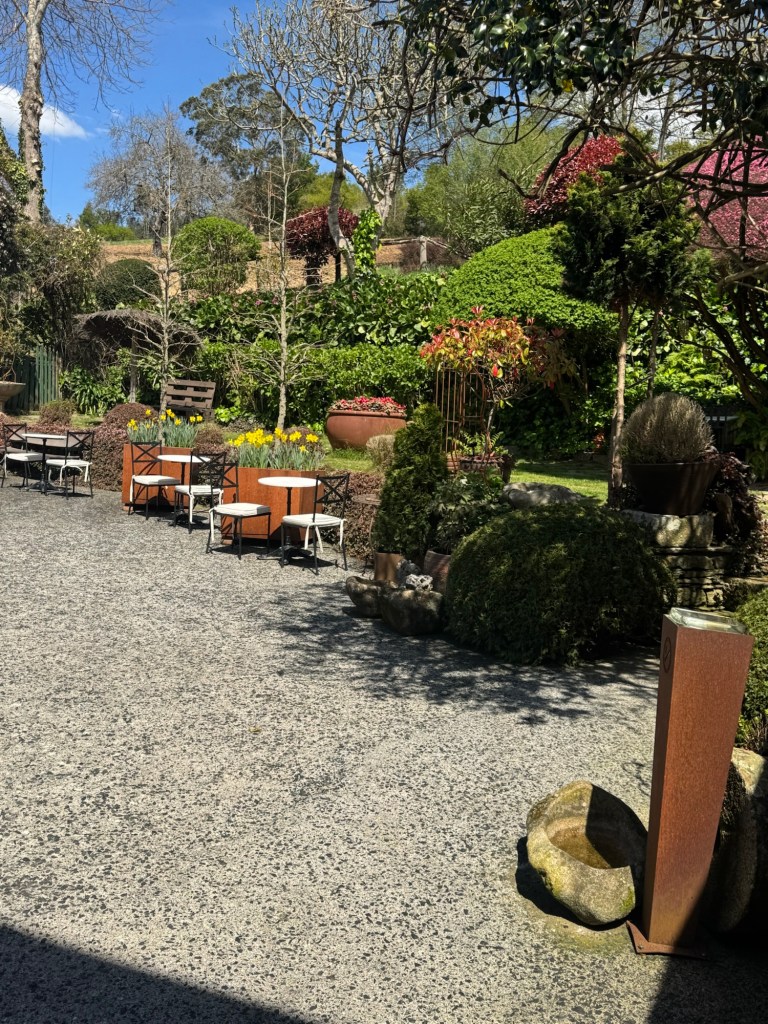
Casa Brandariz dates back to 1523. It was a rural farmhouse that has been restored for modern day life, while maintaining the historical details and charm. The fountain we sat in front of in the dining room was a source of water for the horses.

The house is now a hotel and restaurant. The restaurant is in the Michelin registry of restaurants and it did not disappoint.

Staying at the Casa Brandaris was the perfect ending to our third day on the Camino. Getting a full-body massage upon arrival, eating a delicious meal with good wine, and a restful night’s sleep would assure a good start to our next day. The journey awaits.

Here are some more photos of the day.

Lessons from the Trail: Why I Didn’t Finish Day 2 of the Camino

Today I feel defeated. Our experience on the Camino on day two did not go as expected. Our trek from Portomarin to Palas de Rei was cut short, but the lessons learned were valuable.

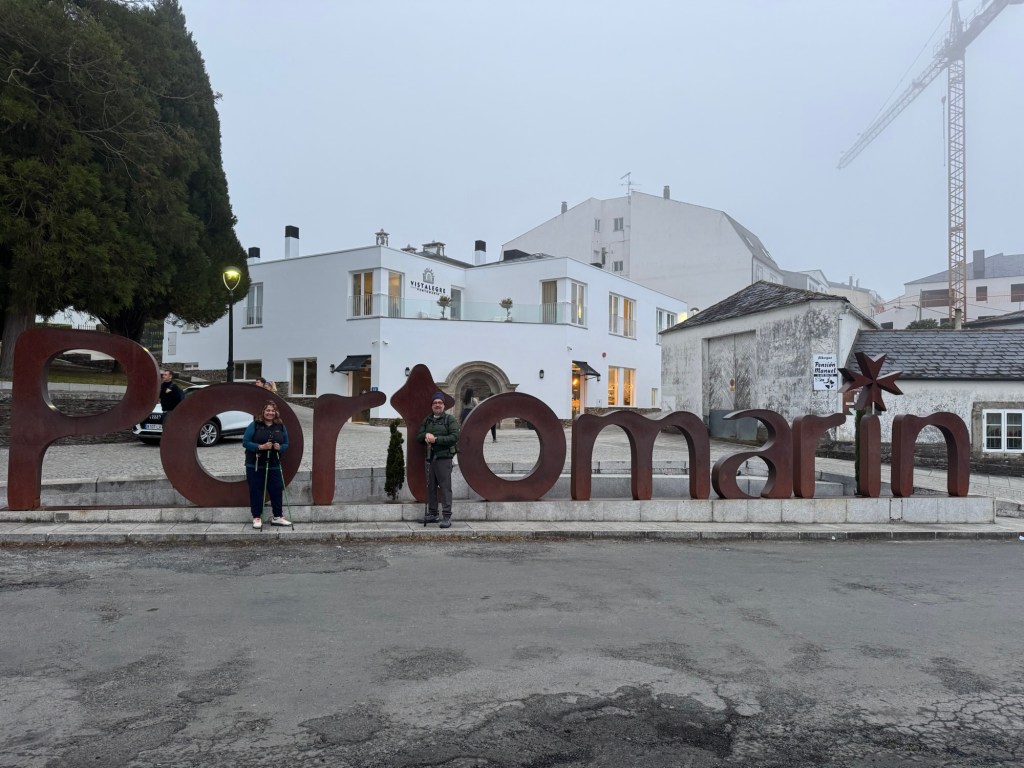
We started our adventure on a beautiful crisp morning in Portomarin. As we stepped out of our hotel the atmosphere was alive with the energy of the many pilgrims heading out to start the day’s journey. It’s Easter holiday in Spain this week, and there are hundreds of high schoolers on school sponsored trips to the Camino. As we started the day, so did the students!

Ready to hit the trail, we said goodbye to this lovely town and began our journey.

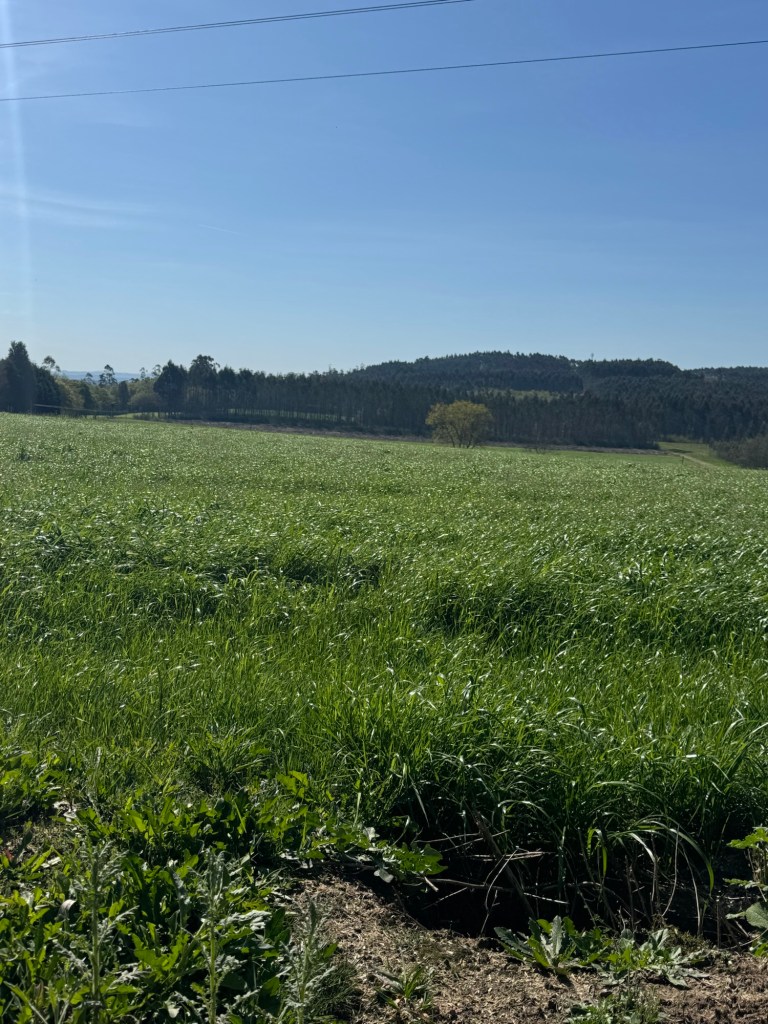
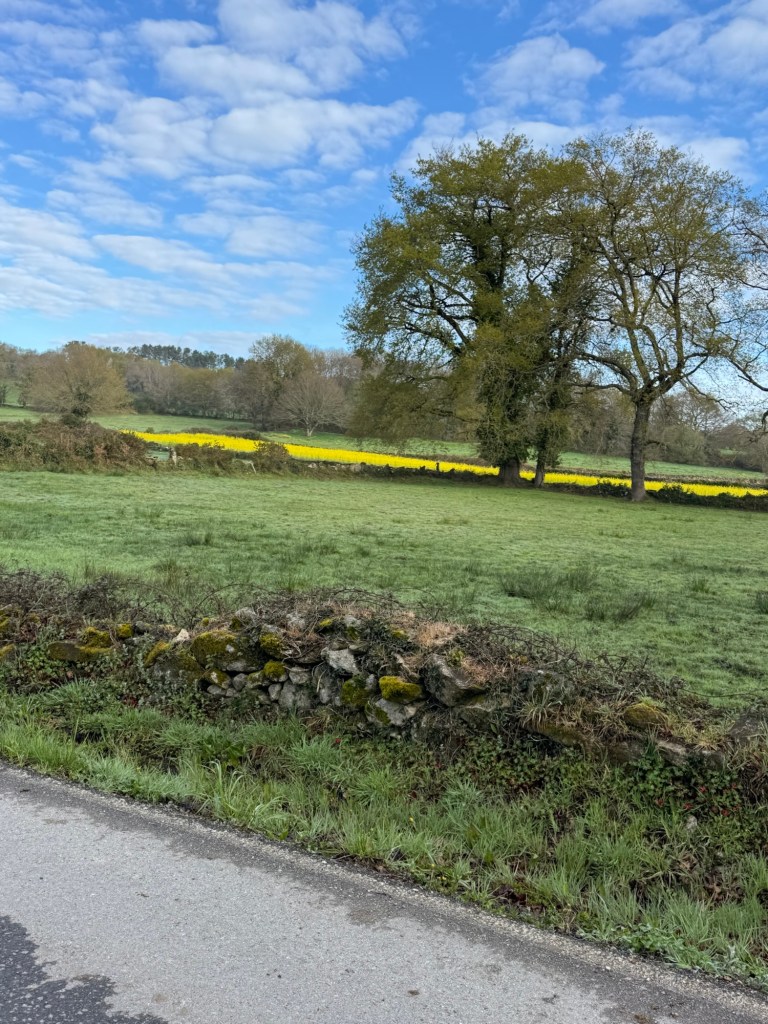
Today’s landscape was a gorgeous mix of forests and lush fields bursting with wildflowers. From the very beginning we were faced with an uphill path which continued for about two miles. The path evened out for a bit before starting an uphill climb again.

At the onset of the walk we met a young woman who made this uphill trek enjoyable. She kept my mind off of the pain as we climbed for what seemed like an eternity.

Makaila from Belgium. She was my favorite moment of the day. A young and beautiful soul walking the Camino alone. I asked her why she was doing the Camino. She told me that after college, it was difficult to find a job and she was feeling like things weren’t working for her. She needed time alone to think about her life and future. She would often say to herself “I wish I could just walk.” She had read about this historical pilgrimage and she decided to walk the Camino. We talked about life in Belgium, and life in general. She walked with me and then moved on. We hope to see her again.

As the hours went by, my body started to give me some serious feedback. Blisters? Check. Muscle aches? Double check. And let’s not forget that nagging voice in my head saying, “Are you sure you can keep going?”

The look of pain on my face must have been obvious when two pilgrims we had met before stopped to see if I was okay. The doctor from Toledo offered a pain relief medication that worked wonders. He showed me the package sealed pills to assure me they were safe, and I didn’t hesitate to take one. It didn’t help.

In that moment, I realized that maybe stopping wasn’t a sign of weakness. The Camino is about more than just finishing each day; it’s about the journey itself. It’s about learning to listen to your body and acknowledging your limits.

After a while, I had a tough choice to make: should I push through the pain or listen to my body? I decided to sit down for a moment and take stock. I plopped myself on a rustic stone ledge and felt a mix of frustration and clarity wash over me.

As I sat there, we struck up conversations with other pilgrims who were also taking breaks. Three friends from New Zealand shared their story. Friends in their 60’s who have always wanted to walk the Camino were finally doing it, while their wives rested and vacationed from town to town. We shared our stories, our struggles, and our triumphs in this simple moment. I learned that everyone has their own unique path—literally and metaphorically.

We walked to a hostel and sat on the benches outside and ordered a cab. After four hours of a mostly uphill walk and only six miles accomplished, we were done for today. And although the disappointment had settled in, so had the thankfulness for the refuge and rest that lay ahead.

As we waited for the car to arrive, we met a couple from Australia. Katy and Tony were a funny pair. They were on the search for coffee when they learned the only place to get coffee was 2km away. Tony was about to have a melt down! They sat and talked. We enjoyed their company until they decided to find the coveted cup of brew. They couldn’t wait for their coffee, I was dreaming of a comfy bed.

Heading to our next destination, the town Palas de Rei, I was filled with gratitude. Not finishing Day 2 didn’t feel like a failure; it felt like a lesson in self-acceptance and kindness toward myself. The Camino teaches us to be resilient and patient, but it also reminds us that it’s perfectly okay to pause and breathe.

So, for anyone considering walking the Camino, keep this in mind: it’s not just about ticking off miles or reaching your destination. It’s about embracing the journey, no matter how it unfolds. Each step—whether forward or not—is part of a larger adventure that shapes who we are.

After sleeping for hours, we explored the town for a short time. Here are some highlights of this lovely historical place.

Our shadows are captured in this photo!

Tomorrow is another day. Buen Camino.

Day 1: Sarria to Portomarin

I didn’t sleep much last night. The anticipation of the day ahead kept me up and thinking…are we able to do this?

We were officially up at 5 am. Having prepared our luggage and backpacks the night before, we were as ready as we could be. Except, we didn’t listen to expert advice.

We always thought of getting a head start by starting our Camino walk at 5:30 or 6:00 am. The receptionist at our hotel told us that wasn’t a good idea, because it would be pitch black at that time and we were not familiar with the terrain. Did we listen? Of course not! We were officially on our way at 6:00 am in darkness, in the empty streets and forest of Sarria.

At first, we were excited! The quiet and desolate streets of the city seemed friendly enough. But then we reached the outskirts leading to the forested area of Sarria. I’m not one to shy away from anything ominous and spooky. I’m the queen of scary. But, this was different. We were walking on unfamiliar territory, dirt and rocky roads difficult to navigate without ending with a sprained ankle! That would have been the end to our Camino adventure. Into the darkness of the early morning we walked alone, until other pilgrims began to appear.

Once we saw the sunrise, we were well on our way and grateful to be on the Camino.

Buen Camino. We were greeted by all with this simple phrase. The people you meet on this pilgrimage is what makes the experience special. Some have been on the Camino since the beginning, starting in France. You can develop a relationship with other pilgrims in over a month of a 500 mile walk.
We met some interesting people today. The American who now lives in Spain. A kind woman from New Jersey who separated from her group to walk with me. The Frenchman who has walked the Camino five times. My favorite encounter was with a local, who sits on the side of a path and stamps your pilgrim passport for a donation. He uses wax in different colors to make a flag of your country as part of his signature on the stamp. He then places a small wooden heart that says love on the wax. He has pins from every country, and as he meets people, he places a pin in a box to reflect the people he met that day. We introduced ourselves as Cuban Americans. When we told him that he lit up, and began telling us his story, having lived in Cuba for three months when he was young. He gifted us two pins with the Cuban flag. I can only imagine how many people he meets daily. How many stories he’s told.

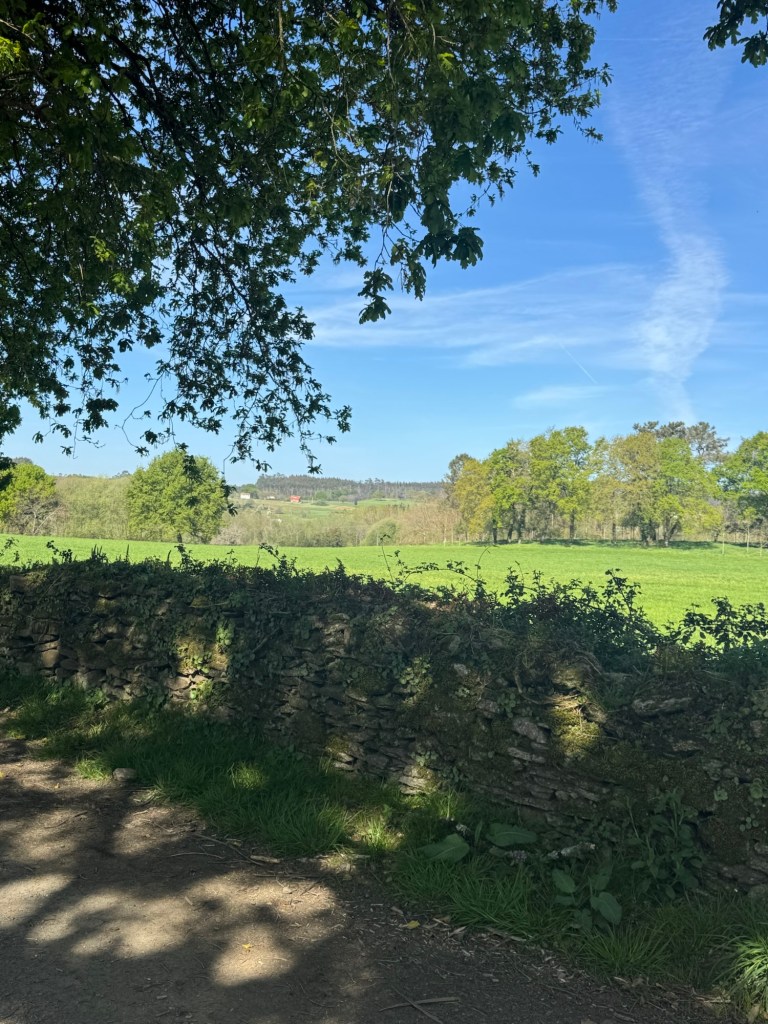
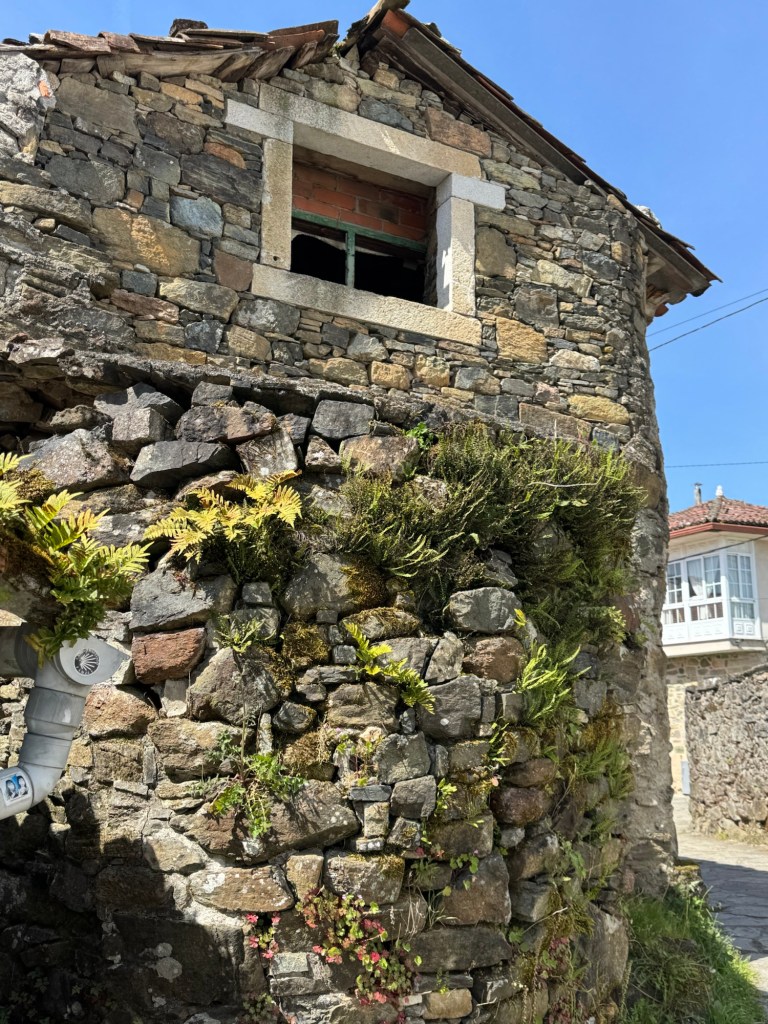
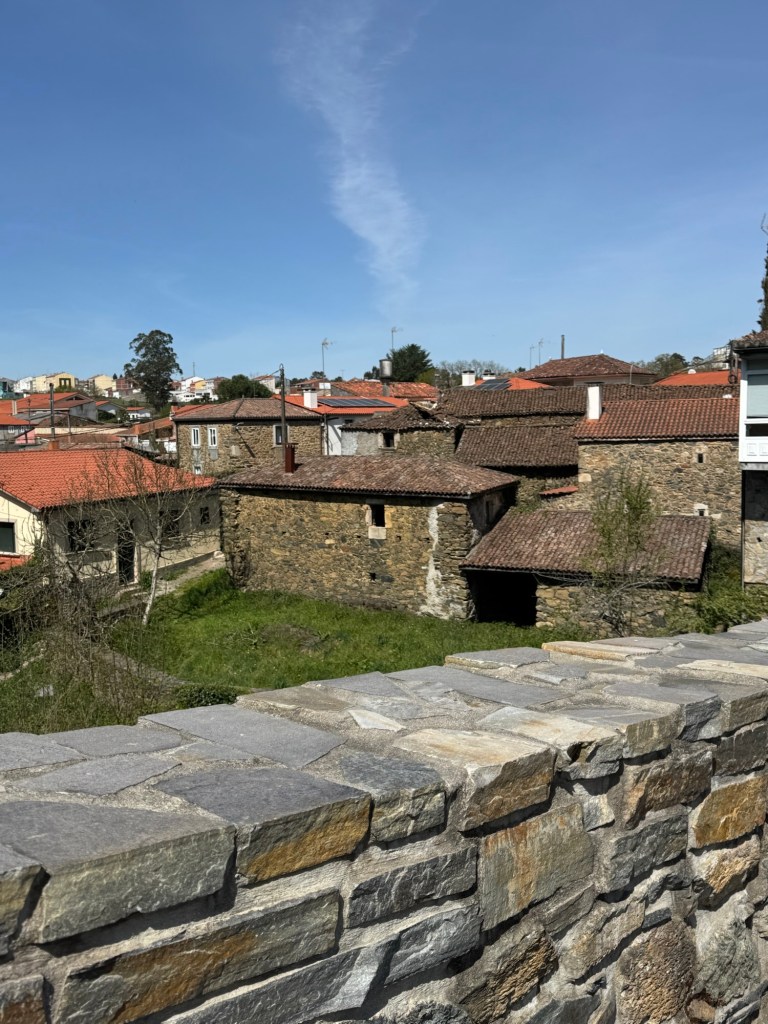
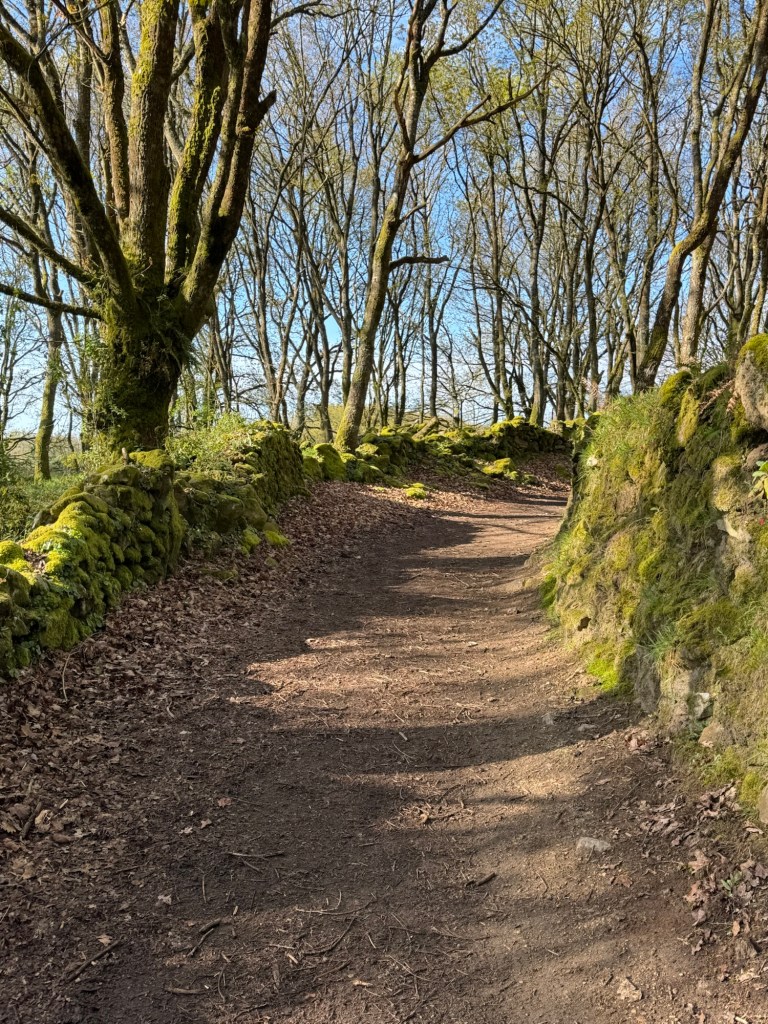
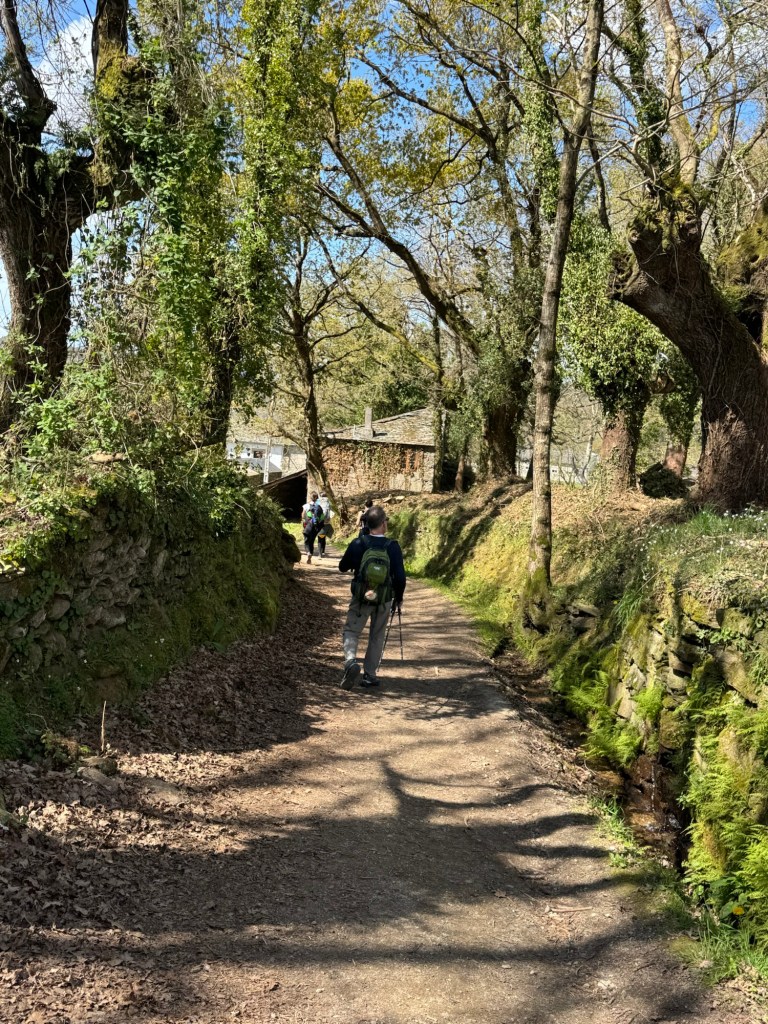
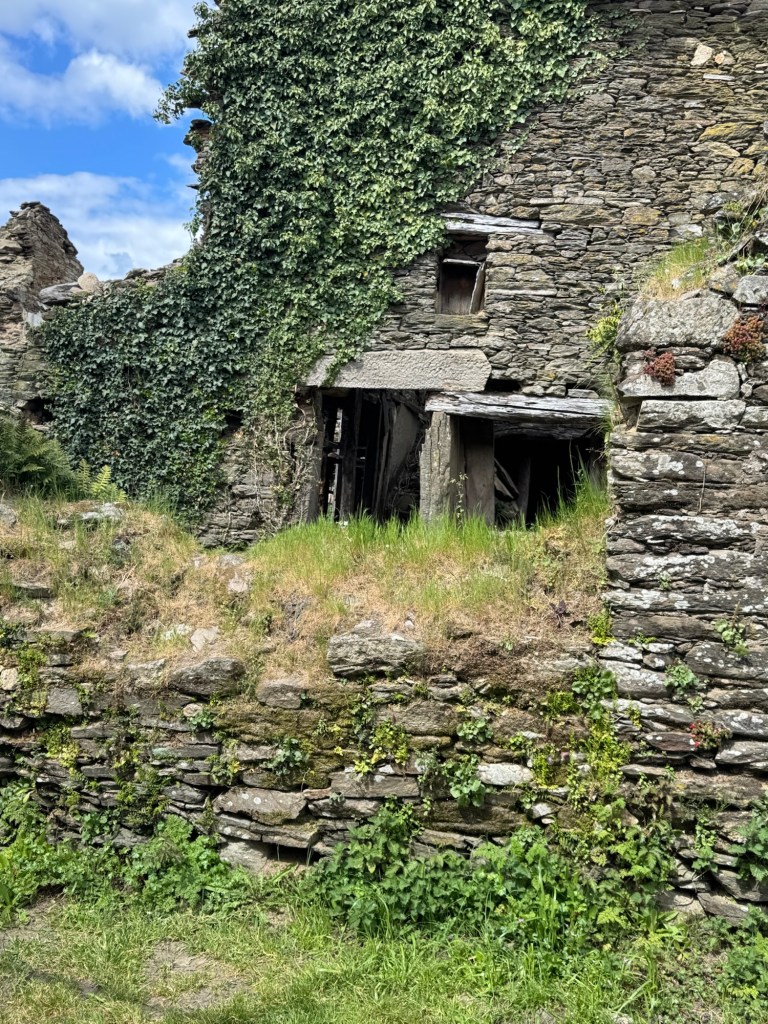
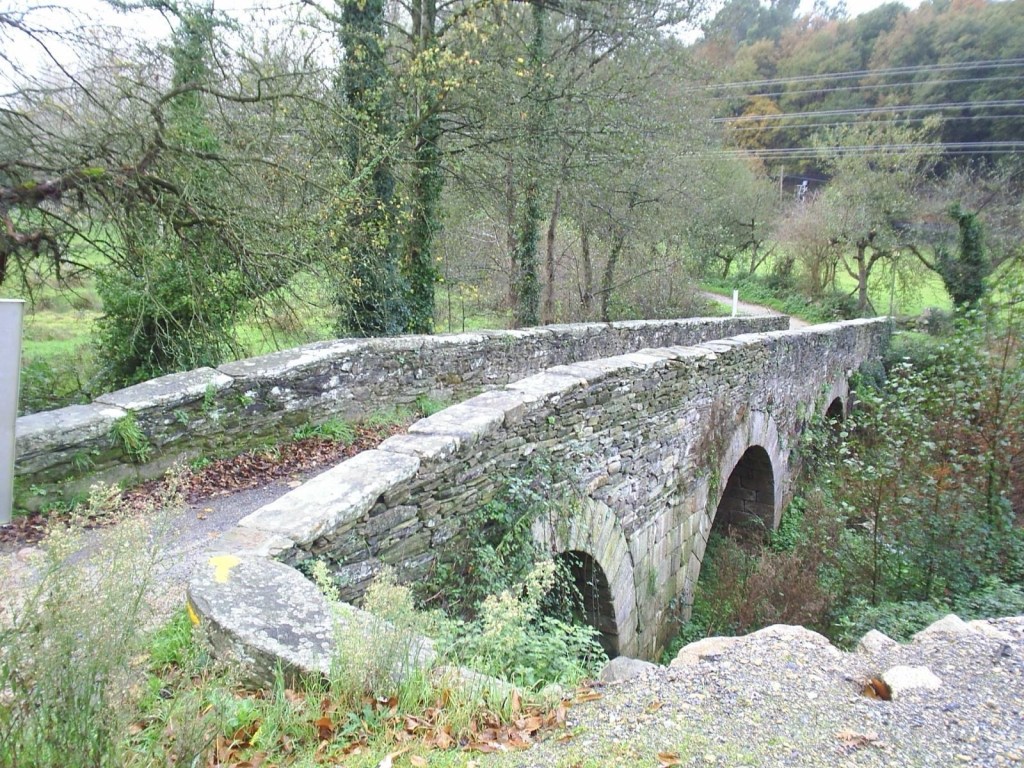
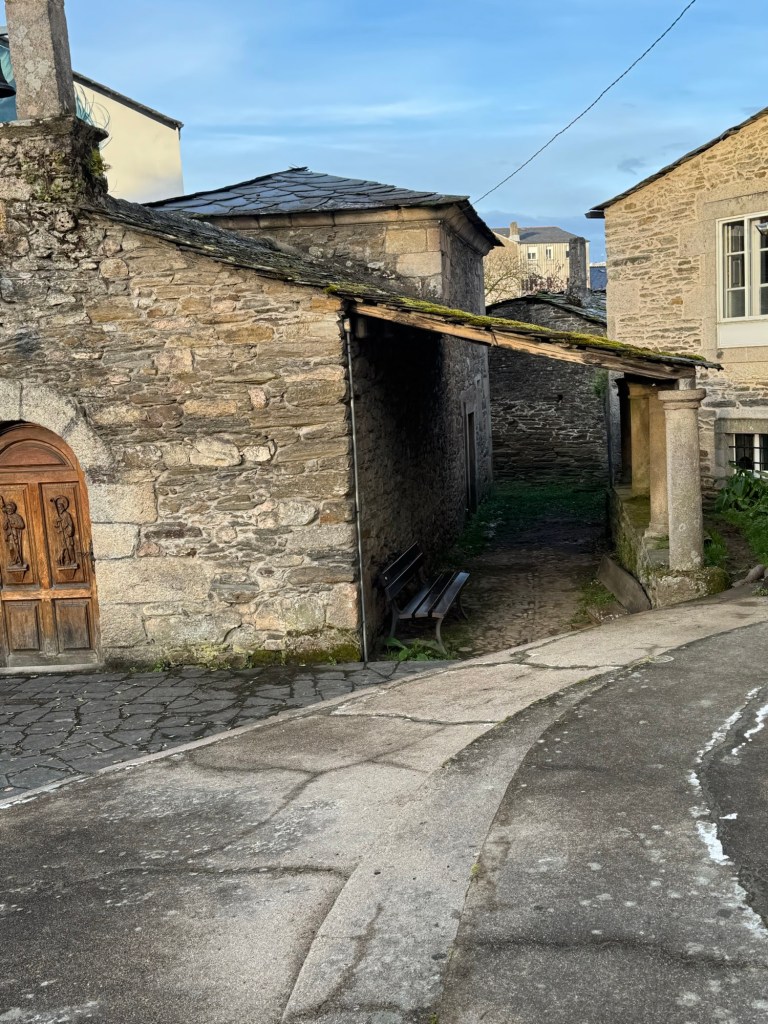
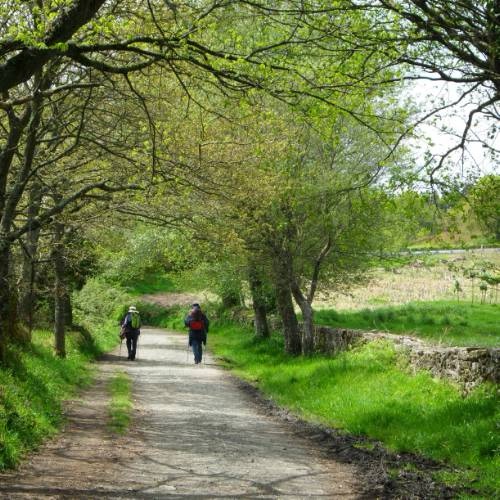
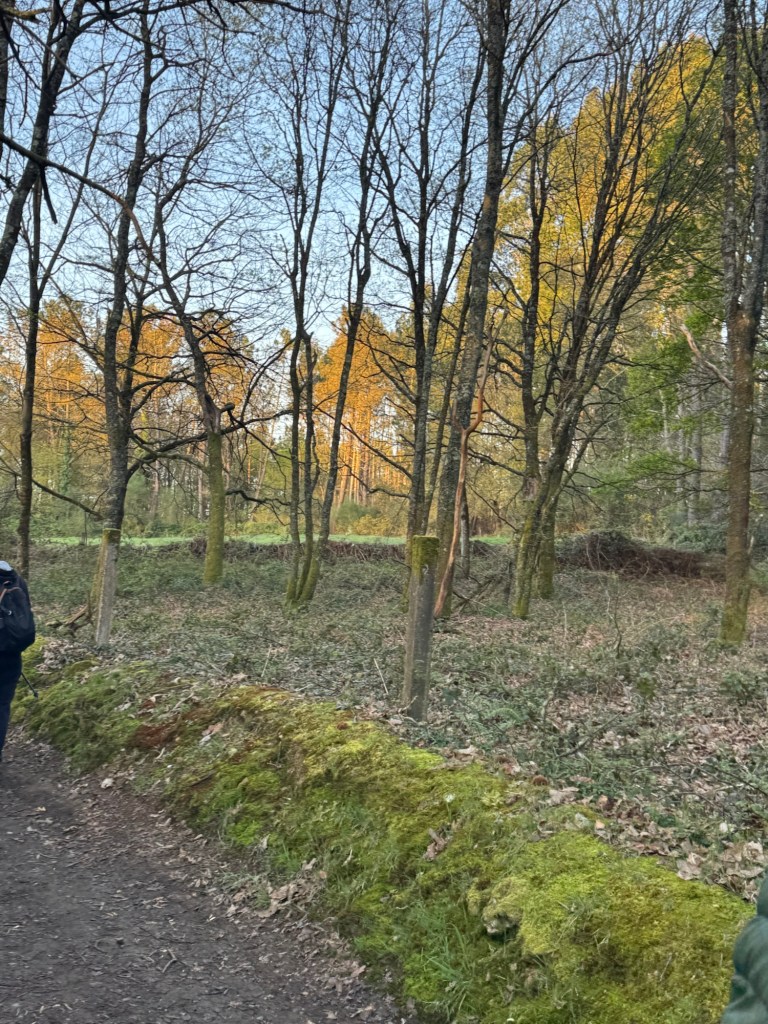
The Camino route from Sarria to Portomarín takes you through lush forests, rolling hills dotted with farms and quiet countryside filled with wildflowers and medieval buildings made of stone that have survived hundreds of years. I wonder how many pilgrims have taken shelter in these old farmhouses throughout history.

The terrain is challenging with many steep uphill areas, with a mix of gravel paths, dirt roads, and asphalt. The views throughout are spectacular!

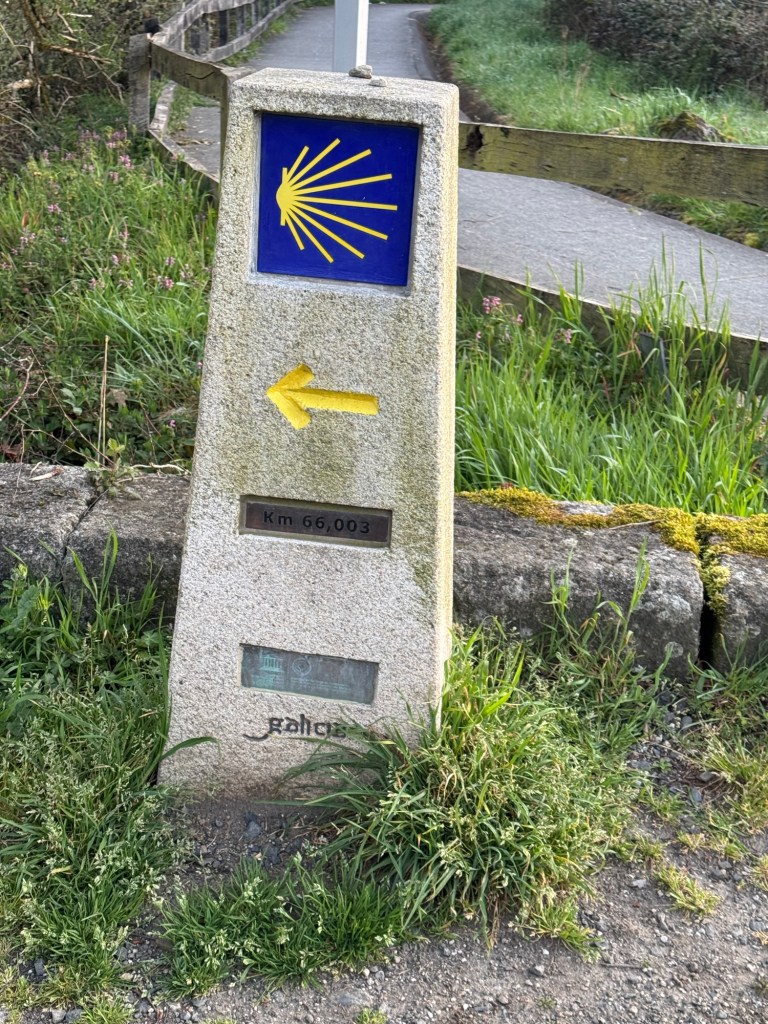
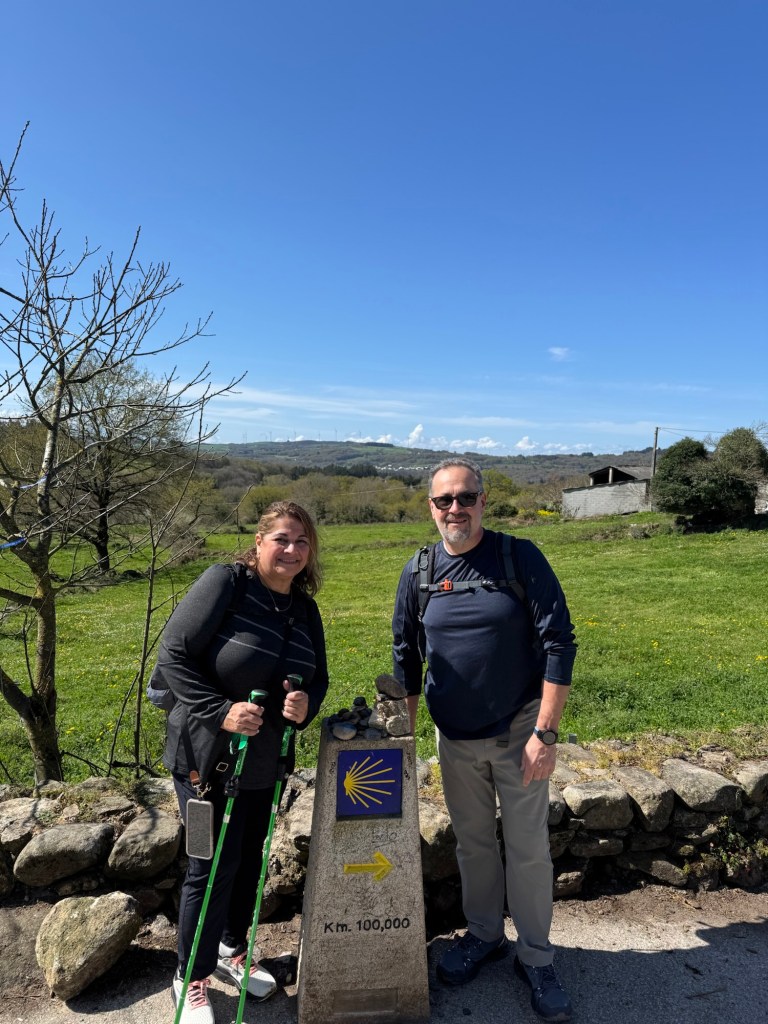
When we reached the 100km mark, 100km to Santiago de Compostela, we felt a sense of accomplishment and relief. Our next destination, Portomarin, was a few miles away. We were on the home stretch!

100KM to Santiago de Compostela

Four miles before the end of the walk for today. Four miles doesn’t seem like much, but it took every ounce of will and energy in me to walk these last miles.

Throughout the Camino route there are a few establishments, small restaurants that cater to the pilgrims along the way. We needed some rest after walking for 9 hours. And a little bit of fuel for the remainder of the walk. The Mercadoiro, a small cafe and albergue (hostel), was charming with unforgettable views.

Pulpo – a Galician delicacy.

The final stretch! Onwards to Portomarin. At this point, I’m walking very slowly. My legs feel heavy, tired, and painful.

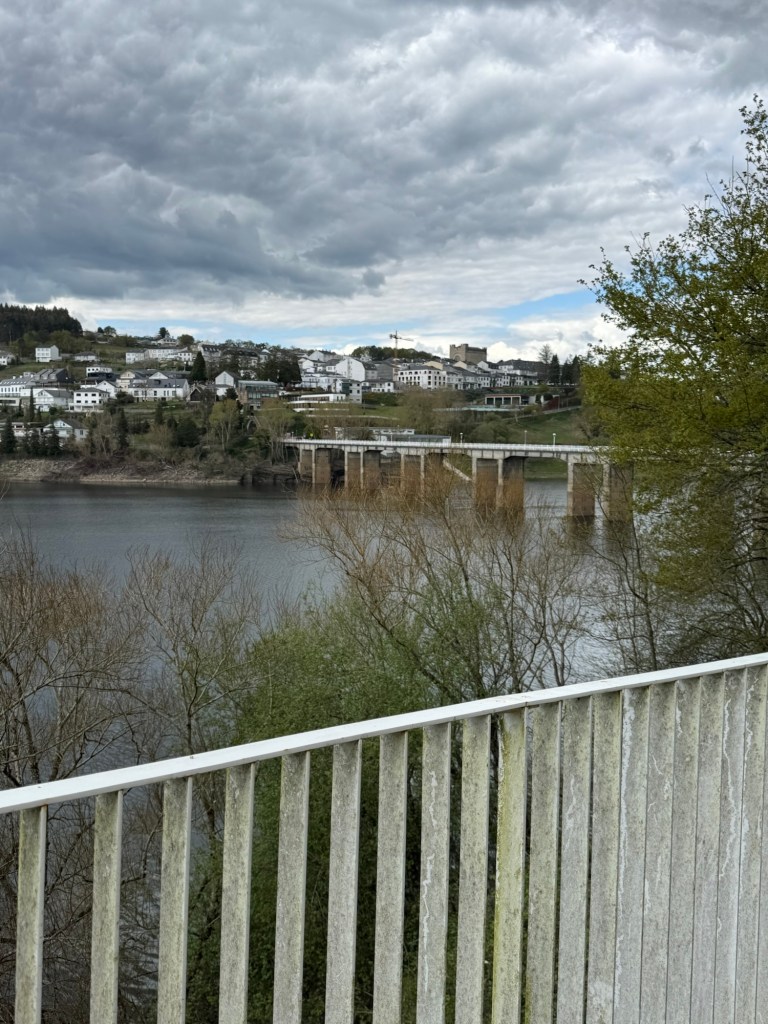
Portomarin has an interesting history. A charming little town in Galicia, it’s most famous for being a key stop on the Camino.
Originally, the town was right on the Miño River, but when they built the Belesar Reservoir in the 1960s, the entire town had to be moved. Whole buildings were literally lifted and relocated. The church of San Juan, for example, was taken apart stone by stone and reconstructed in the new town.

Portomarín has roots going back to Roman times, but it really started to grow in the Middle Ages, especially because of its spot along the Camino. You can still see remnants of that era today, like the Church of San Nicolás and the beautiful, 12th-century Church of San Juan.
Now, it’s a peaceful spot for pilgrims and tourists alike, with gorgeous views of the reservoir and a lot of history packed into its little streets. If you’re walking the Camino, it’s a must-stop, and even if you’re not, it’s worth checking out for the mix of nature and history.

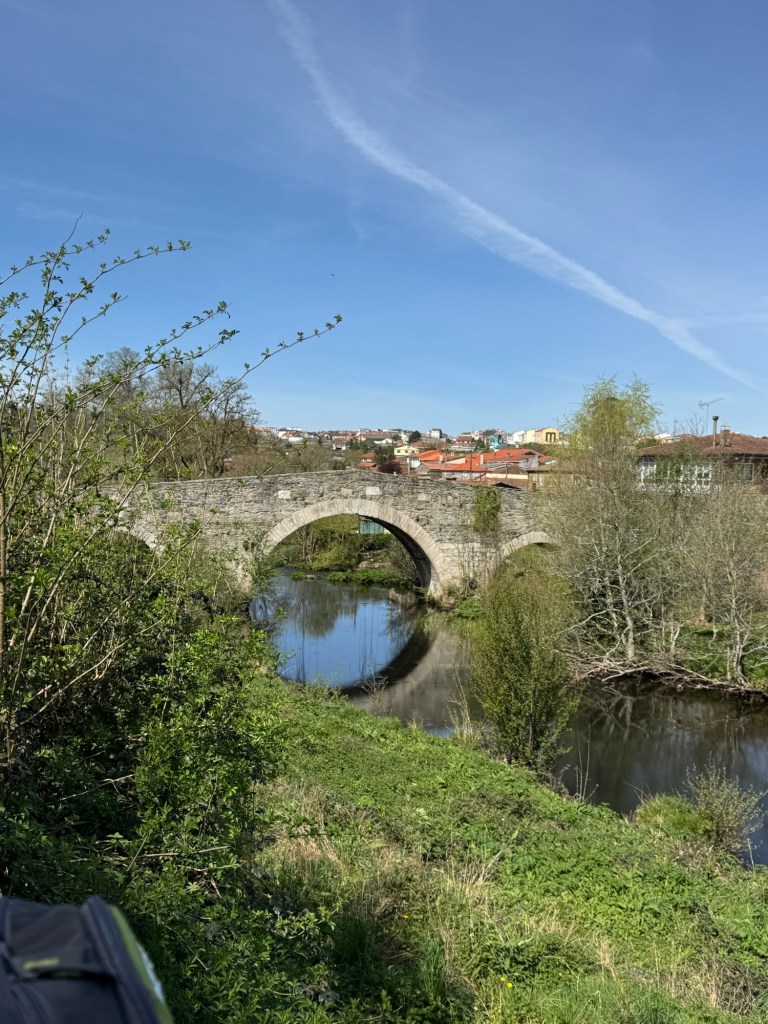
To enter Portomarin, we crossed a long bridge and found ourselves at the foot of the steep stone stairs leading up to the town. After walking 15 miles, climbing these steps seemed insurmountable. But, we did it! Are we really here? The exhaustion is real! Time to rest before exploring the town. Tomorrow is a very challenging day with a 17 mile walk. I hope we can recover enough to make the journey.

Here’s a 3D video map if the walk. We found this great app called Relive that captures your entire route. You can later add pictures you take along the way.

Sarria: The Beginning of Our Camino Journey

We arrived at Santiago de Compostela today. Our long awaited trip to the Galician region in northern Spain to start our pilgrimage greeted us with a glorious 48 degrees, a welcome cool temperature from the usual balmy heat of south Florida. A rainy day could not ruin our excitement. If it rains tomorrow it will be part of the adventure during our first day on the Camino.
A car service awaited us and we were transported from the Santiago airport to Sarria, our starting point on the Camino. As the driver chatted away about politics and life in Spain versus the U.S., I took in the scenery. Beautiful countryside, rolling hills, small towns with modern buildings intertwined with ancient farmhouses. The occasional pilgrim walking the Camino in the rain added to the idelic scene. This route would be our path starting tomorrow, and it suddenly became a daunting task. An hour and a half drive to Sarria covered 73 miles. We will be walking those 73 miles within the next five days. Can we do this?

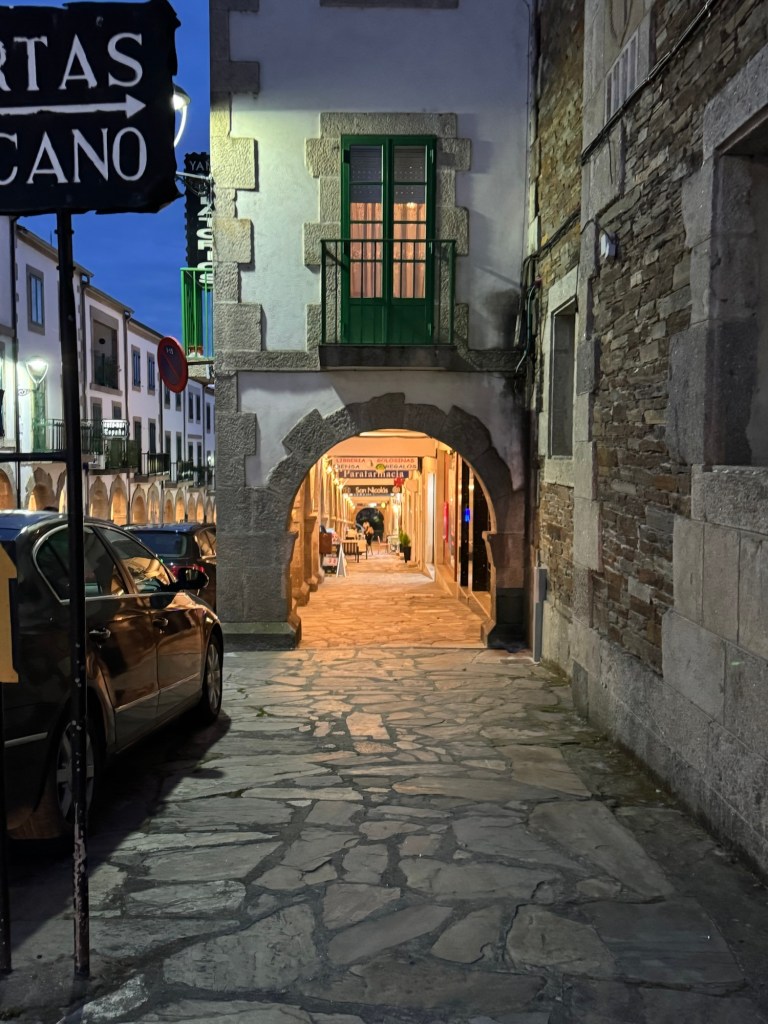
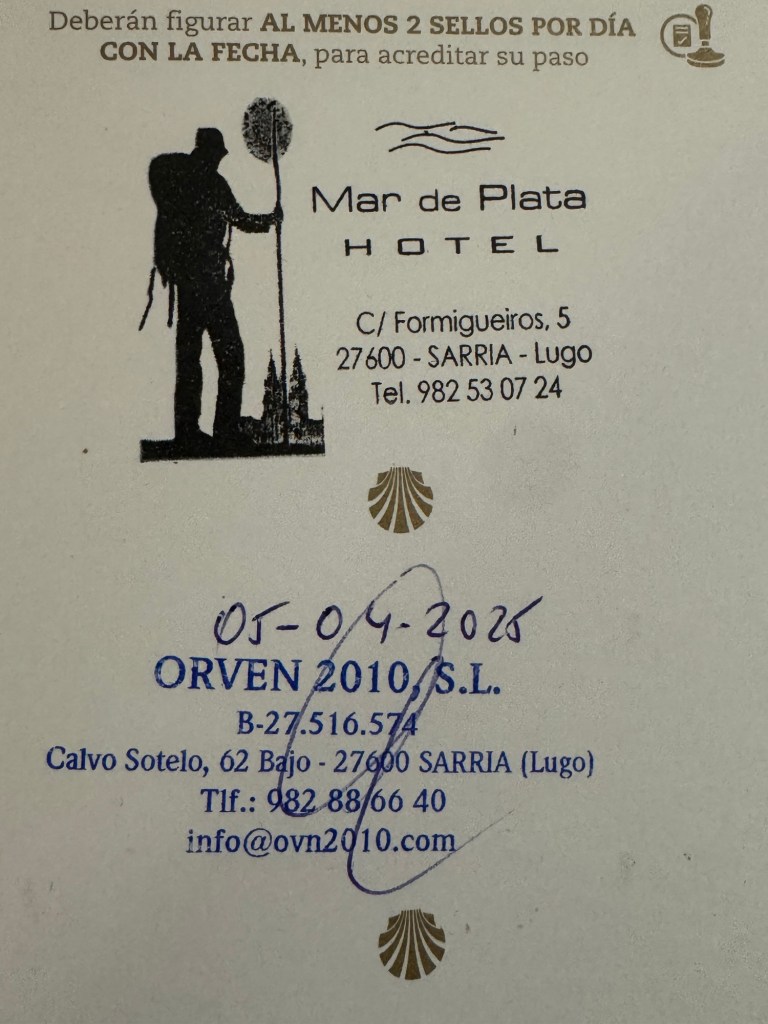
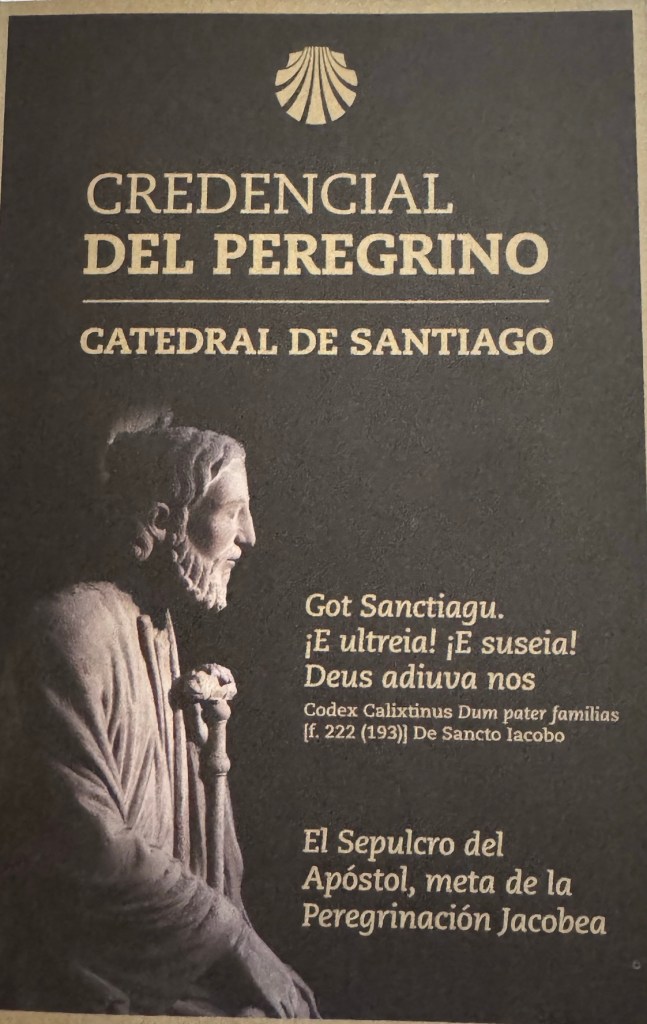
We arrived at Sarria exhausted from the long travel day, but ready to explore a little before turning in to rest for the walk ahead. Our hotel, Mar de Plata, was modern, with a spacious room and very clean. We received our Camino passports which every pilgrim carries throughout the walk. We must have two stamps from every stop along The Way, to receive the coveted Santiago de Compostela certificate at the end of the journey. We now have our first two stamps, one from the hotel, the other from a hardware store. We learned that many of the town establishments provide the stamp. Each is unique to the place and some stamps are signed, to add an official touch to the tradition.

Sarria is a small but historically rich town located in the province of Lugo, in the community of Galicia, Spain. It sits in the lush green hills of northwestern Spain and is renowned for its popular role as a starting point for the Camino de Santiago. It’s around 115 kilometers from Santiago, the minimum distance required for pilgrims to earn the Compostela certificate, making Sarria one of the most popular spots to begin the journey. The history of Sarria dates back to Roman times, and you can still see remnants of that era, including ancient bridges and roads. In medieval times, Sarria was an important town, thanks to its strategic location along the Camino. Its growth was influenced by the religious significance of the pilgrimage route.
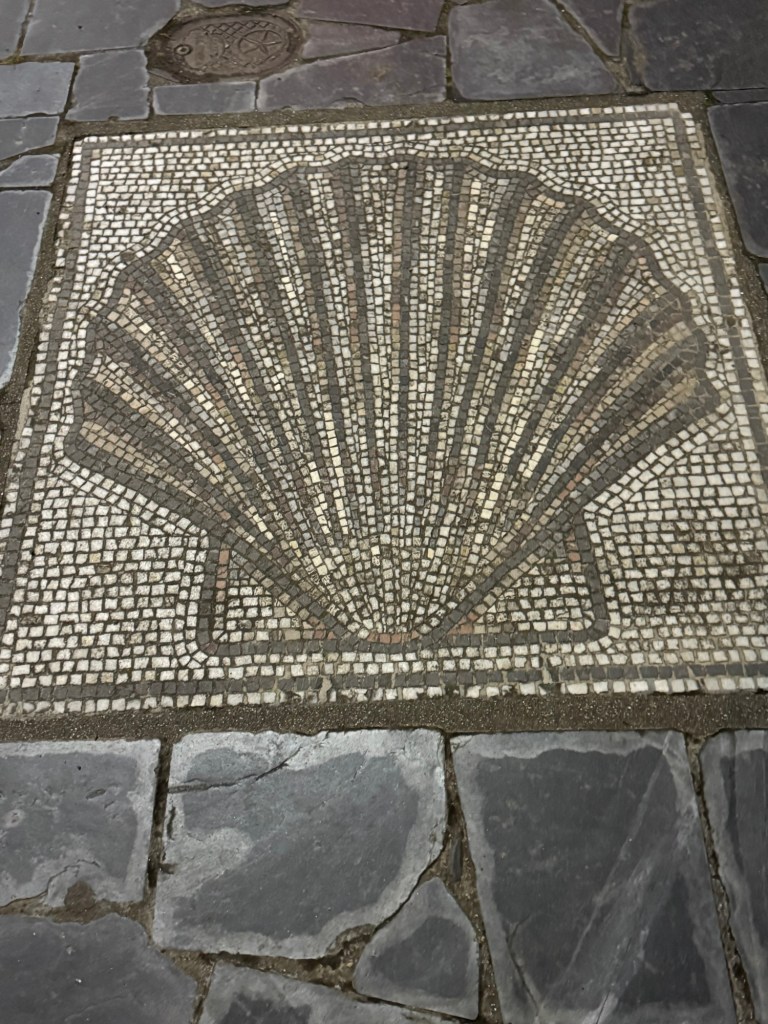
While exploring the town I was surprised by the many shops, boutiques, large markets, restaurants, and small cafe bars where the locals meet. We stopped at a hardware store, the one where we received the second stamp on our Camino passport, when we saw in the store window the iconic seashell, the symbol of El Camino. We bought two to hang from our backpacks.
The people we’ve encountered so far are friendly and kind. Locals embrace the tourists and pilgrims who visit for a short one night or a couple of days stay passing through on the Camino. The importance of this pilgrimage is not lost on all who live along the Camino route. Pilgrims are held in great reverence for the walk that has been taking place for over 1000 years. We felt that reverence with every person who wished us a “buen camino.” This is the official greeting to all who walk the way of El Camino. We anxiously anticipate what tomorrow brings when we start our journey.

The Way to a Dream

In 2016, we launched this blog with a simple but powerful dream: to walk the Camino de Santiago. Today, as we step into 2025, we’re only three months away from turning that dream into reality.
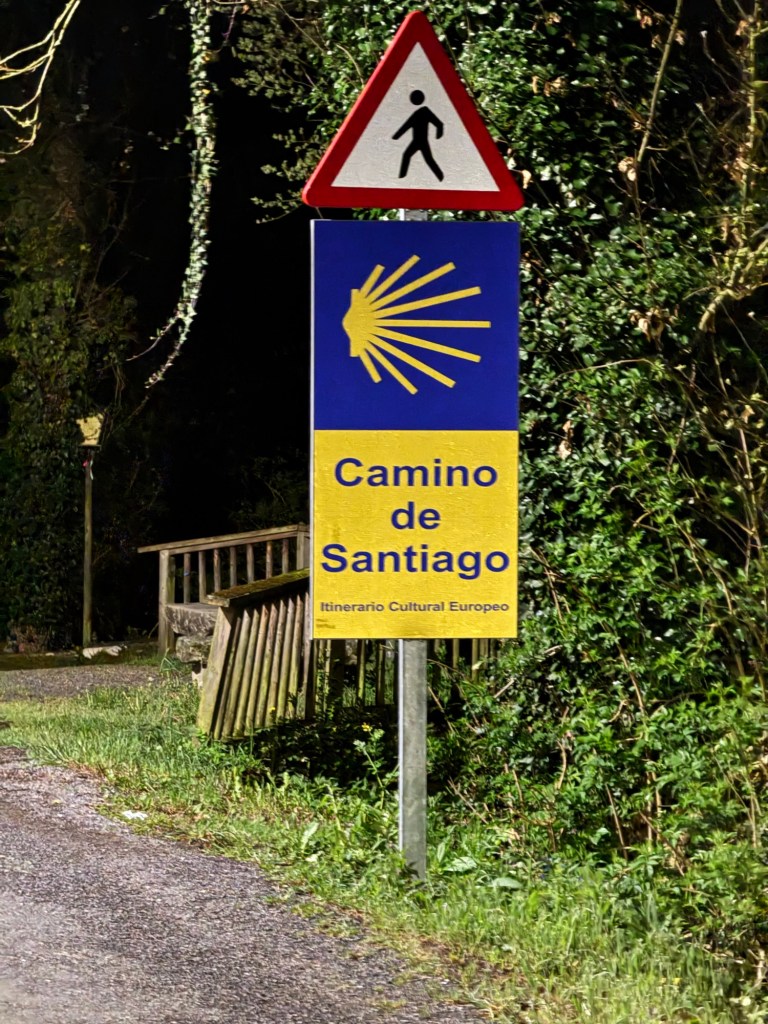
The Camino de Santiago, also known as The Way, is a legendary pilgrimage that traces its roots back over a thousand years. It begins in the Pyrenees in Saint-Jean-Pied-de-Port, France and winds its way through northern Spain to Santiago de Compostela. The full journey spans 800 kilometers (500 miles) and is known for its physical challenges and transformative power. While most people take a month or more to complete the entire route, our lives—busy with work and the realities of being in our 60s—don’t allow for that kind of time off. So, we’ve chosen a compromise: we’ll walk a shorter segment that still gives us the opportunity to fully experience the essence of the Camino and earn the revered Compostela certificate at the end—a cherished memento of our personal pilgrimage and the deep reasons that led us to walk this path.

Our journey will begin in Sarria, Spain, one of the final starting points for pilgrims. Over the course of six days, we’ll walk between 12 and 17 miles a day, covering a total of 72.7 miles. The thought of it is both exhilarating and a little daunting—are we ready? Not by a long shot! But are we excited? Beyond measure. We can’t wait to begin, and we hope to share the details of our adventure with you through our journal, capturing not just the day-to-day experiences but the emotional and spiritual journey as well.

This isn’t just a physical trek for us—it’s a deeply personal experience, one that we’re thrilled to share as a couple. We’re joining millions of pilgrims who have walked this historic route, each with their own reasons and stories. Our story is about stepping into something larger than ourselves, and we invite you to join us on this meaningful adventure.

Here’s a link to our very first Camino blog post. We’re in awe of how close we are to reaching this life-changing goal. The countdown begins- 94 days to the start of our journey.

Happy New Year!

“Florence: A Magical Journey Through Time”

Nestled in the heart of Tuscany, is the beautiful city of Florence. Known for its breathtaking architecture, rich artistic heritage, and contributions to the intellectual and cultural history of Europe, Florence captivates you from the moment you arrive.

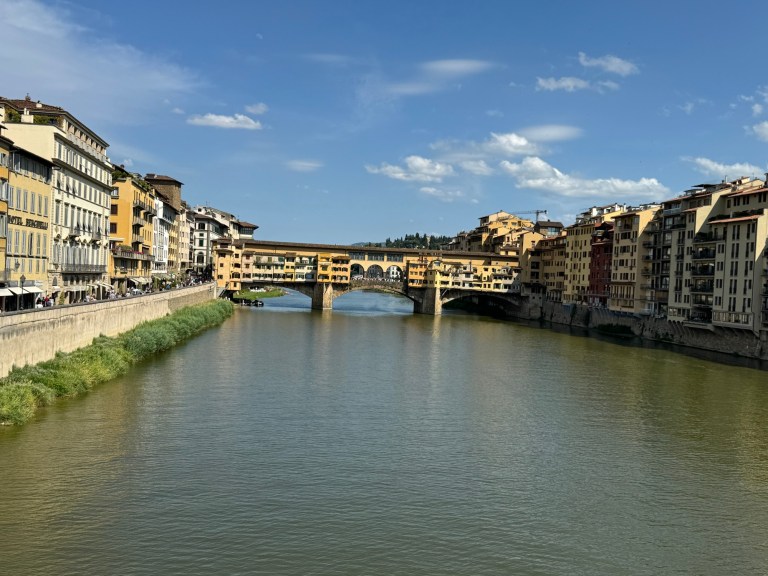
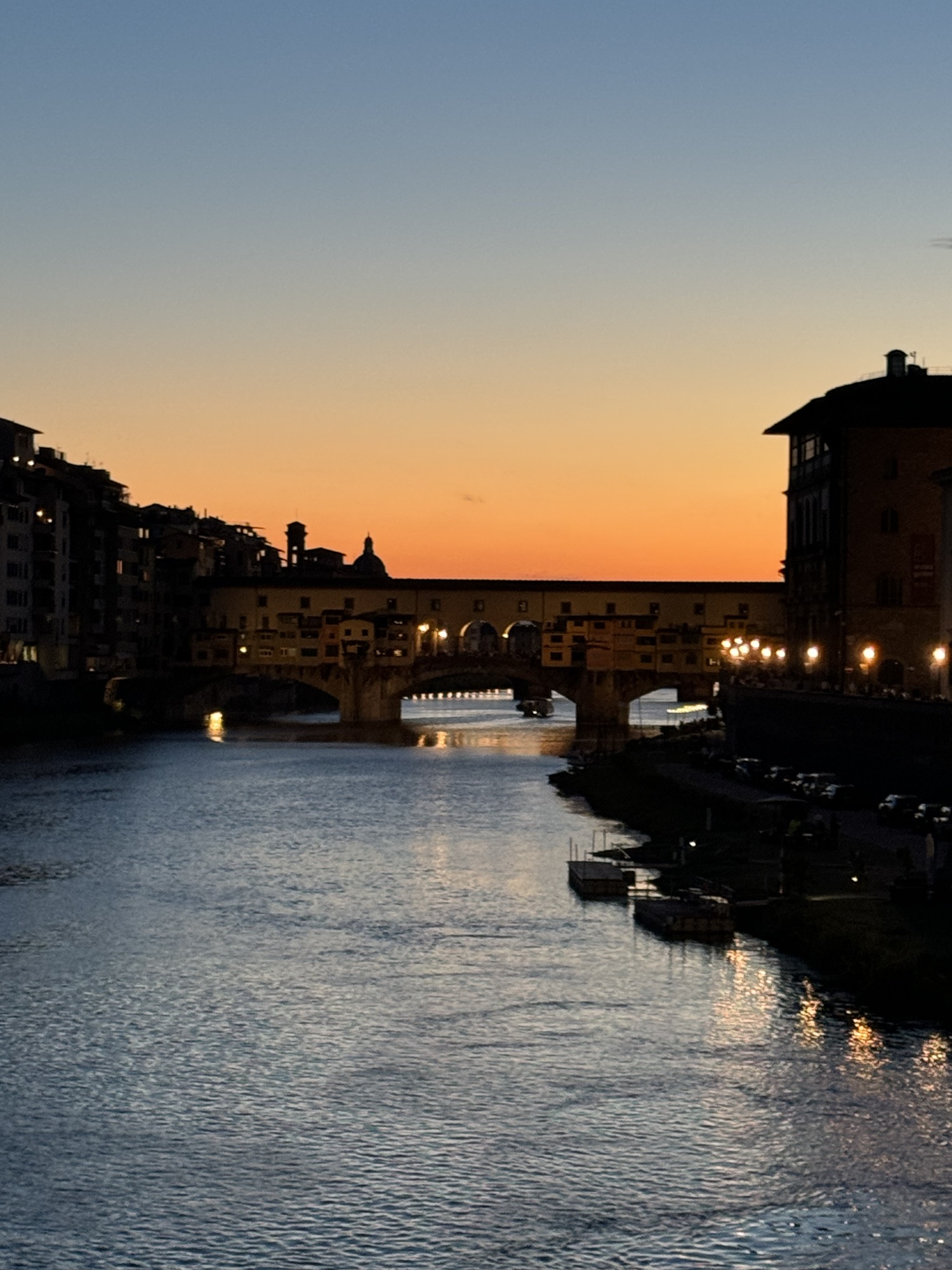
The Ponte Vecchio is the oldest bridge in Florence. The bridge dates back to Roman times, but the current structure was built in 1345. It was the only bridge in Florence to survive World War II, after Hitler ordered to spare it.

The Ponte Vecchio is famous for its distinctive design, with shops built directly on the bridge. Originally, these shops were occupied by butchers, but today they are mainly jewellers, goldsmiths, and souvenir shops.

The bridge has a special connection to the Medici family. In the 16th century, the Medici family had a private corridor built above the bridge, known as the Vasari Corridor, to allow them to move between their palace and the Uffizi Gallery without having to mix with the common folk.

In just one hour and a half, we traveled comfortably from Rome to Florence and arrived at the Firenze Santa Maria Novella station. Traveling by train is not only inexpensive, but convenient and enjoyable. One thing we learned about traveling by rail in Italy is that there is no need to arrive hours in advance. There is no seating in the terminal, and train numbers and information on the platform the train departs from are posted about a half hour before the train leaves. Trains are typically on time, and you should arrive about 20- 30 minutes before your departure. Beware of scammers who prey on tourists! There were several in the station trying to help tourists at the ticket stations, only to pressure them to give a tip for their service.

We arrived in Florence early in the morning, eager to explore the city. Although we couldn’t check into our Airbnb until the afternoon, we didn’t let that stop us from diving into our Florence adventure. For those looking for a convenient place to store their luggage, we found the centrally located Luggage Storage Florence on Via Guelfa, 15 to be an excellent option. The facility is highly recommended, and you might even have the pleasure of meeting the friendly and helpful attendant, Antonietta. For just a few euros, you can drop off your bags and be free to wander.

PRO TIP:
Pack light and choose versatile pieces that can be mixed and matched to create different outfits. Aim for a polished look, as locals tend to favor classic, elegant attire. Comfortable footwear is essential—while maintaining style, opt for sneakers or supportive shoes since you’ll be walking frequently, often on uneven, cobblestone streets.

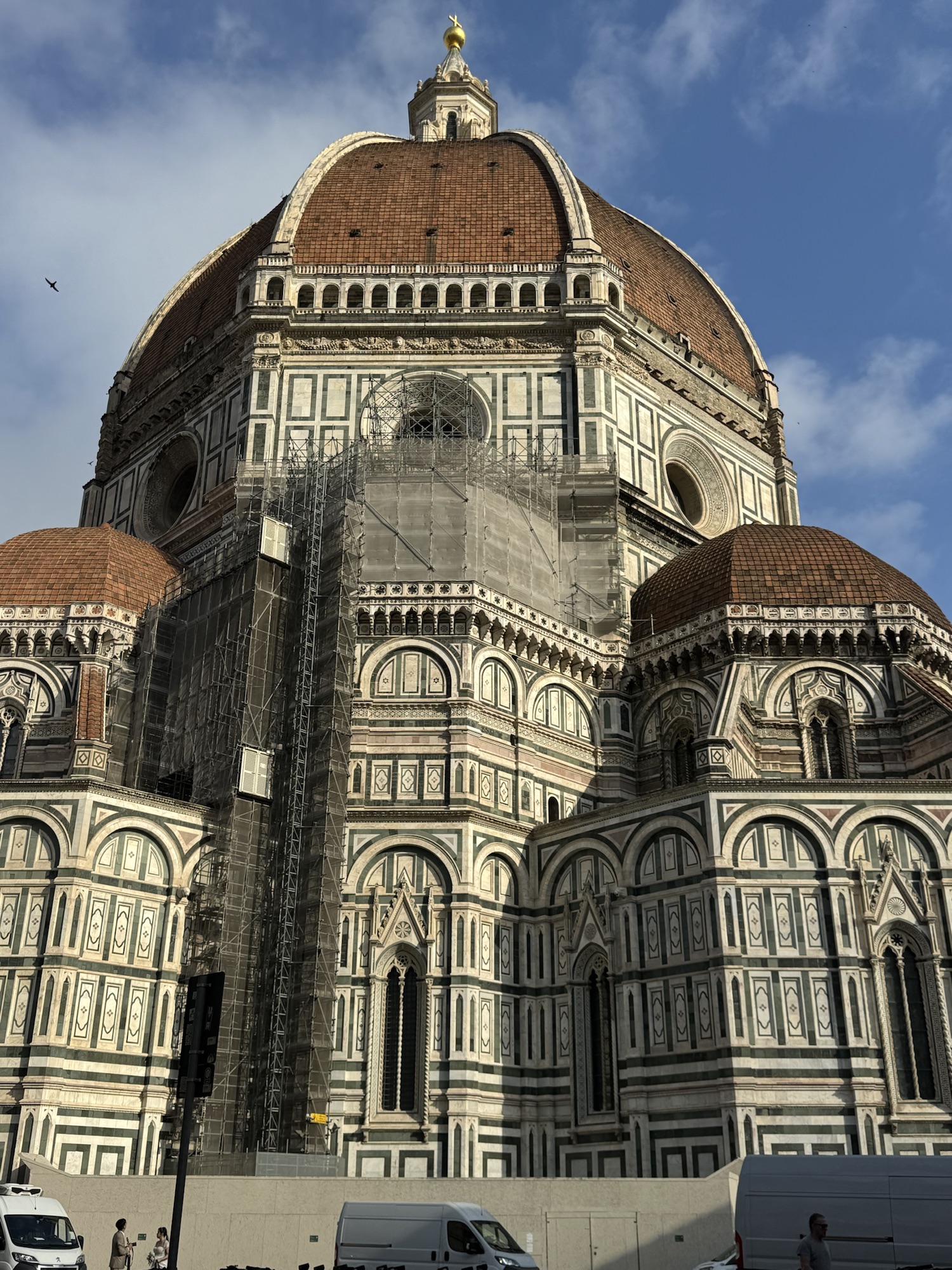
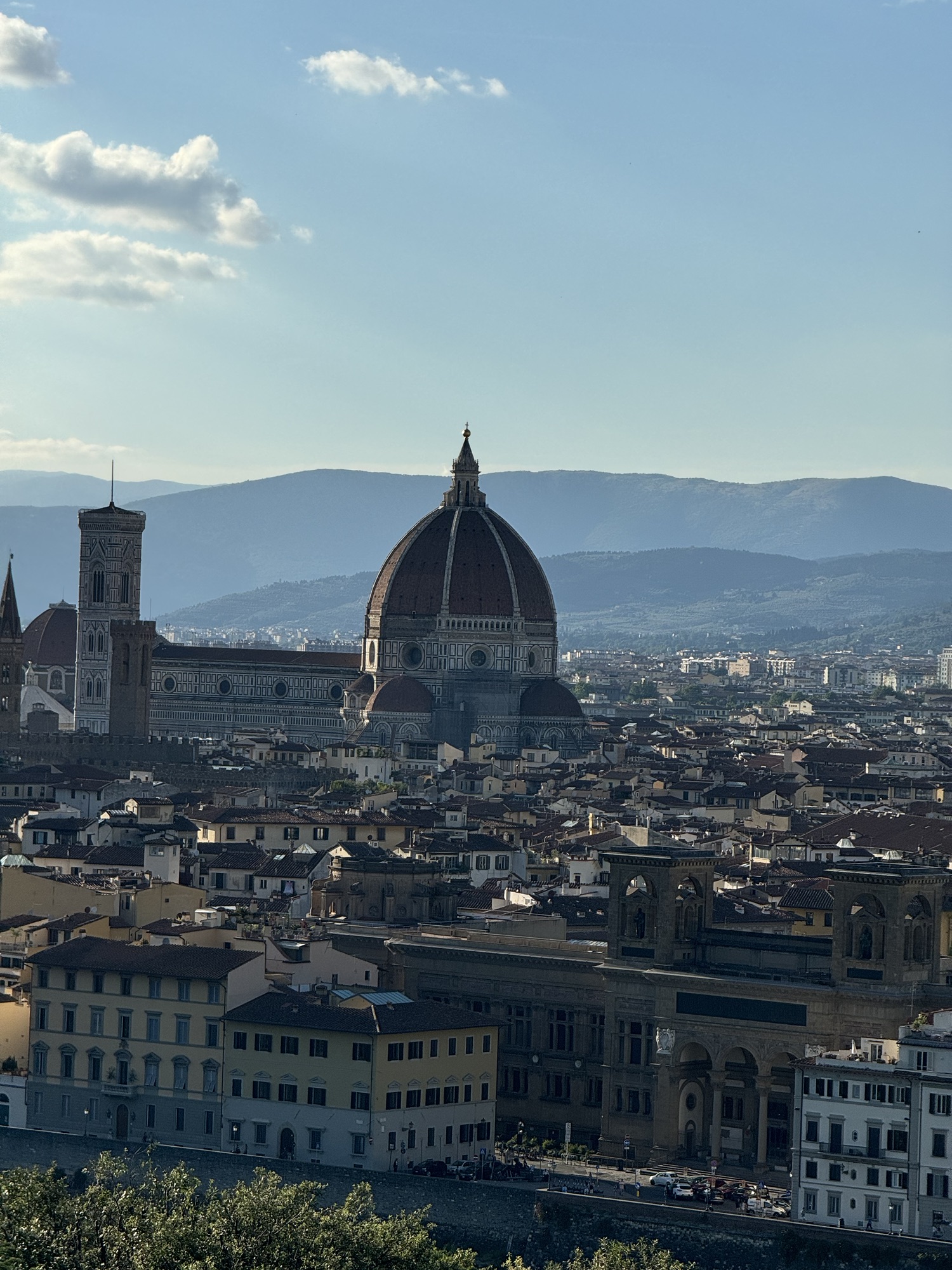
As first-time visitors to Italy, Florence surpassed all our expectations with its profound historical significance and captivating romantic allure. For someone who cherishes history and art, this city is nothing short of a living masterpiece. Our trip was a deeply enriching experience, blending cultural discovery with serene escapes into the Tuscan countryside. From the moment you set foot in Florence, the city’s rich history surrounds you. The Florence Cathedral, with its intricate facade and Brunelleschi’s awe-inspiring dome, immediately impresses as a marvel of architectural genius. To be honest, I must have looked dumbfounded as I wandered through the ancient streets, imagining the countless individuals who had walked these paths thousands of years before.

One of the highlights of our visit was the tour of Michelangelo’s David. Standing before this iconic sculpture was an emotional moment. The sheer scale and detail of David brought Michelangelo’s mastery to life, and I was struck by the statue’s powerful expression and the craftsmanship that has captivated viewers for centuries. The Accademia Gallery, where David resides, is a must see if you visit Florence, and the best way to visit is with a guided tour. A tour that allows you to skip the line will make the difference between hours of waiting, often in the hot sun, to effortlessly walking past the crowds and on to your destination. Who wants to wait in line when there’s so much to see! It’s well worth the extra money to skip the line. Most of our tours were booked through Get Your Guide or Viator. You can download the Apps for easy access, and there are tours at different price ranges for all budgets.

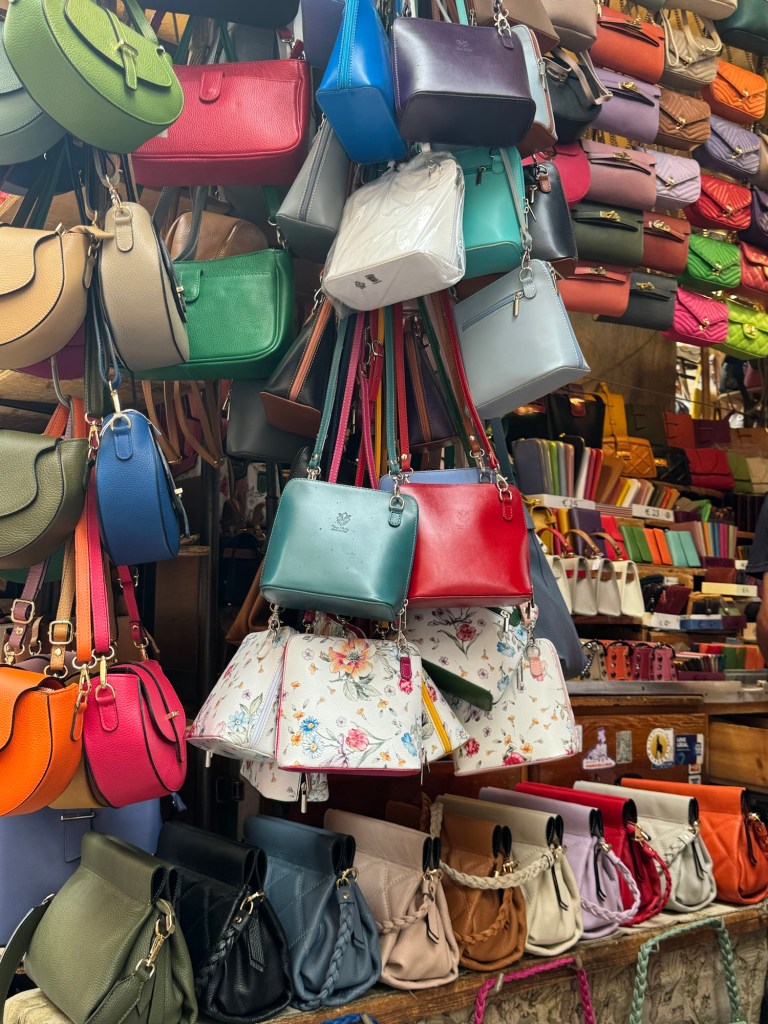
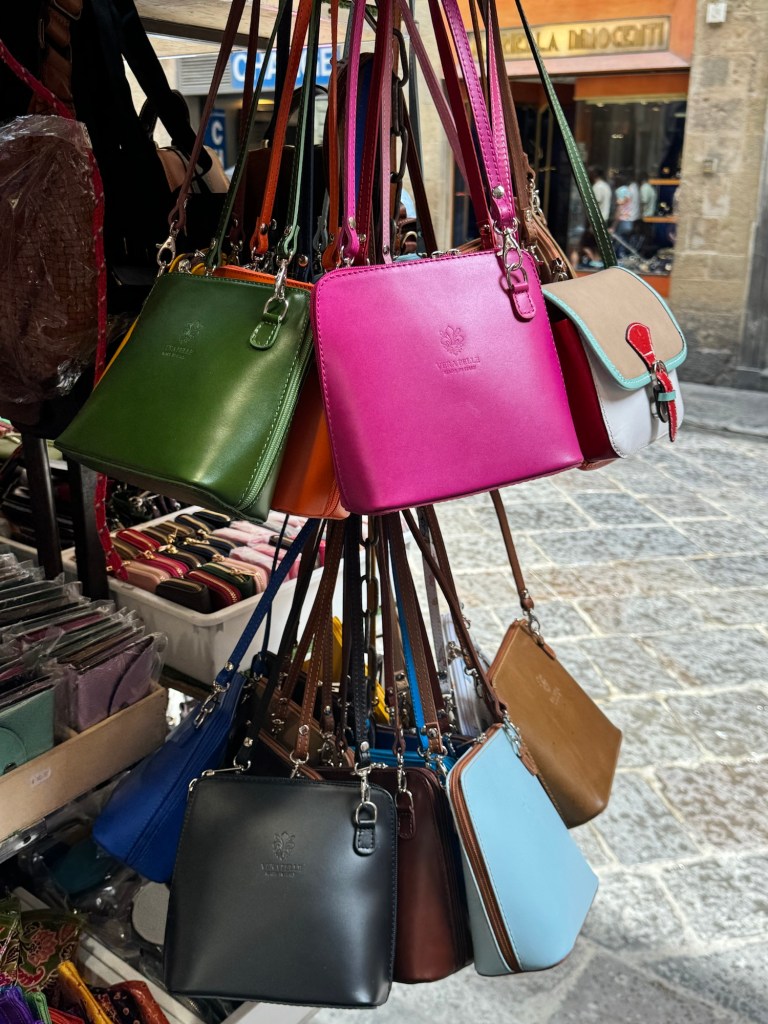
The leather markets of Florence are vibrant hubs that showcase the city’s long-standing tradition of leather craftsmanship. The most famous of these is the San Lorenzo Market, located near the historic church of the same name. Here, stalls are filled with an array of handcrafted leather goods, from jackets and bags to belts and wallets, all at bargain prices. If you enjoy haggling, this is your opportunity. Anything your heart desires can be optained for a lower cost. Another well-known spot is the Mercato del Porcellino, where visitors can browse through finely crafted items in a picturesque setting. These markets offer not only a chance to shop but also an opportunity to witness Florentine artisans at work.

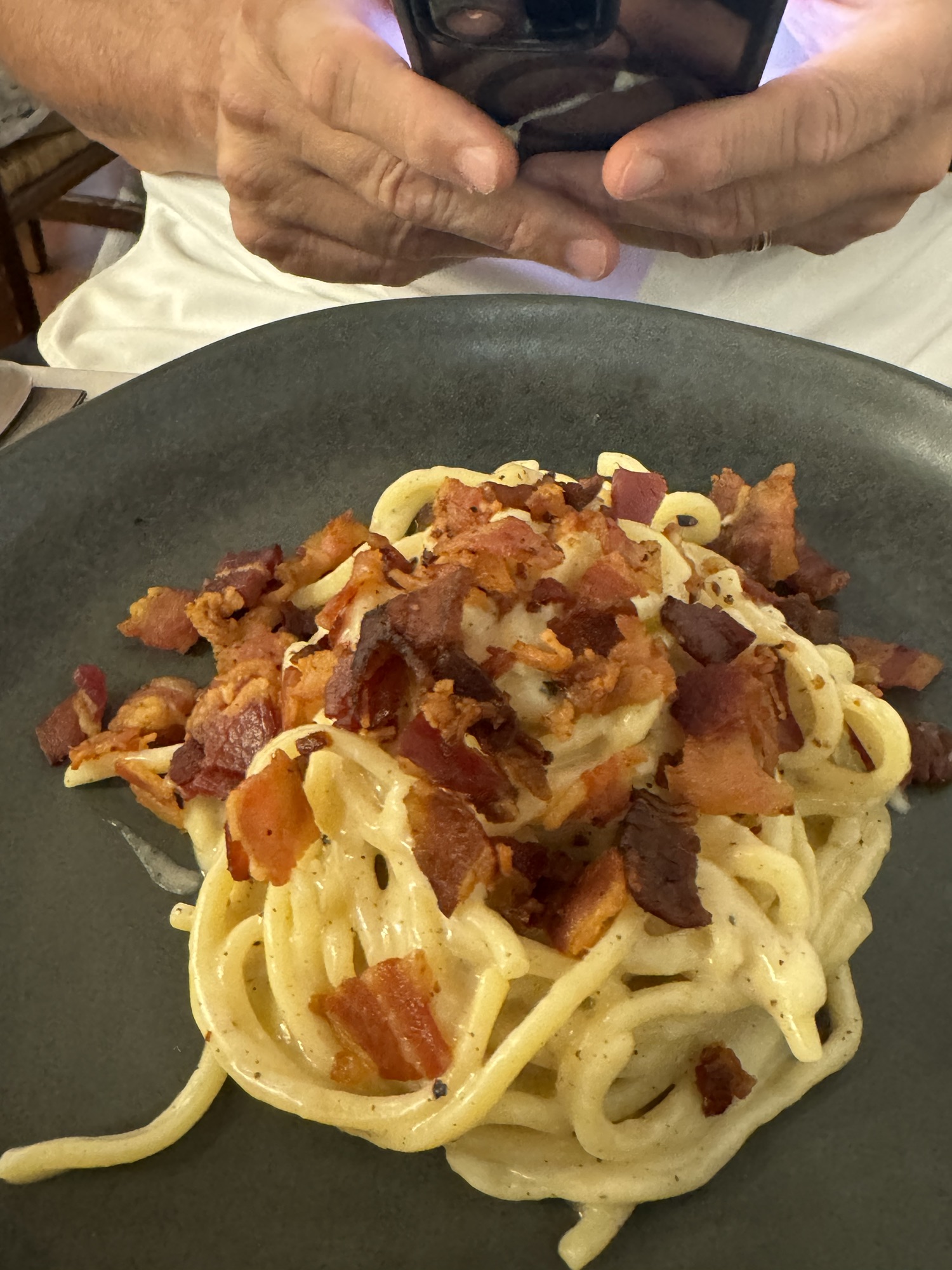
Let’s talk about food! I don’t think we had one bad meal in Italy. Of course, we did our research, watched endless amounts of YouTube videos, and we felt ready by the time we arrived in Florence to make the right food choices. Staying away from the central touristy spots, we explored neighborhoods where locals savor Italian delicacies that make my mouth water as I write. Florence is renowned for its rich culinary heritage, offering a tantalizing array of dishes that reflect its rustic and hearty Tuscan roots. One of the city’s most famous dishes is the bistecca alla Fiorentina, a succulent, thick-cut T-bone steak typically sourced from local Chianina cattle and grilled to perfection. Another beloved classic is ribollita, a hearty vegetable and bread stew that showcases the Tuscan knack for transforming simple ingredients into comforting dishes. Florence is also known for pici cacio e pepe, a traditional pasta dish featuring thick, hand-rolled noodles tossed with a savory picorino cheese and black pepper. Cacio e Pepe was my favorite, and a new staple in our home. For dessert, the city’s cantucci—crunchy almond biscotti often enjoyed with a glass of Vin Santo—offers a sweet finish to any meal. Not to mention the endless flavors of gelato, a perfect sweet treat at any time of the day!

I must mention that one of the most delectible things we discovered in Florence is the Affogato. Coffee and ice cream lovers beware, you will never be the same. What happens when you generously line a coffee cup with vanilla gelato and pour espresso in the middle topped with pistachio crumbs? Heaven.

Affogato, what a treat!

To balance the city’s historical and vibrant energy, we ventured into the serene Tuscan countryside for a wine-tasting tour. This was one of our top experiences in the Tuscan region and we were fortunate to find the perfect tour and tour guides. Winding through picturesque vineyards, rolling hills, and small country towns, we were immersed in the tranquil beauty of the Tuscan landscape. The enchanting countryside of Tuscany was truly magnificent, and I fell into a daydream wondering what it would be like to live in this picturesque place. And like a planned prop to enhance our perfect Tuscan outing, our bus trailed what seemed to be a vintage Fiat club!

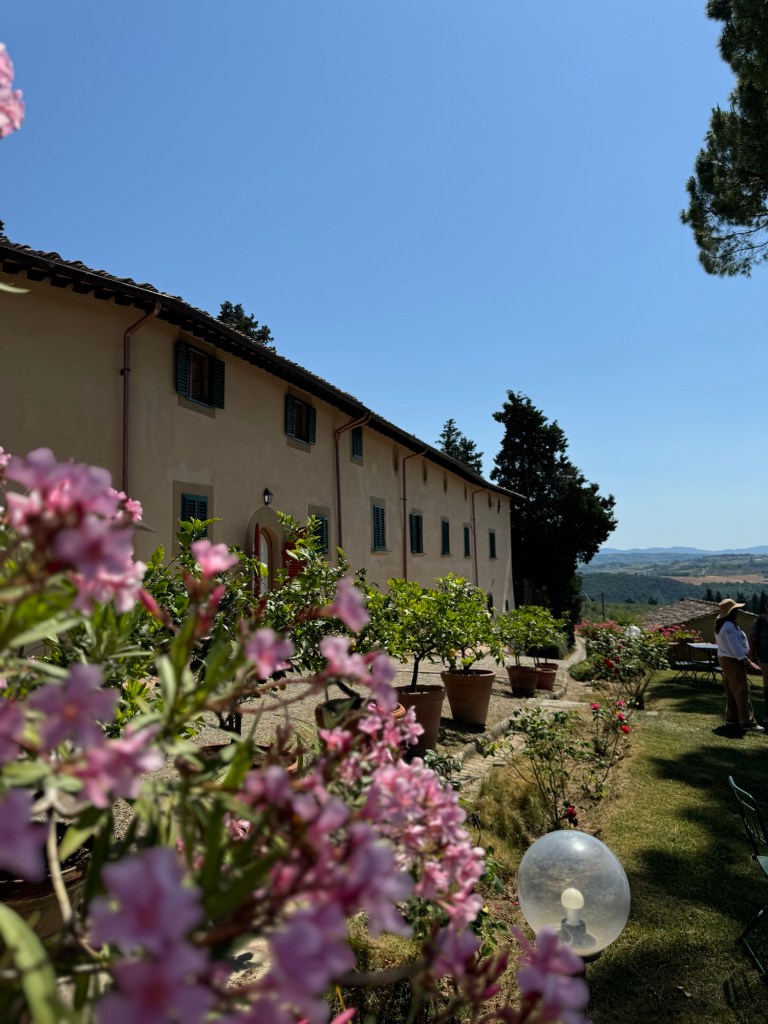
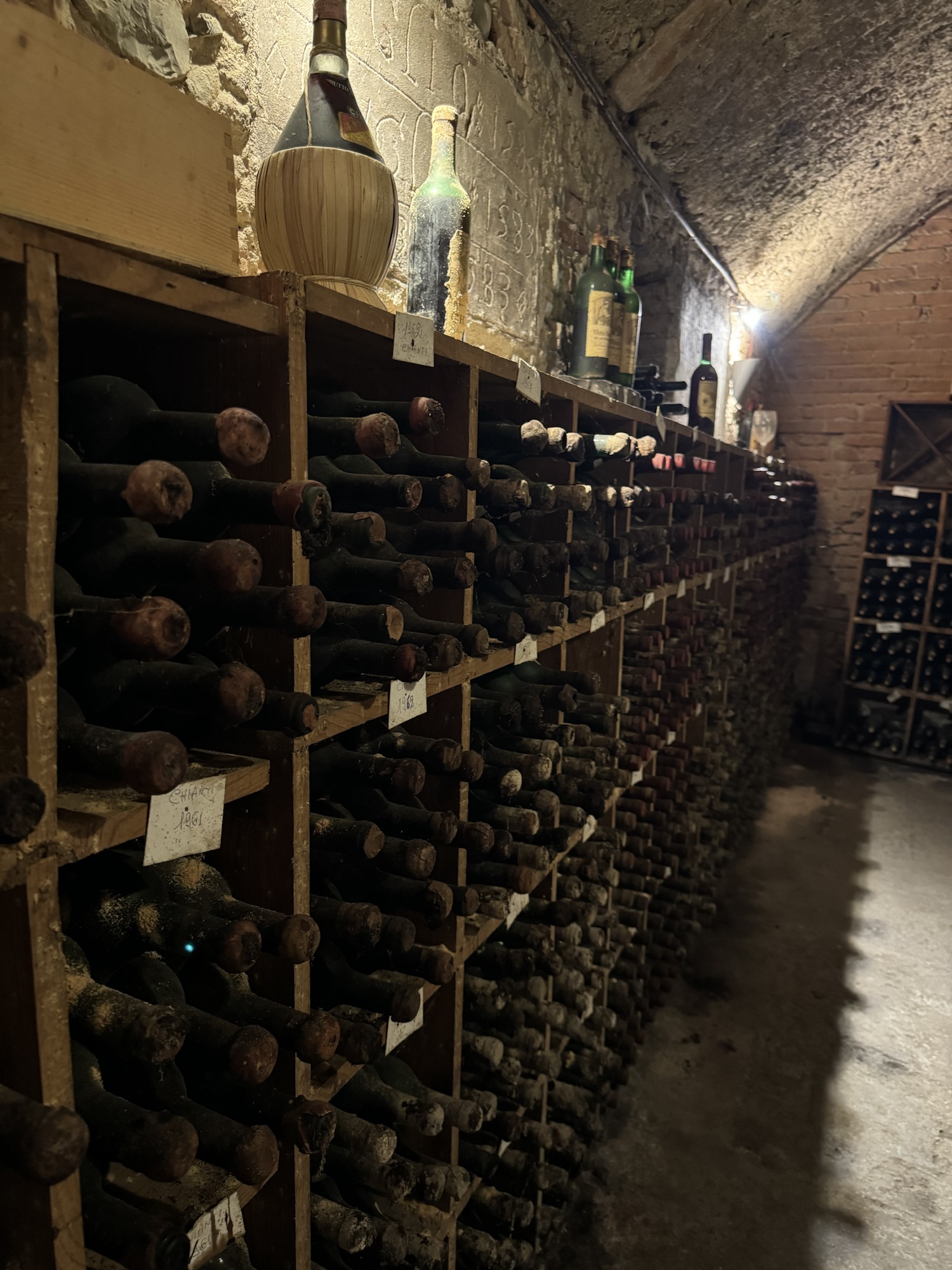
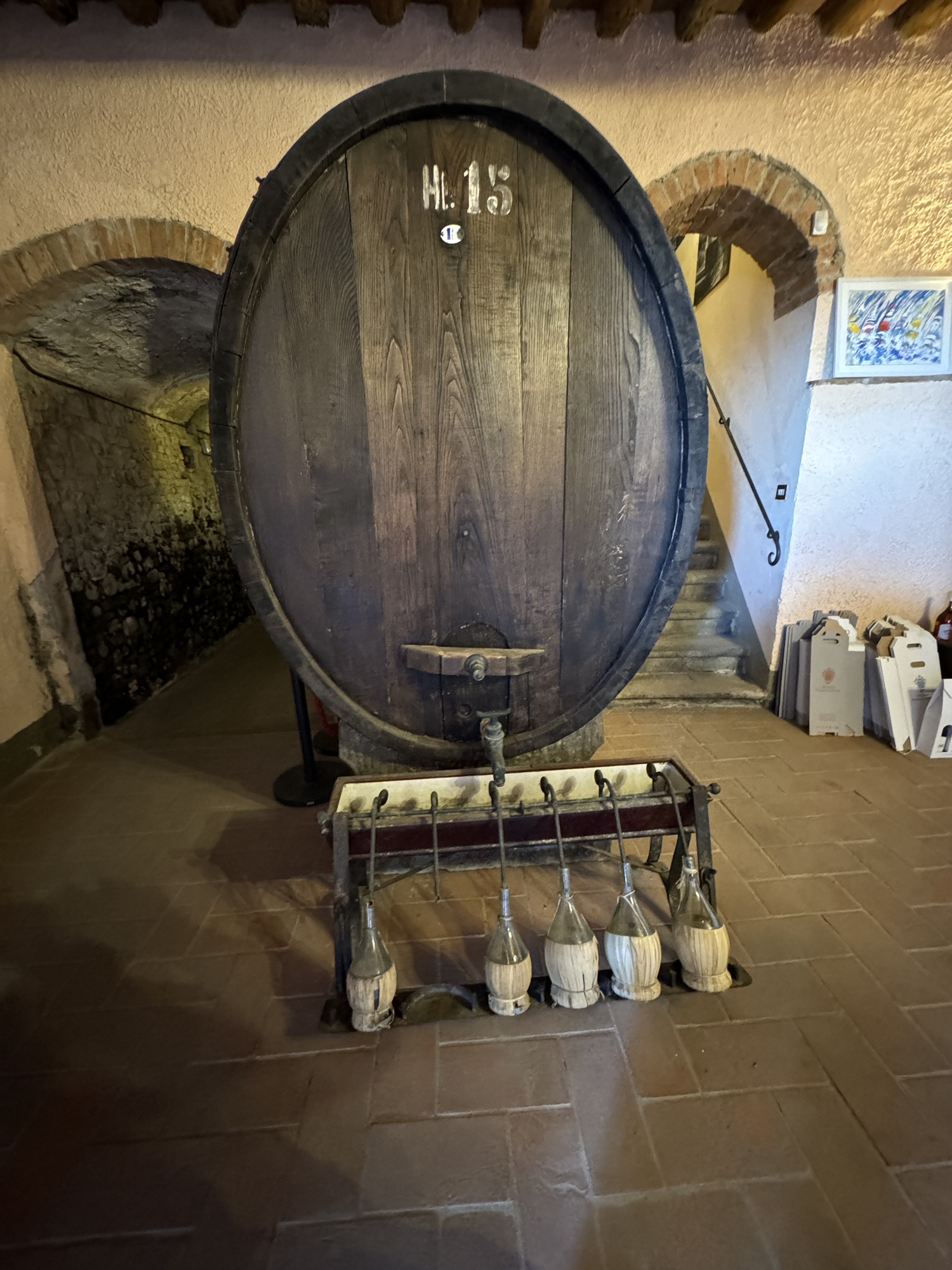
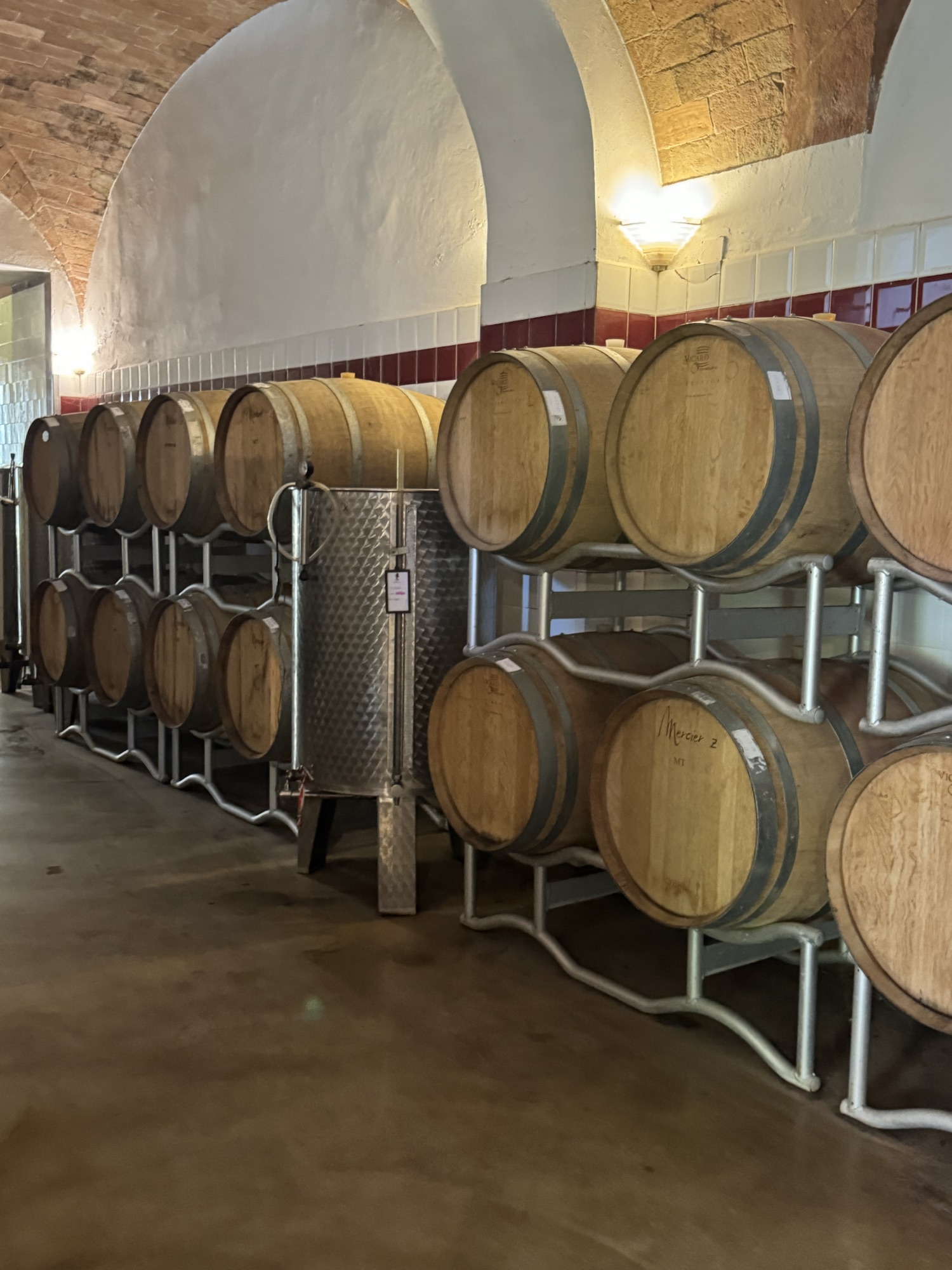
The wine tour was a delightful exploration of local winemaking traditions. At each winery, we learned about the unique processes behind Tuscan wines, savoring rich Chianti and other regional varieties. The first we visited was Fattoria Poggio Capponi. This farm and winery has cultivated olives trees, wheat, and vines for over five hundred years. Its idylic location also hosts vacationers in fourteen renovated farmhouse apartments. Tasting these wines in the rustic winery, while surrounded by the lush countryside, was an experience that perfectly encapsulated the region’s charm and dedication to its winemaking heritage. The second winery was Fattoria San Michele A Torri. With products produced such as organic olive oil, cold cuts, eggs, bread, honey and more, Fattoria San Michele offers a unique winery experience.

Tuscany wine tour made magical by our guide Jason.

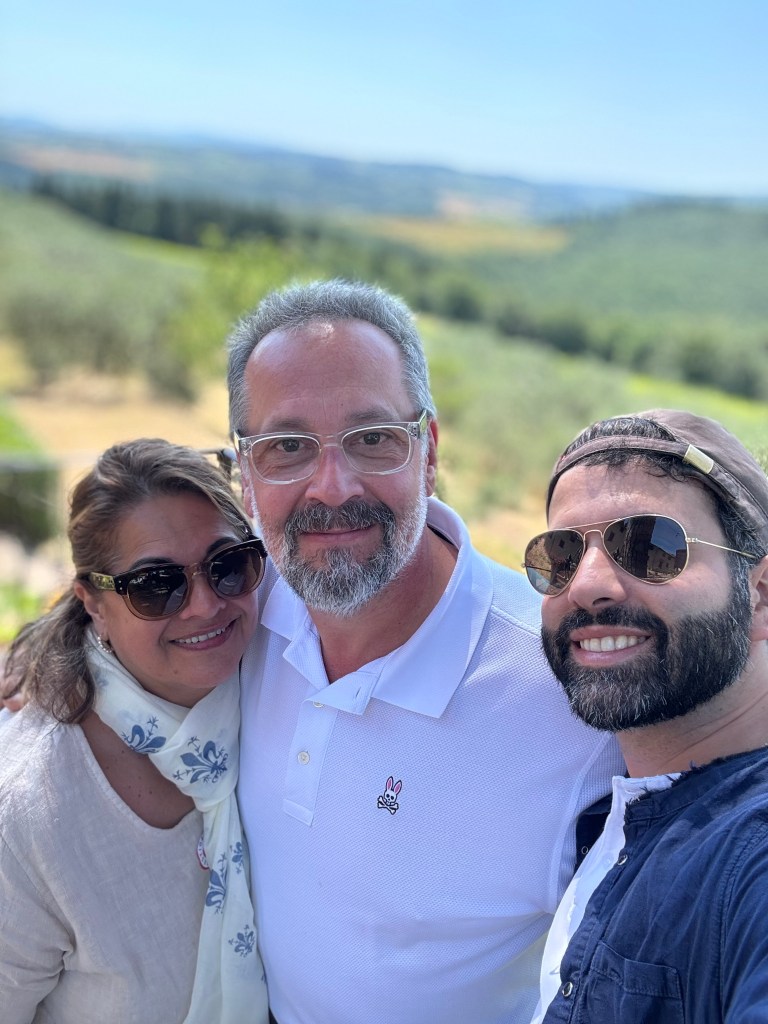
The aroma of a good wine, the taste of extra virgin olive oil on freshly baked crusty bread, and the magical experience of stepping back in time in a centuries old winery are always made better by the people you meet along the way. We met some wonderful people that day. The empty nest retired couple who dreamed of a vacation in Italy after the children left for college. The young newlyweds from Boston who wisely managed their financial choices to afford over a month traveling for their honeymoon. The couple from California who decided on getting matching tatoos as a symbol of their love on their anniversary. Our amazing tour guides from Prestige Rent, Jason and Patrick. Jason led our impromptu karaoke session on the bus and guided us through the most beautiful countryside in Italy, while Patrick expertly drove through winding roads and narrow village streets. They made this experience magical.

For accommodations in Florence, we opted for a cozy Airbnb nestled in the heart of the city. This charming apartment provided a warm and inviting retreat after days filled with exploration. The rustic space featured a fireplace, exposed brick, massive ceiling beams, and charming small patio area shared with neighbors. The Airbnb was conveniently located on Via di San Niccolo, a quaint and narrow street lined with ancient buildings, restaurants, art galleries, and shops. We were just down the hill to the popular Piazzale Michelangelo.

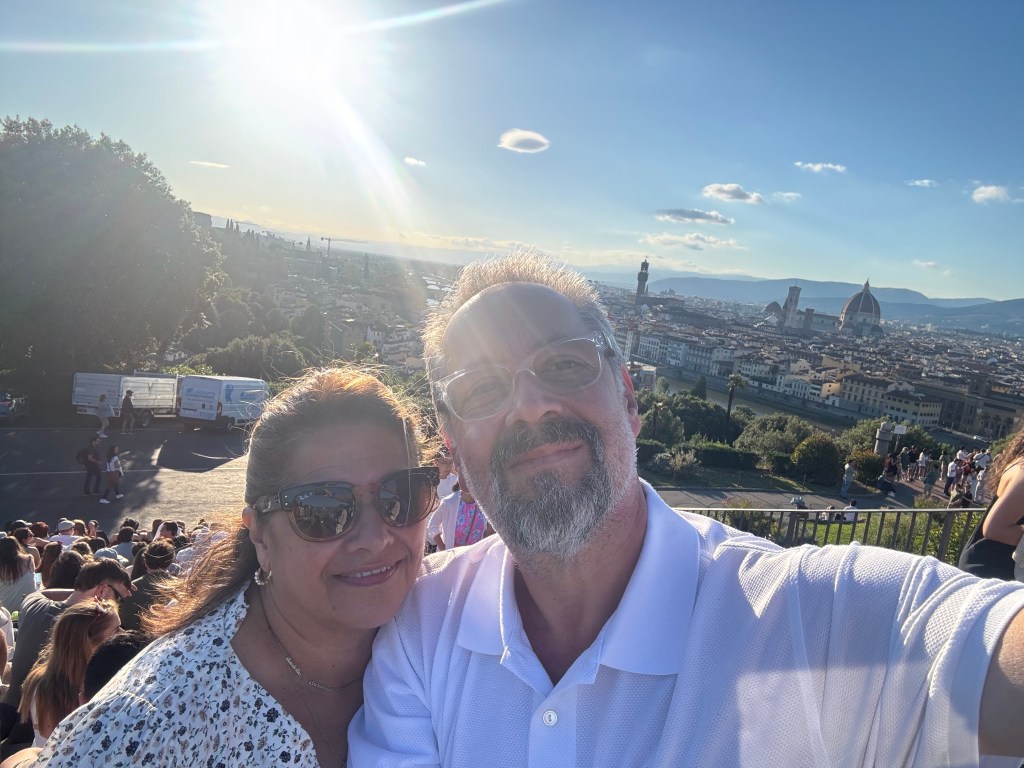
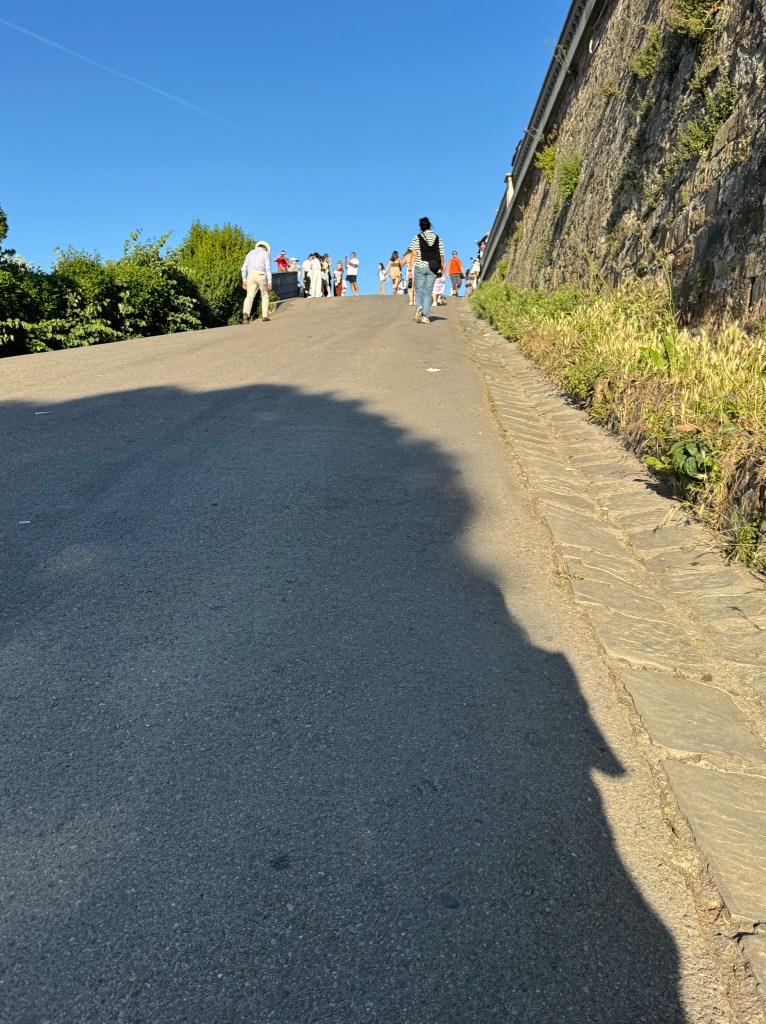
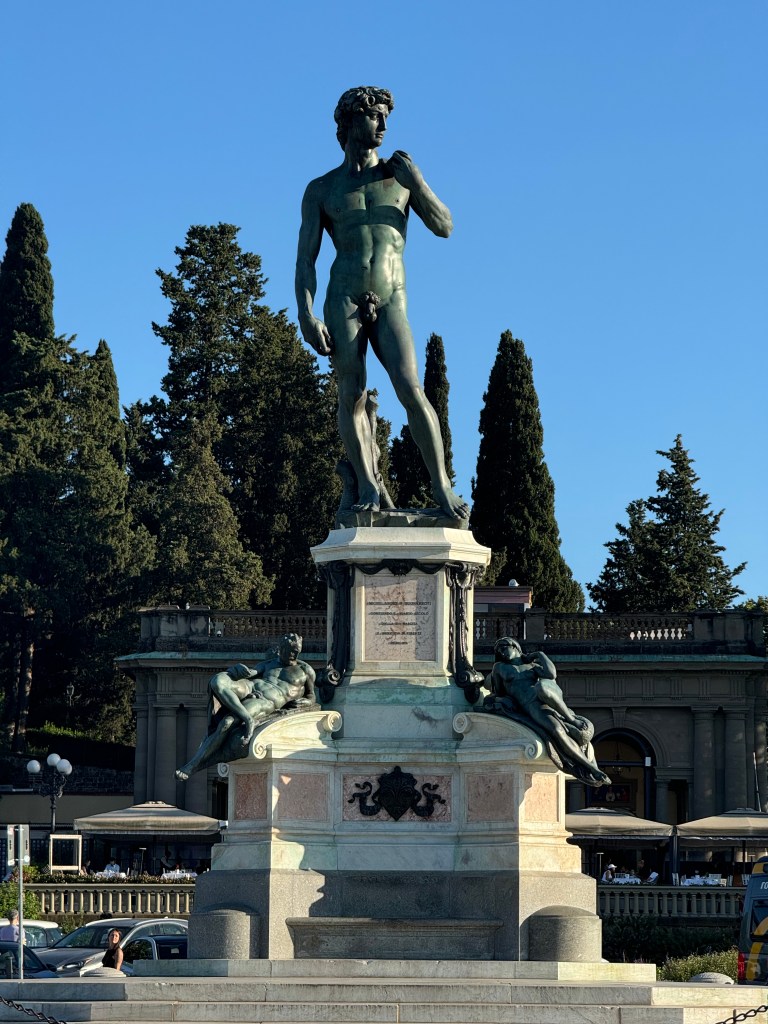
The Piazzale Michelangelo is a piazza (public square) built by Giuseppe Poggi in the 19th century. This beautiful and expansive square offers the most breathtaking panoramic views of Florence. You’ll find several replicas of Michelangelo’s sculptures here, as well as merchants selling souvenirs, and a cafe to enjoy the view with some popular drinks and dishes. The piazza is a favorite at sunset, where you’ll experience the ancient city below bathed in the golden light. An entrancing sight. The climb to the piazza is steep, but worth the climb.

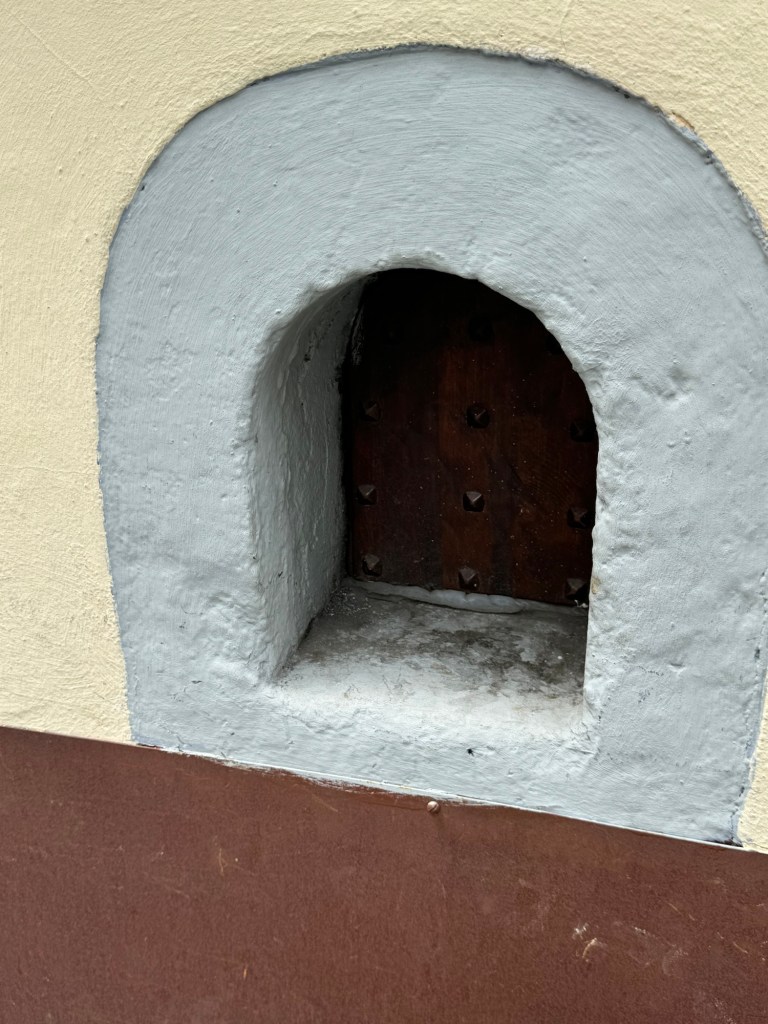
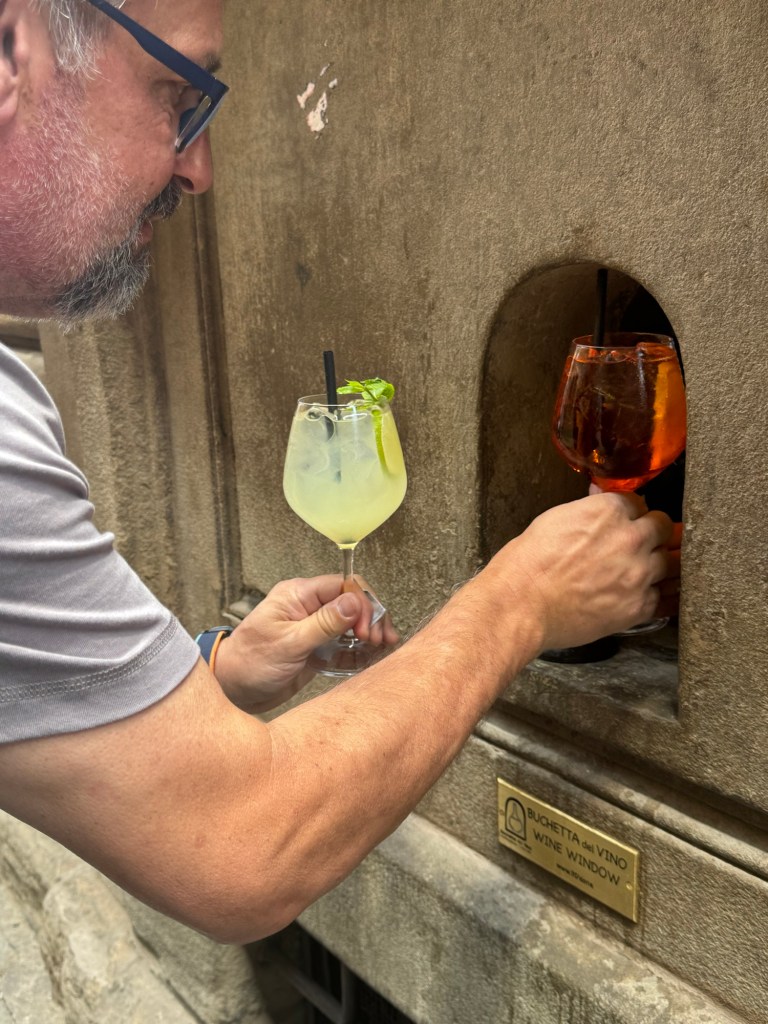
One of our favorite discoveries in Florence were the wine windows! The wine windows of Florence, known as buchette del vino, are small, arched openings found on the façades of historic buildings. Dating back to the 16th century, they were used by Florentine wine merchants to sell wine directly to customers, avoiding taxes and middlemen. During the COVID-19 pandemic, these ancient windows saw a resurgence in use, with local businesses once again serving wine and other refreshments through them, reviving a charming tradition that connects Florence’s past with its present. We found a few working windows, and some that were closed. If you’re not looking you can miss them, so make sure you make the time to experience a nice cocktail or wine from one of these charming windows.

No matter where you visit in Florence, history abounds. Imagine a perfumery over 800 years old, still producing perfume once created for the queen. The Officina Profumo-Farmaceutica di Santa Maria Novella is the oldest perfumery in Florence and one of the oldest in the world, with origins dating back to 1221. Founded by Dominican friars, who initially grew medicinal herbs in the church gardens to create balms and remedies, the apothecary gained fame for its exquisite products. In the 16th century, it crafted the renowned “Acqua della Regina” perfume for Catherine de’ Medici, which made the establishment famous. Today, the perfumery still operates in its original location, offering a luxurious range of perfumes, soaps, and herbal elixirs in an atmosphere rich with history and tradition.

Florence, with its rich tapestry of history, art, and romance, left a profound impact on us. The city’s timeless beauty and cultural depth made every moment feel like a journey through a living history book. The beauty of the city, with its enchanting streets, awe inspiring works of art and architecture, and culinary delights leave you yearning for more. Florence is unforgettable. We long to return.

When in Rome…

A year of planning and we are finally in Rome! I’ve dreamed of visiting the eternal city all my life. All of the planning and research do not prepare you for the reality of travel in a bustling metropolis like Rome.

We arrived at the Leonardo da Vinci–Fiumicino Airport and made our way to terminal 3 to purchase tickets for the train to the Termini train station in the center of Rome. The walk is about 10-15 minutes. The train tickets cost €12, and the duration of the ride is about 30 minutes. Once we arrived at Termini, we found a cab to take us to our Airbnb. This is where it gets a little tricky. Official metered city cabs are in the main entrance. Do not be fooled by the “not so honest” cab drivers who pray on inexperienced tourists. Unfortunately, we were taken by one of those cab drivers, and our cab ride was double what it should have been. Mistake #1.

Modern Rome is a vibrant city that seamlessly blends its historical legacy with contemporary life. Wherever you go in the city history unfolds before you with ancient ruins, such as the Colosseum, the Roman Forum, and the Pantheon, which attract millions of tourists each year. Trying to see everything within a short visit, mistake #2. Rome is a city to be savored and patiently explored. Get ready to walk a lot!

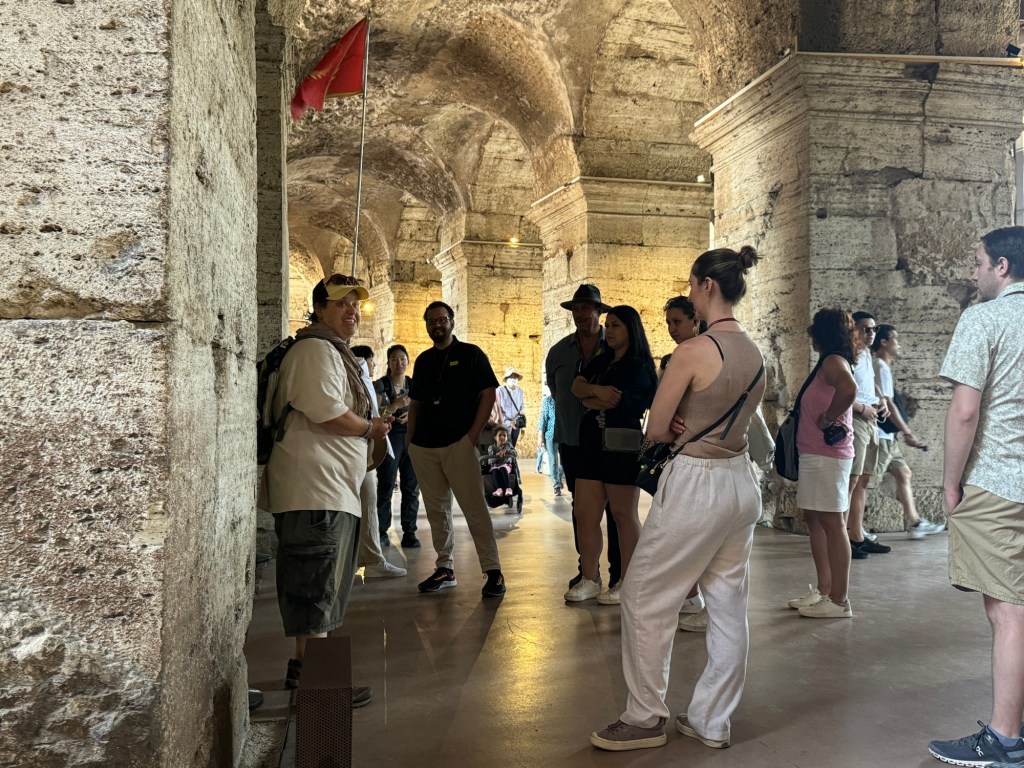
Our first tour was of the Colosseum. It’s important to purchase skip the line tickets for any attraction you plan to visit, otherwise, you will be standing in line for many hours. Getting a guided tour is also well worth the money. There are many options at different price ranges depending on the size of the group. Our go to for tours is Viator and Get Your Guide. I suggest you download these apps to book your tours. Make sure you see some of the reviews, and how many good reviews a tour receives before you choose the one that’s right for you. Having your tickets reserved ahead of time will make your experience easy and enjoyable.

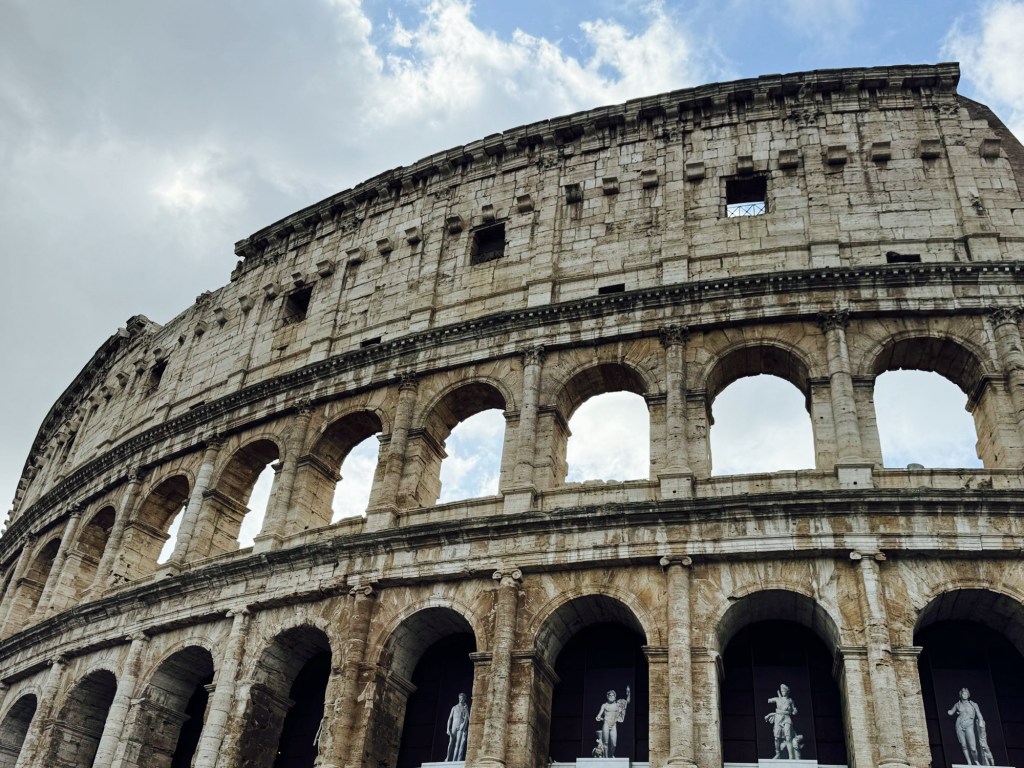
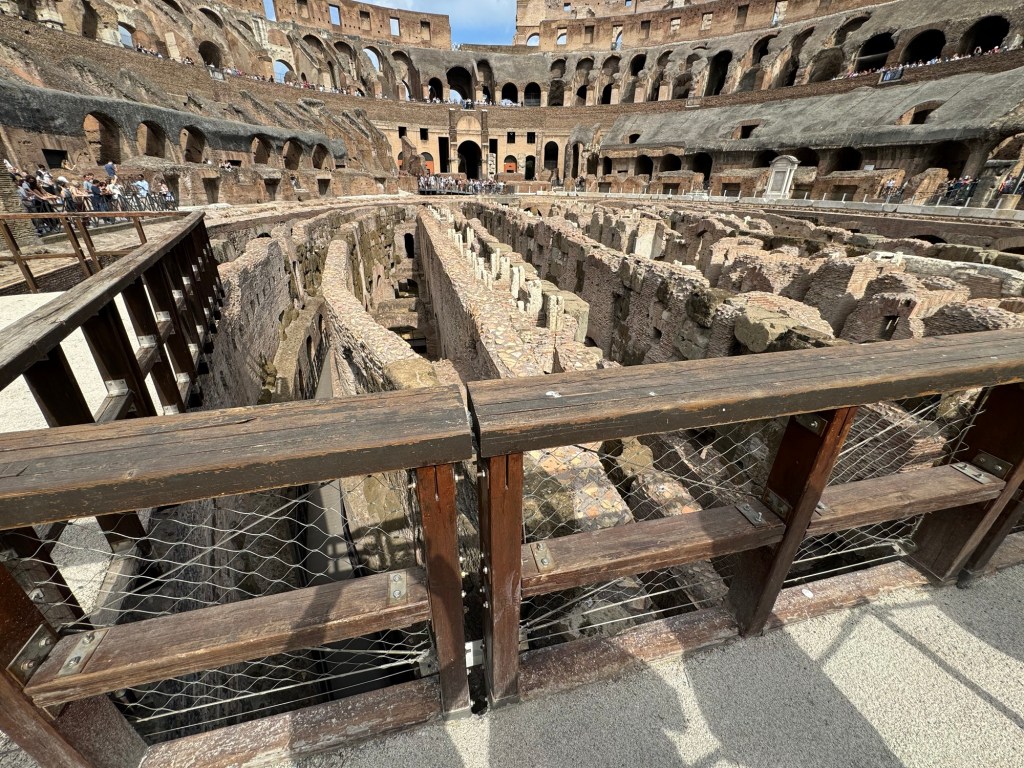
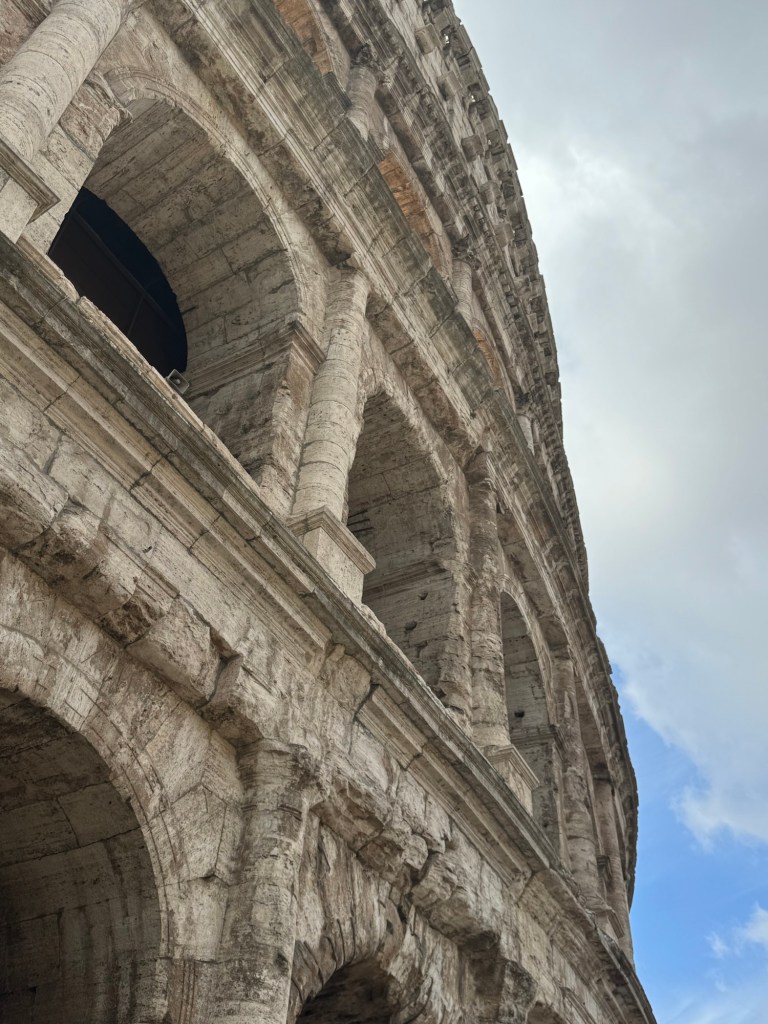
The Colosseum is one of those places that instantly takes your breath away. Imagine stepping into a massive arena that once held up to 50,000 cheering spectators. Built nearly 2,000 years ago, around 70-80 AD, this iconic amphitheater was the stage for epic gladiator battles, thrilling animal hunts, and even mock naval battles when the arena was flooded.

Walking through its grand arches, you can’t help but feel a connection to the past. You can almost hear the roar of the crowd and see the gladiators preparing for combat. Our tour guide brought to life what a typical event would look like. Seating was reserved depending on your class. The Colosseum was a meeting place for families, romantic courtships, political discussions, and events that satisfied the bloodlust of the times. Despite the centuries that have passed, the Colosseum still stands tall as a testament to Roman engineering and architectural mastery.

It’s not just the size that impresses; it’s the intricate details too. The Colosseum’s design is both functional and beautiful, with its tiered seating, underground passages, and the sophisticated system of pulleys and elevators that brought wild animals and gladiators into the arena.

Visiting the Colosseum is like stepping back in time. You walk where emperors and Romans of all walks of life once stood, and experience a piece of history that’s both humbling and awe-inspiring. It’s a reminder of Rome’s incredible past and a must-see for anyone who wants to feel the heartbeat of ancient history right in the middle of a modern city.

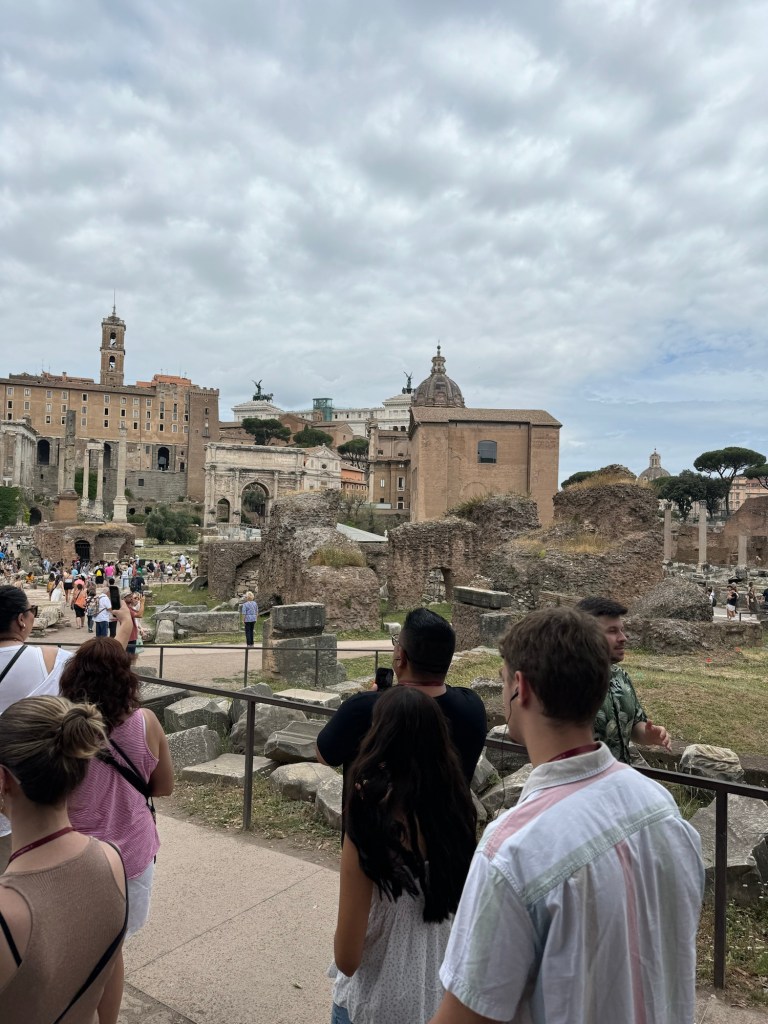
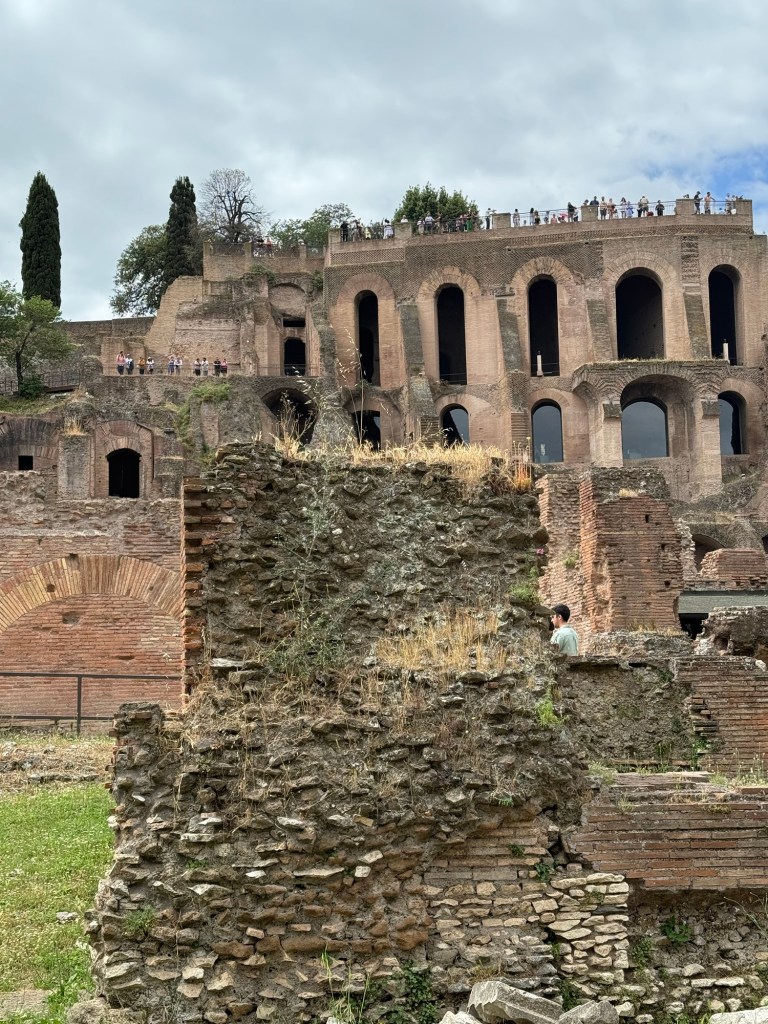
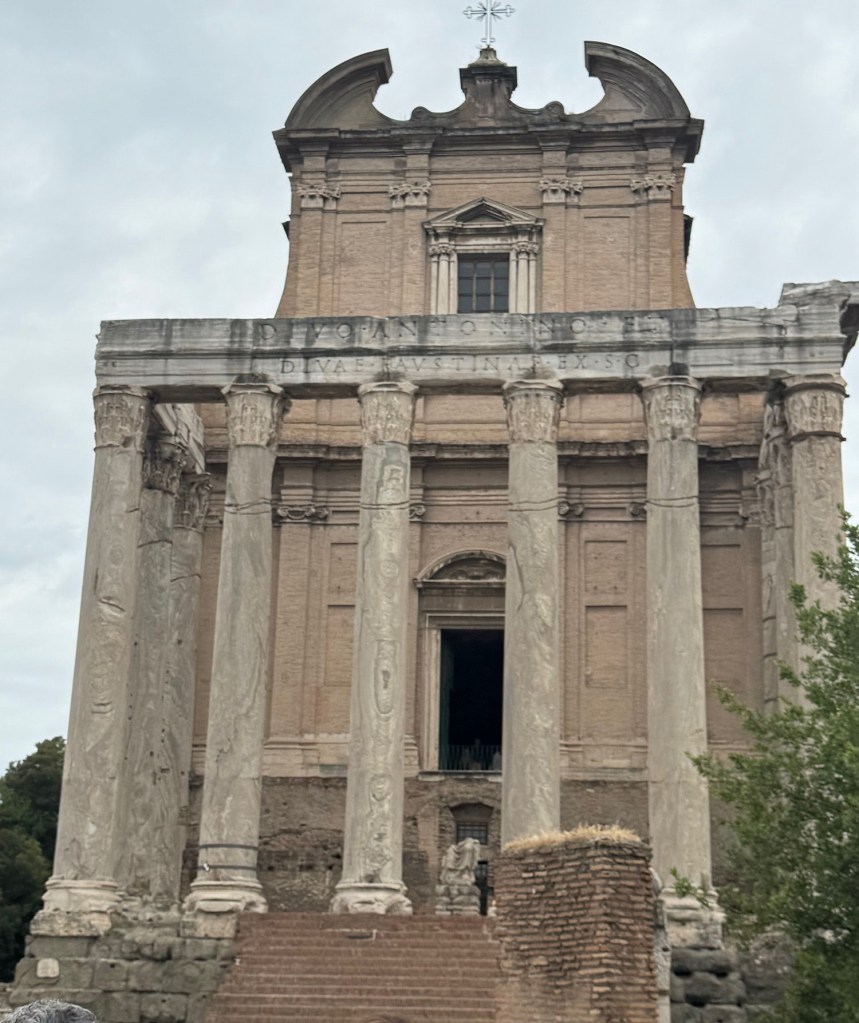
Almost every tour to the Colosseum includes entry into the Roman Forum. The Roman Forum is right next to the Colosseum and it is a marvel of Roman history. The ruins depict a time of abundance, wealth, and power. The Forum was the heart of ancient Rome, serving as the center for public life, politics, and commerce. It was a bustling area filled with temples, government buildings, and marketplaces. Today, it’s a vast ruin that tells the story of Rome’s past glory.

On our first visit to this beautiful city, we did not expect the amount of tourists we encountered. We had a plan to beat the crowds to explore the iconic Trevi Fountain. We set our alarm for 5:00 a.m. Who does that on vacation? Well it seems many do that on vacation, because we arrived at Trevi Fountain at about 6:15 and it was already packed with tourists. Beautiful people posing to get that perfect instagram photo, brides and grooms taking professional wedding pictures, families, and couples in love. We took our turn to take our perfect picture in front of the fountain.

If you like old movies, watch La Dolce Vita, where director, Federico Fellini, made the fountain a star in the iconic scene the movie is famous for.

The Trevi Fountain is a stunning Baroque fountain that’s famous for its beauty and the tradition of tossing coins into it. Completed in 1762, the fountain features a majestic sculpture of Neptune, the god of the sea, surrounded by other mythological figures. It’s said that if you throw a coin over your left shoulder into the fountain, you’ll ensure a return to Rome. Who am I to break tradition. I too joined the rest of wishful travelers and tossed a coin over my left shoulder, securing our return to the eternal city.

When in Rome, you must get lost! On our first day we underestimated how immense this city is. With 496 square miles, Rome is approximately the size of New York City. Many of the neighborhoods we visited reminded me of NY. It was impossible to explore in just three days all that Rome has to offer in its diverse neighborhoods, but there were two we loved and got to know well.

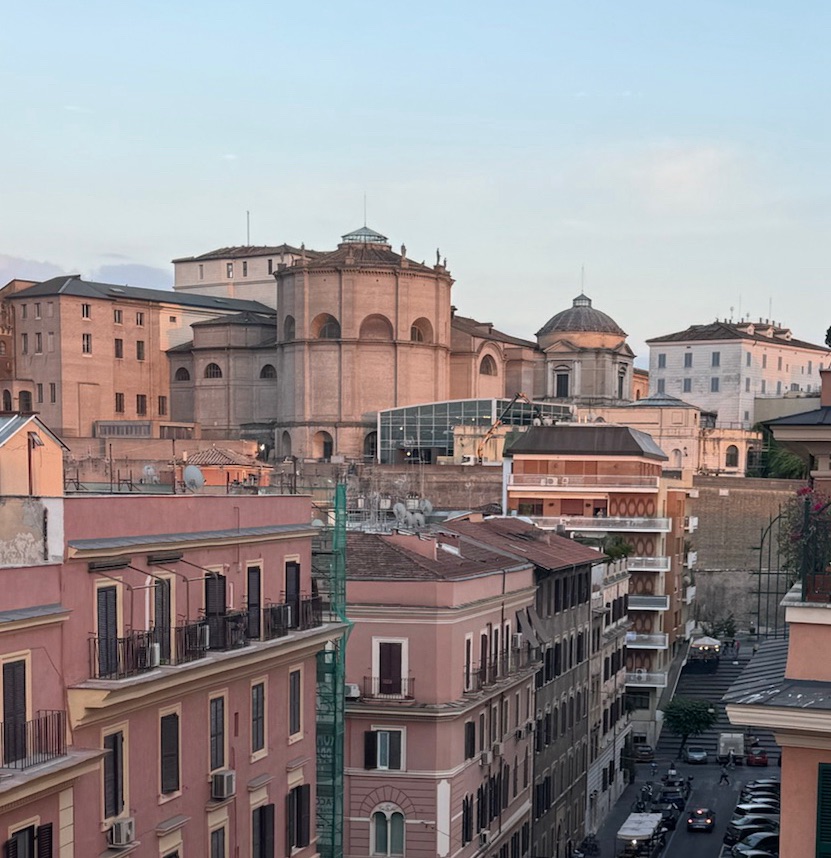
Prati is a residential neighborhood that borders the Vatican. With many elegant homes and quaint streets, this area is filled with authentic local restaurants and a high end shopping district. Our Airbnb was a short three minute walk to the Vatican Museum, and the museum and Vatican walls could be seen from our balcony.

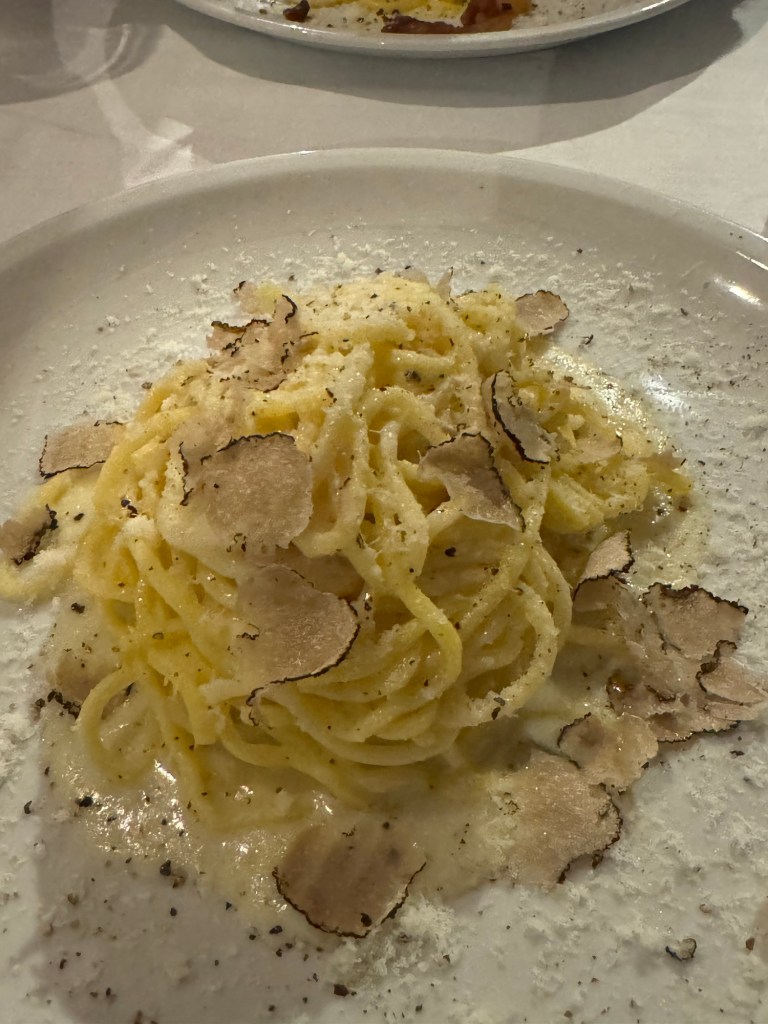
Taverna Lino is a popular restaurant just a few blocks from the Vatican Museum, and from our apartment. The ambiance is warm and inviting. We dined al fresco and enjoyed our first pasta dishes since we arrived. The first of many. The food in Italy is so good! Italian food is renowned worldwide for its delicious flavors and variety. It’s all about fresh ingredients, simple recipes, and a love for eating together. Italians also eat late in comparison to Americans. Restaurants stay lively even at 10 PM, and we loved the busy and vibrant food scene.

Google maps is an excellent tool to help you manage getting around in a city you’re unfamiliar with. For us, it was an invaluable tool. Although we didn’t need it to get to the Vatican Museum from our Airbnb as the museum was a short three minute walk away.

I can’t stress enough the value of purchasing “skip the line” tickets to major attractions. We had tickets to enter the museum first thing in the morning at 8:00 a.m. We arrived at 7:15 and noticed the line of visitors waiting to purchase their tickets was already very long. Our waiting area for skip the line tickets was completely empty. Tickets purchased directly at the museum are €20. Skip the Line with audio guide are €27 plus tax with Get Your Guide. Well worth the extra cost for the convenience and comfort. We had enough time to cross the street to the Vatican Cafe for some breakfast.

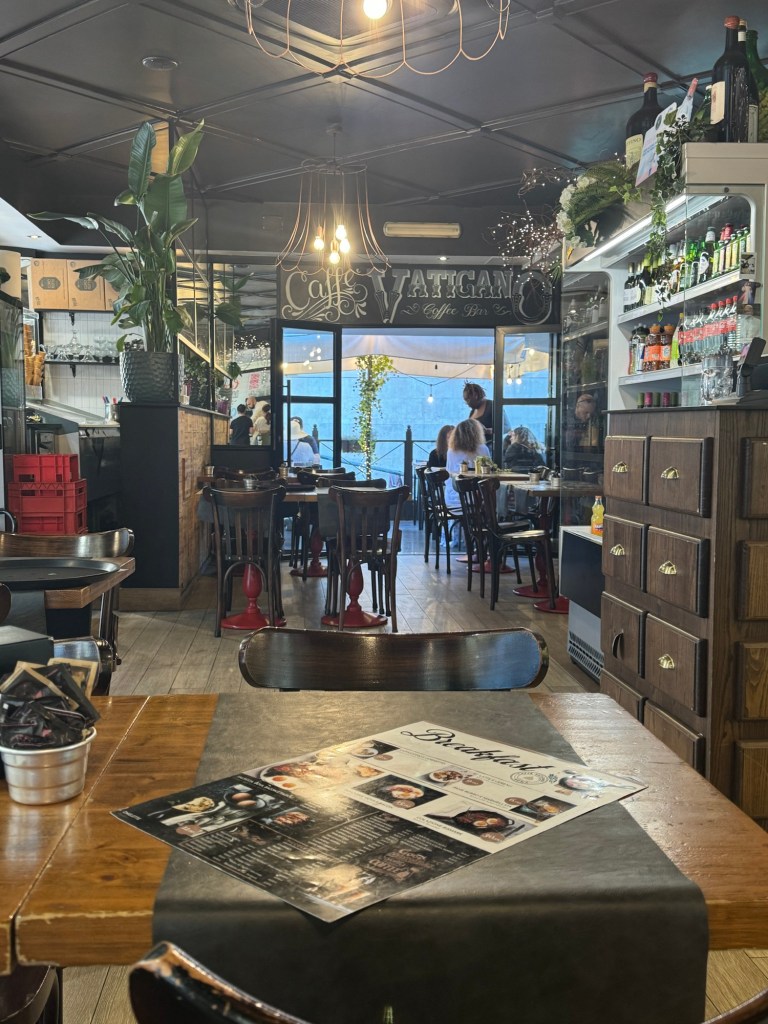
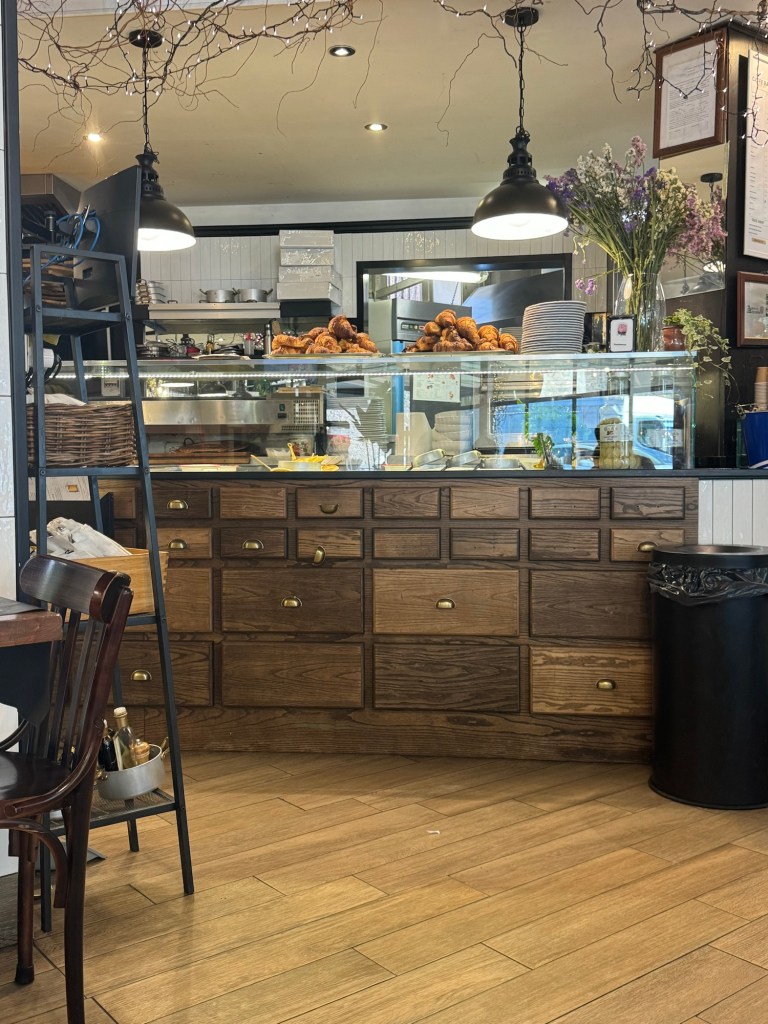
The Caffe Vaticano is located directly across the Vatican Museum. It is a convenient place to catch a quick breakfast before touring the museum. As expected, it is a bit overpriced because of the proximity to the Vatican. Overall, we enjoyed our Cafe Latte and Cornetto.

Caffe Vaticano
Vatican Museum

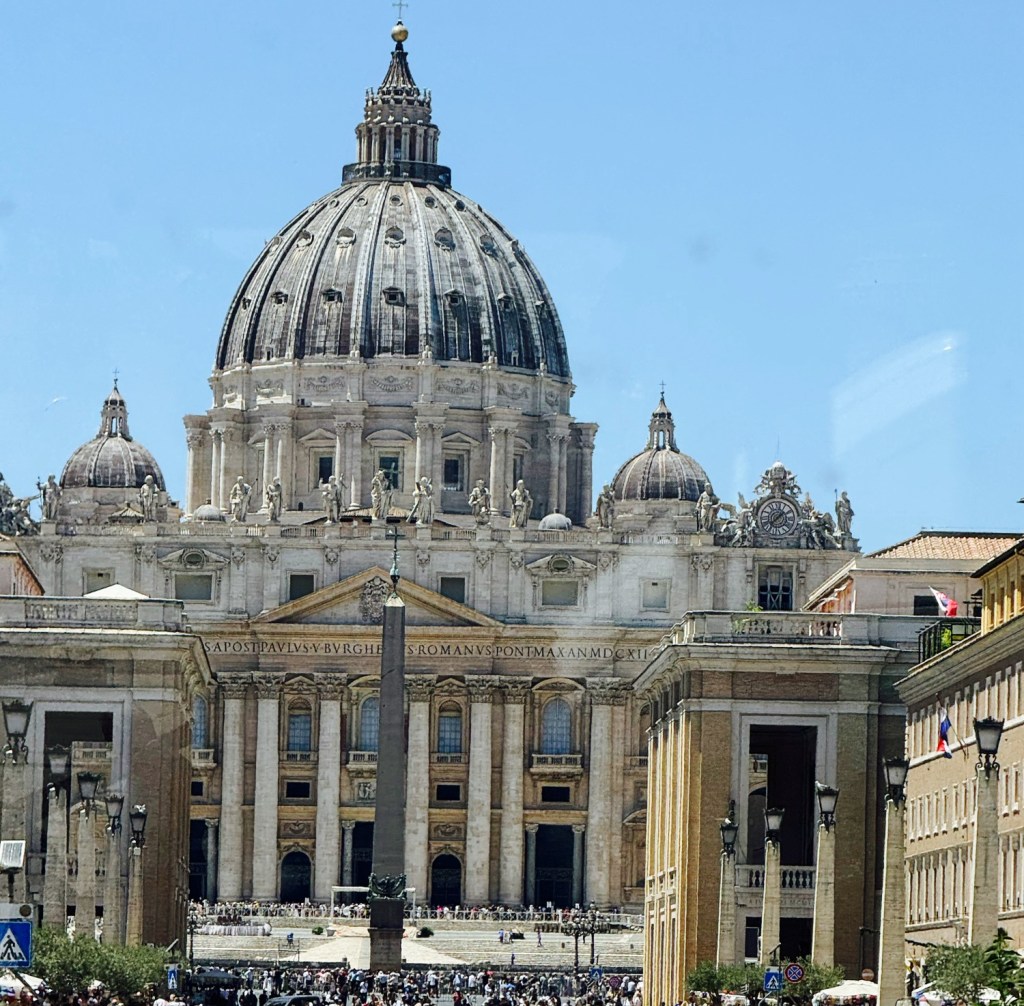
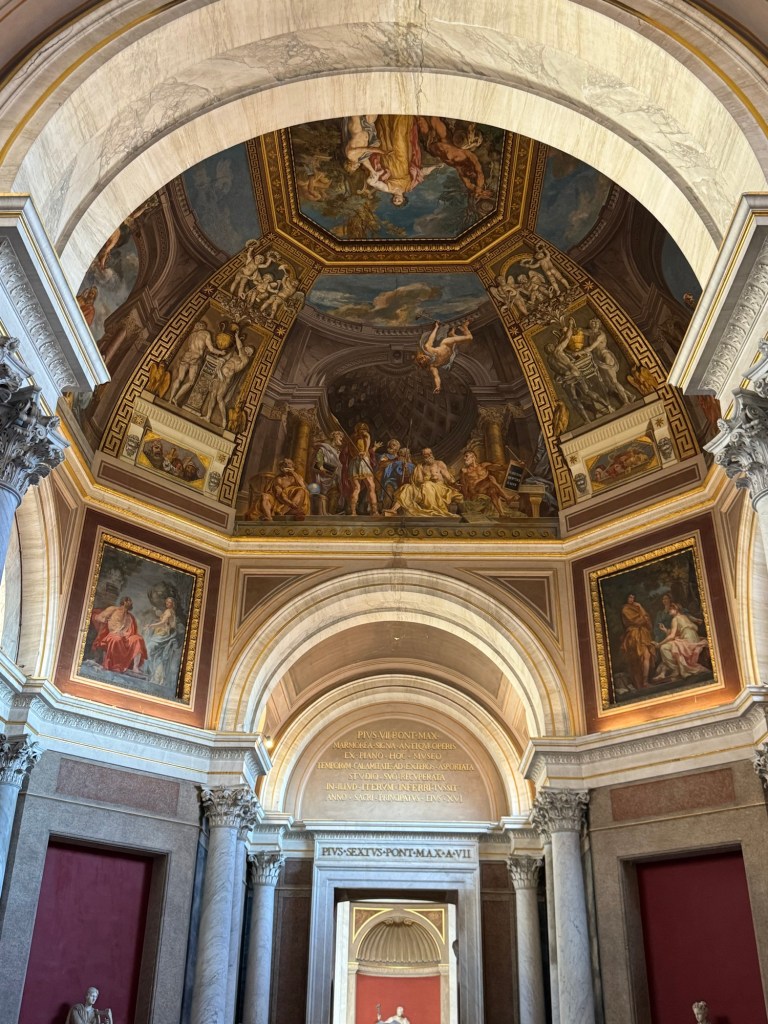
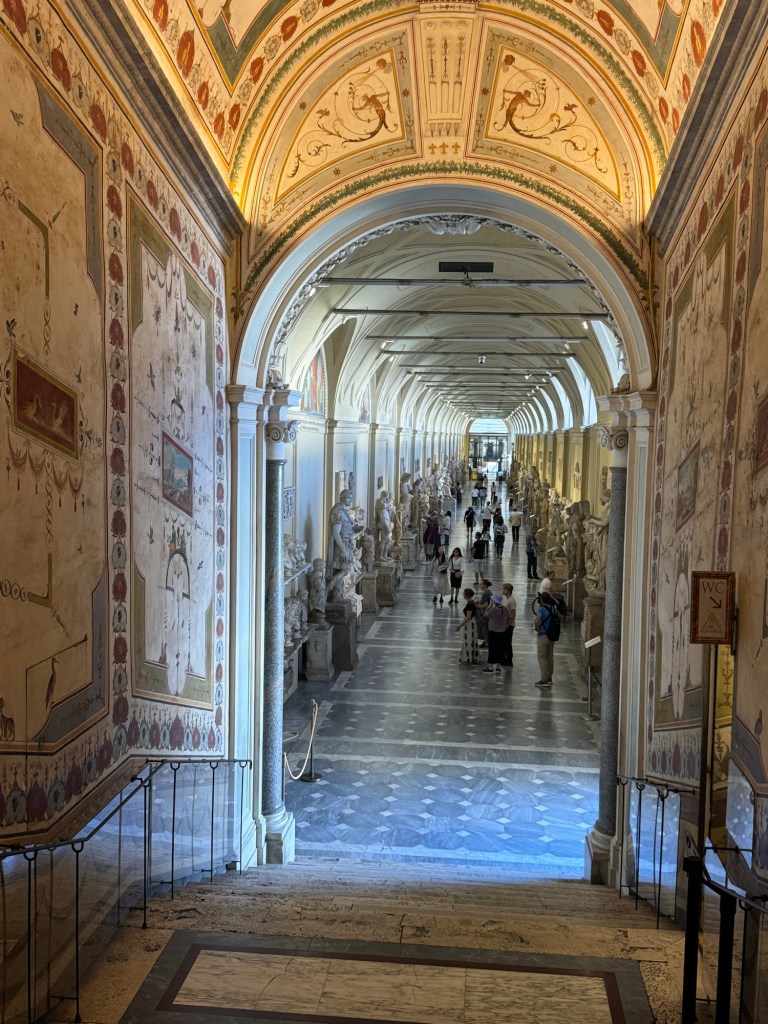
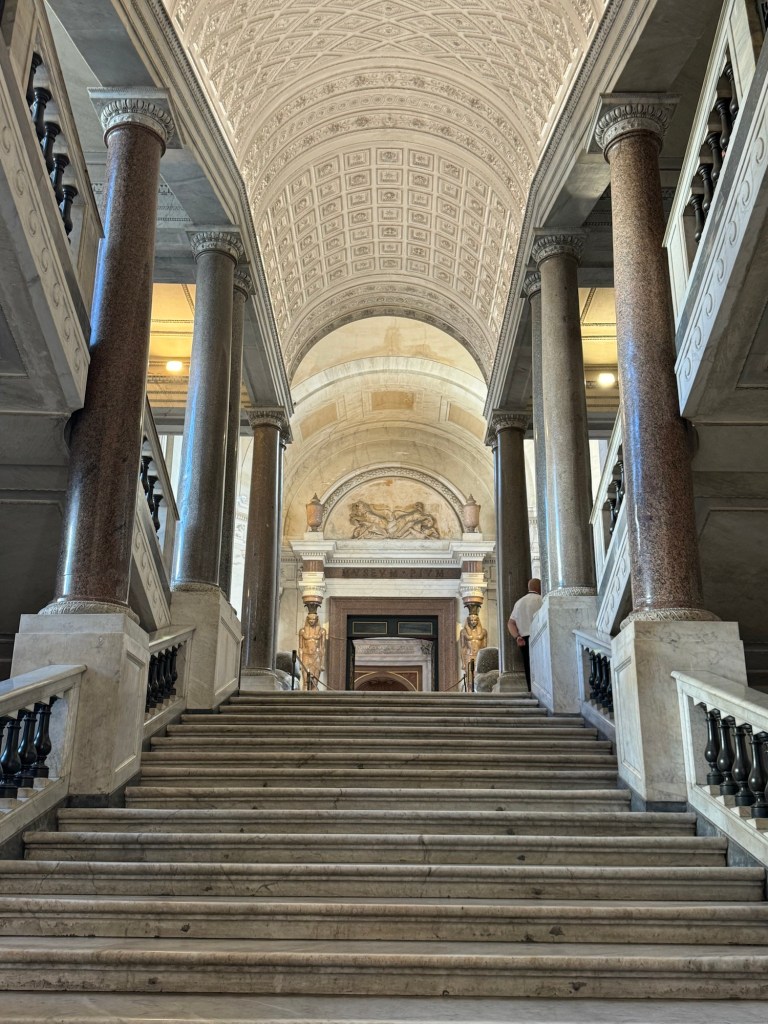
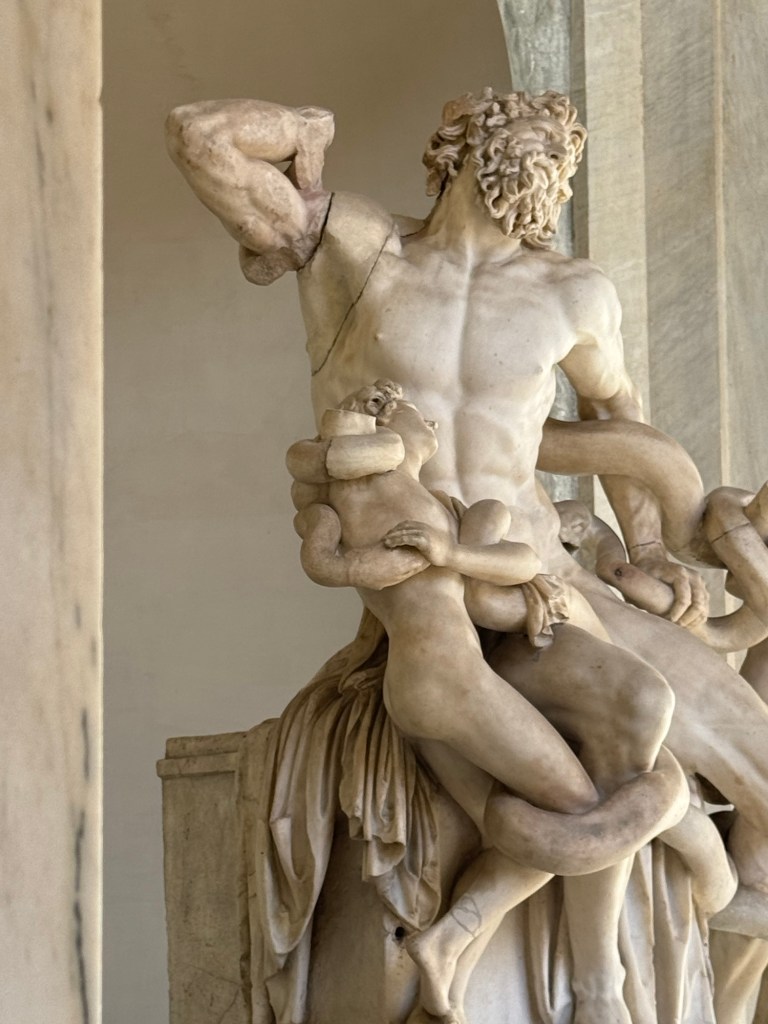
The Vatican Museums are a group of art and Christian museums located within Vatican City. They were founded in the early 16th century by Pope Julius II. The museums are renowned for their extensive collection of art and historical artifacts amassed by the Roman Catholic Church over centuries, including sculptures, paintings, and religious artifacts. Highlights include the Sistine Chapel, with its ceiling painted by Michelangelo, the Raphael Rooms, and the Gallery of Maps. The museums attract over 6 million visitors annually.

It’s hard to put into words the magnificence of the art and architecture of the Vatican Museums. To see the work of great masters like Michelangelo, Raphael, Da Vinci, Caravaggio and so many more is awe inspiring. The tour guides you through the many rooms ultimately ending at the Sistine Chapel. Here you can linger amongst the crowd of visitors to marvel at the frescoes painted by Michaelangelo. No photos allowed, and I was thankful for that. We too often lose the true experience by constantly worrying about getting that perfect photo. One important thing to know before you visit the Vatican is that you must dress appropriately. Shoulders and knees must be covered to enter the Vatican.

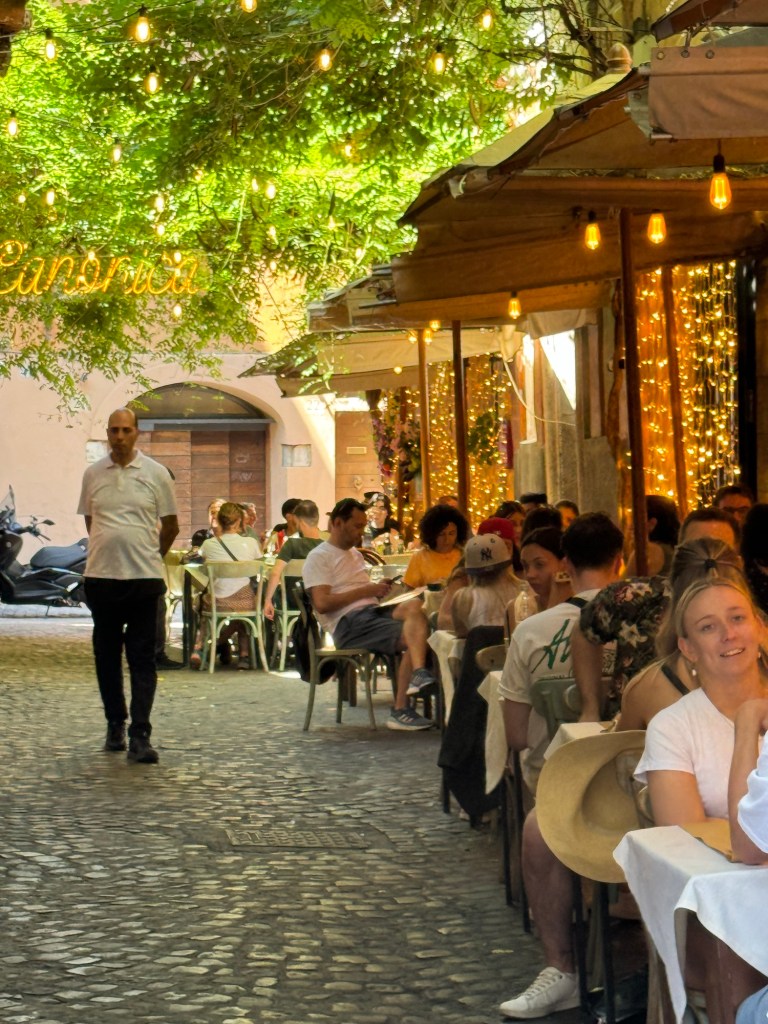
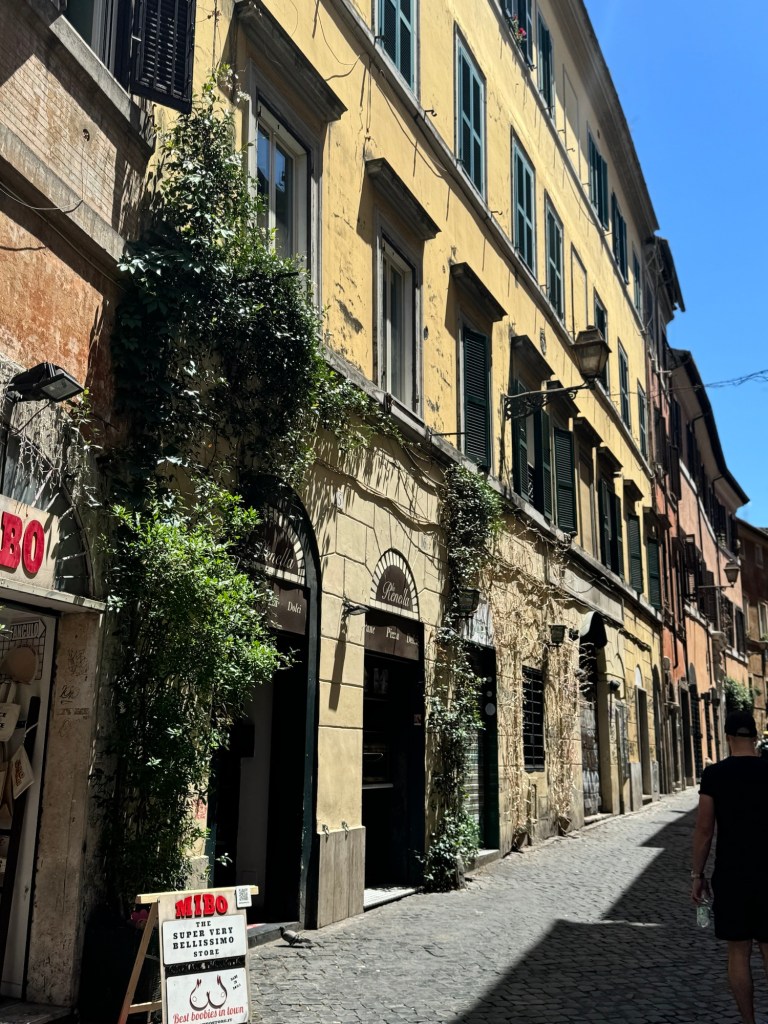
Trastevere is another neighborhood we explored and one of my favorites. A working class neighborhood with old world charm, a young bohemian vibe, graffitied walls, funky shops, and lively restaurants, Trastevere is a great place to explore.

The close proximity to the Tiber River made this neighborhood popular with fishermen and sailors. This area is centrally located with the Vatican City just a 20 minute walk to the North, and the Colosseum to the east.

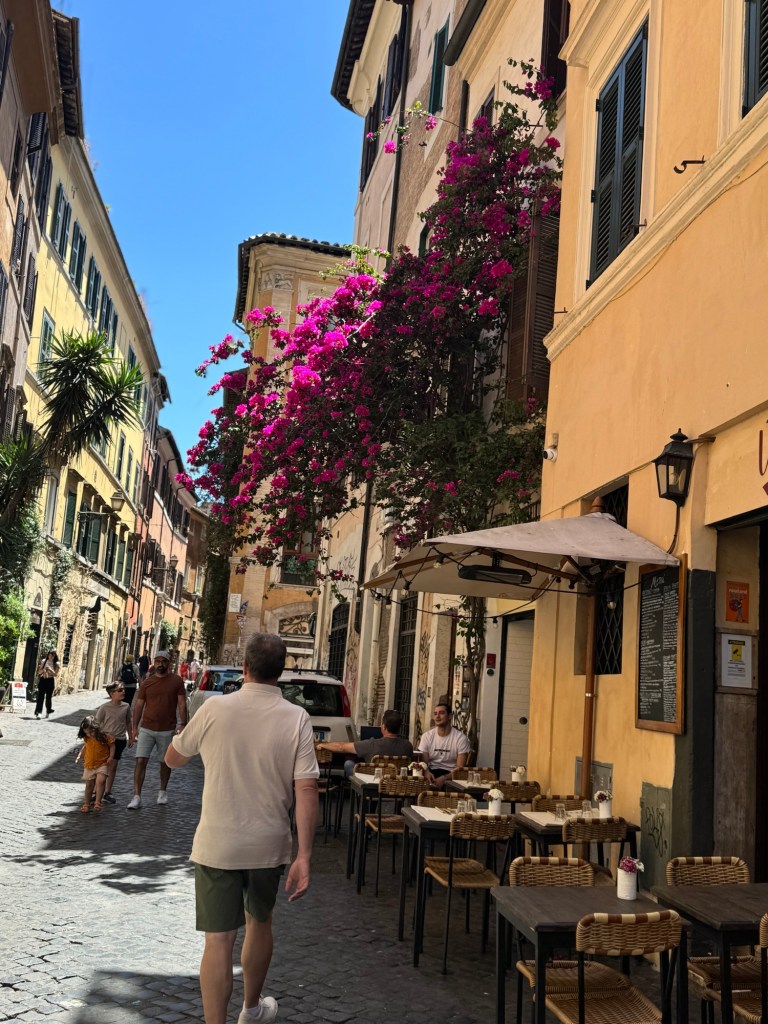
We loved walking through the cobblestone streets lined with colorful buildings that are centuries old.

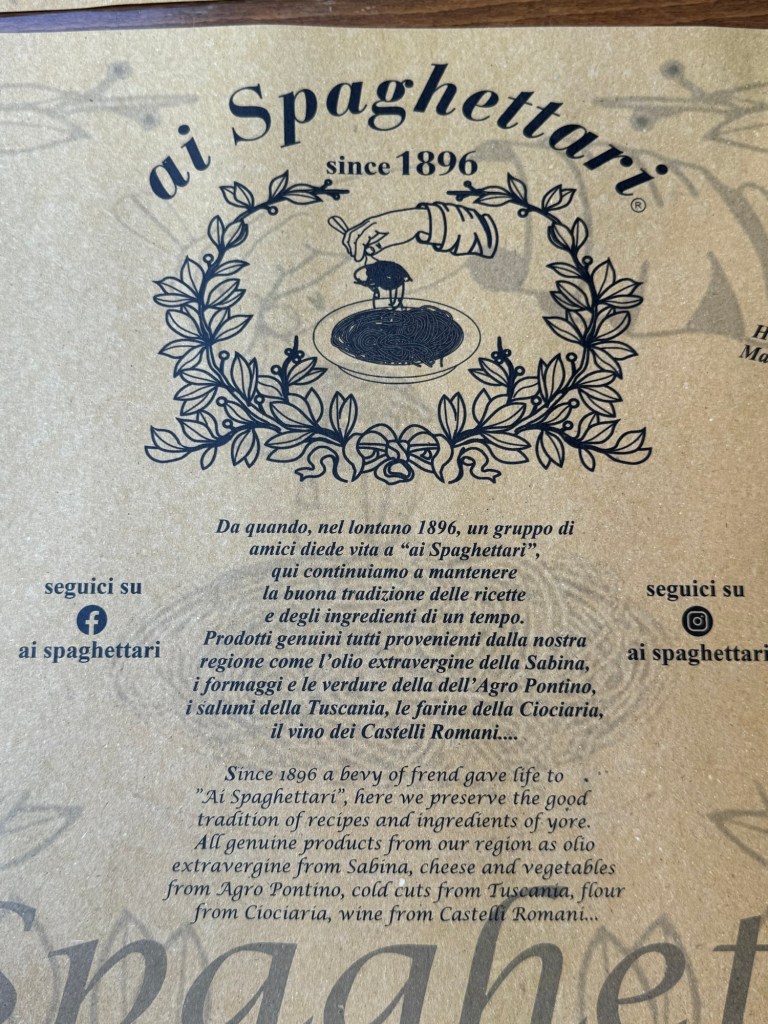
We were hungry. Time for pasta! Did I mention that Italian cuisine is my favorite? I was going to have my fill of Pasta on this trip. We stopped for a bite at Ai Spaghettari. Established in 1896, this is a great restaurant for a more local and authentic experience. The pasta was simple and delicious. I think the hubby enjoyed it too!

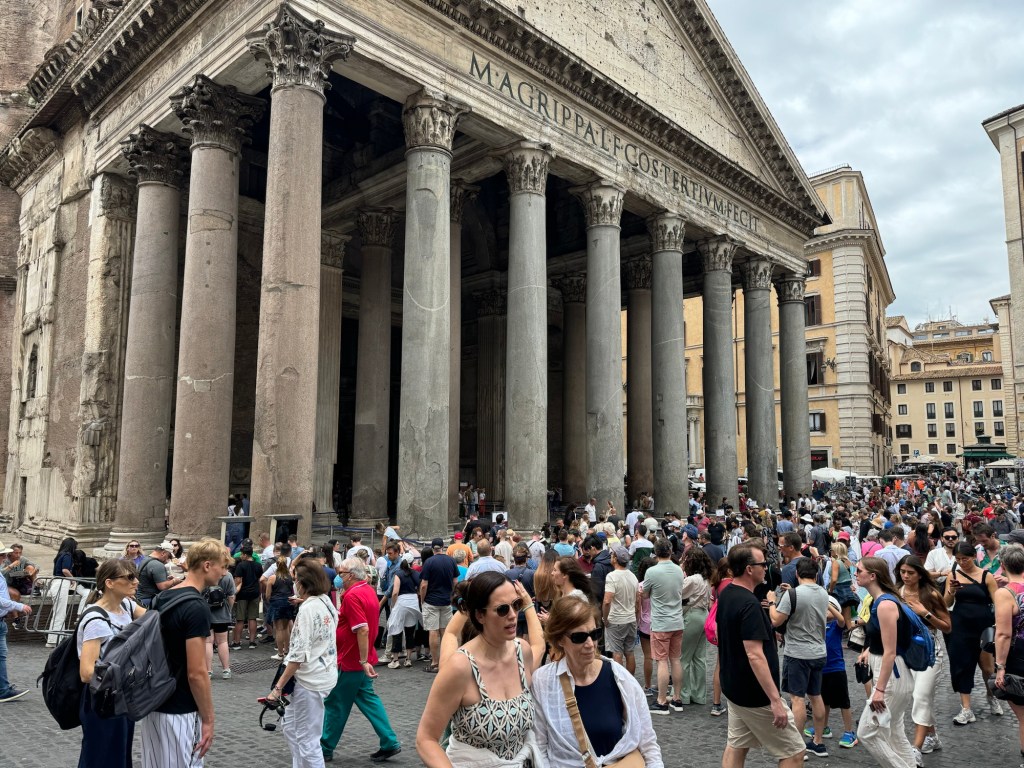
Rome is home to countless historic landmarks, but two standout attractions are the Pantheon and the Spanish Steps. The Pantheon, originally built as a temple for Roman gods and now a church, is distinguished for its architectural brilliance, especially its massive dome and central oculus that lets in natural light. This nearly 2,000-year-old structure is also the burial site for notable figures like the artist Raphael. The crowds in June are already intense, so the best advice we can offer is to start your day early to see any of Rome’s historical marvels.

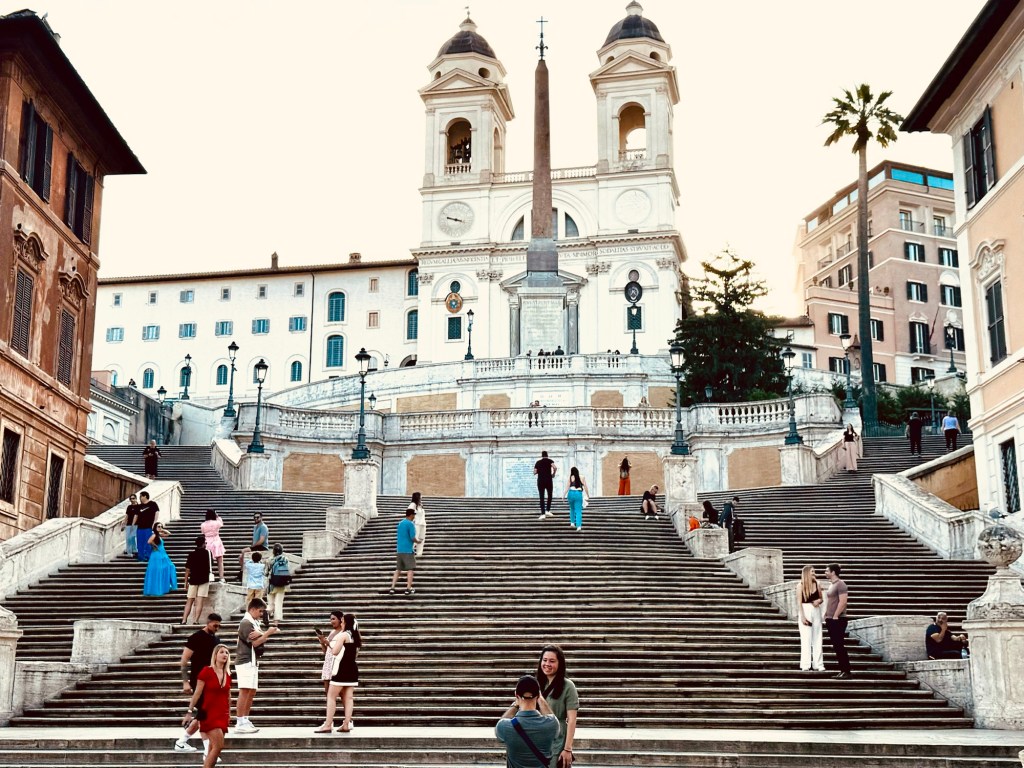
The Spanish Steps, another iconic site, consist of 135 beautifully designed steps connecting the Piazza di Spagna at the base with the Trinità dei Monti church at the top. Built in the 18th century, they offer a perfect spot for visitors to relax, take in the bustling city atmosphere, and enjoy picturesque views of Rome.

Spanish Steps
View from the steps.

Rome was everything I romantically imagined it to be and more. It was the perfect starting point for our exploration of Italy. Not dedicating enough time to truly explore its many wonders, mistake #3.

Since I tossed a coin into the Trevi Fountain, I know in my heart that we will be back. But for now, arrivederci Roma, until we meet again.

Discovering Madrid: A Journey Through Spain’s Vibrant Capital

Traveling to a city as beautiful as Madrid never loses its charm. Experiencing it for the first time with a loved one who’s never visited this city adds a touch of magic to the adventure.

Madrid holds a special place in my heart, and with each visit, it feels like there’s never enough time to fully immerse in its countless marvels. From its ancient architecture to its enchanting streets, diverse neighborhoods, vibrant food culture, and welcoming locals, Madrid captivates all the senses.

A very walkable city, there’s something new to explore in every corner. Of course, you must visit all of the main attractions. The Museo del Prado, el Palacio Real, el Mercado de San Miguel, and a fan favorite, La Plaza Mayor. We did them all in a short two days. But the best part of our visit was getting lost in the city.

Plaza Mayor

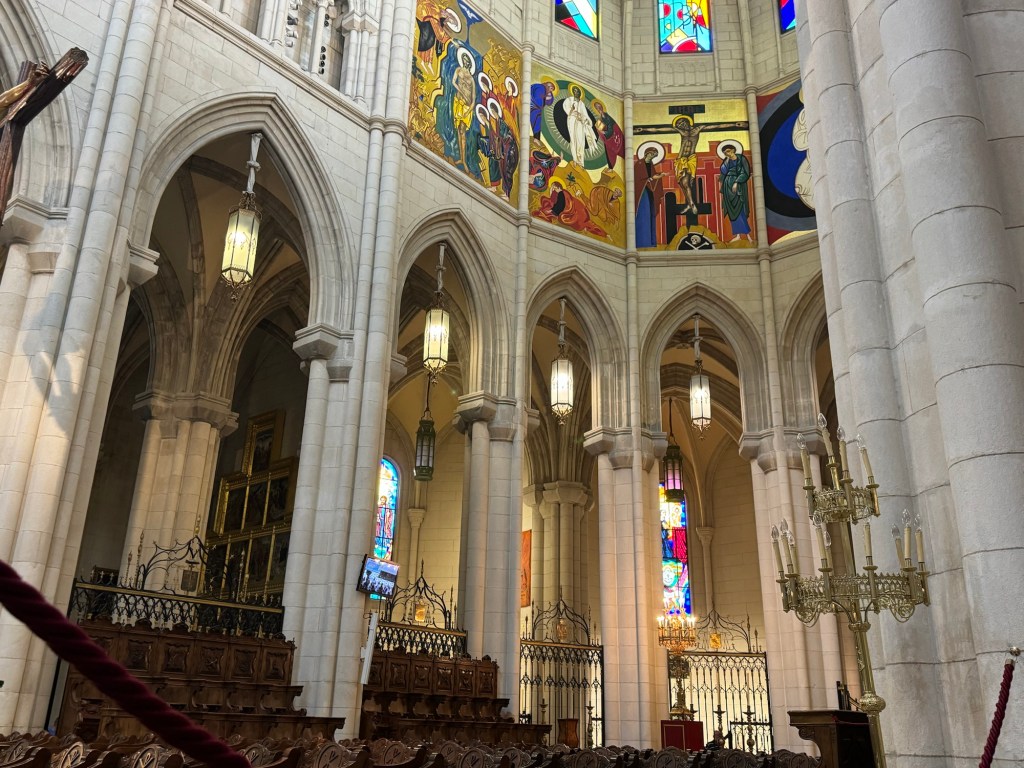
We came across a grand cathedral, La Catedral de Santa Maria la Real de la Almudena during mass. If you are Catholic, religious, spiritual, or a curious tourist, witnessing a mass in this cathedral is awe inspiring. We stayed for mass and enjoyed the angelic voices of the children’s choir. It was a special moment and a highlight of our visit.

Catedral de Santa Maria La Real de La Almudena

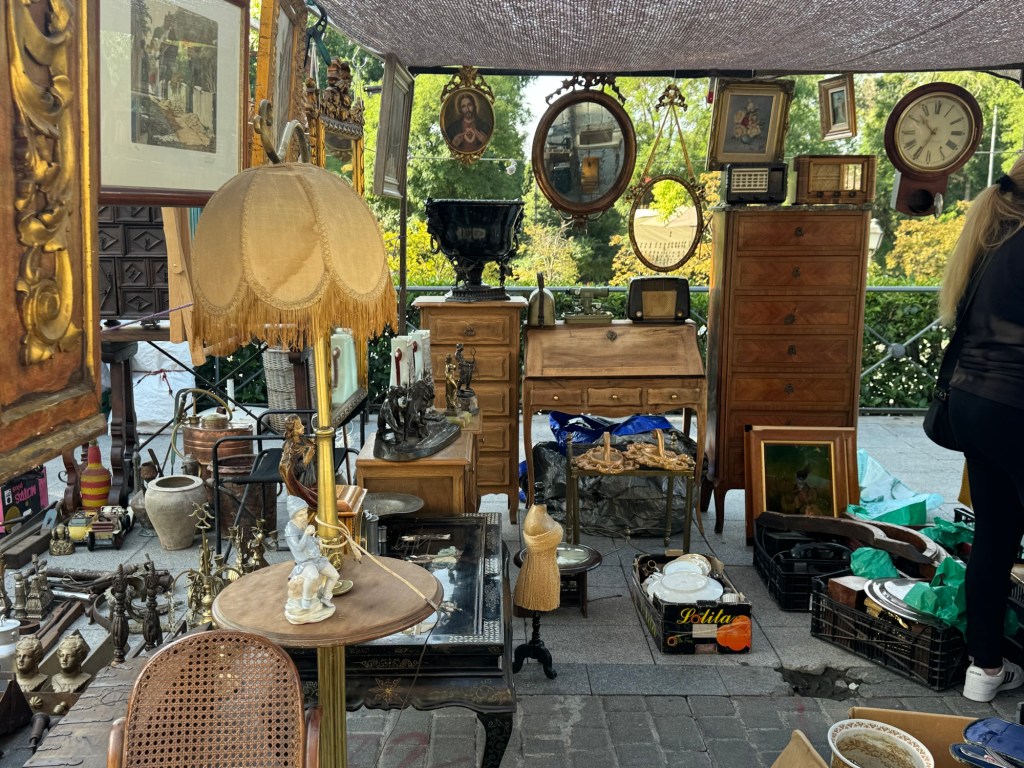
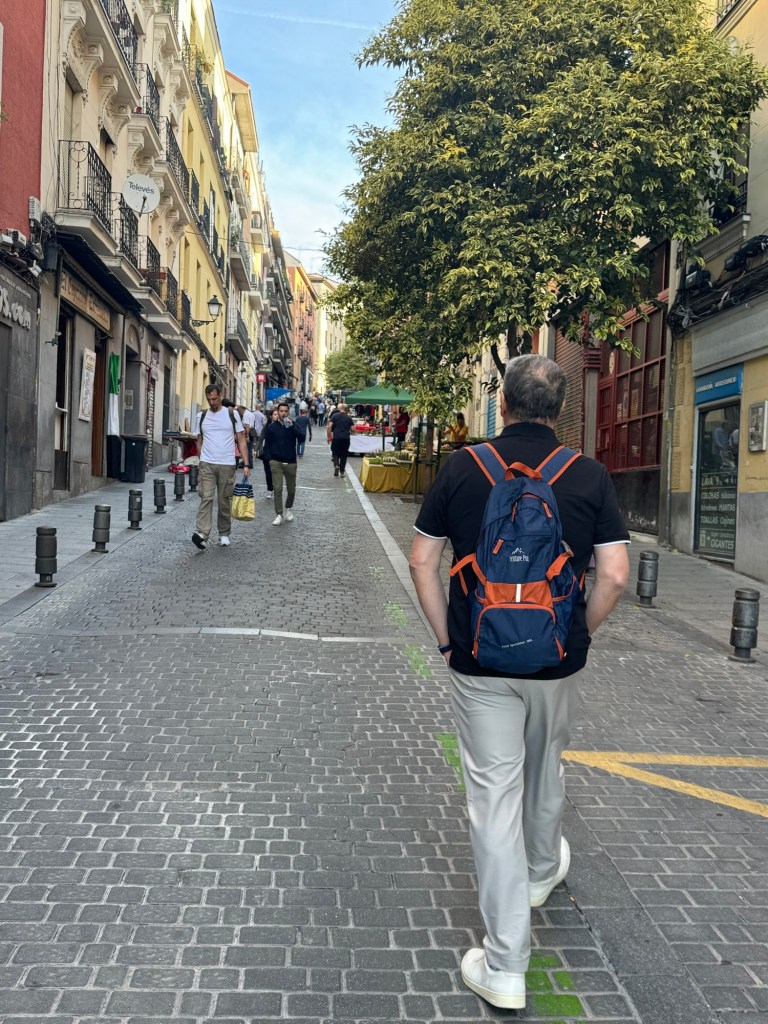
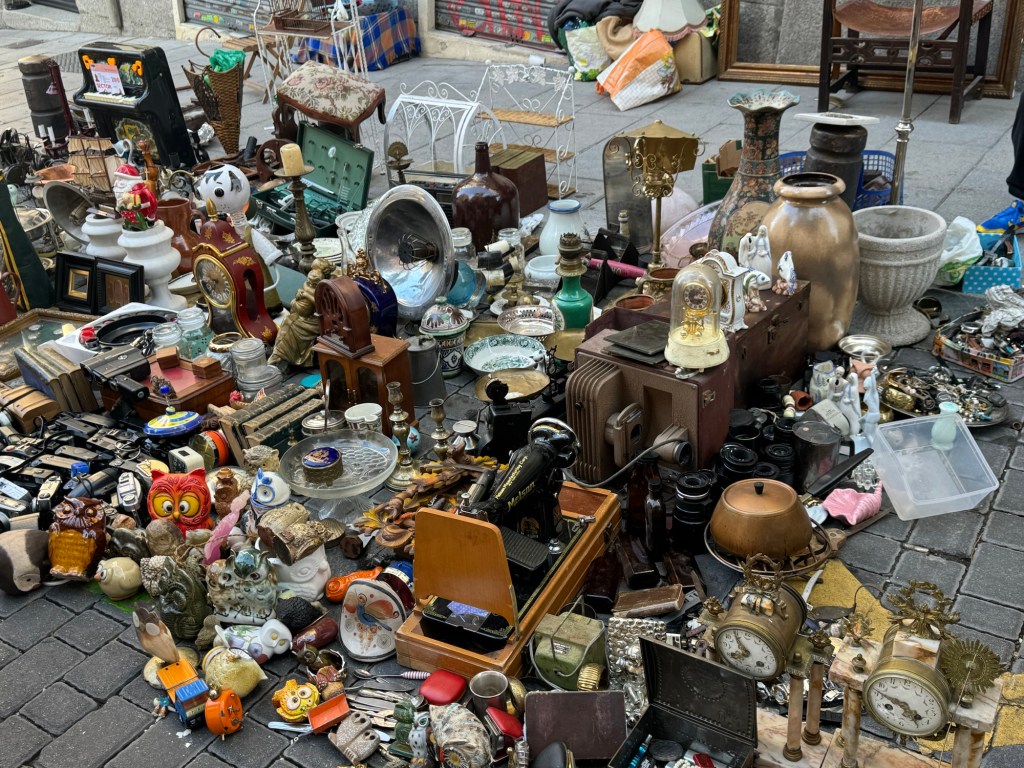
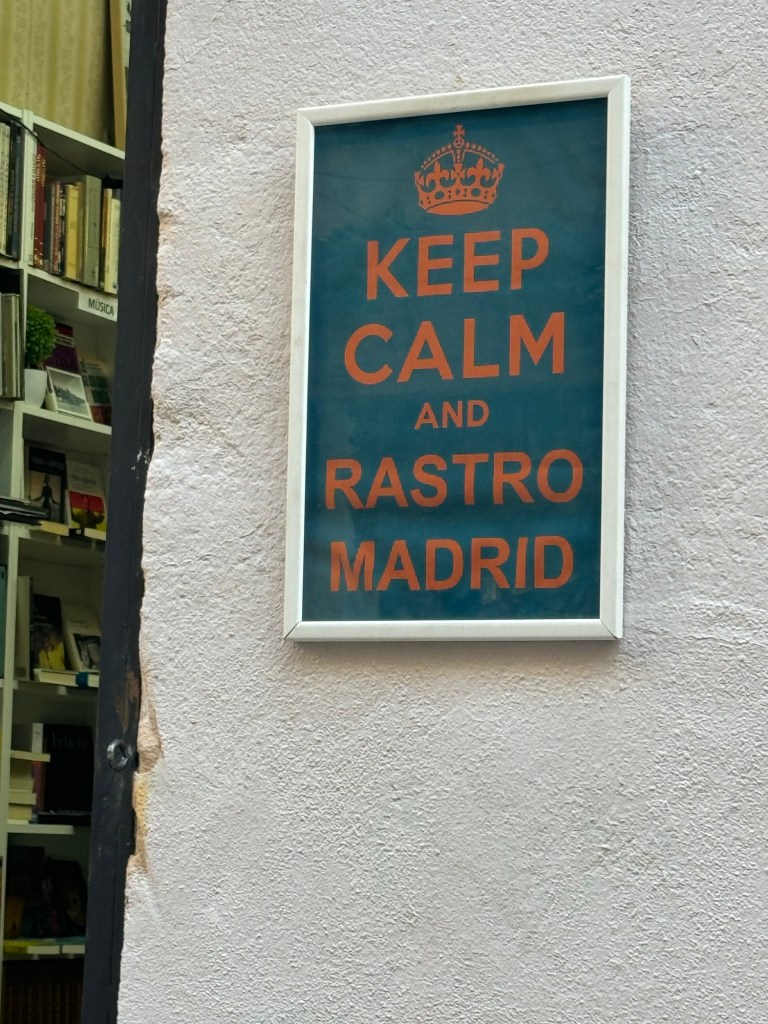
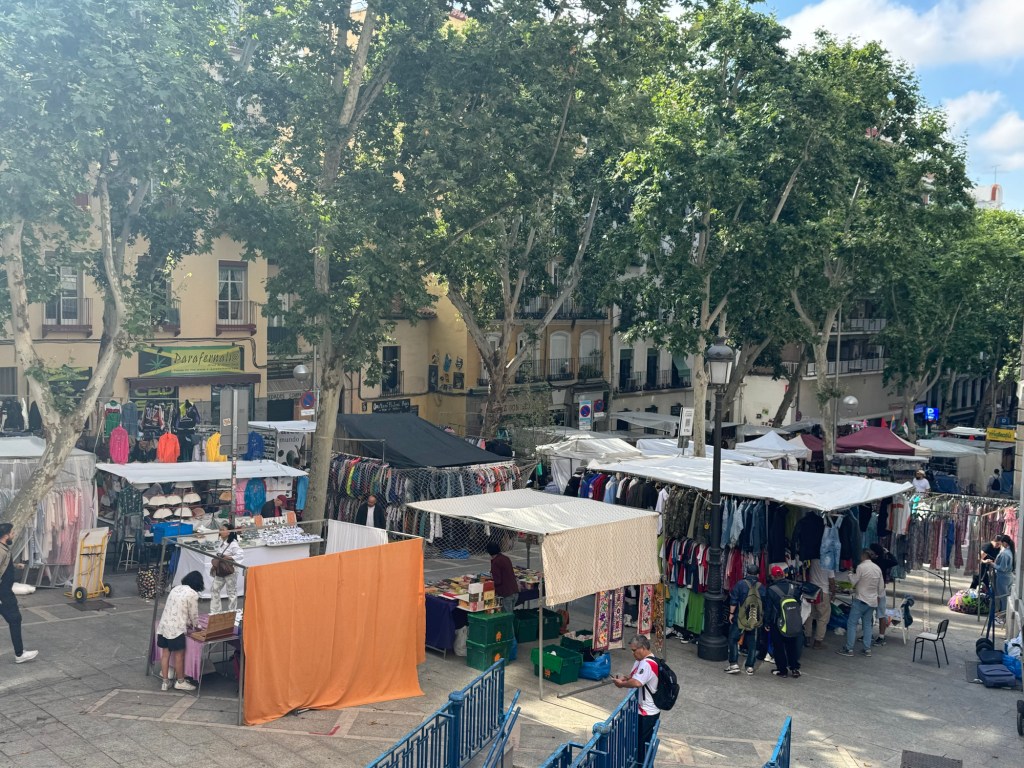
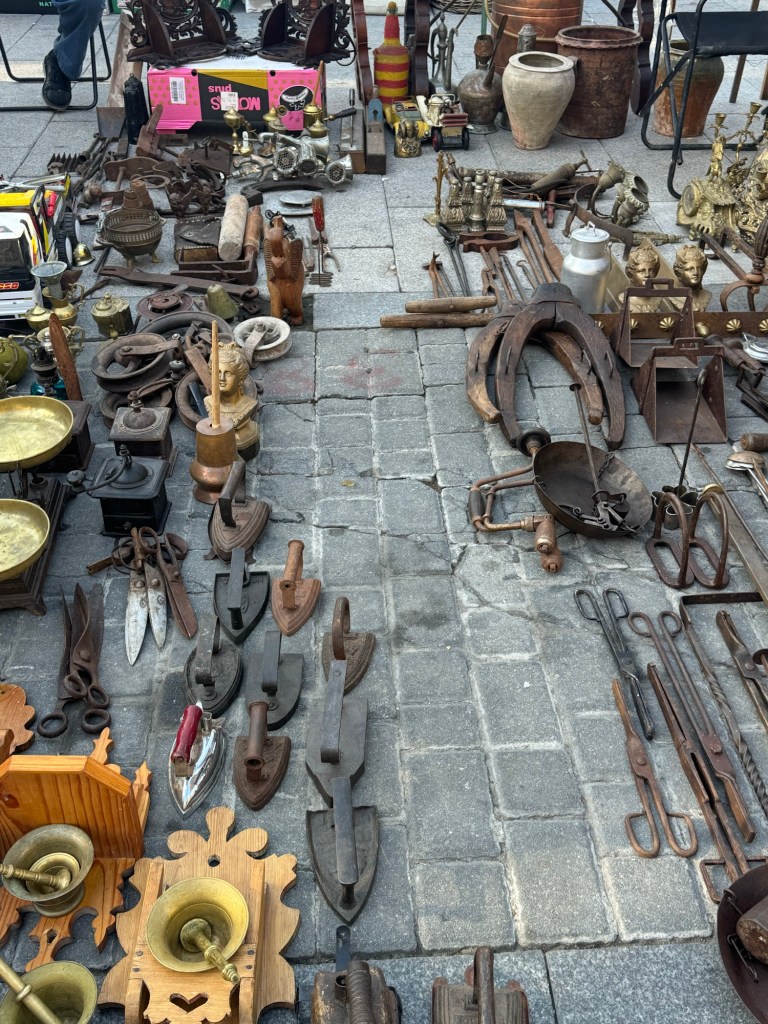
We were lucky to come across that beautiful mass on Sunday. Another perk of visiting Madrid on a Sunday is El Rastro. el Rastro is the largest and most popular open air flea market in Madrid. Located at Plaza de Cascorro and Ribera de Curtidores, between Calle Embajadores and the Ronda de Toledo in La Latina neighborhood. This market is massive! You can find all kinds of merchandise, old and new, with 3500 stalls to explore. My favorite were the antique dealers. There were so many treasures I wanted to take home!

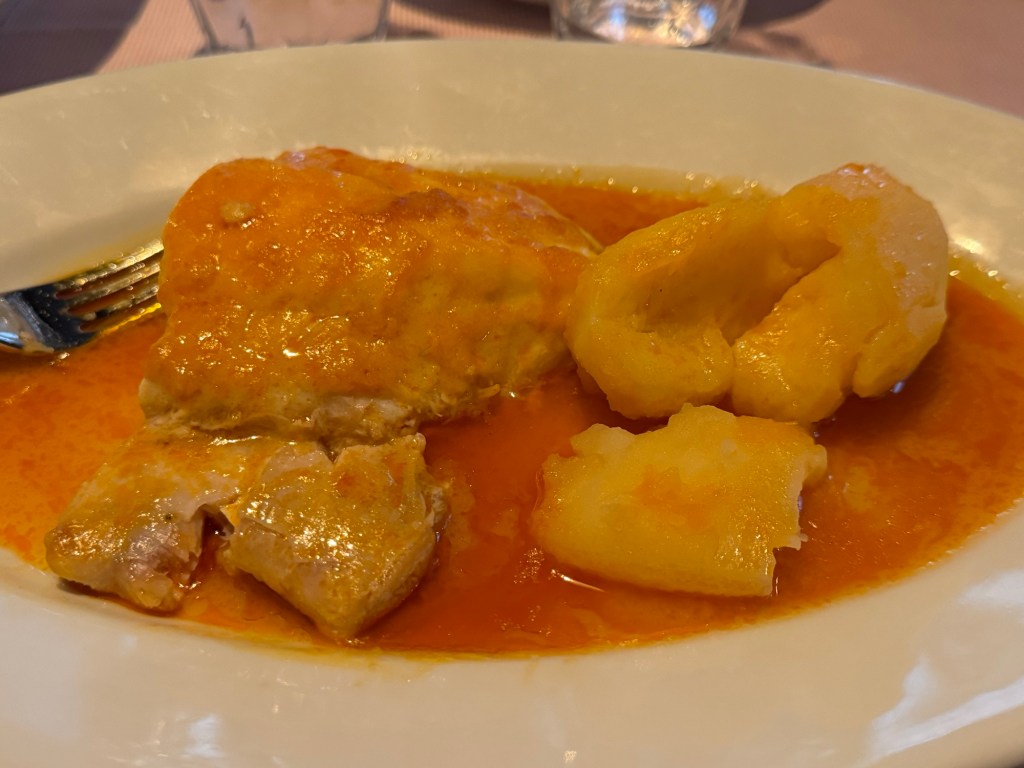
As tourists, we enjoy researching where the locals like to dine. Always in the hunt for that special little restaurant far from the tourist traps, where good food offers an authentic culinary experience. We found a great restaurant located near our hotel in the El Prado neighborhood. La Entretenida has a rustic and cozy ambiance and a modern and unique take on traditional dishes.

La Entretenida

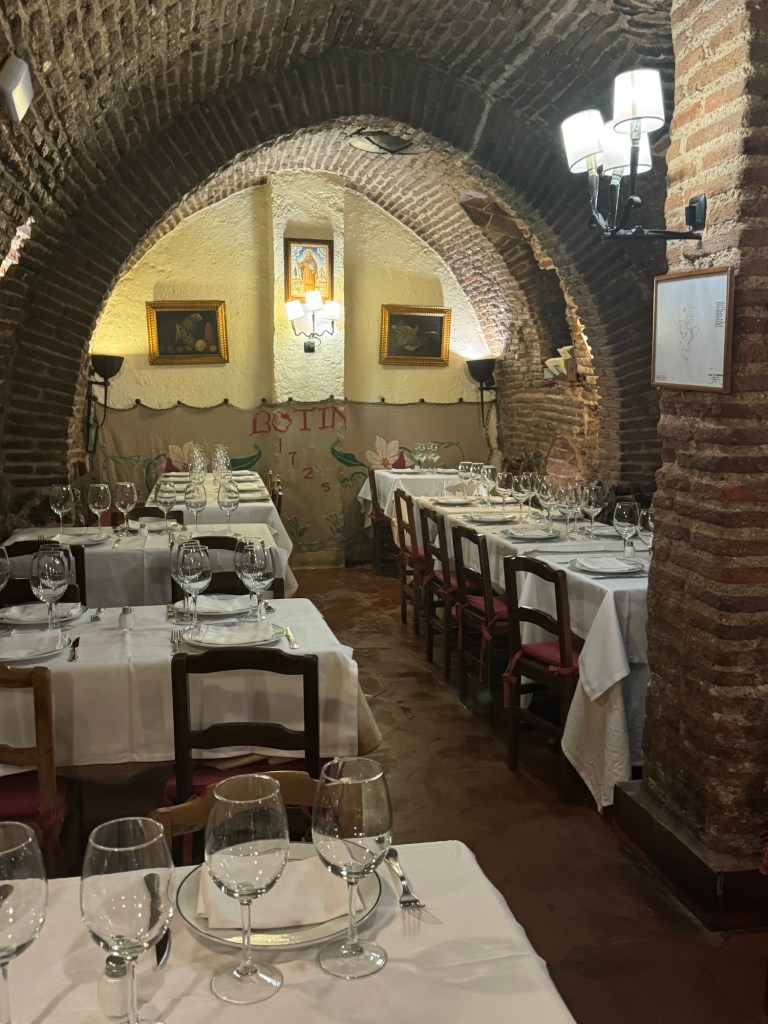
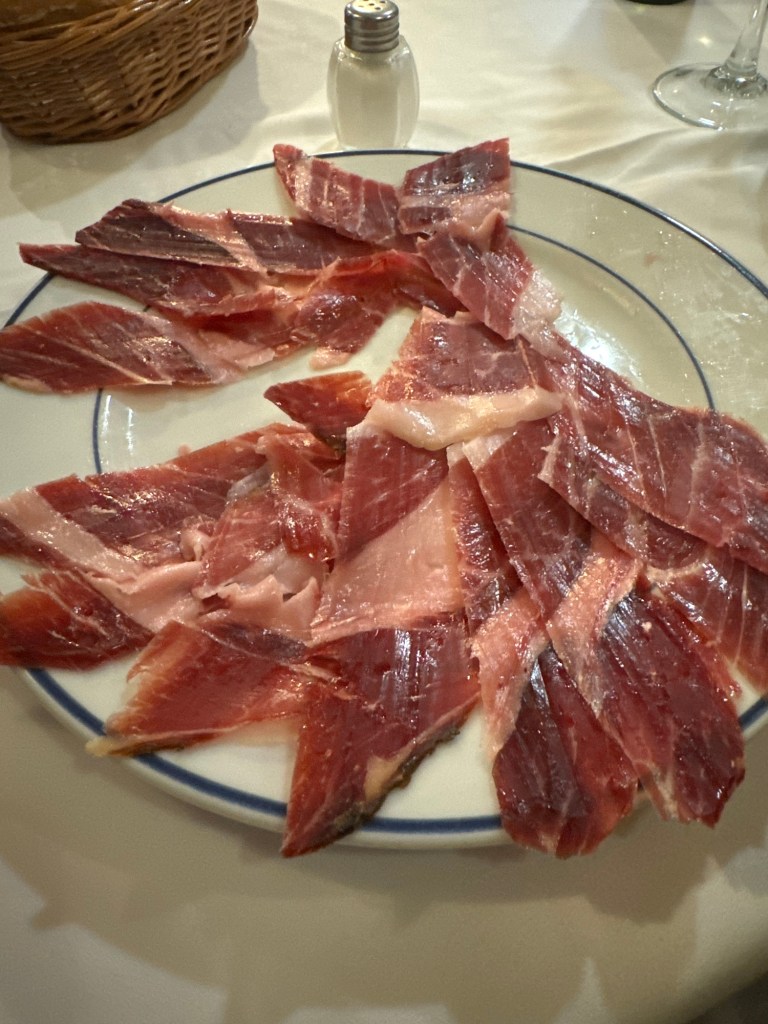
We did, of course, succumb to trying a tourist favorite. After all, we are tourists! The Botin is famous for its “cochinillo” a suckling pig slowly roasted in old ovens over oak wood. The Botin is the oldest restaurant in the world, according to the Guinness Book of Records. Immerse yourself in the 1700’s while you delight in one of Madrid’s traditional cuisine. Life starts late in Spain, and dinner before 8 pm is not typical. Our reservation was at 8 in the very old cavelike part of the restaurant. But, we were jet lagged and decided to dine much earlier. We were not able to eat in this rustic section, but we did visit and took some photos.

Botin Restaurant

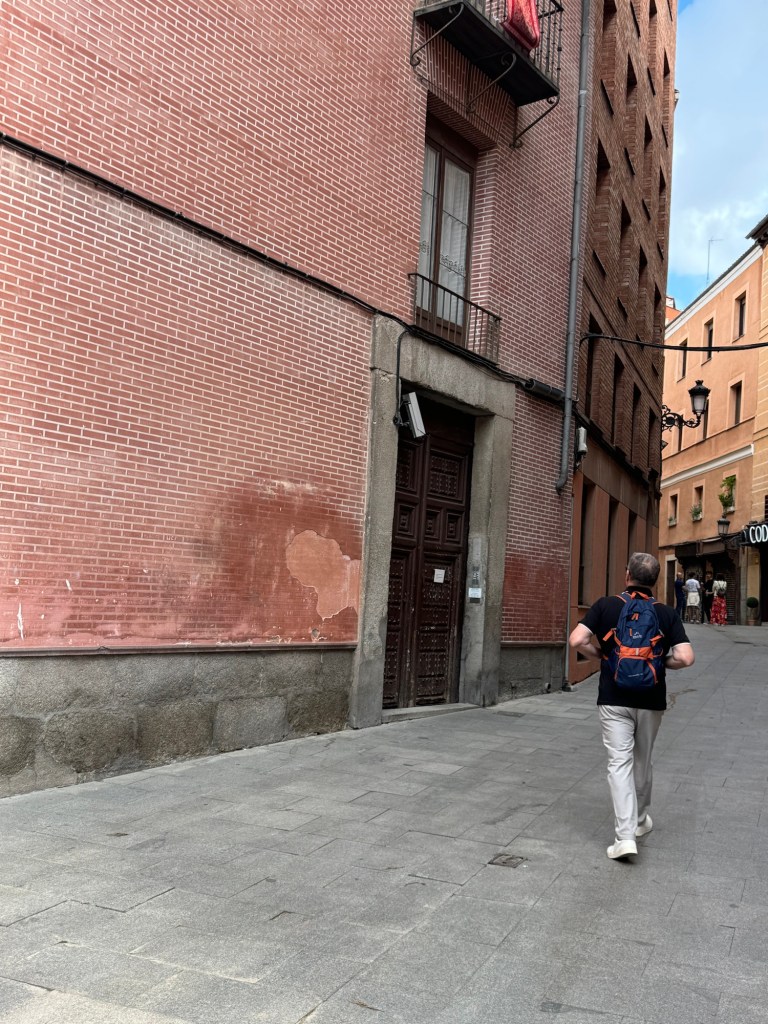
When planning our vacation, I came across a website that features secret and unknown places all over the world. Thanks to Atlas Obscura, I discovered the Monasterio Di Corpus Christi. A small sign on a massive wood door leads you to ring the bell to enter into the monastery. Here, clustered nuns bake and sell cookies that you can buy through a turnstile window, without ever seeing the nuns. I was excited to experience this little secret in Madrid. We arrived at the monastery door only to find a sign saying there were no cookies available, and to return the next day at noon. I guess we will need to try again on our next visit.

Monasterio Di Corpus Christi

Although the weather was not the best, we were lucky to have some sunny moments during our visit. A perfect opportunity to visit El Retiro.

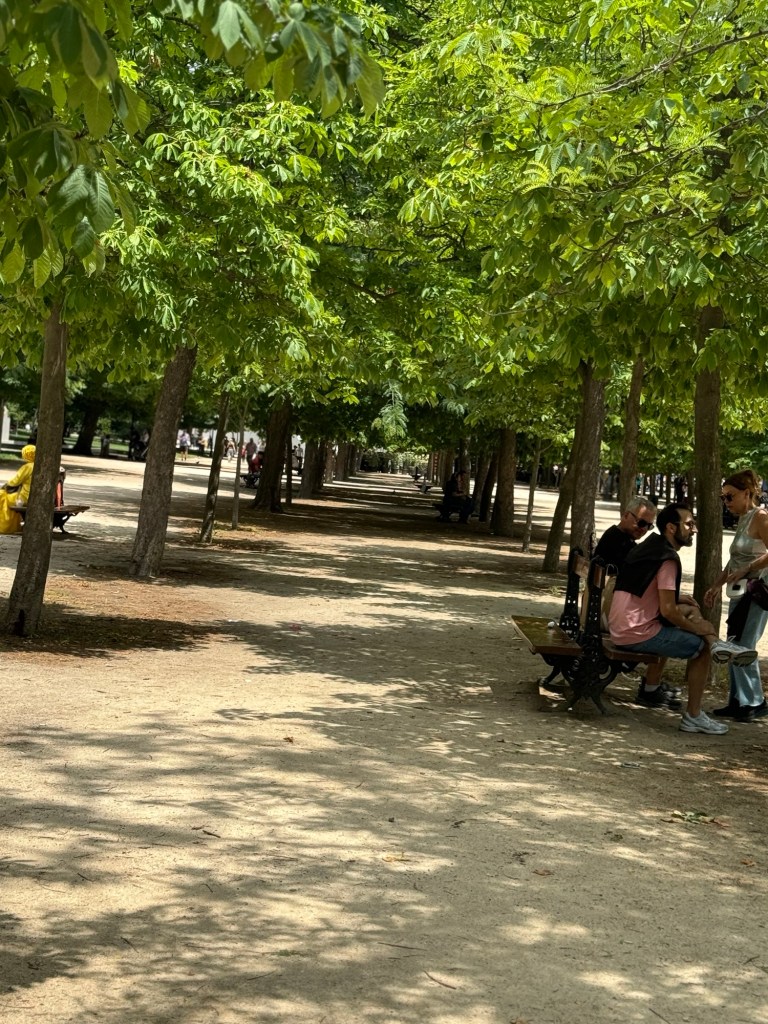
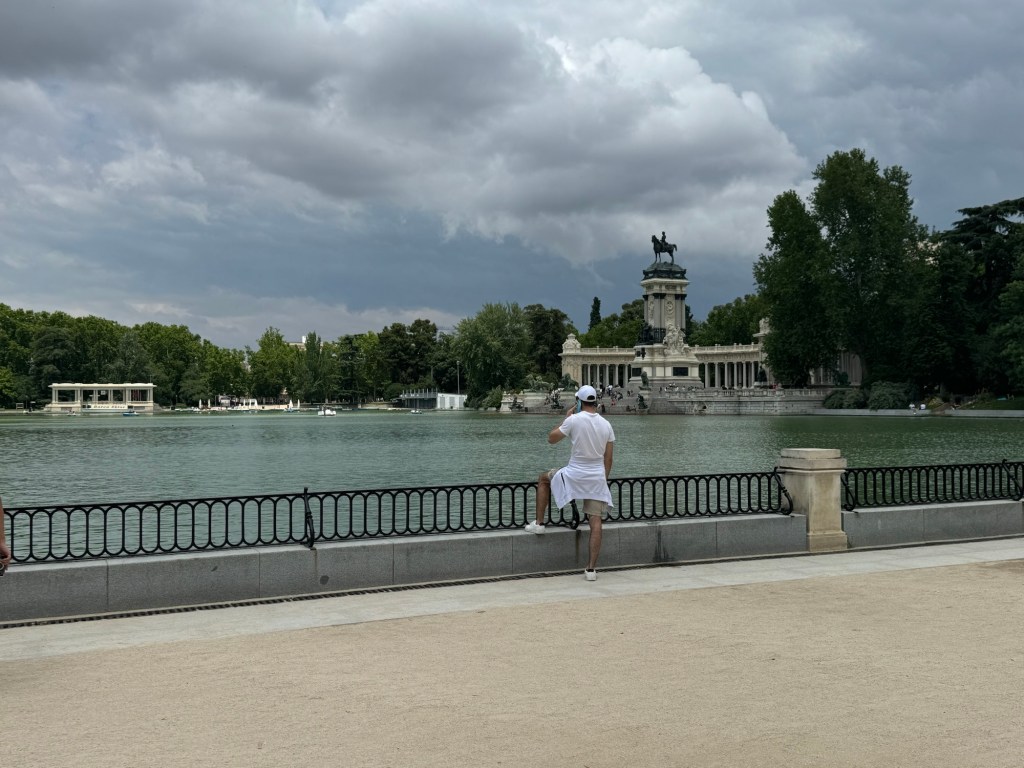
El Retiro Park, officially known as Parque del Buen Retiro, is one of the largest and most popular parks in Madrid, Spain. Covering over 300 acres, it offers a green oasis in the heart of the city. Originally a royal retreat dating back to the 17th century, it was opened to the public in the late 19th century.

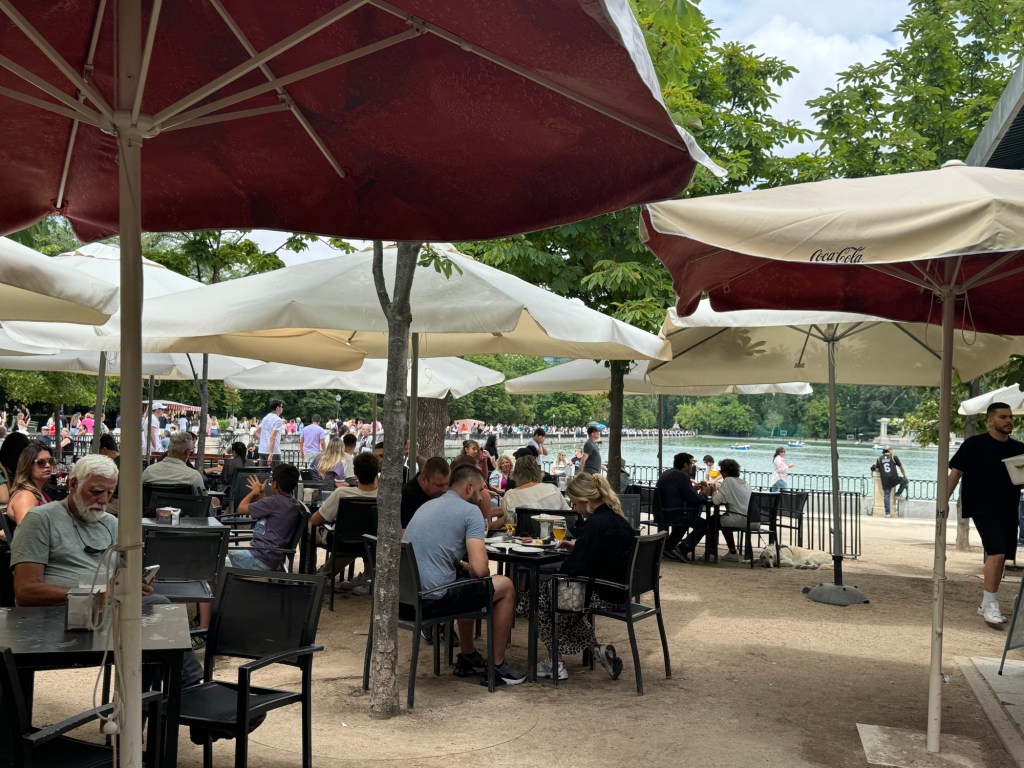
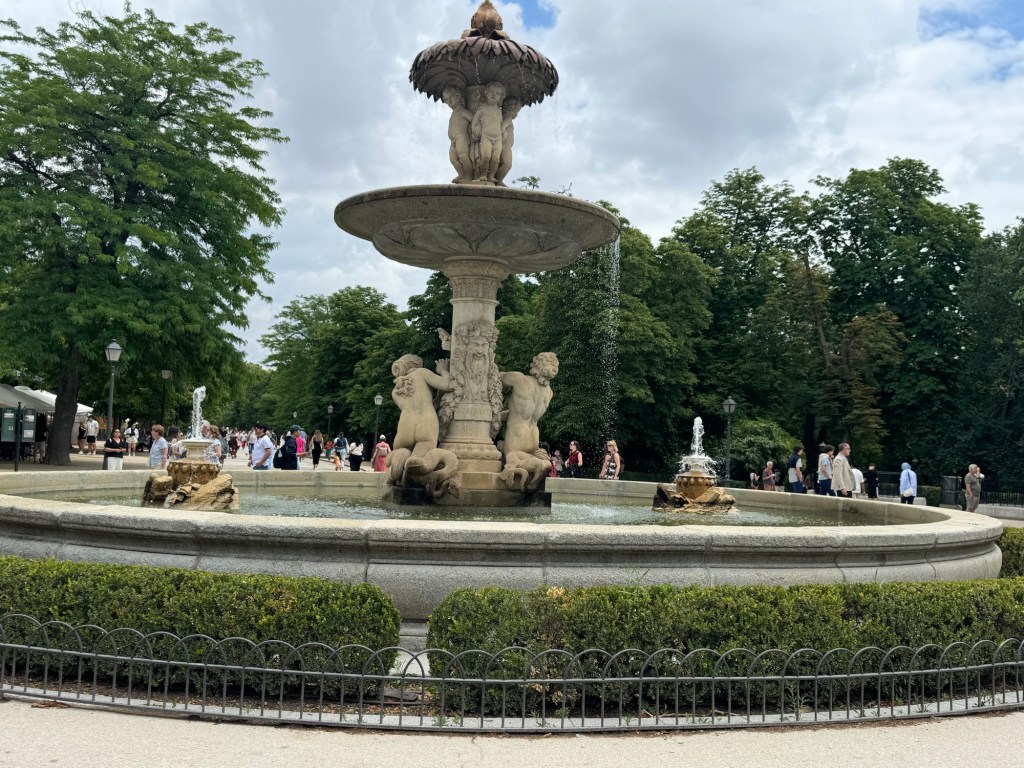
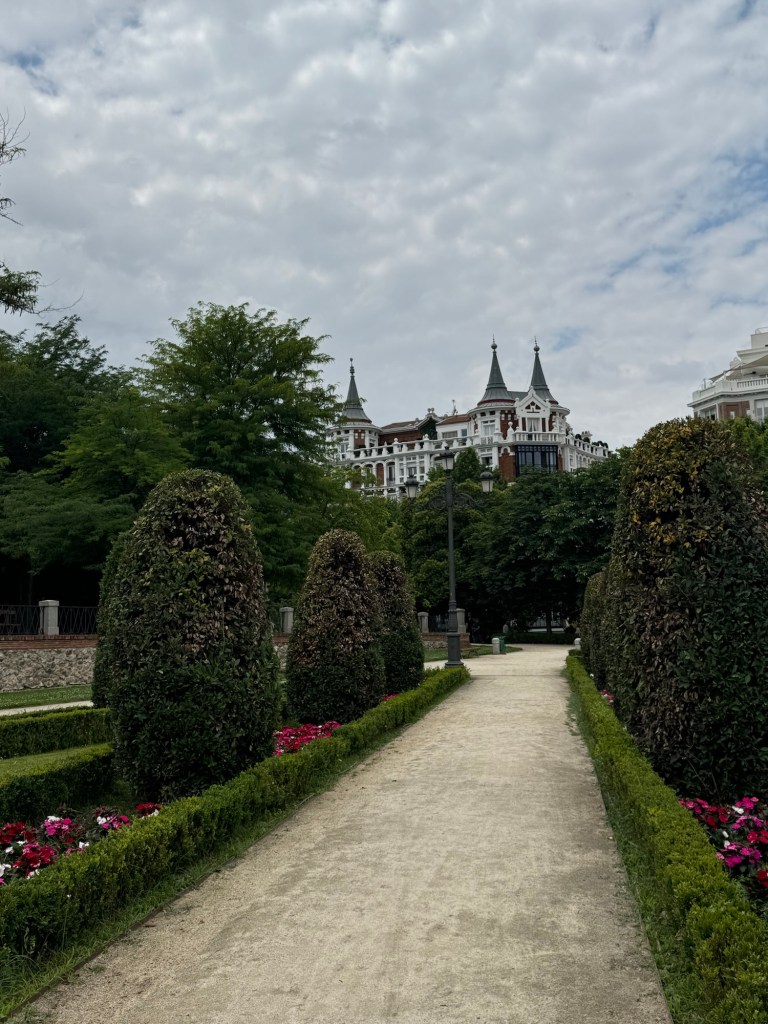
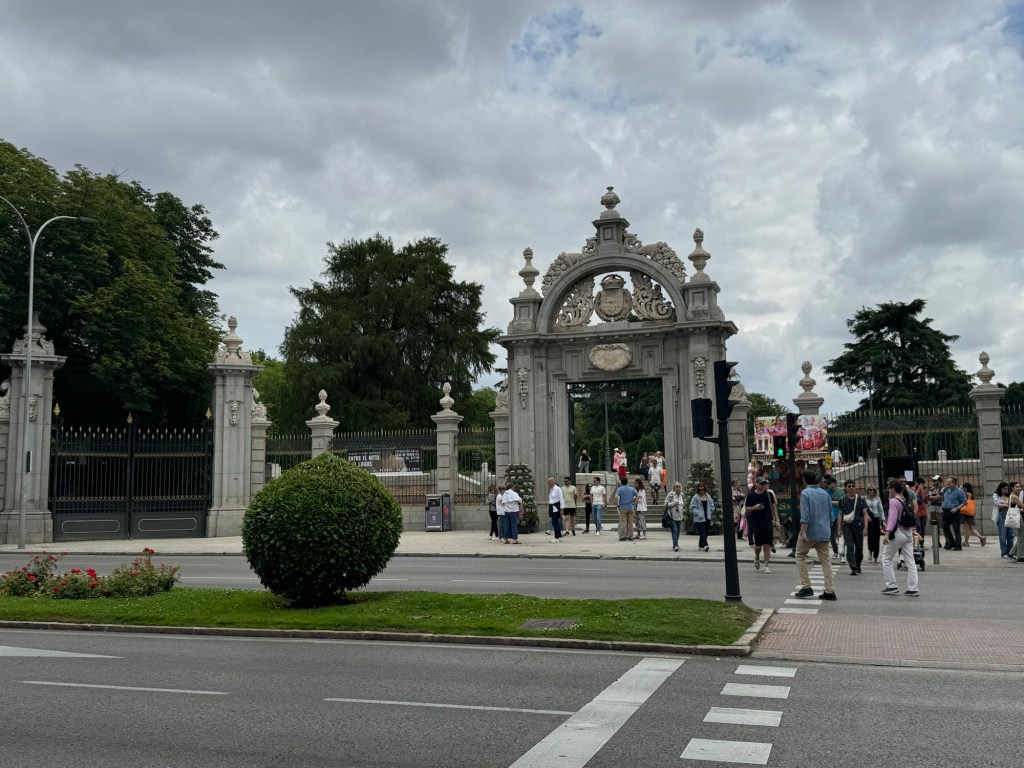
The park features numerous attractions, including a large artificial lake, Estanque del Retiro, where visitors can rent rowboats; the iconic Crystal Palace (Palacio de Cristal), a stunning glass structure used for temporary art exhibitions, the Velázquez Palace (Palacio de Velázquez), another exhibition space, beautiful sculptures and monuments, such as the Monument to Alfonso XII and the Fountain of the Fallen Angel, and various gardens and tree-lined paths, perfect for leisurely strolls, jogging, and picnics. There were so many families and couples enjoying a picnic or relaxing on the lawn; while others were rowing on the lake or eating in the various eateries.

El Retiro is a cultural and recreational hub, hosting various events, performances, and exhibitions throughout the year, making it a beloved spot for both locals and tourists. We enjoyed a rare moment of complete relaxation during our short stay.

Leaving this captivating city is always bittersweet. While two days hardly seem sufficient, they leave you yearning to come back for more.